“Where are the eye drops?” I ask the shop assistant.
She smiles, points—and suddenly I realise I’ve been standing right in front of them the entire time.
I missed them because they didn’t look like traditional eye drops.
No clinical white box.
No tired illustration of an eyeball.
No visual cues screaming medicine.
Instead: bold colours, sleek packaging, and a presence that felt closer to beauty than to pharmacy.
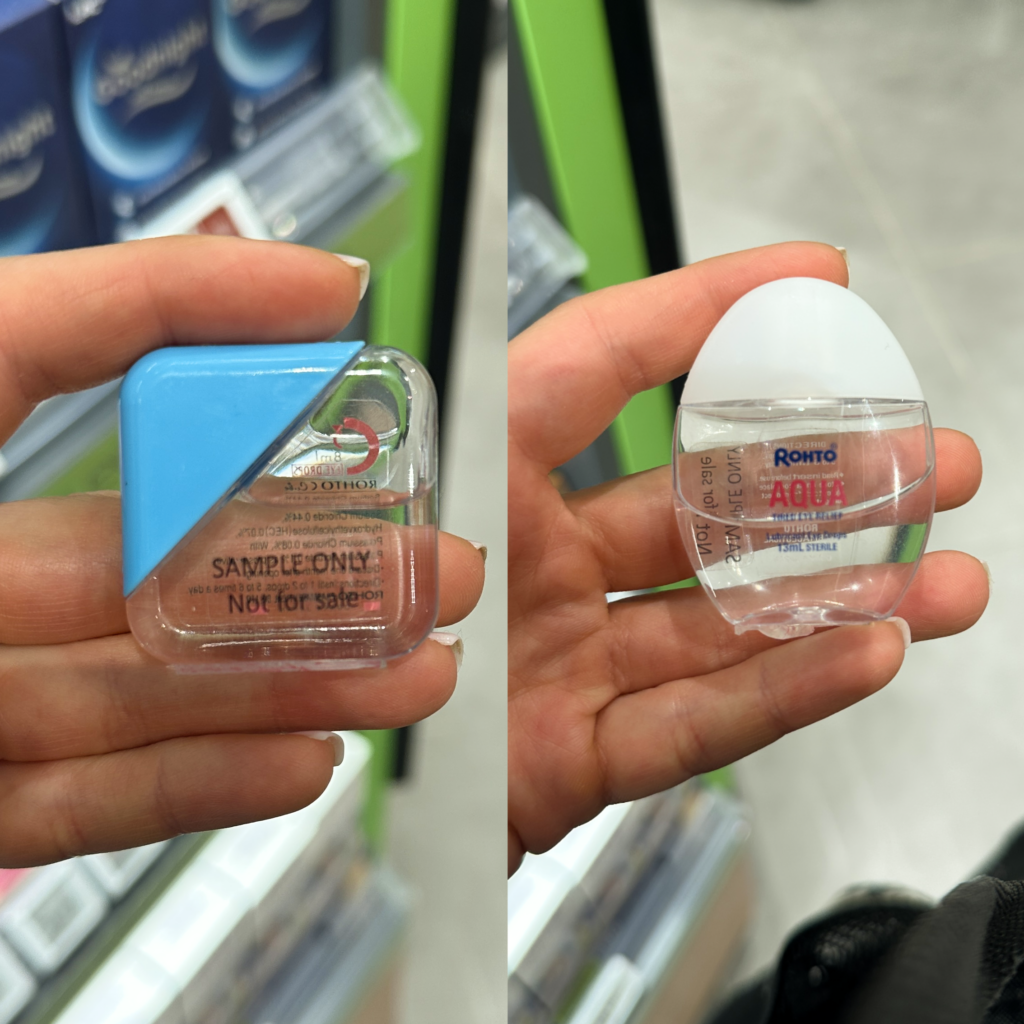
This is not an accident.
Both products are made by Rohto Pharmaceutical, a Japanese company known for building cult brands that sit comfortably between healthcare and lifestyle. Its portfolio includes Hada Labo, OXY, Acnelogy, Rohto Eye Drops, Mentholatum, Lipice and Sunplay. In Poland, Rohto is also the owner of DAX Cosmetics, a brand many consumers already recognise from the beauty aisle—not the pharmacy.
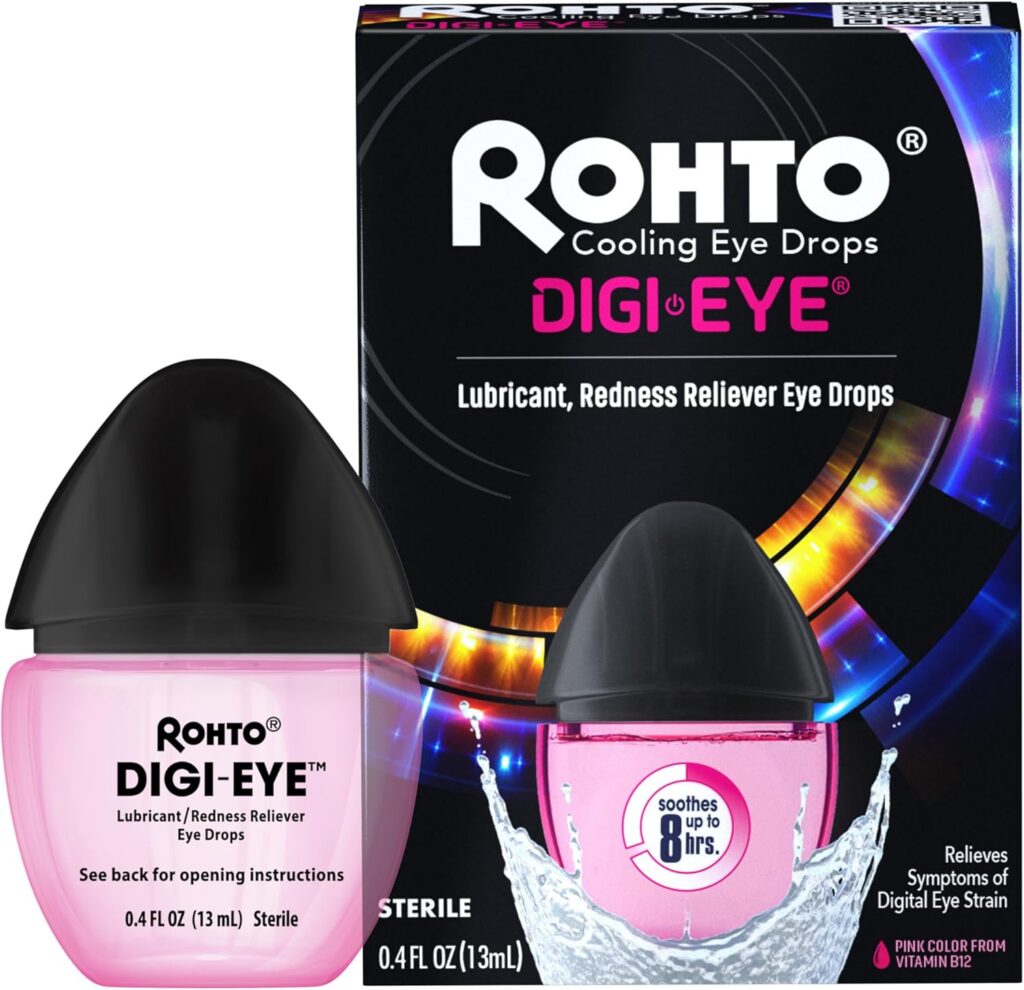
Rohto Eye Drops sit in the mid‑to‑premium OTC segment, priced above basic artificial tears and closer to “specialty” eye care products positioned around cooling, freshness and instant relief. But price is not the real differentiator here.
Targeting is.
Optic Glow: When Eye Care Meets Beauty Culture
One variant in particular—Optic Glow—shows how pharmaceutical products can borrow from beauty marketing without losing credibility.
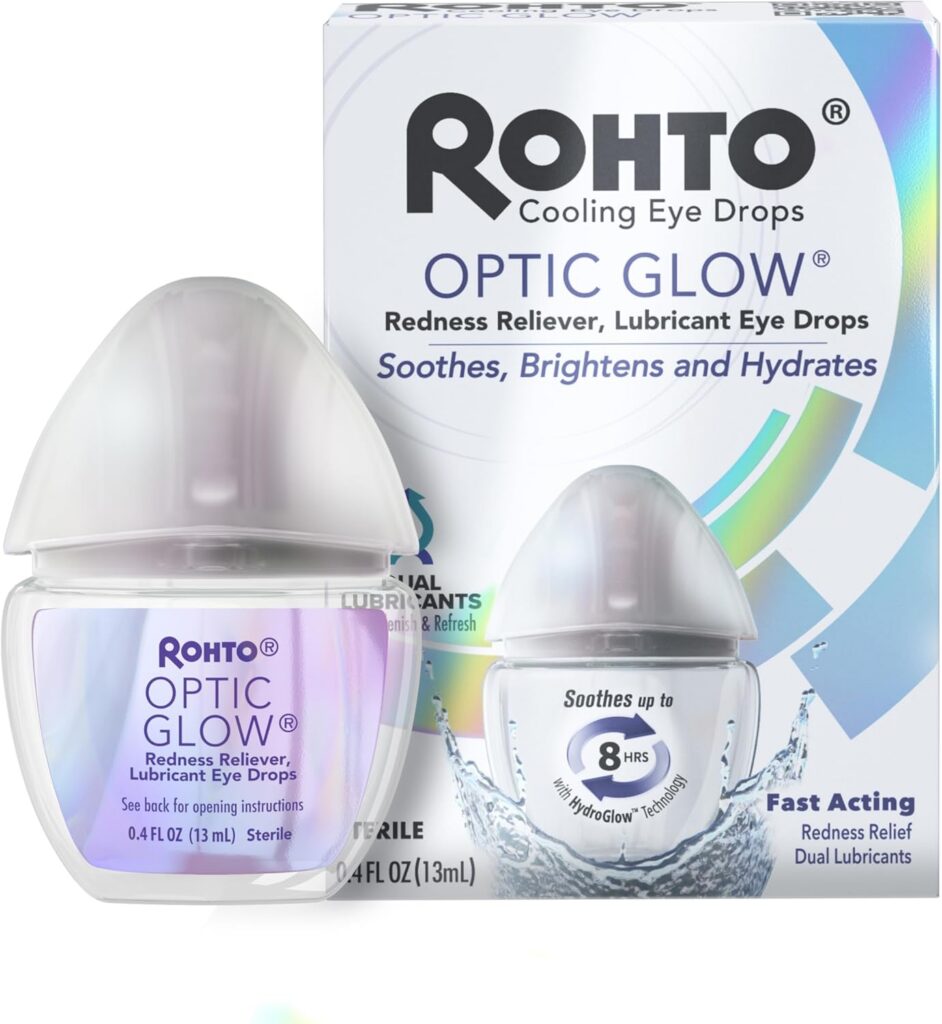
The visuals are unapologetically aesthetic: bright, wide-open eyes, bold eye makeup, strong colour contrasts. The message is clear and emotionally relevant:
Even the best eye makeup doesn’t look good on tired, irritated eyes.
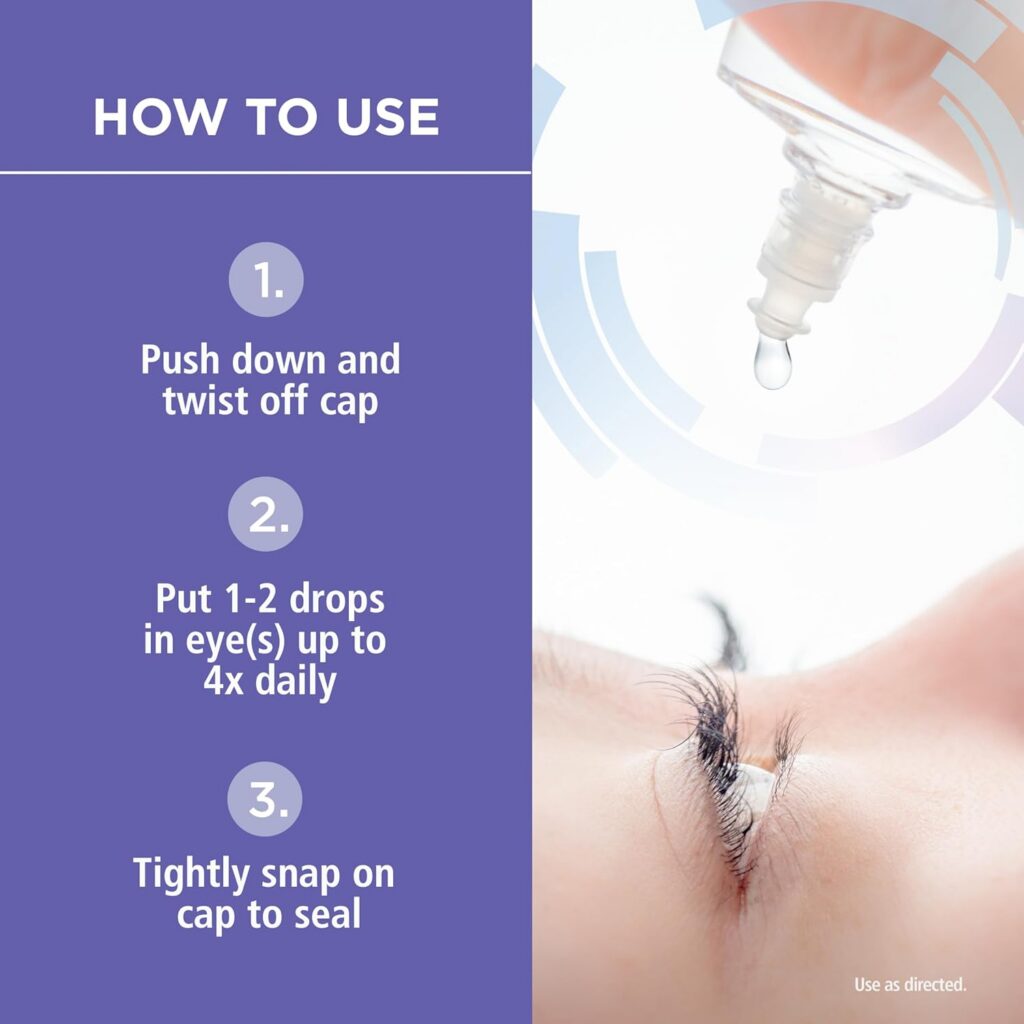
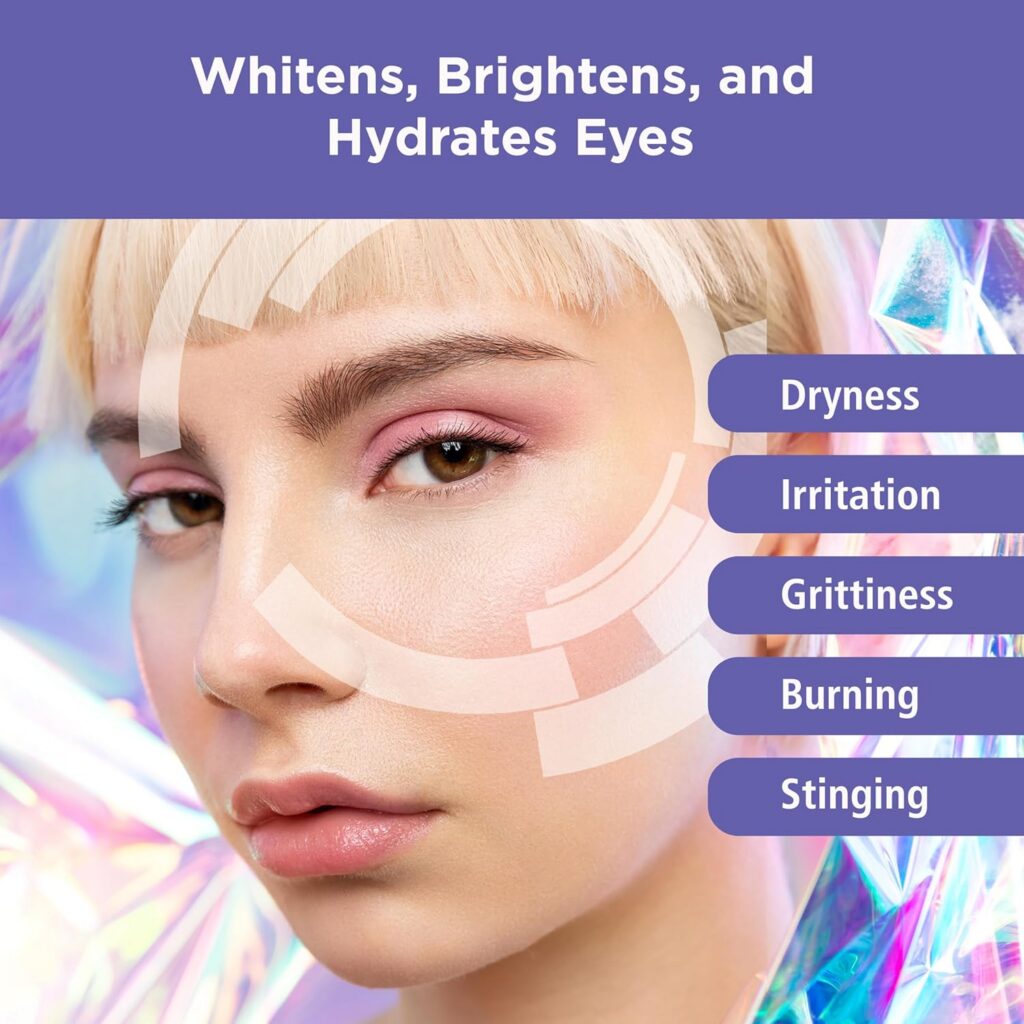
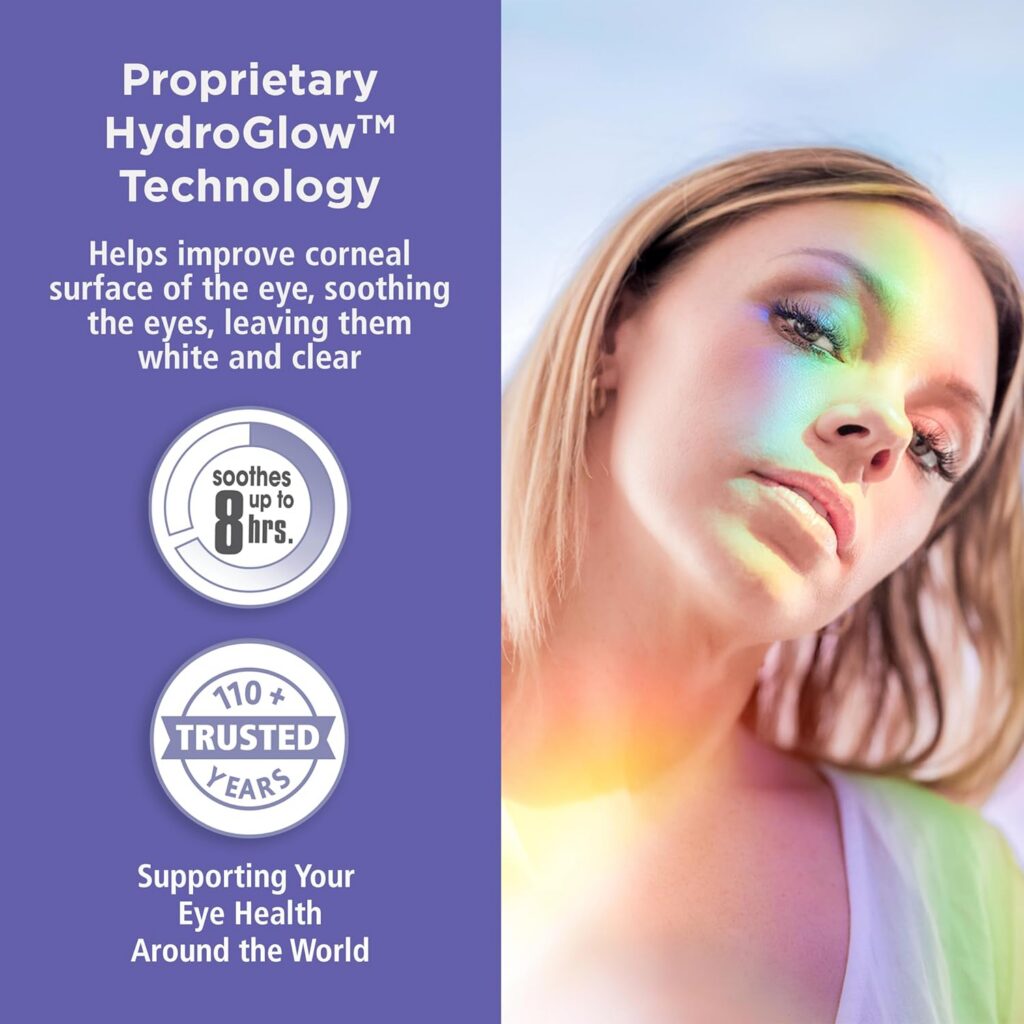
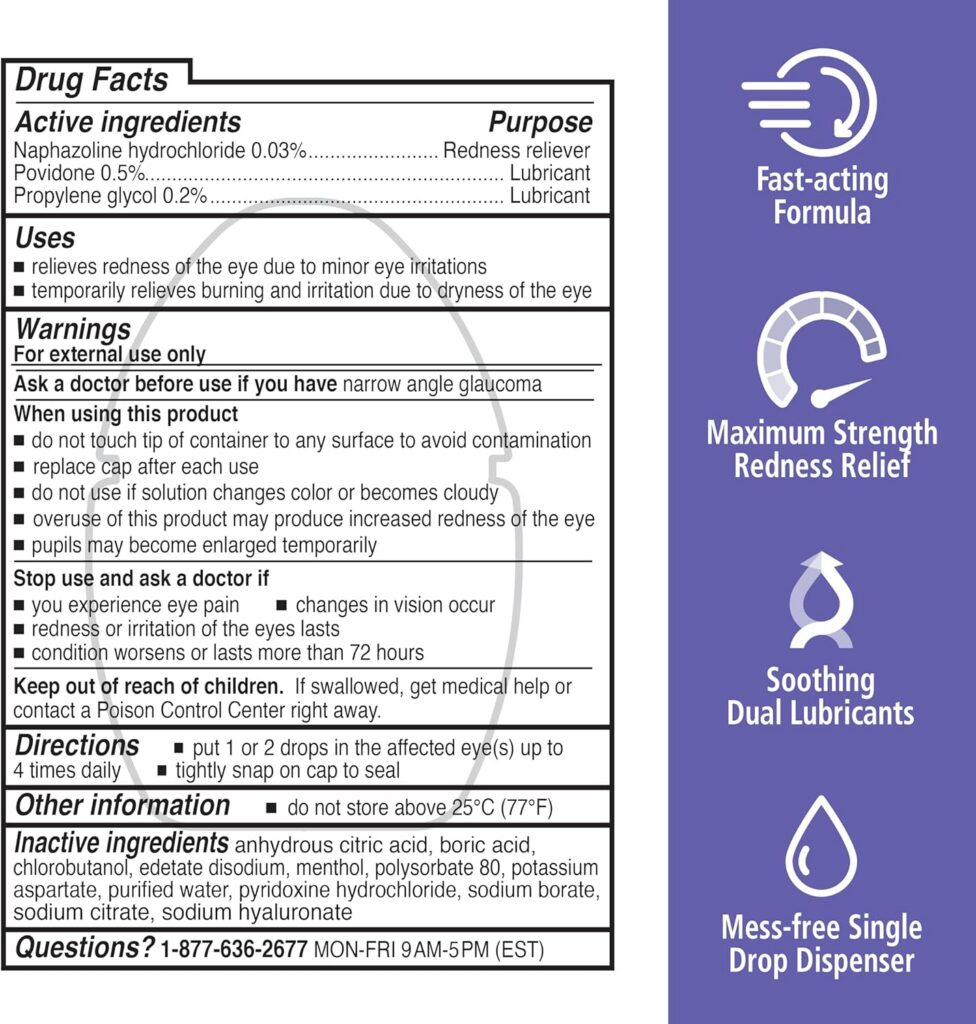
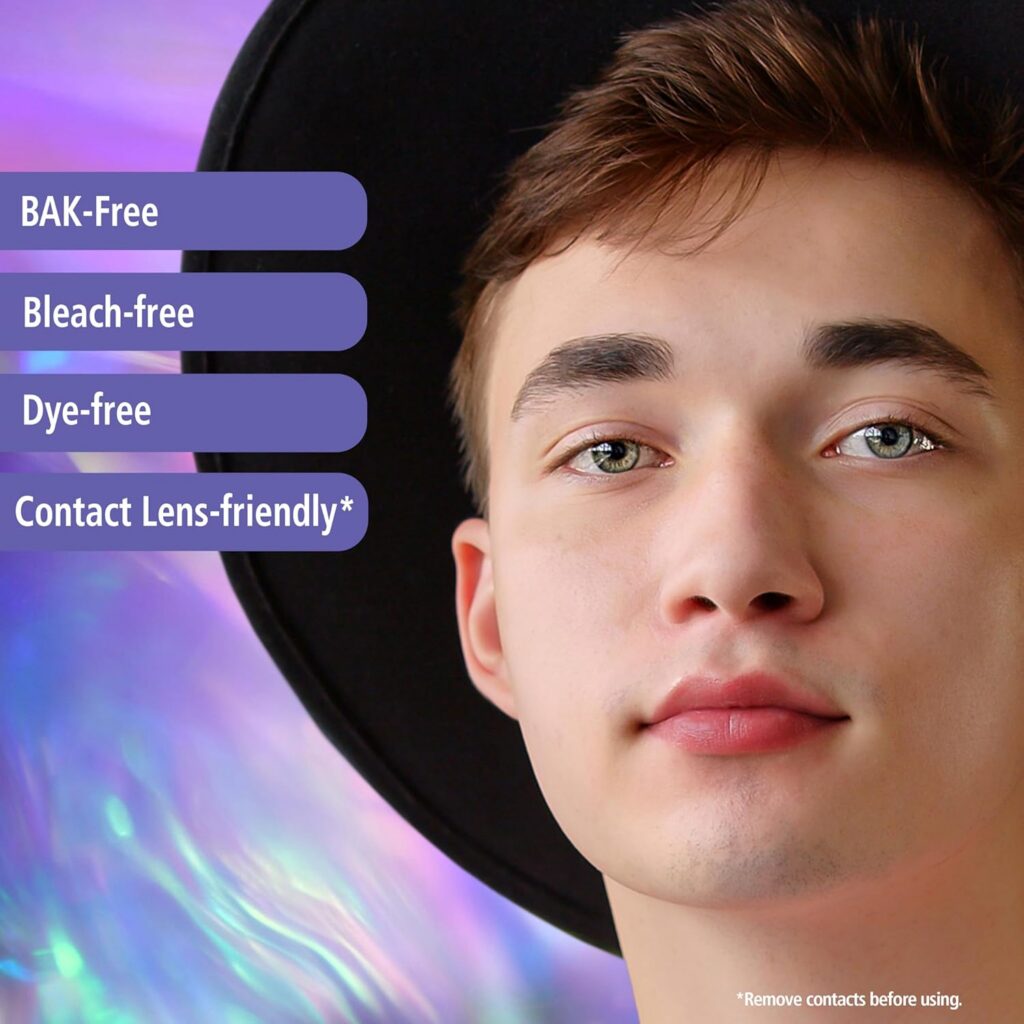
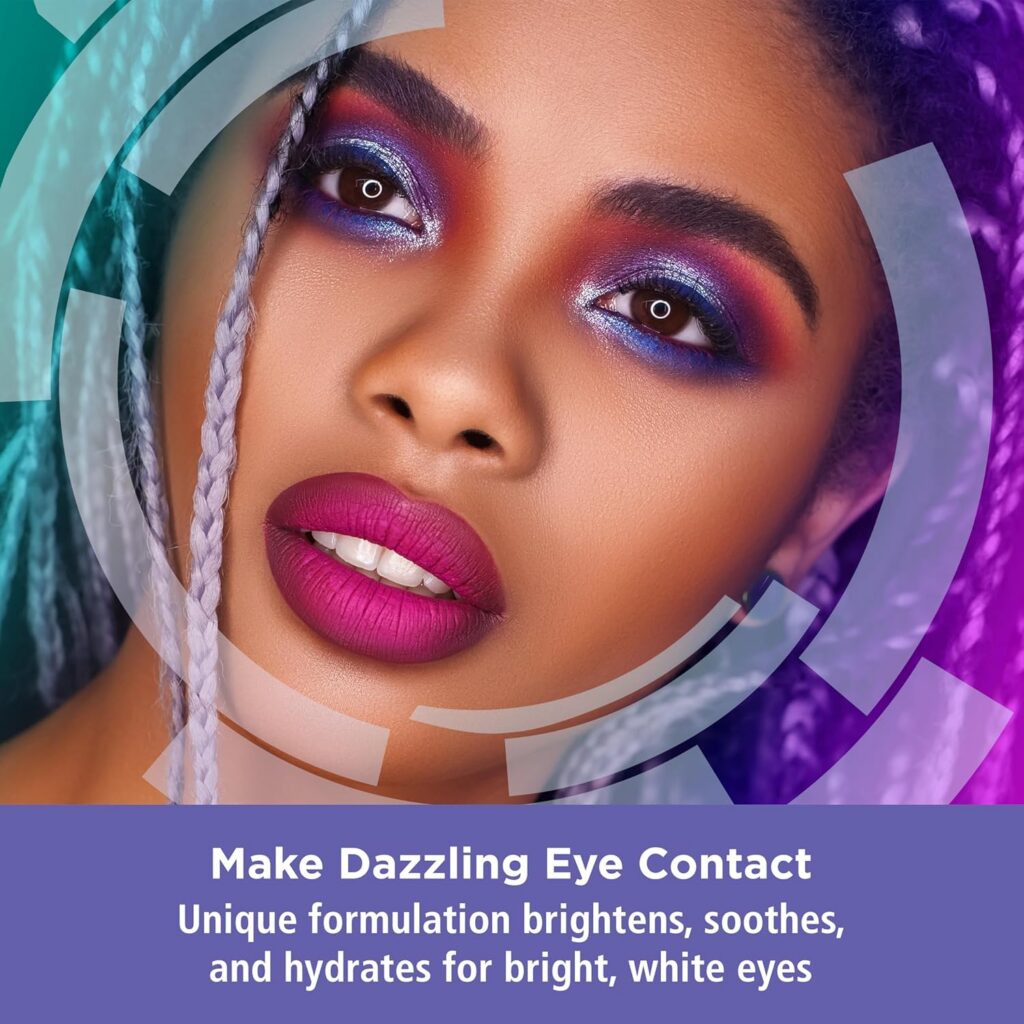
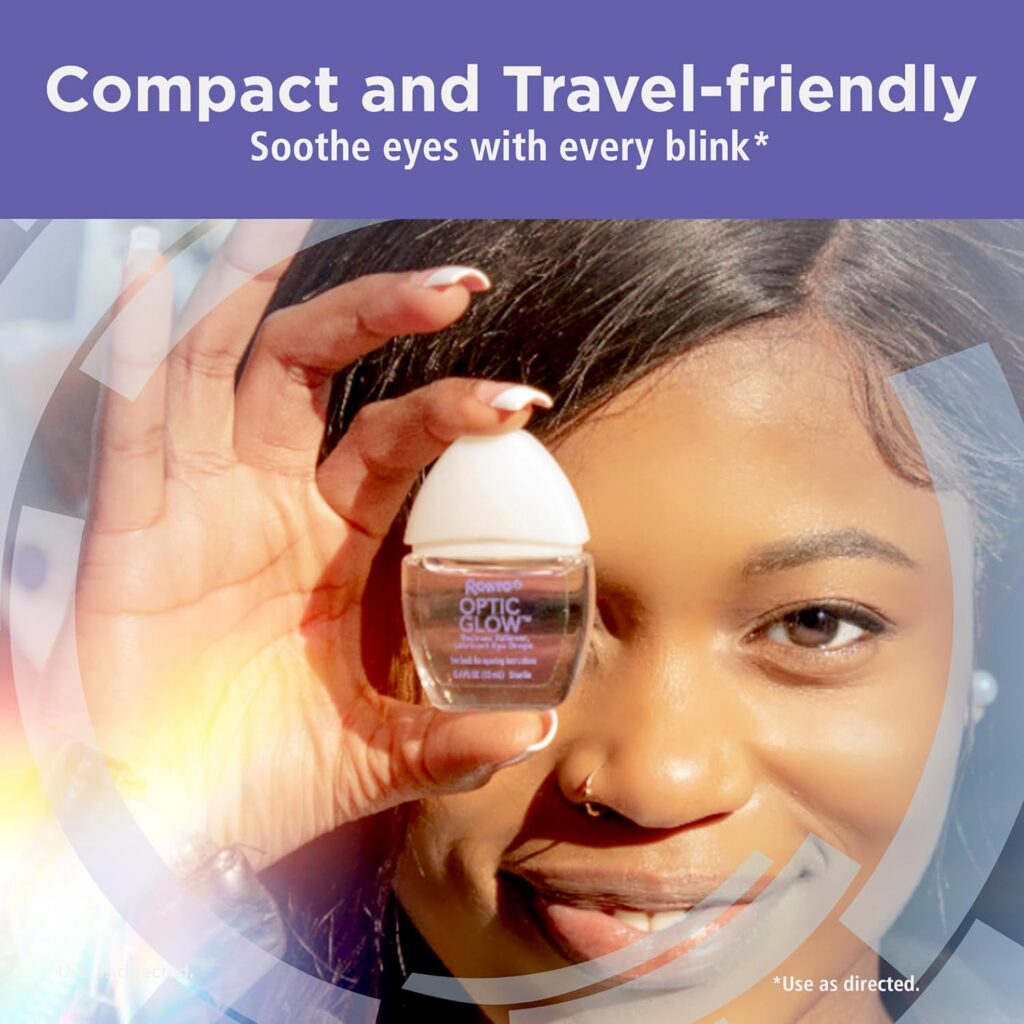
That single insight unlocks a perfect product–market fit.
This is no longer just an “eye problem solution.” It’s a beauty enhancer, a backstage product that makes the final look work.
And it resonates—because eye fatigue is not a niche issue. It’s mainstream Europe.
Eye Problems Are No Longer a Medical Exception — They’re the Norm
Let’s look at the data.
More than 50% of European adults have a refractive error (myopia, hyperopia or astigmatism), meaning they need glasses or contact lenses.
According to the European Eye Epidemiology (E3) Consortium, this equals over 227 million people with myopia alone in Europe
(European Eye Epidemiology Consortium, 2015)

Dry eye symptoms affect between 15% and 30% of adults in Europe, depending on country and age group
(BMJ Open, 2023)

Among contact lens wearers, around 20–40% report dry eye symptoms, and dryness is one of the main reasons people stop wearing lenses altogether
(Life (Basel), 2022)

In several European countries, 10–30% of adults wear contact lenses, with particularly high usage in Northern and Western Europe
(Statista, 2025)

Screen exposure is accelerating the issue: ophthalmologists across Europe report a sharp increase in screen-related eye fatigue and dryness, especially among younger consumers
(TFOS DEWS II Report)
This is not a fringe problem.
This is a mass lifestyle condition driven by screens, indoor heating, air conditioning, contact lenses, makeup, UV exposure and urban living.
Yet the category still behaves as if it’s selling cough syrup.
The White Space: Turning Eye Drops into Daily Rituals
Rohto shows what’s possible—but the opportunity is much bigger.
- Screen Workers: The New Office Ritual
Millions of Europeans spend 8–10 hours a day staring at screens. Digital eye strain is universal—regardless of profession.
Why not position eye drops as a micro-break ritual?
Two drops.
A 60-second pause.
Instant refresh.
Not treatment—performance recovery.
- Students & Night Owls
Whether it’s studying until 3 a.m. or dancing until sunrise, tired eyes are a shared experience.
Position eye drops as:
“Two drops that make your eyes look like you slept eight hours.”Functional? Yes.
Aspirational? Absolutely.
- Beauty & Wellness Enthusiasts
We already ritualise:
matcha in the morning
pilates at noon
skincare at night
So why not eye care?
A daily eye-refresh moment fits perfectly into the beauty–wellness–biohacking ecosystem. Imagine collaborations with:
- blue-light-blocking glasses
- yoga studios
- skincare brands
Eye drops become the new wellness accessory.
Why the Market Is Still Wide Open
Despite the scale of the problem, most eye drop brands still look:
overly medical
visually outdated
emotionally disconnected
White boxes. Clinical fonts. Stock images of eyes.
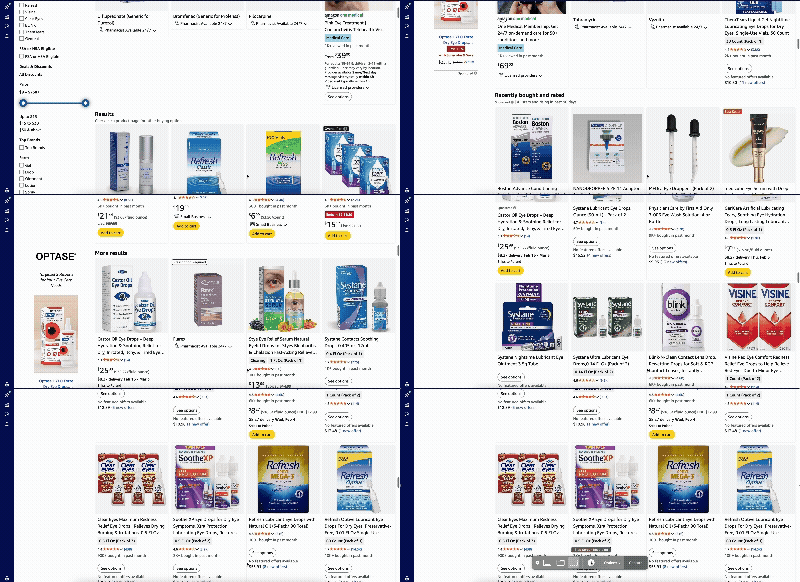
Consumers, meanwhile, have evolved. They expect design, identity and ritual—even from functional products.
Especially from functional products.
Women wear makeup daily that contributes to eye dryness. Winter heating dries indoor air. UV awareness is rising—but eye protection is still overlooked. SPF exists for skin. Why not for eyes as a daily habit?
The demand is there.
The need is proven.
The shelf, however, is still boring.
Final Thought
The next growth wave in OTC eye care won’t come from stronger formulas alone.
It will come from reframing eye drops as part of modern life:
- like lip balm
- like hand cream
- like supplements
Rohto has shown the direction.
For FMCG and pharma brands willing to step beyond the “medicine look,” the opportunity is vast—and still largely untapped.
Key Sources
European Eye Epidemiology Consortium (E3):
https://pmc.ncbi.nlm.nih.gov/articles/PMC4385146/
BMJ Open – Dry Eye Disease in Europe:
https://bmjopen.bmj.com/content/13/3/e067007
Life (Basel), 2022 – Dry Eye & Contact Lenses:
https://pmc.ncbi.nlm.nih.gov/articles/PMC9605398/
Statista – Contact Lens Wearers in Europe:
https://www.statista.com/statistics/431375/individuals-who-wear-contact-lenses-in-selected-european-countries/
TFOS DEWS II Epidemiology Report:
https://www.sciencedirect.com/science/article/pii/S1542012417305733
Leave a Reply