Category: Redesign Concepts

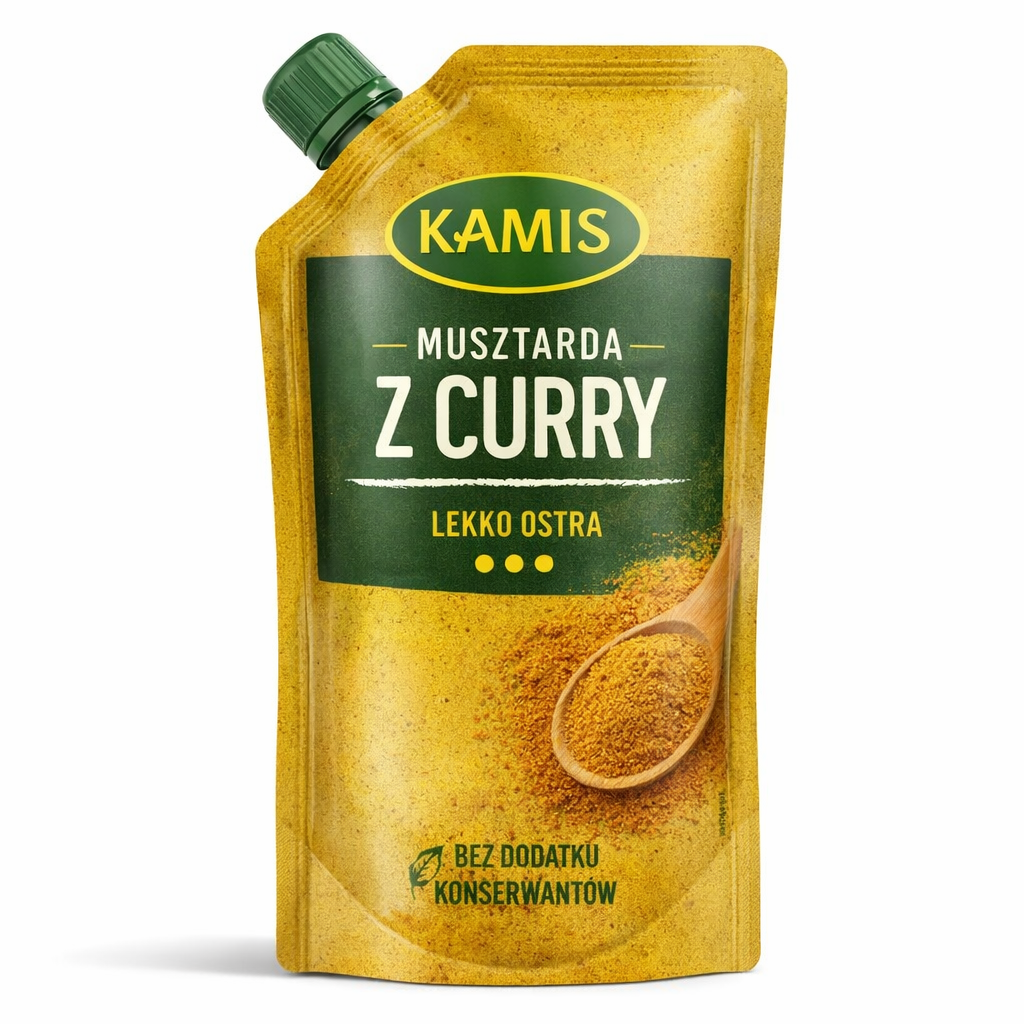
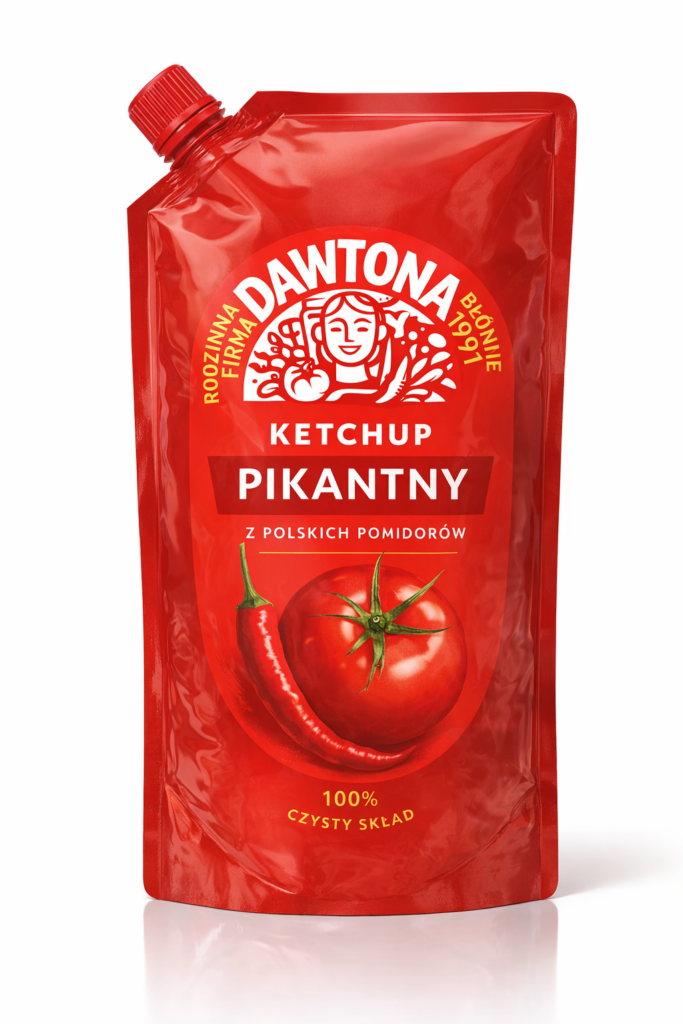
  • What else can you pack in a pouch?

    Visiting a store this week, I saw the first real sign of spring in FMCG: BBQ displays are back.
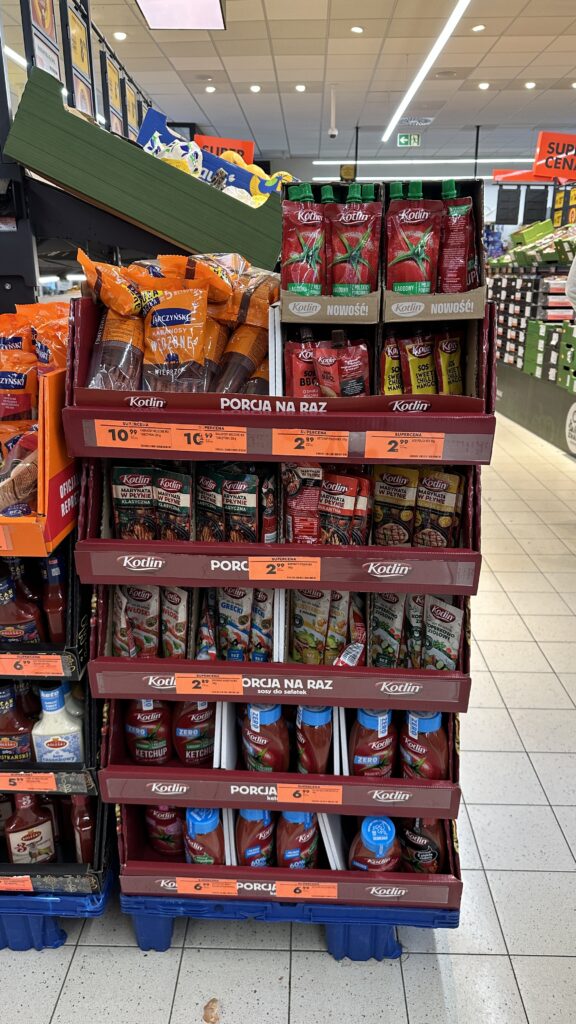
    But something specific here caught my attention.

    We are witnessing a shift from family-size formats to single-occasion packaging.

    Think about a typical BBQ setup:

    • paper plates, cutlery
    • sauces
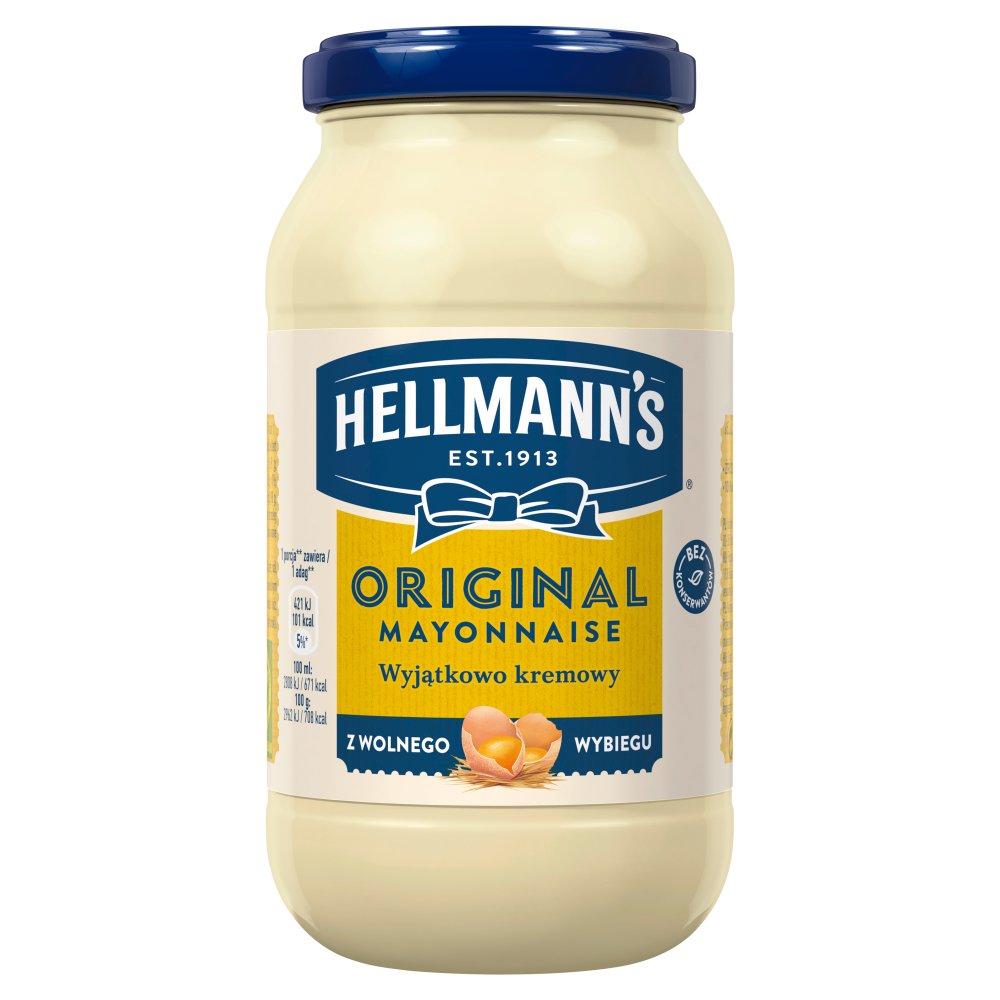
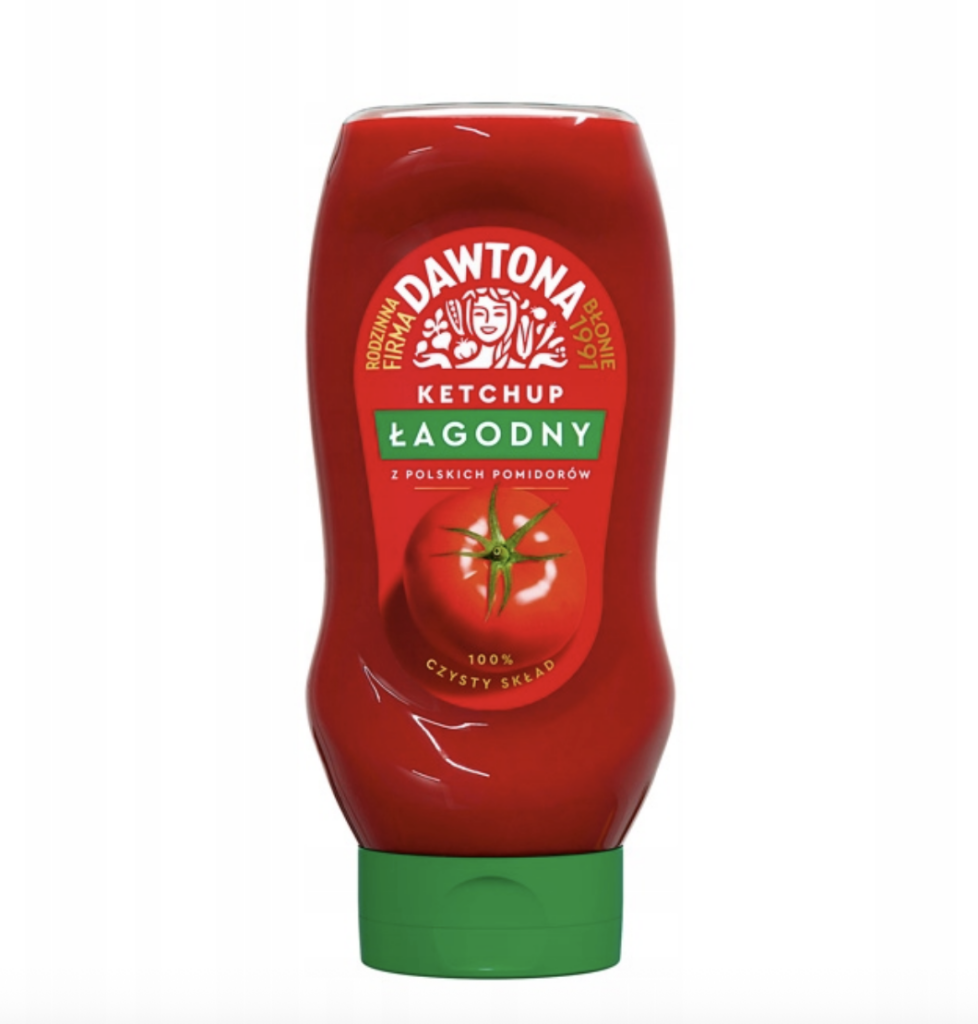
    • a large jar of mayonnaise, mustard and a bottle of ketchup, a BBQ, barbecue sauce, Thousand Island dressing…

    Imagine the last point. All those jars and bottles.

    It is heavy to carry it. It is expensive one-time-cost – inflating the bill of BBQ.

    After party is over the question come- who takes the leftovers home? No one wants it, no one feels comofrtable to put it into trash.

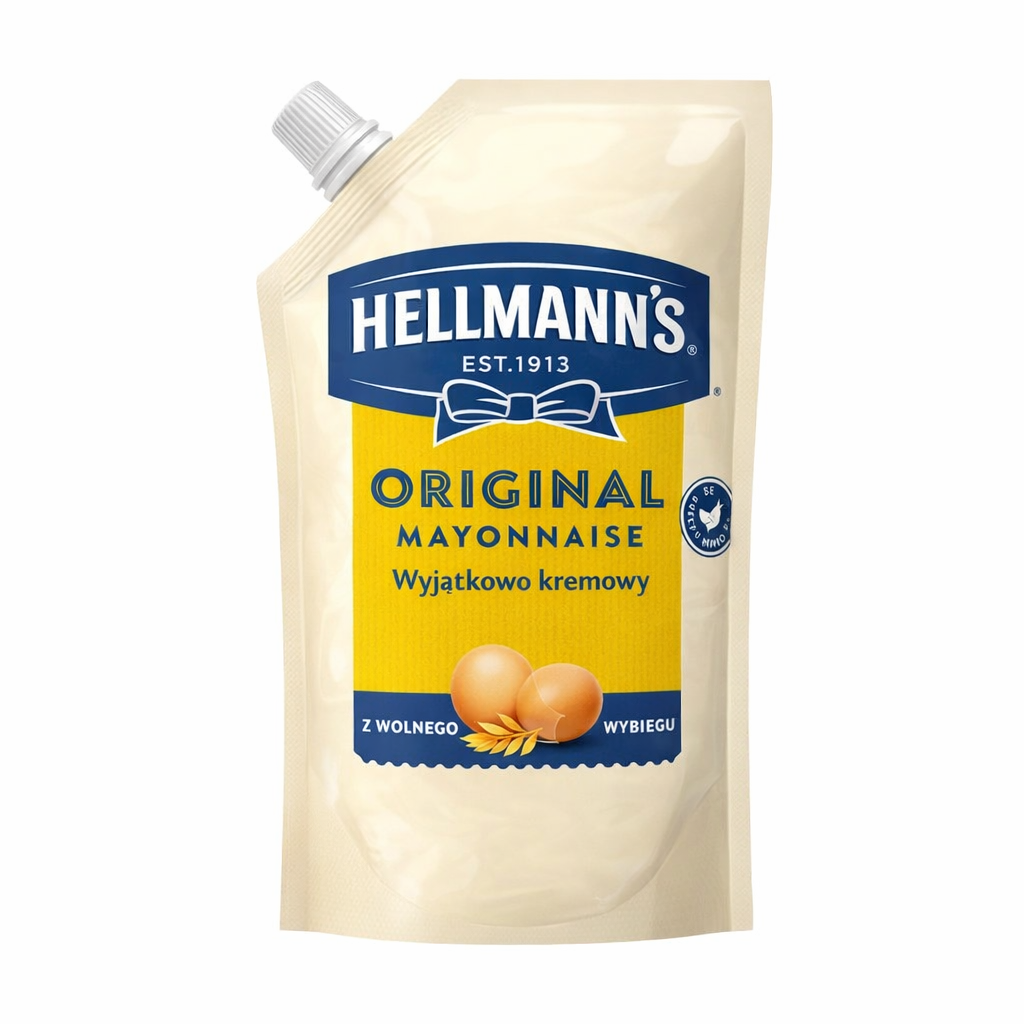
    500g ketchup suddenly becomes a problem, not a solution. It’s inefficient, wasteful. This is where pouches come in.


    UX is quietly winning

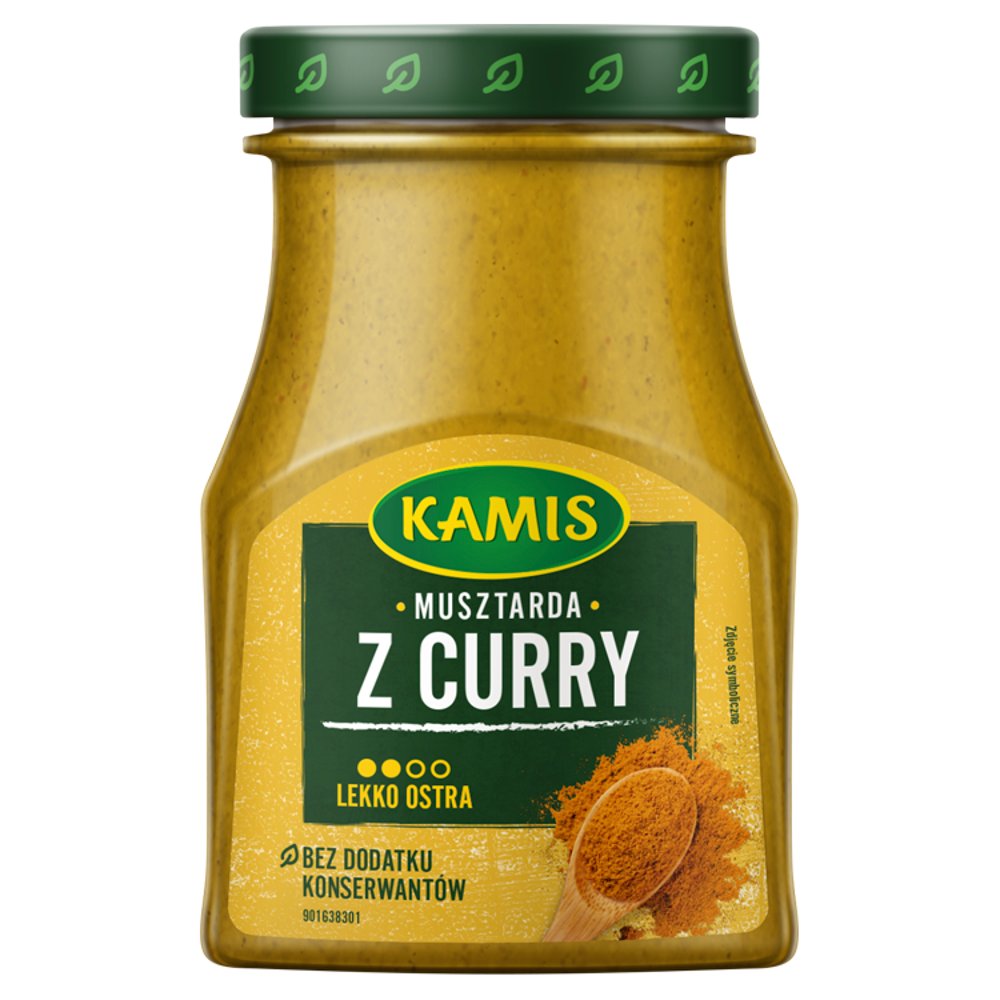
    Traditional rigid bottles are a design from another era.
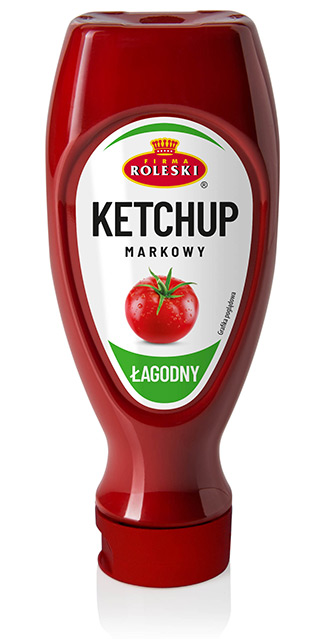
    We all know the moment: the ketchup is “finished”… but not really.
    You shake, you hit, you squeeze — and still leave 10–15% inside.

    Pouches solve this perfectly:

    • full evacuation of product
    • intuitive usage (like toothpaste)
    • no frustration at the end

    It’s not just packaging.
    It’s experience design.

    And in FMCG — UX is becoming king again.


    BBQ is just the beginning

    Single-use or single-occasion pouches make perfect sense for:

    • ketchup, mayo, sauces
    • marinades
    • oils & dressings

    They remove friction:

    • no leftovers
    • easy cost-sharing
    • less waste
    • light to carry
    • spoon not needed

    This is not just convenience.
    This is context-based packaging — designed for the moment of use.

    Asia already figured it out

    Travel a bit, and you’ll see how far this can go.

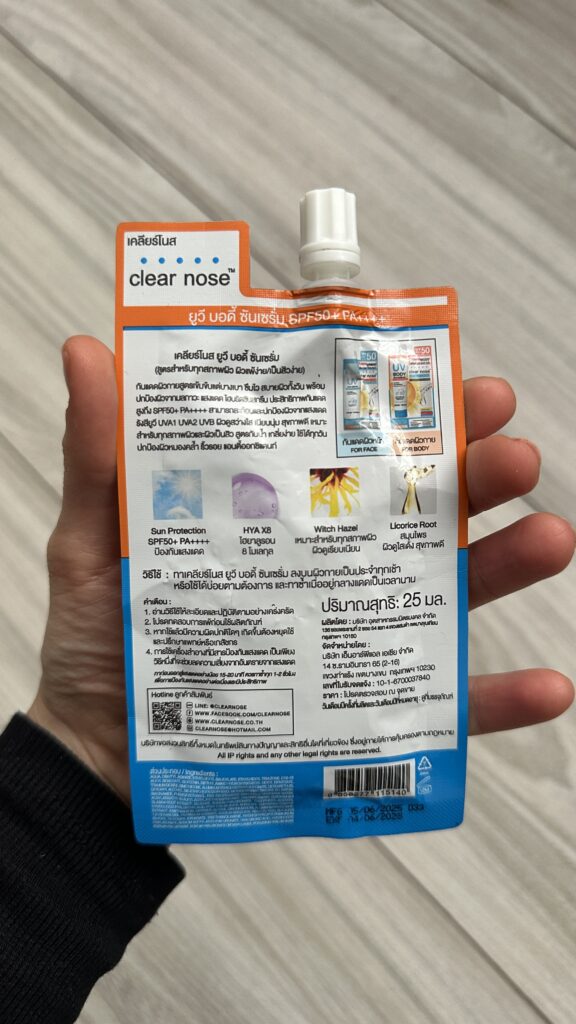
    In many Asian markets, pouches are not a niche — they are a default format, especially in cosmetics.
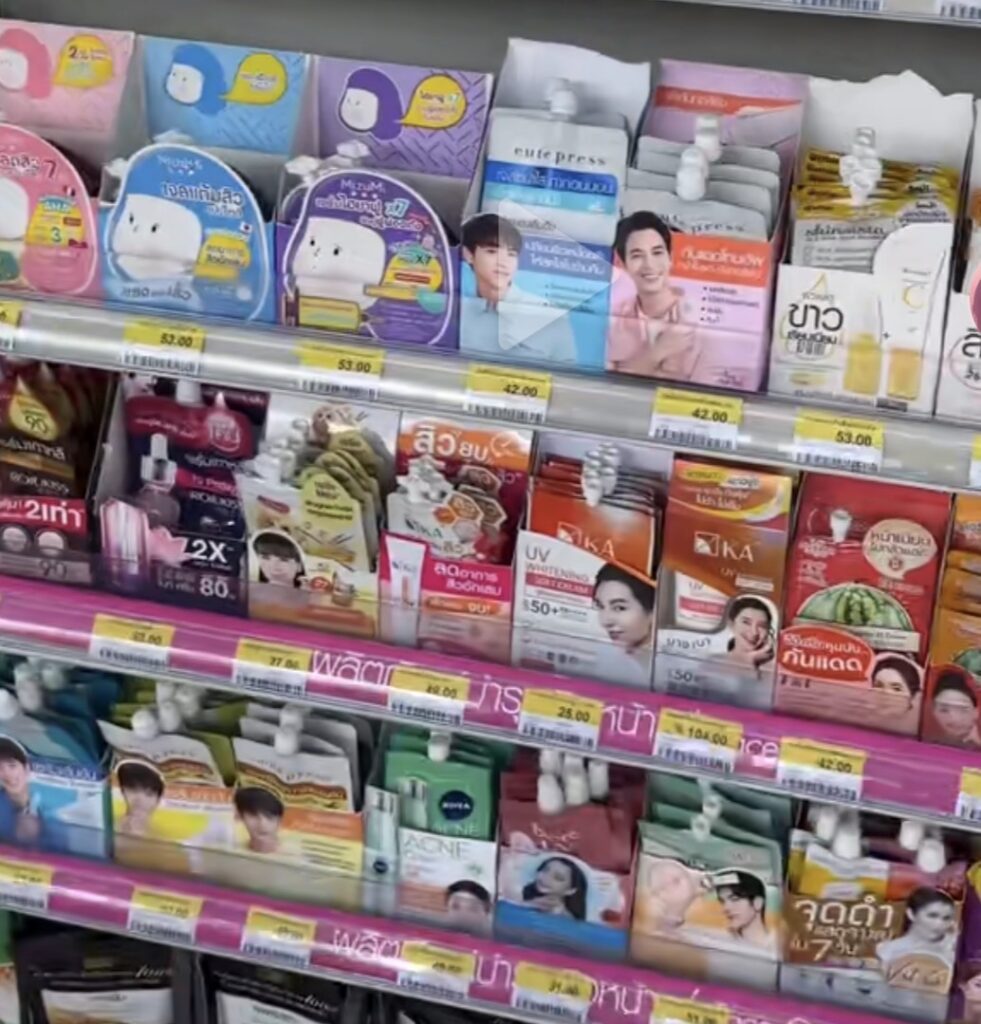
    Seven Eleven Store

    And this is where it gets really interesting.

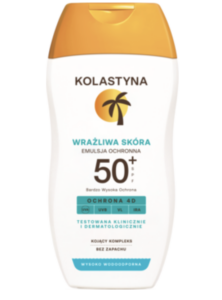
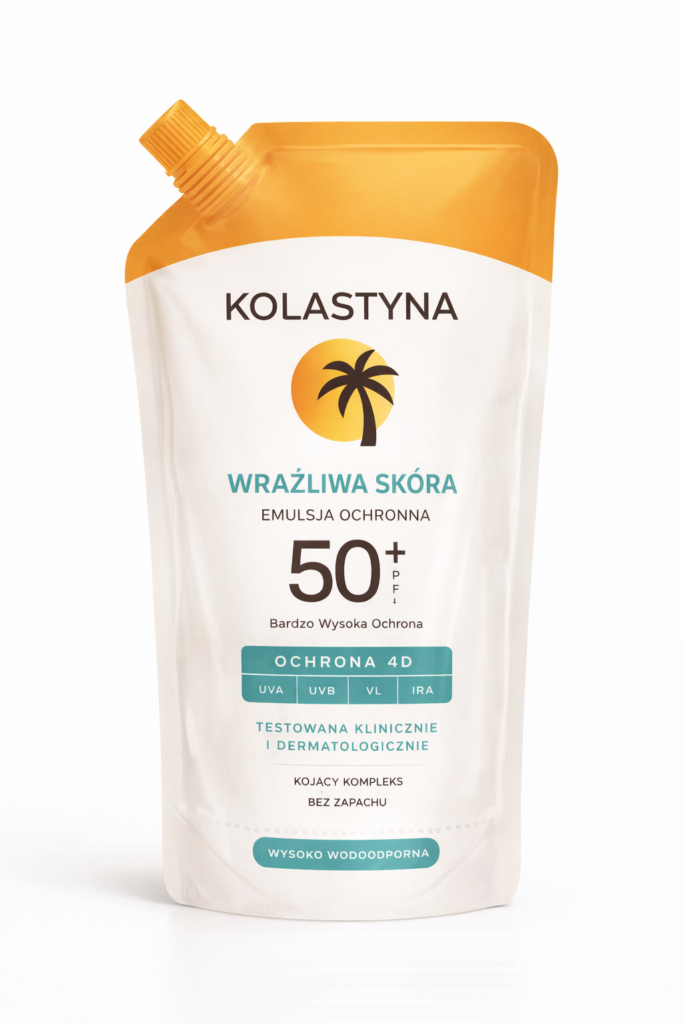
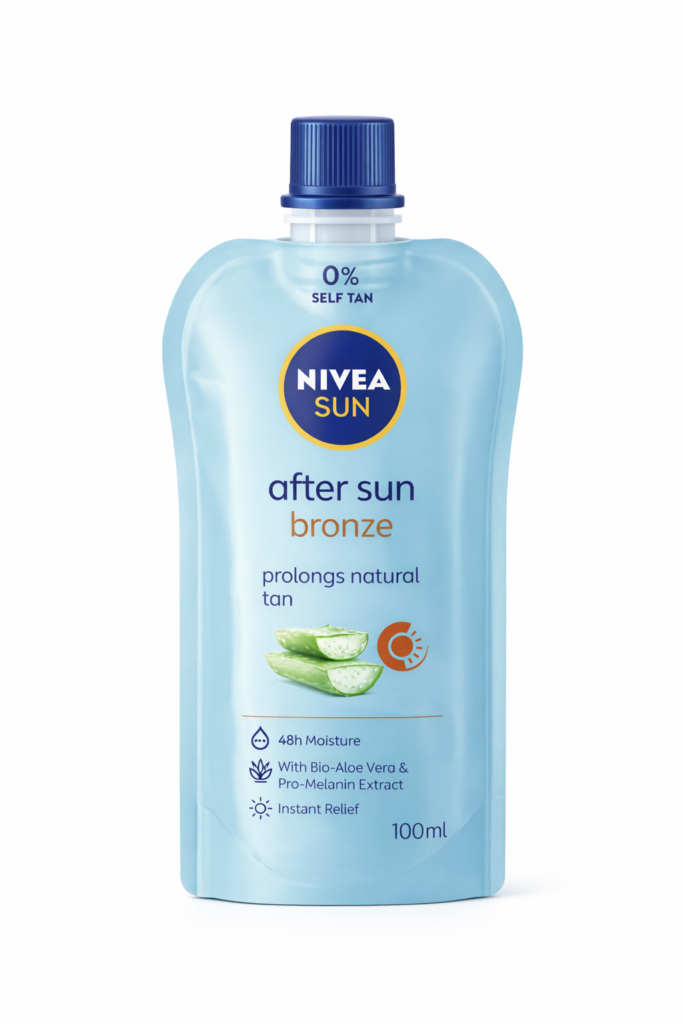
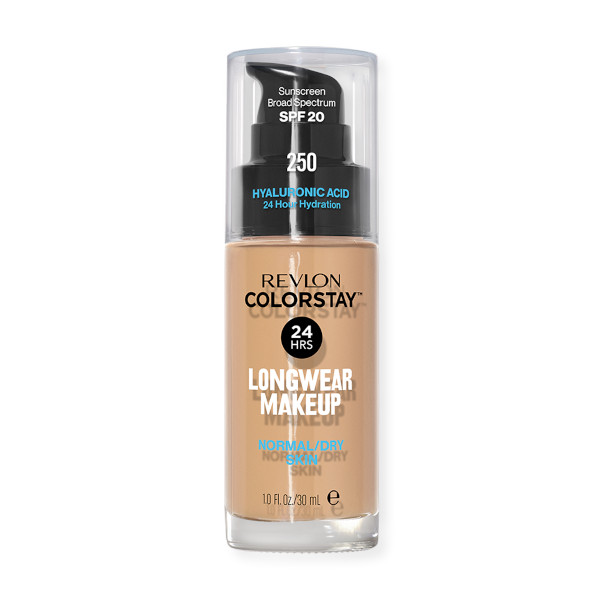
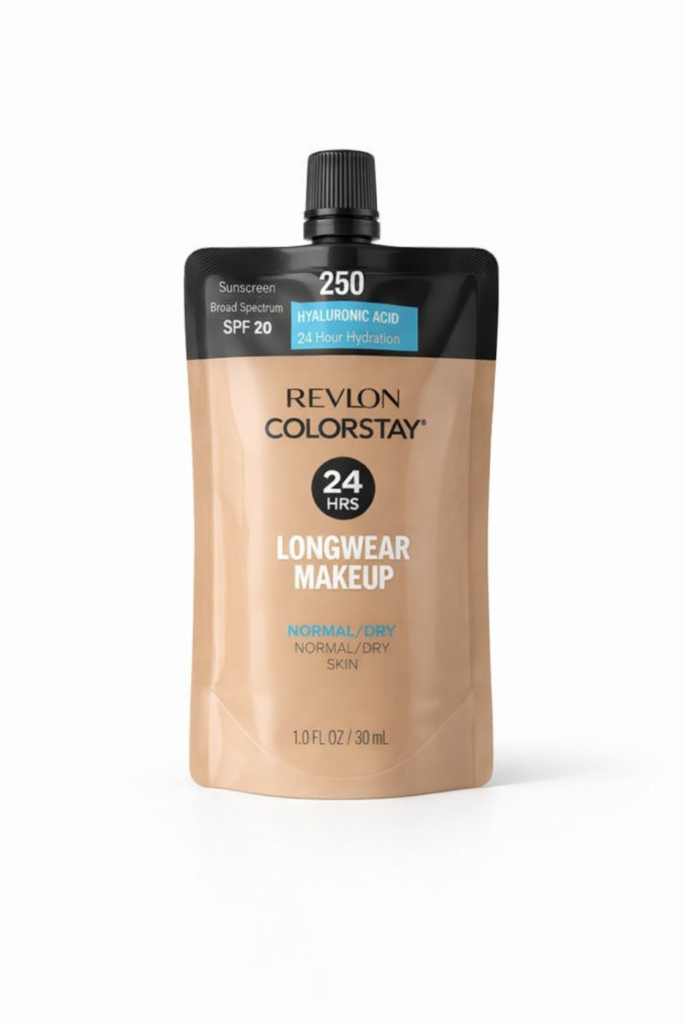
    My personal favorite example: SPF cream in a pouch.
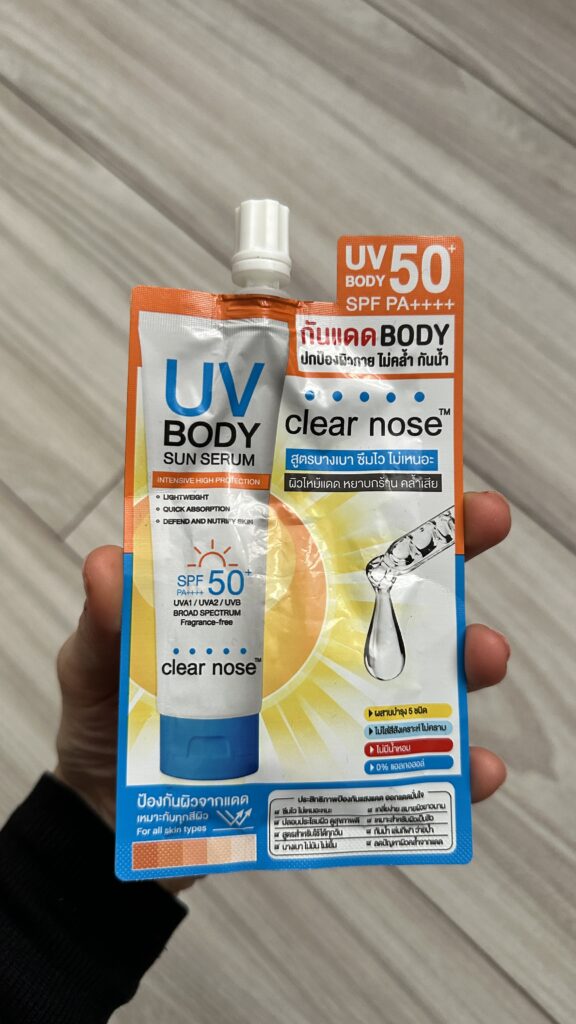
    Why it works:

    • zero leakage risk
    • lightweight
    • flexible — fits anywhere
    • perfect for daily carry

    It removes the biggest barrier to usage: inconvenience.

    With such product something annoying (carrying heavy bottle of SPF protection) becomes less friction act (small product that I can always have with myself and protect skin).

    And that’s the real job of packaging.


    Poland: strong in food, early in beauty

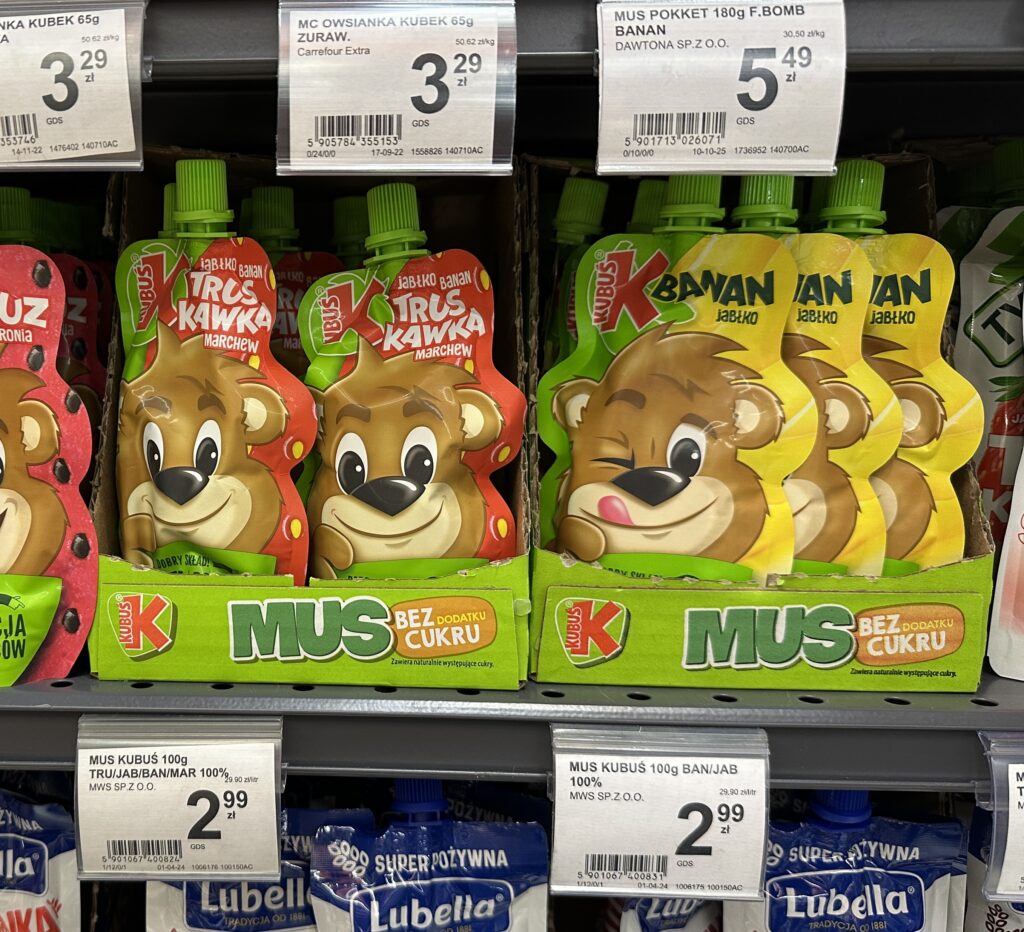
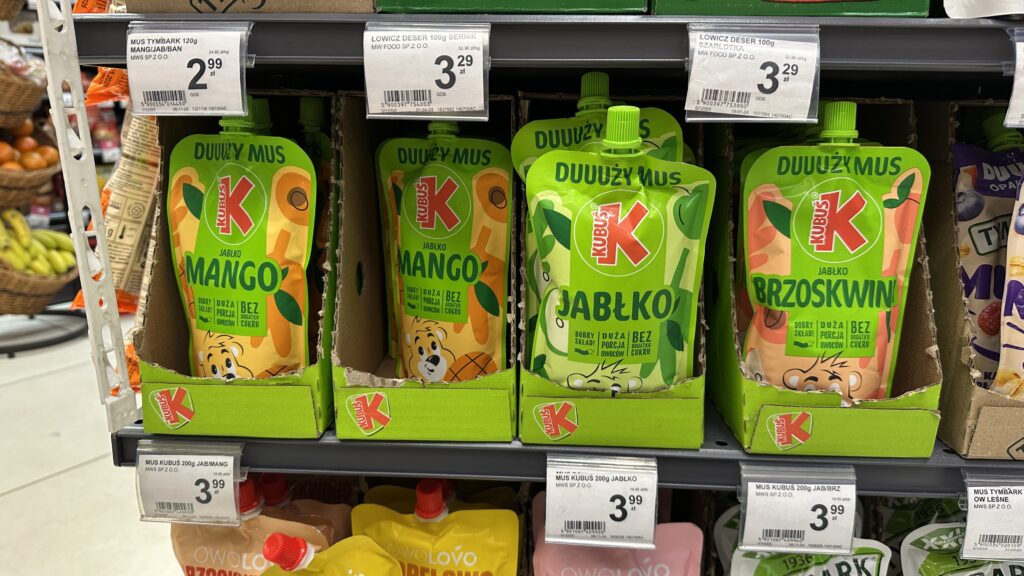
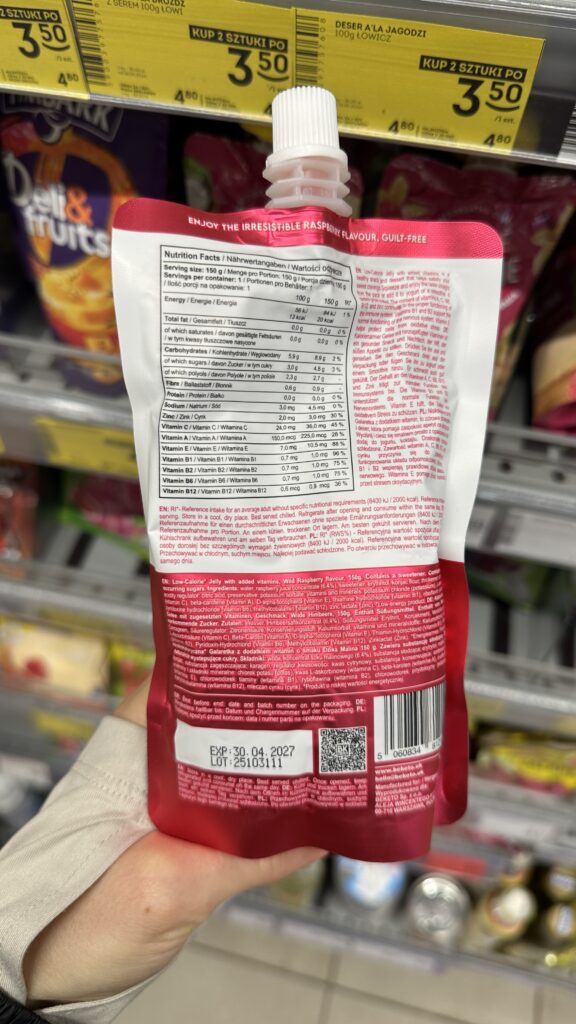
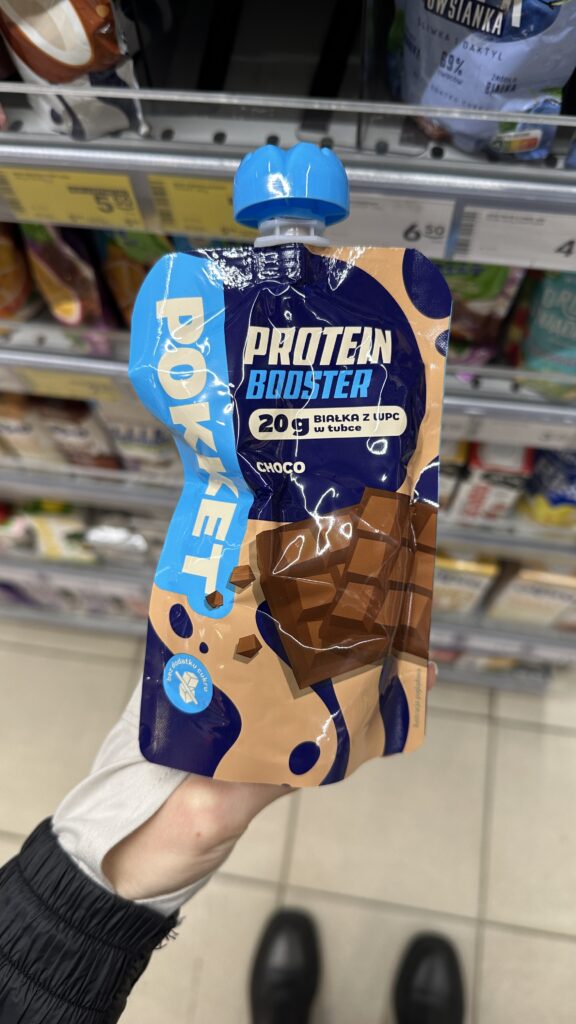
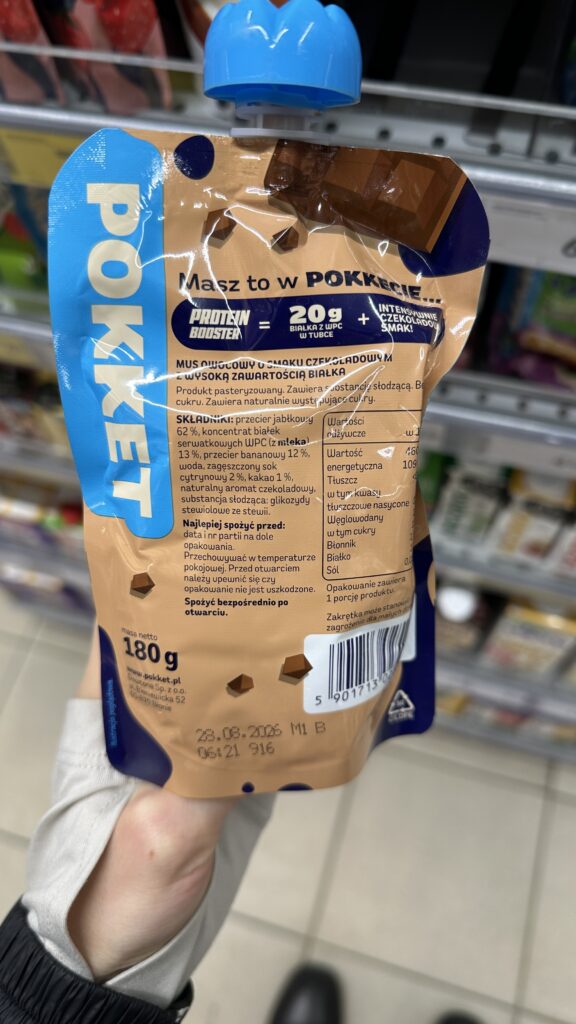
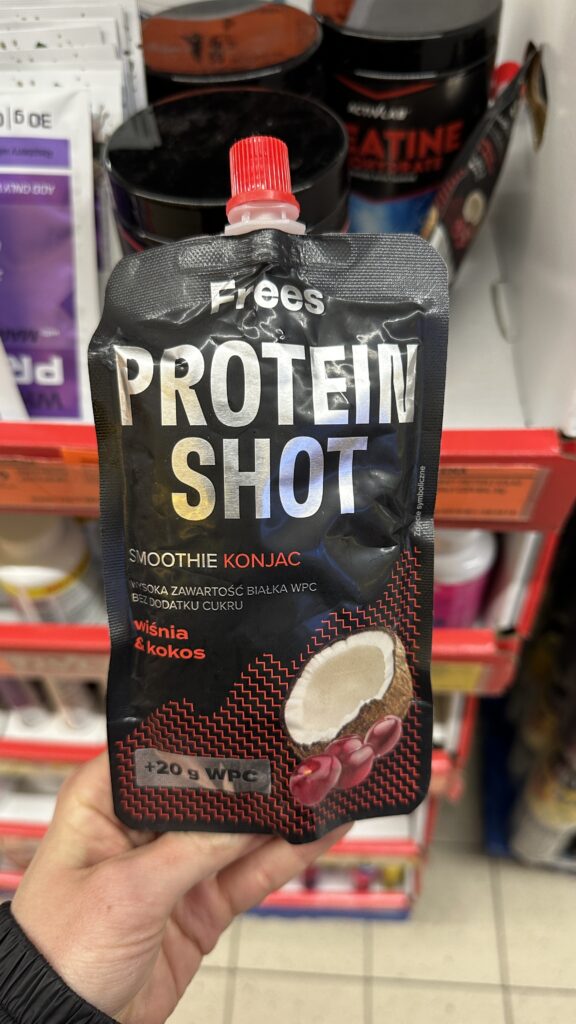
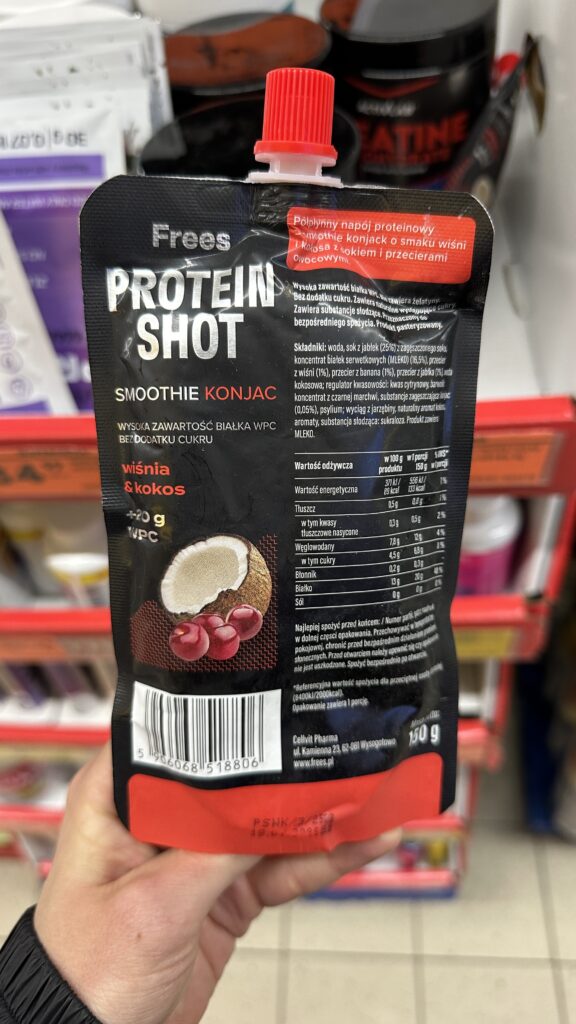
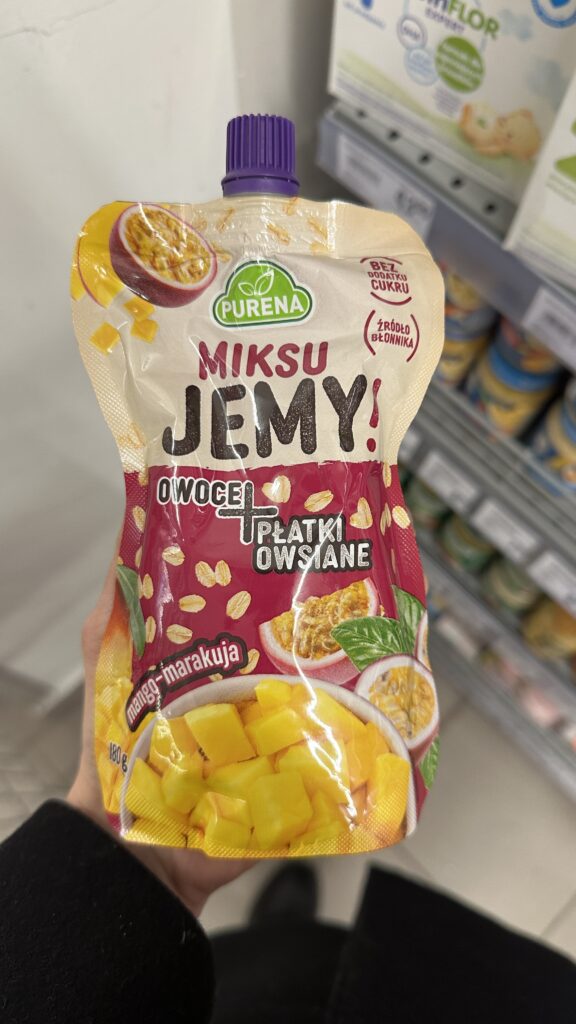
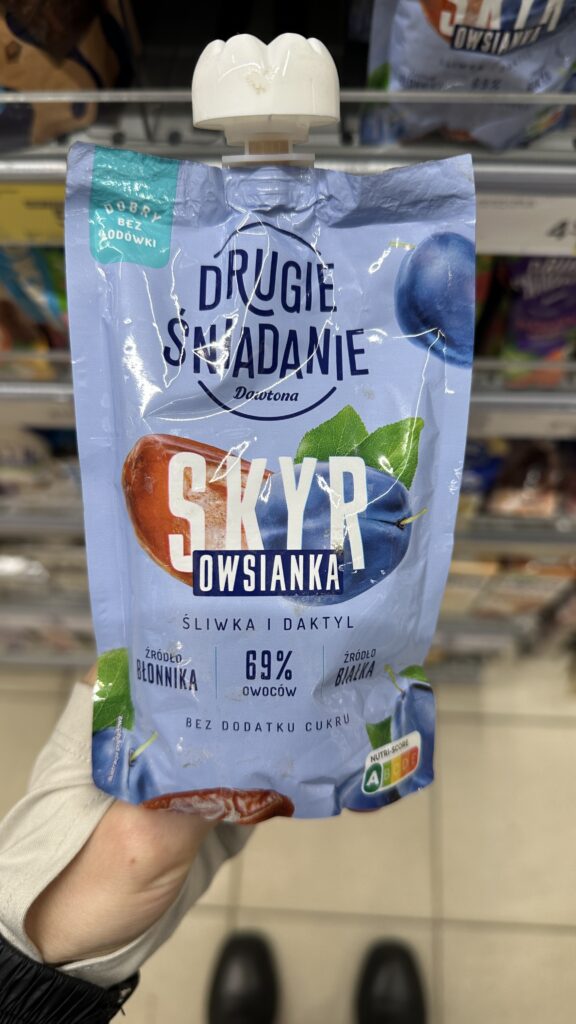
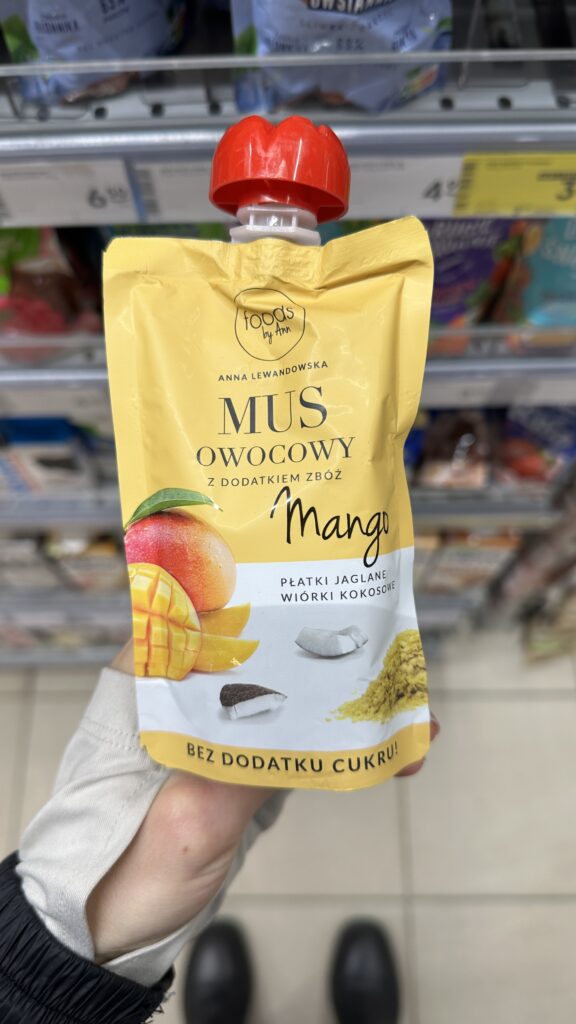
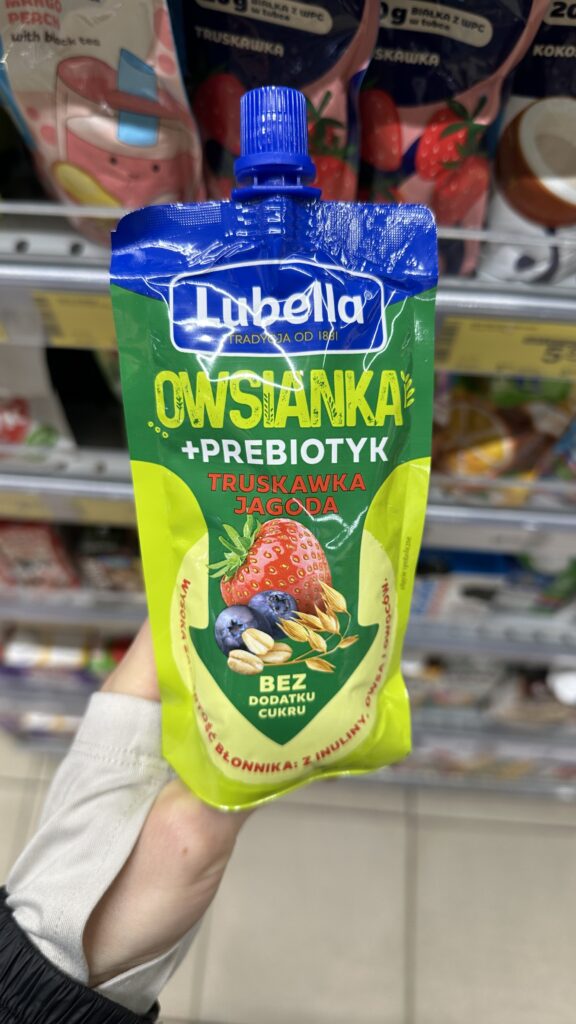
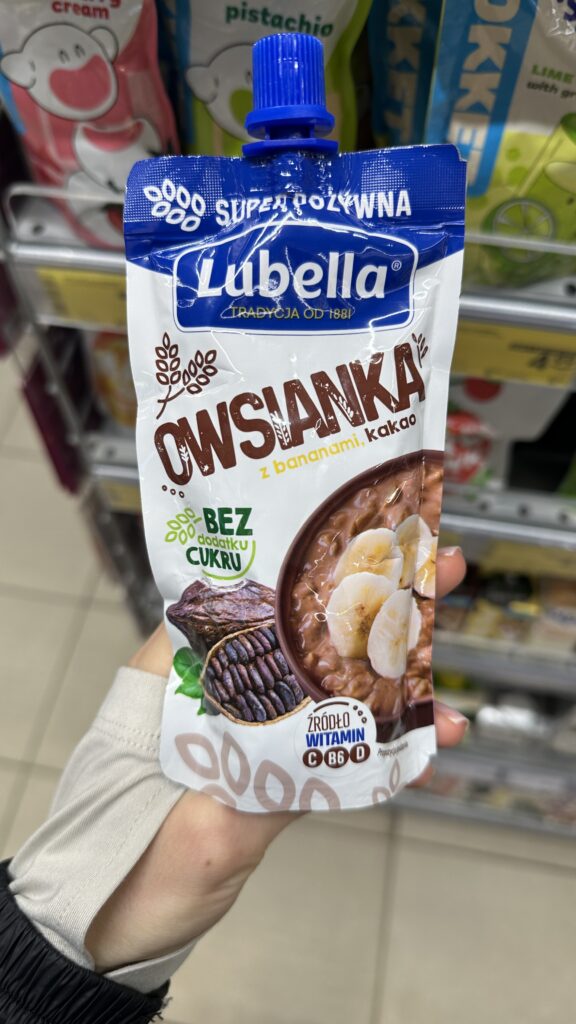
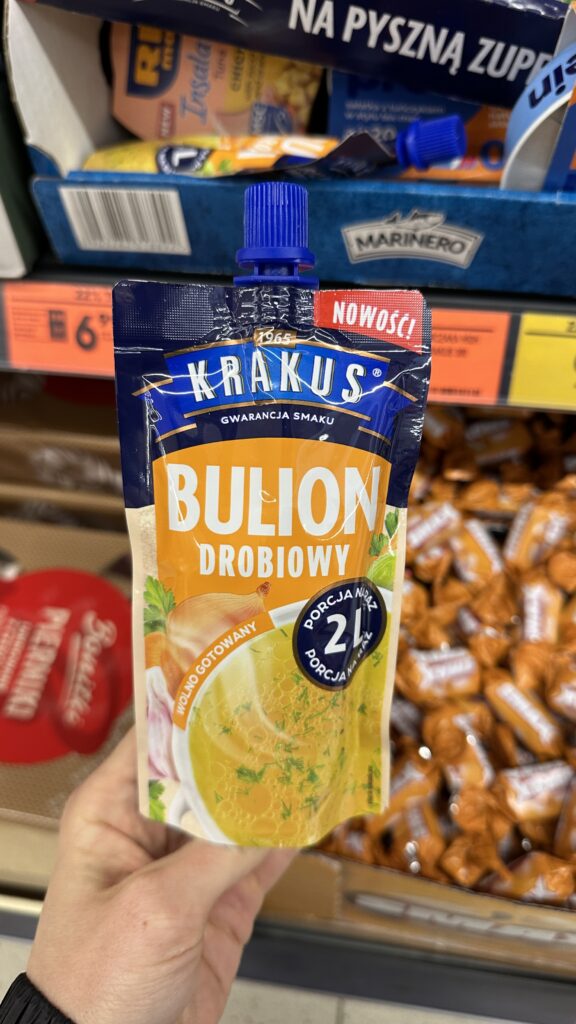
    Poland is already quite advanced in food pouches:

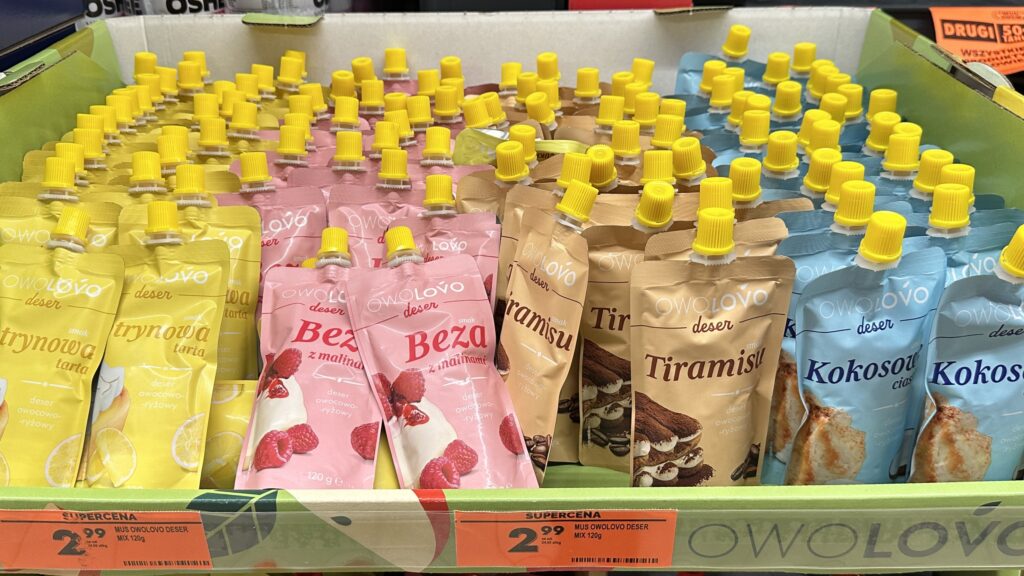
    • kids snacks & fruit mousses
    • dessert-inspired products (i.e. Tiramisu, Pavlova)
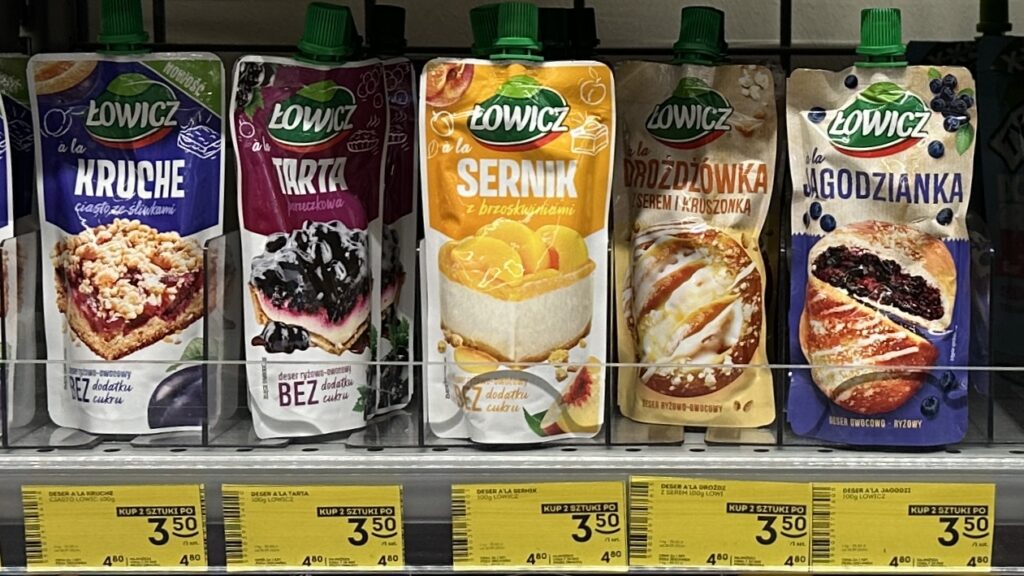
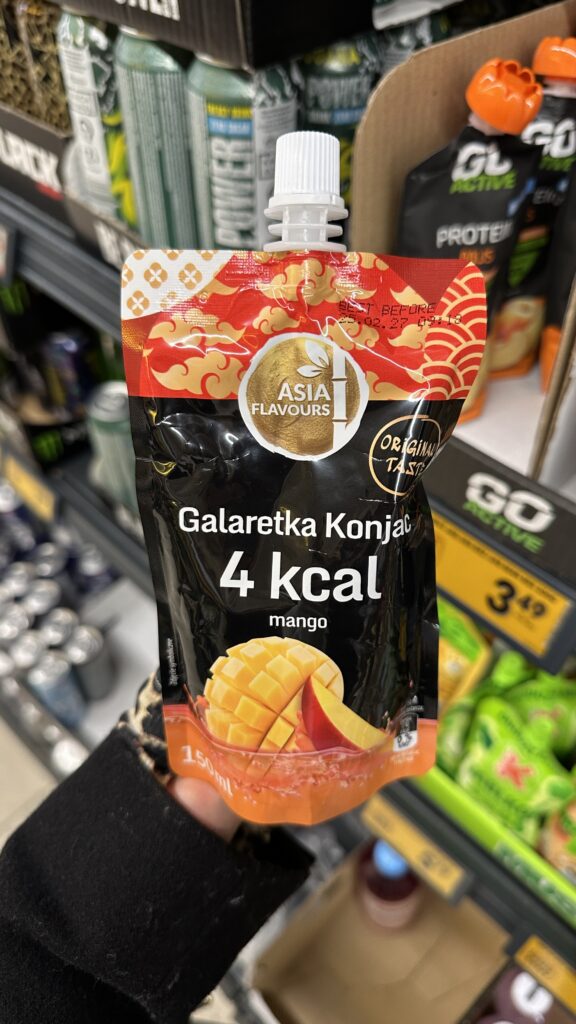
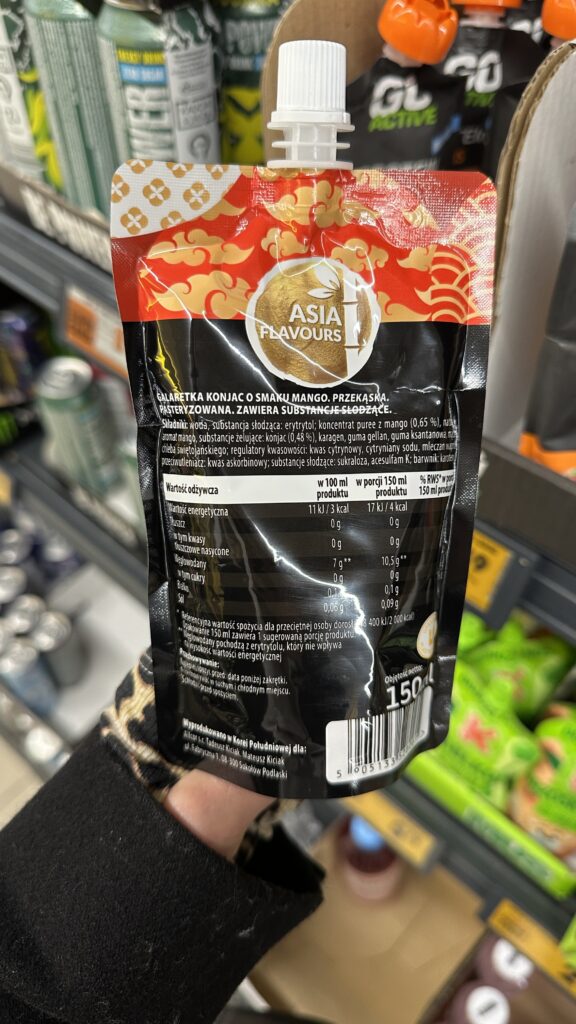
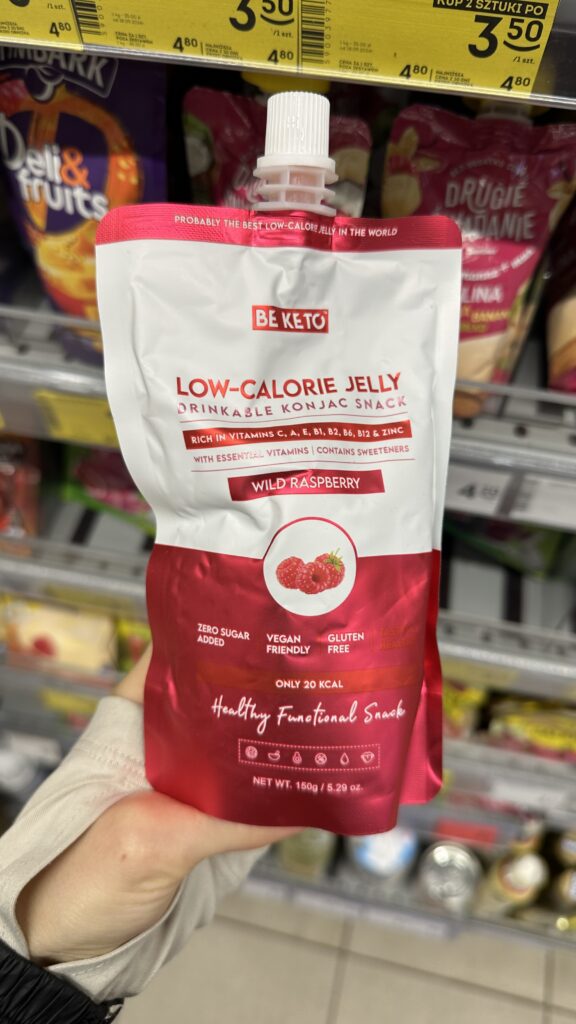
    • “zero” calorie snacks
    • protein products
    • oatmeals, skyr, yoghurts
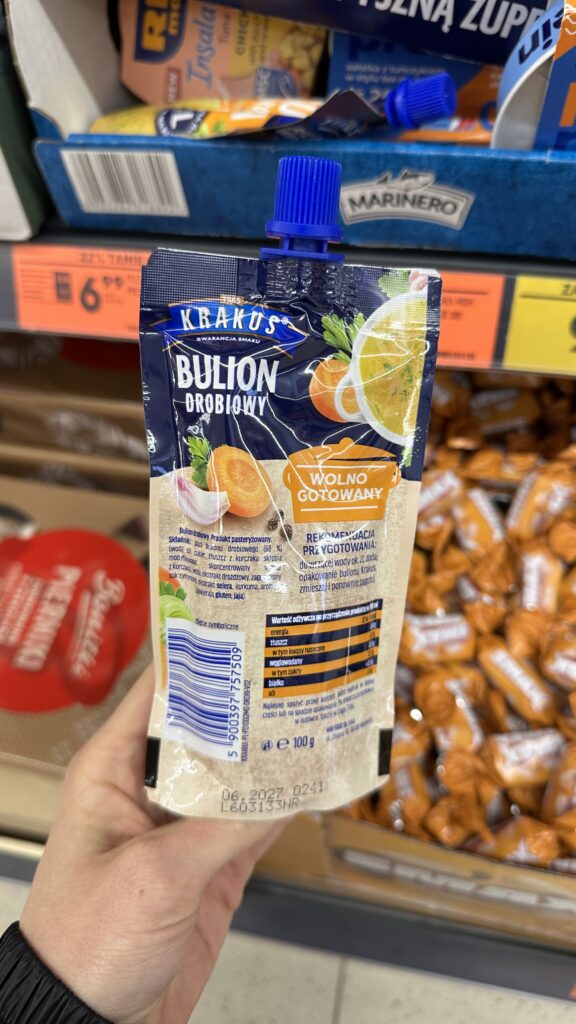
    • even soup bases (a very smart replacement for stock cubes)
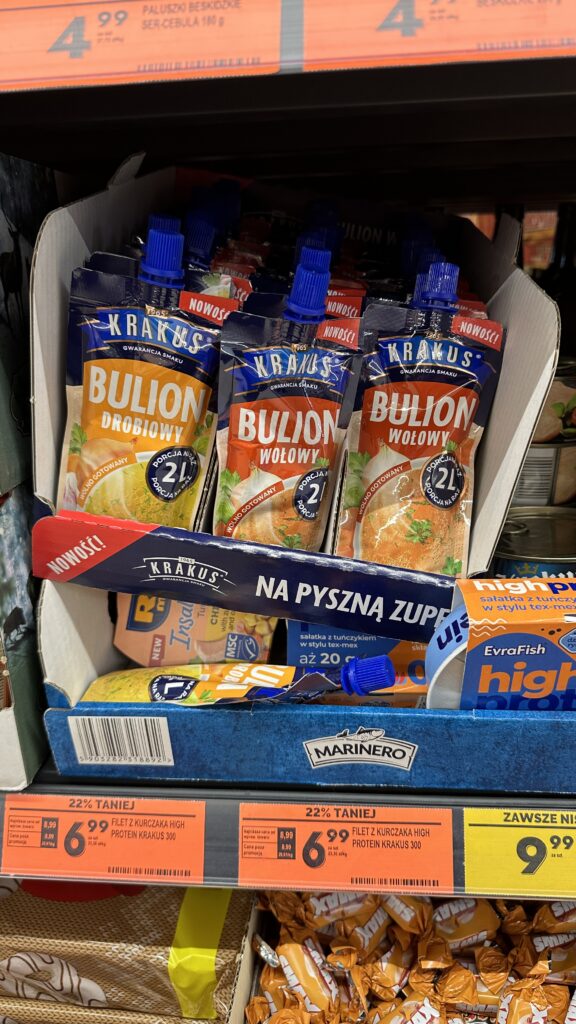
    But in beauty & personal care?

    We are still at the very early stage.


    The real opportunity

    The first brands that move into pouches in cosmetics will win disproportionately.

    Why?

    Because the format delivers on all modern consumer tensions:

    • mobility
    • convenience
    • waste reduction
    • portion control
    • emotional ease (no mess, no risk)

    Low cost of entry.
    High perceived innovation.


    So… what else can you pack in a pouch?

    Almost everything that:

    • is used on-the-go
    • creates leftovers
    • suffers from poor dispensing

    From sauces…
    to skincare, makeup…
    to functional nutrition.

    The format is ready.

    Now it’s about who moves first.
  • From Commodity to Craft – Can every “basic” product become “premium”?

    The answer is a resounding YES.

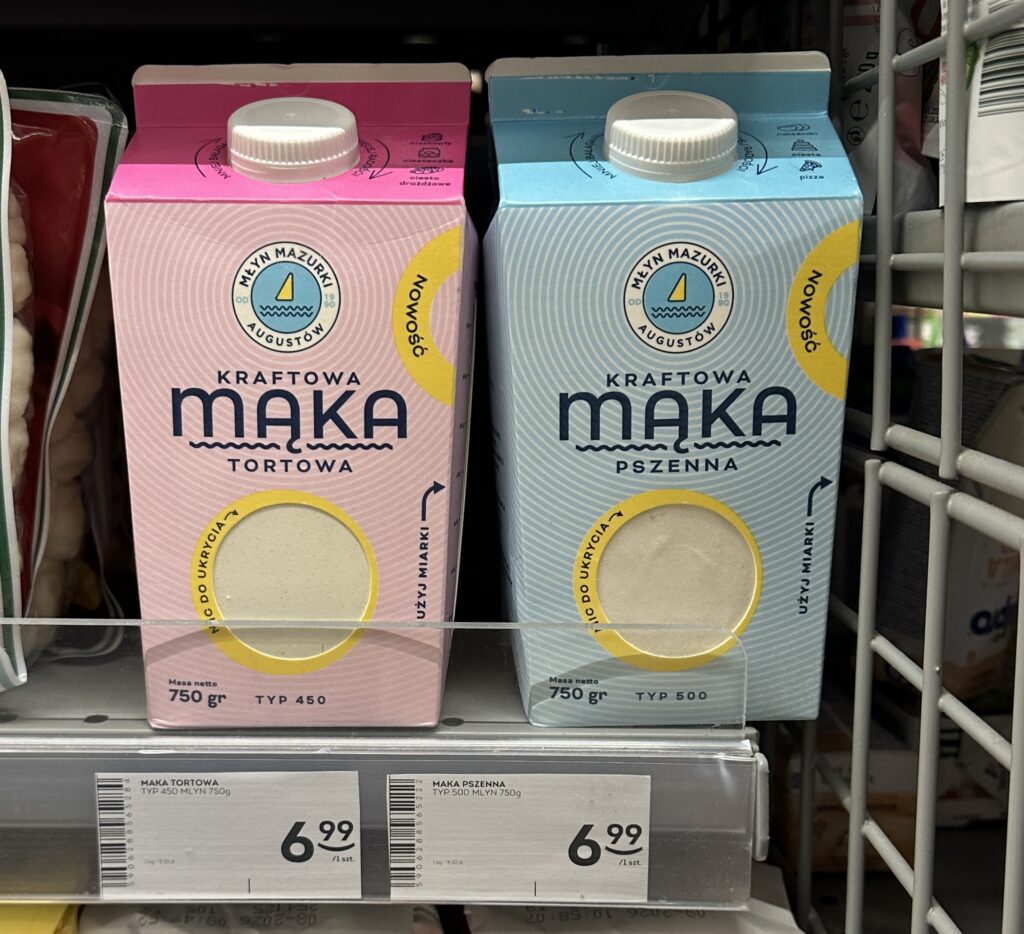
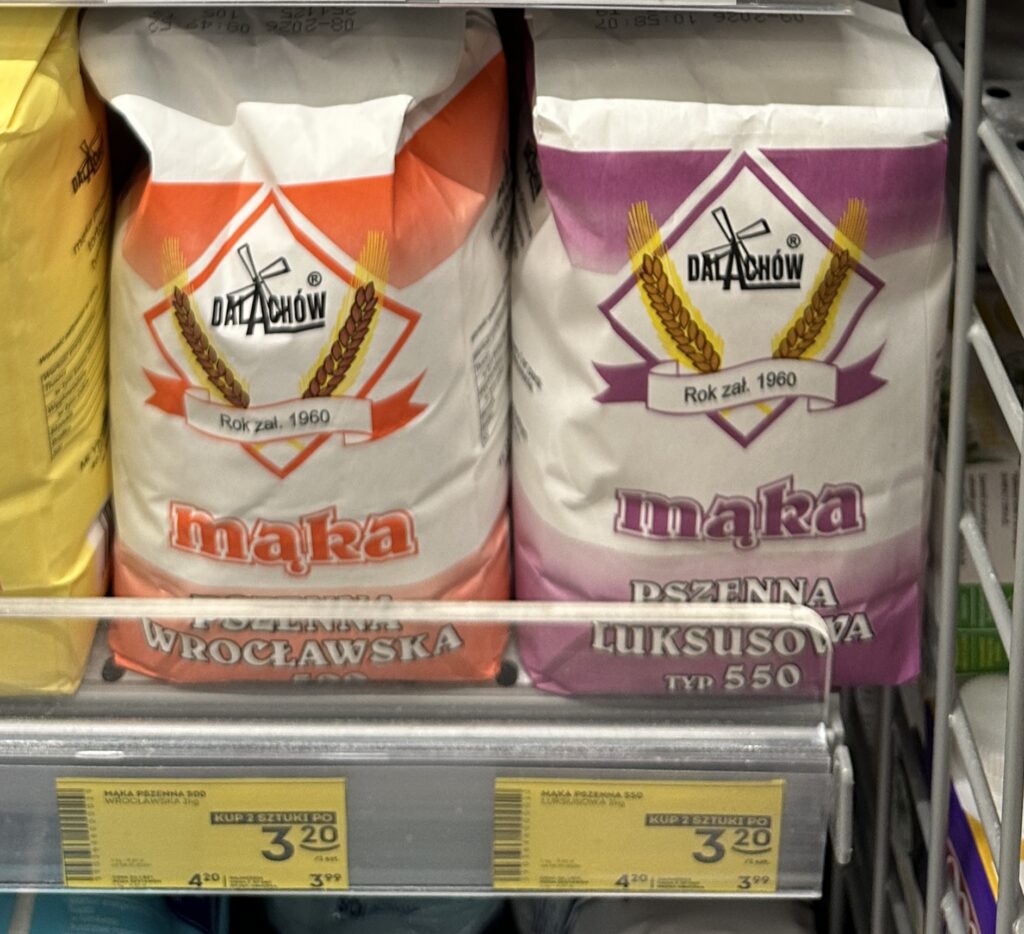
    Walking the aisles today, I spotted a perfect example: basic flour transformed into a “crafted” essential for culinary enthusiasts.

    If you’re a foodie aiming for that perfect Neapolitan pizza or a delicate sponge cake, you don’t want just flour; you want a premium ingredient that respects your craft.

    Battle: Standard Flour vs Premium Flour

    Let’s look at the hard-comparison:

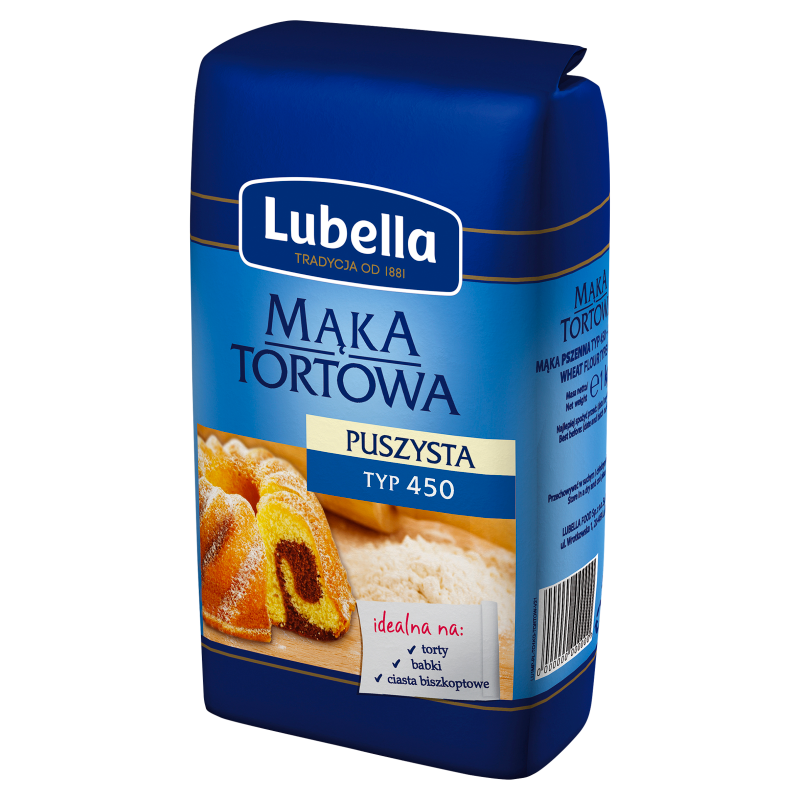
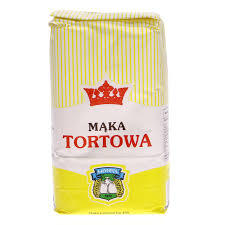
    STANDARD (Młyn Dalachów)

    • Weight: 1kg
    • Price: 3.20 PLN
    • Price per KG: 3.20 PLN PLN/kg
    • Packaging Format: paper bag
    • Convenience: Low – Requires storage container after opening
    • Brand Identity: Heritage, Reliable, Commodity
    • Shelf Impact: Low (Blends with category standard)
    • Target Audience: Price-conscious families, traditional cooks

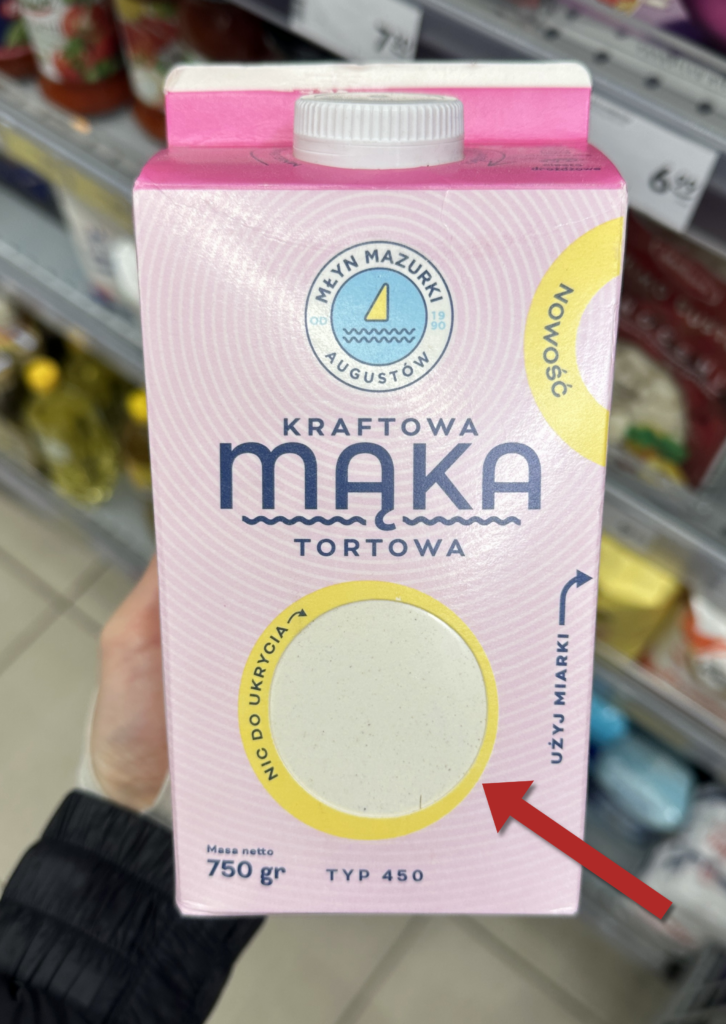
    PREMIUM (Młyn Mazurki)

    • Weight: 0.75kg
    • Price: 6.99 PLN
    • Price per KG: 9.32 PLN/kg
    • Packaging Format: paper bag
    • Convenience: High – Easy to store, easy pour
    • Brand Identity: Modern, Premium
    • Shelf Impact: High (Unique shape/color)
    • Target Audience: Urban “foodies,” hobbyist bakers

    How do you turn an “unsexy” commodity into a foodie’s holy grail?

    It’s all about solving the “pain points” of the traditional shopping and cooking act. Let’s look deeper.


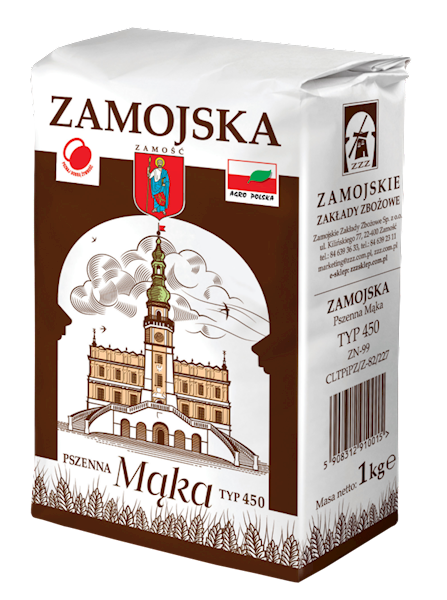
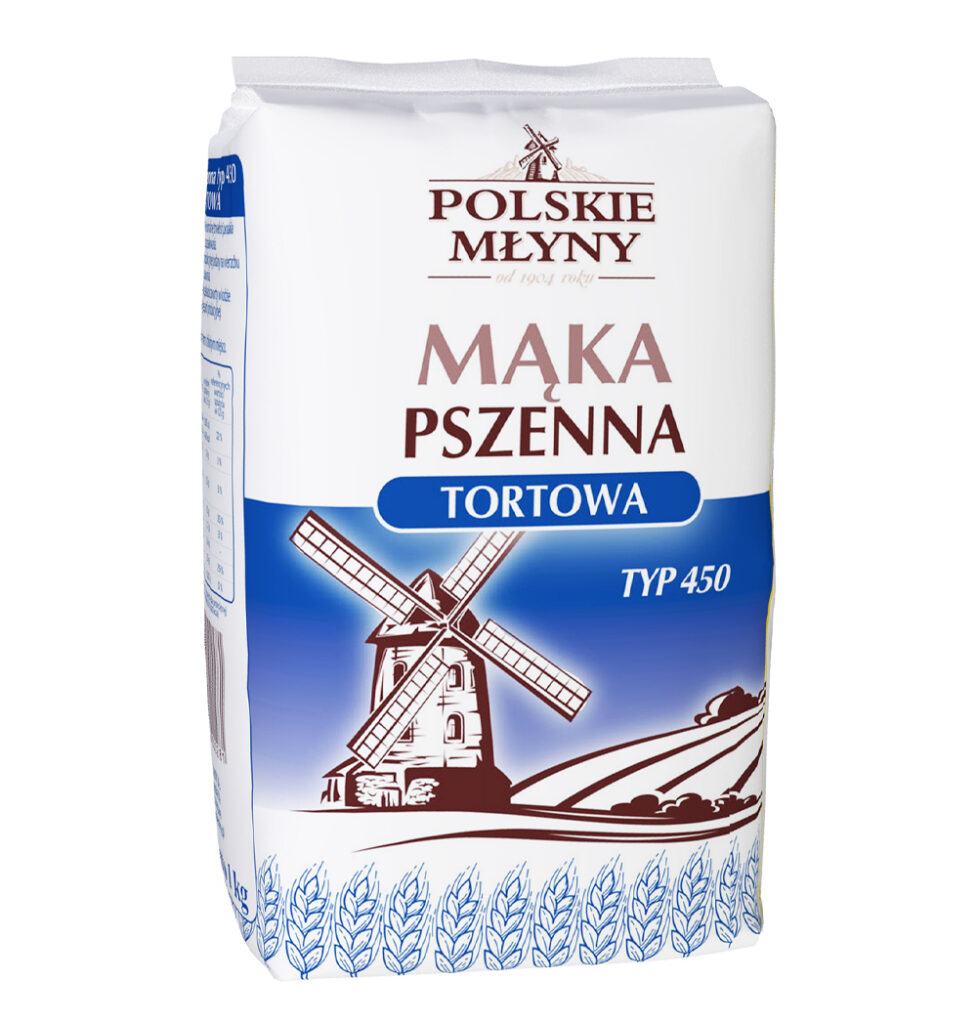
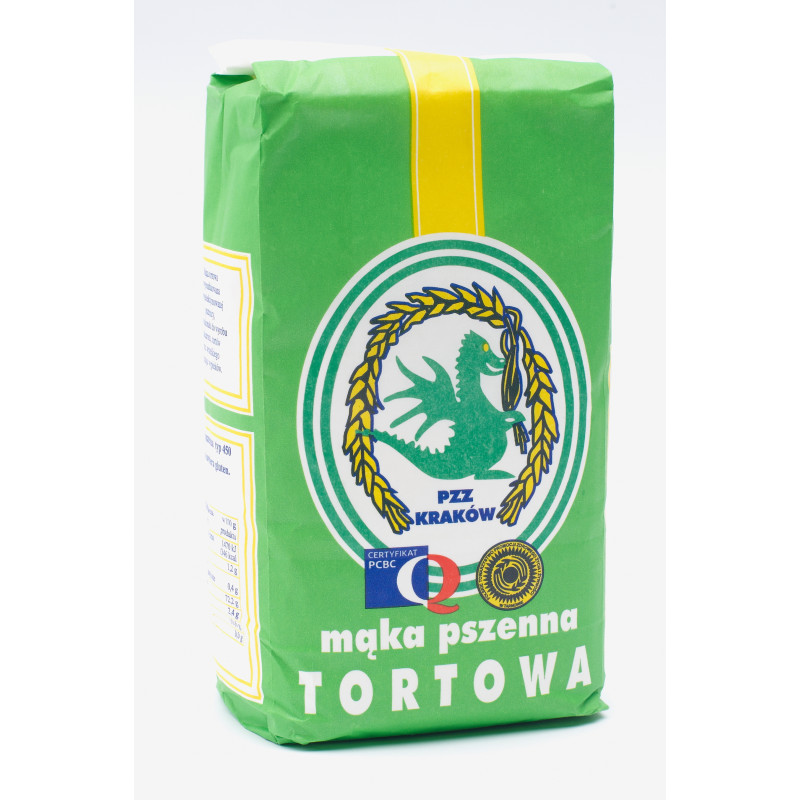
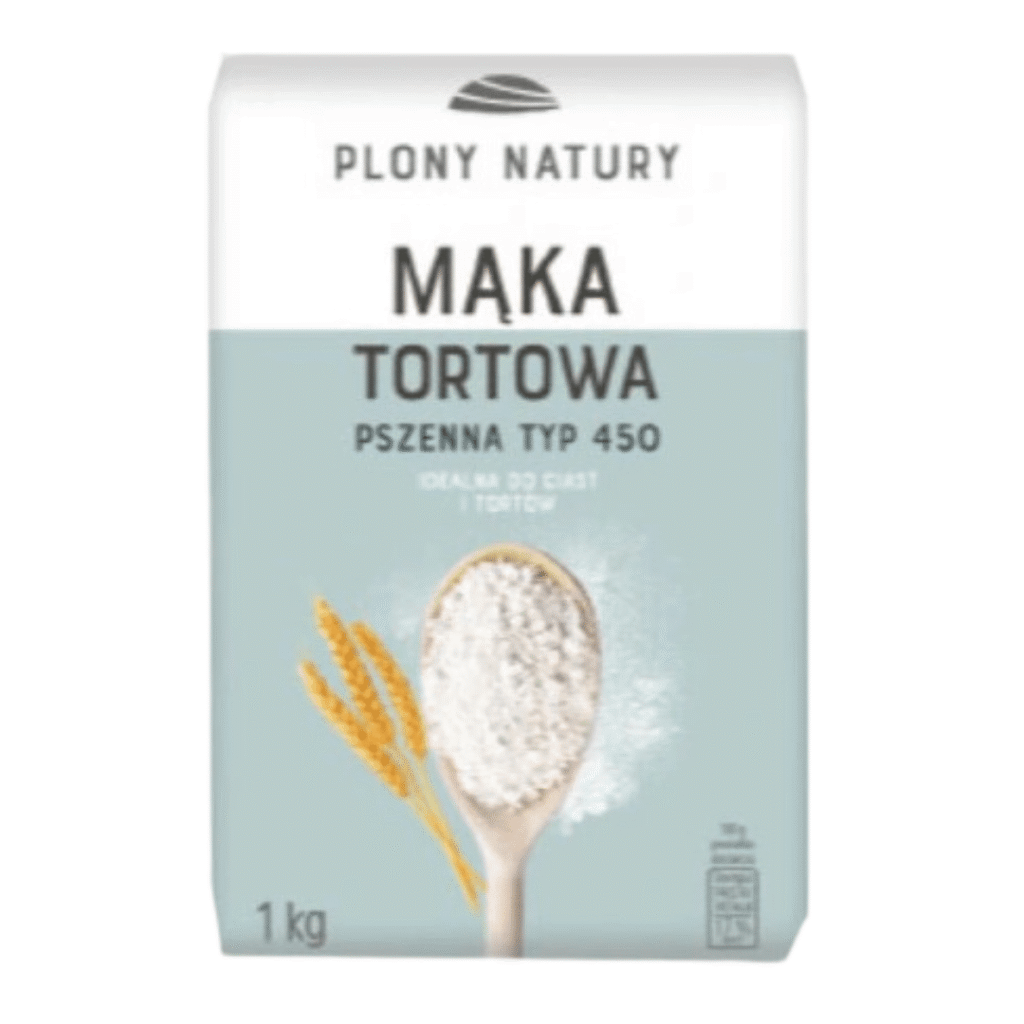
    Visual Identity | While most competitors cling to 19th-century nostalgic illustrations, Młyn Mazurki went bold and modern. The pastel palette and clean typography appeal directly to Millennials and Gen Z.

    Typical Designs of Flour Product:


    The “Trust Window“| By including a transparent circular window on the front, they eliminate the “mystery” of the content. You see the texture and purity before you buy. In a category prone to moisture or pest issues, this is a massive trust-builder.


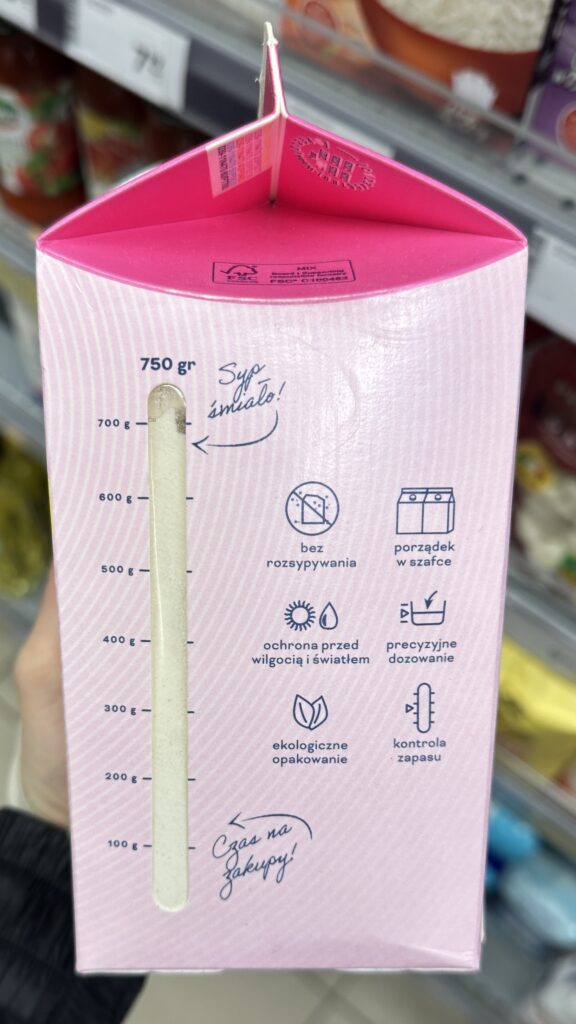
    Tetra Pack – multiple benefits:

    • Precision Pouring – The plastic cap allows for controlled dosing. No more “flour clouds” or accidental spills.
    • The Integrated Scale – The side of the pack features a transparent strip with a weight scale. It’s a genius move for the “weight-scale-less” kitchen.
    • Container itself – It eliminates the need for the consumer to transfer the product into a separate glass jar.
    • Climate Shield – Unlike paper, this packaging offers a barrier against UV light and humidity, ensuring the flour remains its quality.

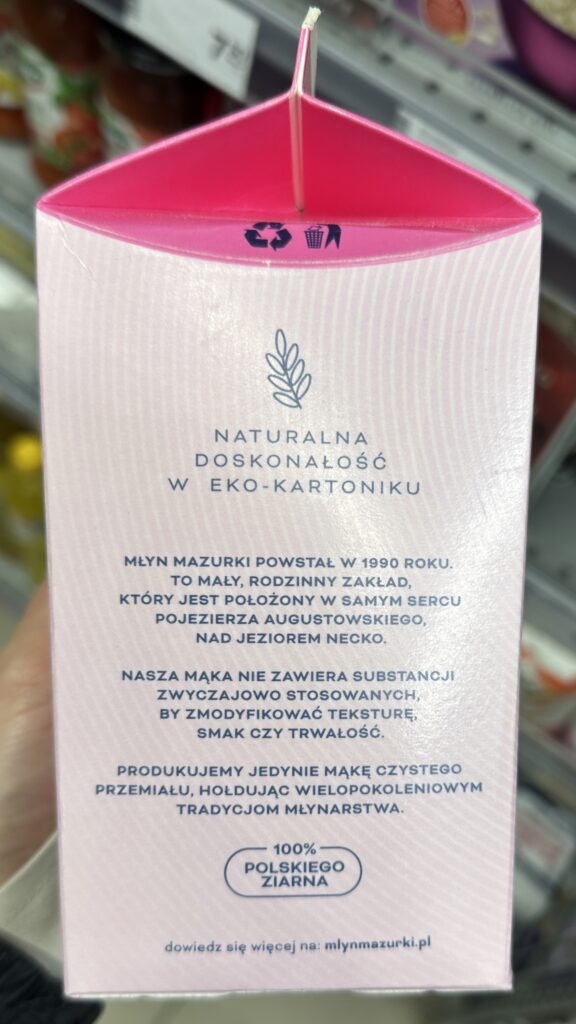
    The “Emotional” Premium | The side panel isn’t just text; it’s a manifesto.

    Producer highlights their location in the heart of the unpolluted Lake District, near Lake. In FMCG, “origin” equals “quality.”

    Company states the absence of artificial substances used to modify texture or taste. Another extra points to prove the quality.

    By usage of eco-carton producer align with the growing consumer demand for responsible packaging, even in the baking aisle.


    Others:

    • Lighter than standard 1kg – At 750g, it’s lighter and more ergonomic for the “occasional baker” or the urban shopper on foot.
    • Clean shopping experience -Traditional paper flour bags often leak, leaving a white trail in the shopper’s bag. This carton is “clean-bag” guaranteed, improving the post-purchase experience.
    • Control BBD – Very easy to control Best Before Date after buying the product as it is printed on the top and visible.
    • Price advantage – format of 750g allows for a more competitive price point compared to a full 1kg premium bag, while maintaining a higher margin per gram (with same margin 1kg product would be 9.32 PLN/kg so in customer rounding this is like 10 PLN)


    Now – Reality Check – Innovation or Illusion?

    While the “Młyn Mazurki” execution is a masterclass in consumer psychology, we must look beneath the pastel surface to see the strategic trade-offs being made.

    1. The Greenwashing Trap & The “Eco” Paradox

    The packaging proudly claims to be an “eco,” but from a circular economy perspective, this is a classic case of greenwashing. While a traditional paper flour bag is 100% compostable and easily recycled in a single stream, a Tetra Top® is a complex multi-layer composite of paperboard, plastic, and sometimes aluminum.

    It is one of the most difficult materials to process in standard recycling facilities.

    By moving from paper to plastic-capped cartons, the brand has actually increased the environmental footprint of the product while marketing it as “natural perfection.”

    1. The “AI Design” Margin Maximizer

    We are entering an era where “premium” aesthetics have a lower barrier to entry than ever before. With the high availability of AI-driven graphic design tools, creating a “modern, minimalist, Gen-Z-friendly” look costs almost nothing in terms of creative overhead. The real innovation here isn’t the art—it’s the format change. By dropping the weight to 750g and wrapping it in a “high-tech” carton, the producer successfully masks a significant price-per-kilo hike. It’s a brilliant enabler to maximize profit margins under the guise of “craft” quality.

    1. The Future of Convenience: The “Middle Ground” Strategy

    This product signals a fascinating shift for convenience stores (Zabka, 7Eleven, etc.). Should these stores focus on “Ready-to-Eat” (RTE) or “Ready-to-Cook” (RTC) premium ingredients?

    The Compromise – This flour represents a middle ground. It’s for the foodie who finds restaurant prices too high but refuses to settle for the low quality of a microwaveable meal.


    Convenience stores are becoming “culinary hubs” for the quality-conscious shopper. Offering premium ingredients in “small-batch” formats (like 750g) allows consumers to create a “better-than-restaurant” meal at home without the waste of bulk buying.

    Final Thought

    Młyn Mazurki has successfully gamified the baking act. They’ve turned a messy chore into a precise, aesthetic experience. It’s a win for the profit margin and the user experience, even if the planet takes a back seat in the process…

  • From Pharmacy to Lifestyle: How Eye Drops Can Become the Next Everyday Ritual?

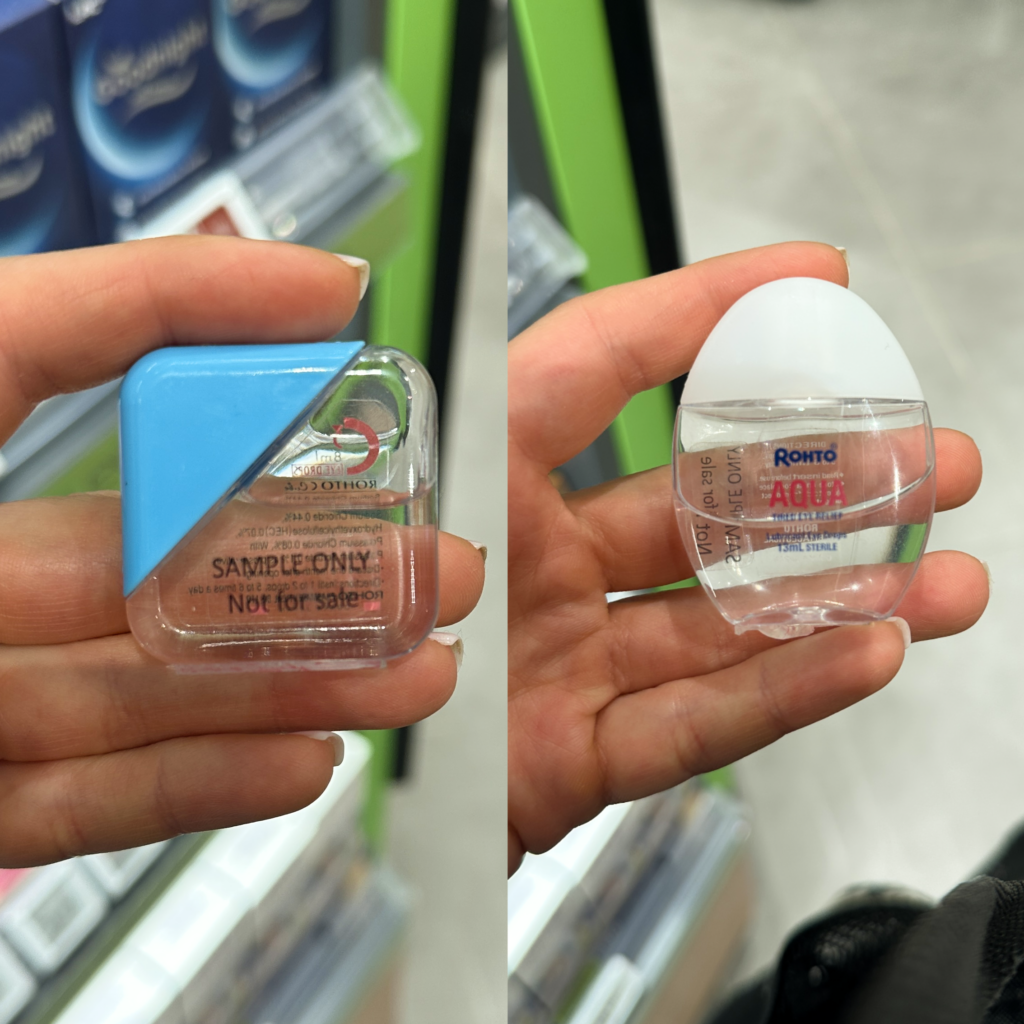
    “Where are the eye drops?” I ask the shop assistant.
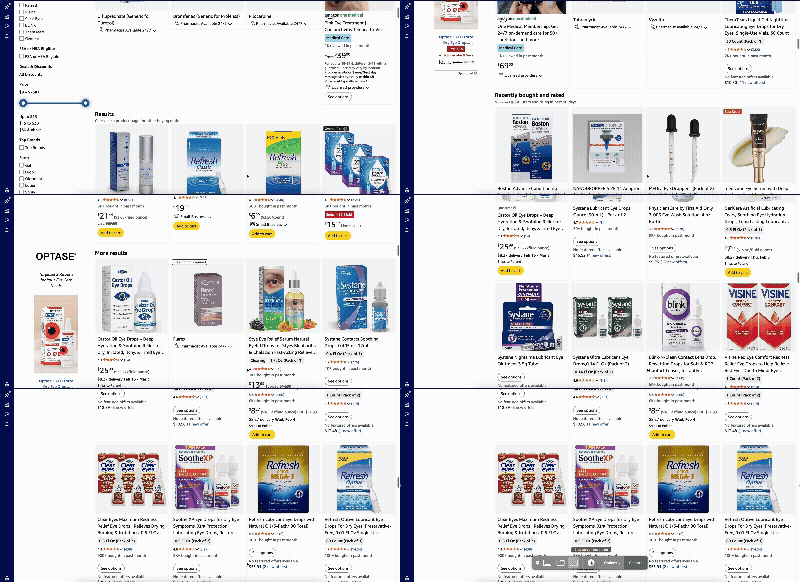
    She smiles, points—and suddenly I realise I’ve been standing right in front of them the entire time.

    I missed them because they didn’t look like traditional eye drops.

    No clinical white box.

    No tired illustration of an eyeball.

    No visual cues screaming medicine.

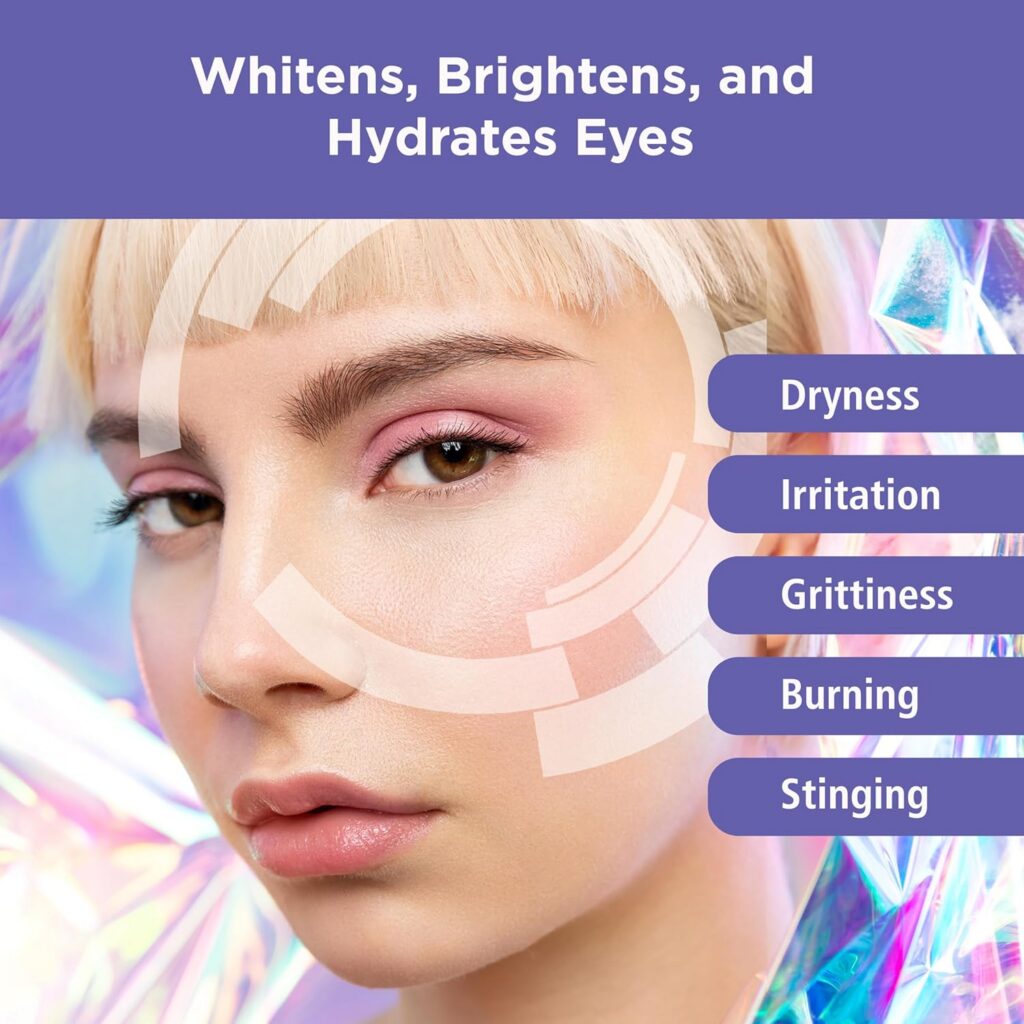
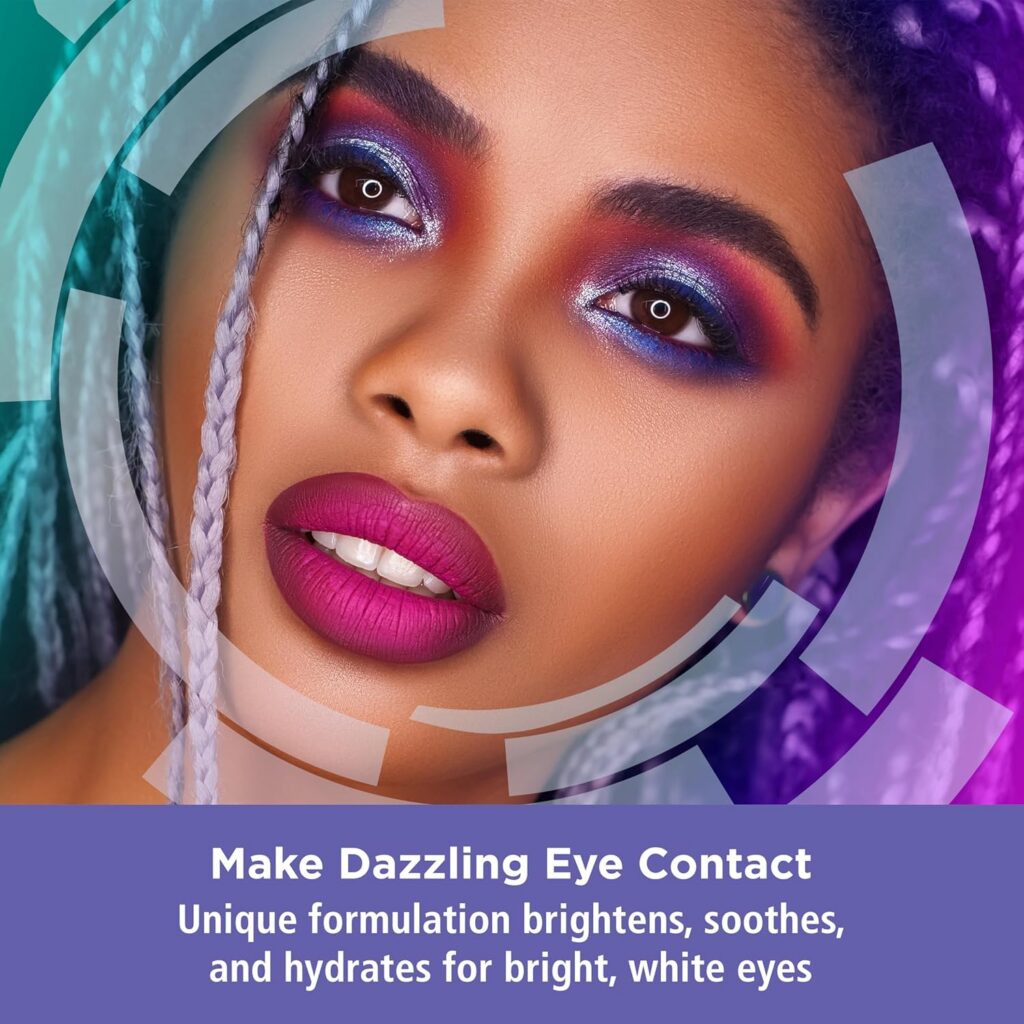
    Instead: bold colours, sleek packaging, and a presence that felt closer to beauty than to pharmacy.

    This is not an accident.

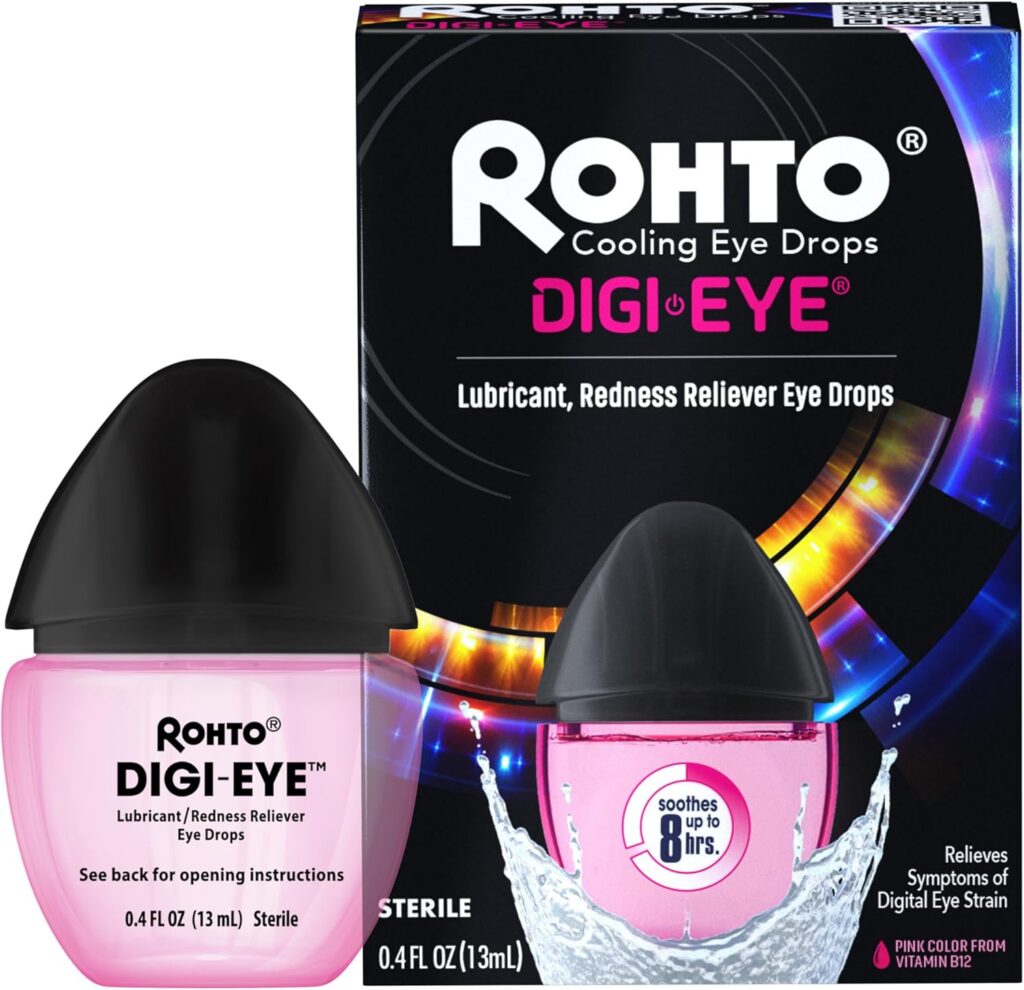
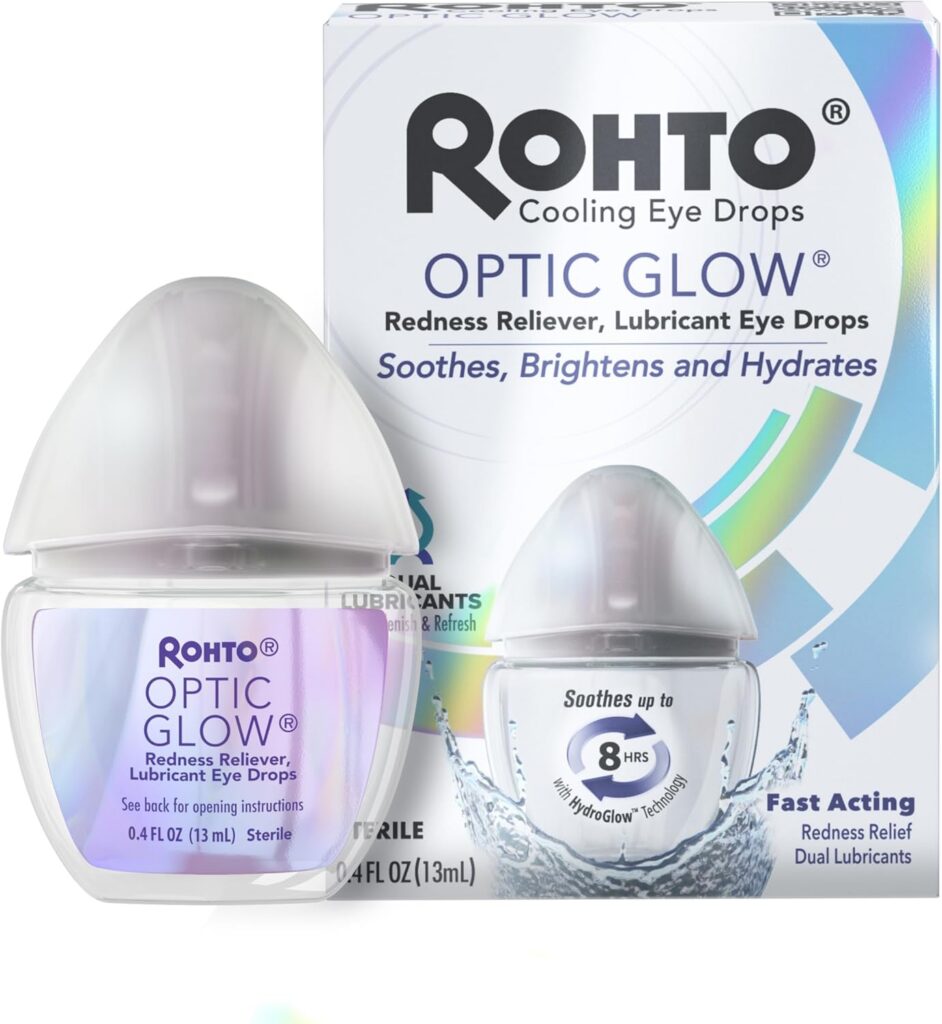
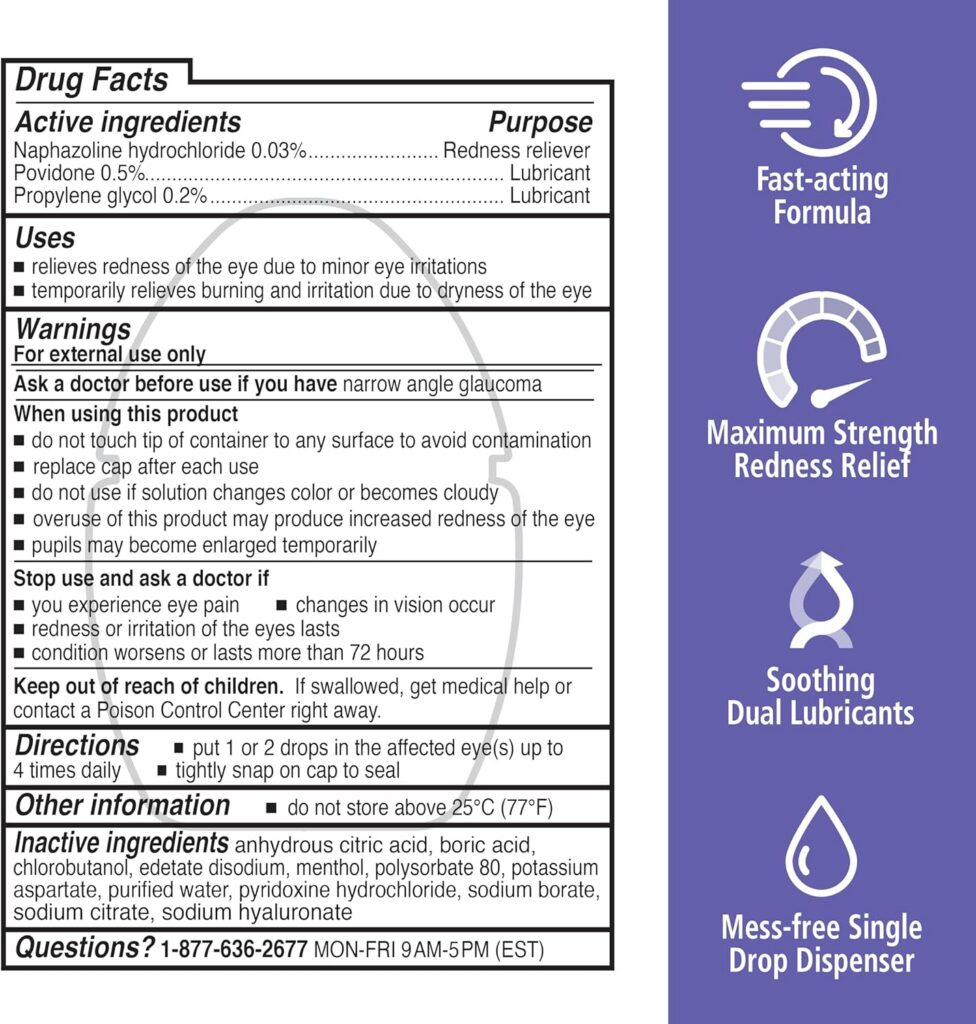
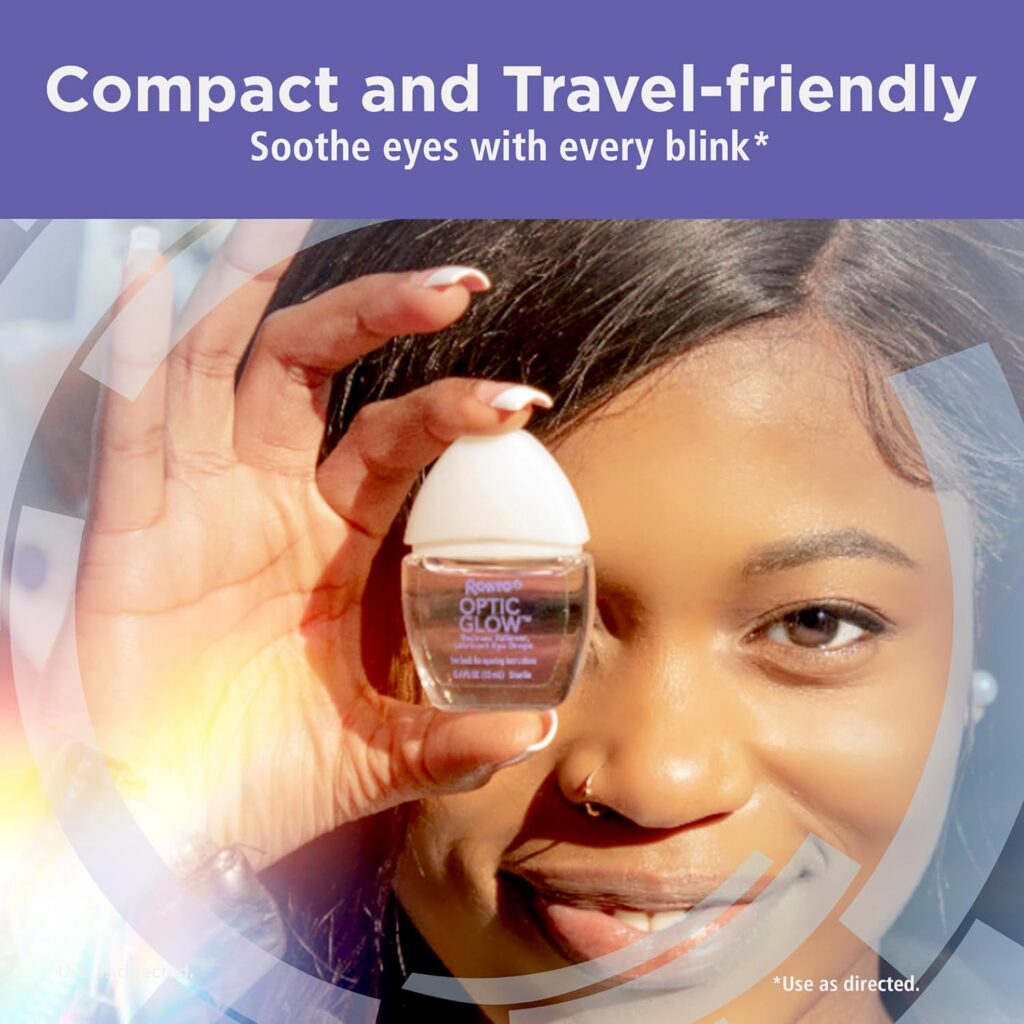
    Both products are made by Rohto Pharmaceutical, a Japanese company known for building cult brands that sit comfortably between healthcare and lifestyle. Its portfolio includes Hada Labo, OXY, Acnelogy, Rohto Eye Drops, Mentholatum, Lipice and Sunplay. In Poland, Rohto is also the owner of DAX Cosmetics, a brand many consumers already recognise from the beauty aisle—not the pharmacy.

    Rohto Eye Drops sit in the mid‑to‑premium OTC segment, priced above basic artificial tears and closer to “specialty” eye care products positioned around cooling, freshness and instant relief. But price is not the real differentiator here.

    Targeting is.


    Optic Glow: When Eye Care Meets Beauty Culture

    One variant in particular—Optic Glow—shows how pharmaceutical products can borrow from beauty marketing without losing credibility.

    The visuals are unapologetically aesthetic: bright, wide-open eyes, bold eye makeup, strong colour contrasts. The message is clear and emotionally relevant:

    Even the best eye makeup doesn’t look good on tired, irritated eyes.

    That single insight unlocks a perfect product–market fit.
    This is no longer just an “eye problem solution.” It’s a beauty enhancer, a backstage product that makes the final look work.

    And it resonates—because eye fatigue is not a niche issue. It’s mainstream Europe.


    Eye Problems Are No Longer a Medical Exception — They’re the Norm

    Let’s look at the data.

    More than 50% of European adults have a refractive error (myopia, hyperopia or astigmatism), meaning they need glasses or contact lenses.
    According to the European Eye Epidemiology (E3) Consortium, this equals over 227 million people with myopia alone in Europe
    (European Eye Epidemiology Consortium, 2015)
    
    Dry eye symptoms affect between 15% and 30% of adults in Europe, depending on country and age group
    (BMJ Open, 2023)
    
    Among contact lens wearers, around 20–40% report dry eye symptoms, and dryness is one of the main reasons people stop wearing lenses altogether
    (Life (Basel), 2022)
    
    In several European countries, 10–30% of adults wear contact lenses, with particularly high usage in Northern and Western Europe
    (Statista, 2025)
    
    Screen exposure is accelerating the issue: ophthalmologists across Europe report a sharp increase in screen-related eye fatigue and dryness, especially among younger consumers
    (TFOS DEWS II Report)

    This is not a fringe problem.
    This is a mass lifestyle condition driven by screens, indoor heating, air conditioning, contact lenses, makeup, UV exposure and urban living.

    Yet the category still behaves as if it’s selling cough syrup.


    The White Space: Turning Eye Drops into Daily Rituals

    Rohto shows what’s possible—but the opportunity is much bigger.

    1. Screen Workers: The New Office Ritual

    Millions of Europeans spend 8–10 hours a day staring at screens. Digital eye strain is universal—regardless of profession.

    Why not position eye drops as a micro-break ritual?

    Two drops.
    A 60-second pause.
    Instant refresh.

    Not treatment—performance recovery.

    1. Students & Night Owls

    Whether it’s studying until 3 a.m. or dancing until sunrise, tired eyes are a shared experience.

    Position eye drops as:

    “Two drops that make your eyes look like you slept eight hours.”

    Functional? Yes.
    Aspirational? Absolutely.

    1. Beauty & Wellness Enthusiasts

    We already ritualise:

    matcha in the morning
    pilates at noon
    skincare at night

    So why not eye care?

    A daily eye-refresh moment fits perfectly into the beauty–wellness–biohacking ecosystem. Imagine collaborations with:

    • blue-light-blocking glasses
    • yoga studios
    • skincare brands

    Eye drops become the new wellness accessory.


    Why the Market Is Still Wide Open

    Despite the scale of the problem, most eye drop brands still look:

    overly medical
    visually outdated
    emotionally disconnected

    White boxes. Clinical fonts. Stock images of eyes.

    Consumers, meanwhile, have evolved. They expect design, identity and ritual—even from functional products.

    Especially from functional products.

    Women wear makeup daily that contributes to eye dryness. Winter heating dries indoor air. UV awareness is rising—but eye protection is still overlooked. SPF exists for skin. Why not for eyes as a daily habit?

    The demand is there.
    The need is proven.
    The shelf, however, is still boring.


    Final Thought

    The next growth wave in OTC eye care won’t come from stronger formulas alone.

    It will come from reframing eye drops as part of modern life:

    • like lip balm
    • like hand cream
    • like supplements

    Rohto has shown the direction.


    For FMCG and pharma brands willing to step beyond the “medicine look,” the opportunity is vast—and still largely untapped.


    Key Sources

    European Eye Epidemiology Consortium (E3):
    https://pmc.ncbi.nlm.nih.gov/articles/PMC4385146/

    BMJ Open – Dry Eye Disease in Europe:
    https://bmjopen.bmj.com/content/13/3/e067007

    Life (Basel), 2022 – Dry Eye & Contact Lenses:
    https://pmc.ncbi.nlm.nih.gov/articles/PMC9605398/

    Statista – Contact Lens Wearers in Europe:
    https://www.statista.com/statistics/431375/individuals-who-wear-contact-lenses-in-selected-european-countries/

    TFOS DEWS II Epidemiology Report:
    https://www.sciencedirect.com/science/article/pii/S1542012417305733

  • The Power of the Pocket-Lifesaver

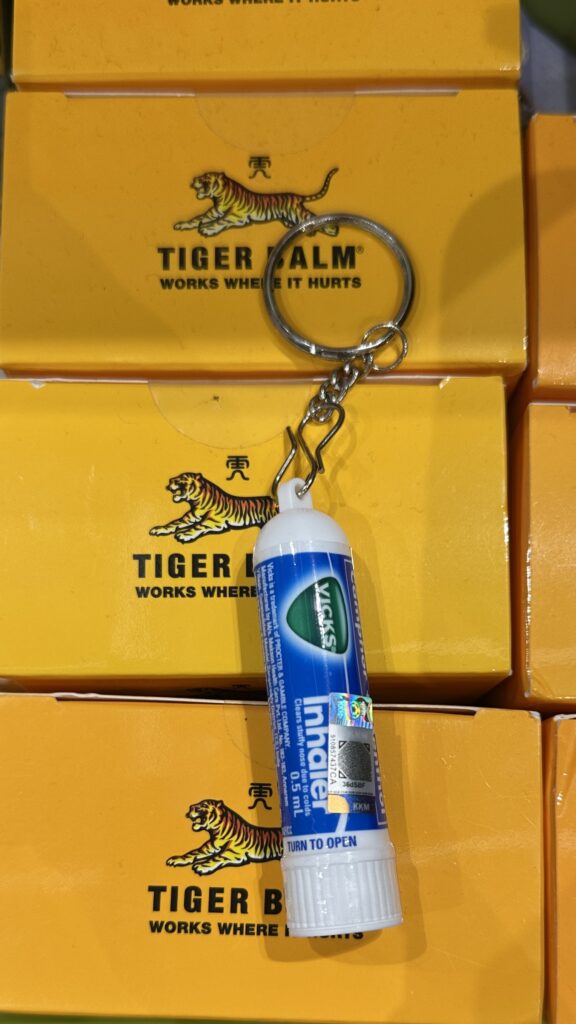
    Malaysian Watsons stores are a masterclass in health and beauty retail. Their shelves are packed with innovation, but during my visit, one product stopped me in my tracks through its sheer, functional brilliance and simplicity: the Vicks Inhaler with a Key Ring.

    We all know the Vicks formula—that nostalgic blend of menthol, camphor, and Siberian pine needle oil that offers instant nasal relief. It’s a winter essential and a travel must-have. But by adding a simple eyelet and a ring, Vicks has transitioned from a product you search for in a bag to a product that lives with you.

    Keys are the ultimate “never-leave-home-without” item. While we often add to them some sentimental trinkets—a miniature Eiffel Tower or a silk tassel—these charms represent our memories, personal linkage to something or somoene or maybe our aspirations.

    When an FMCG brand hitches a ride on your keychain, it bridges the gap between emotional connection and utility. It’s a psychological masterstroke: the brand becomes a literal part of your daily “survival kit.”

    Sounds like an unused potential hidden here!


    Real-World Success Stories

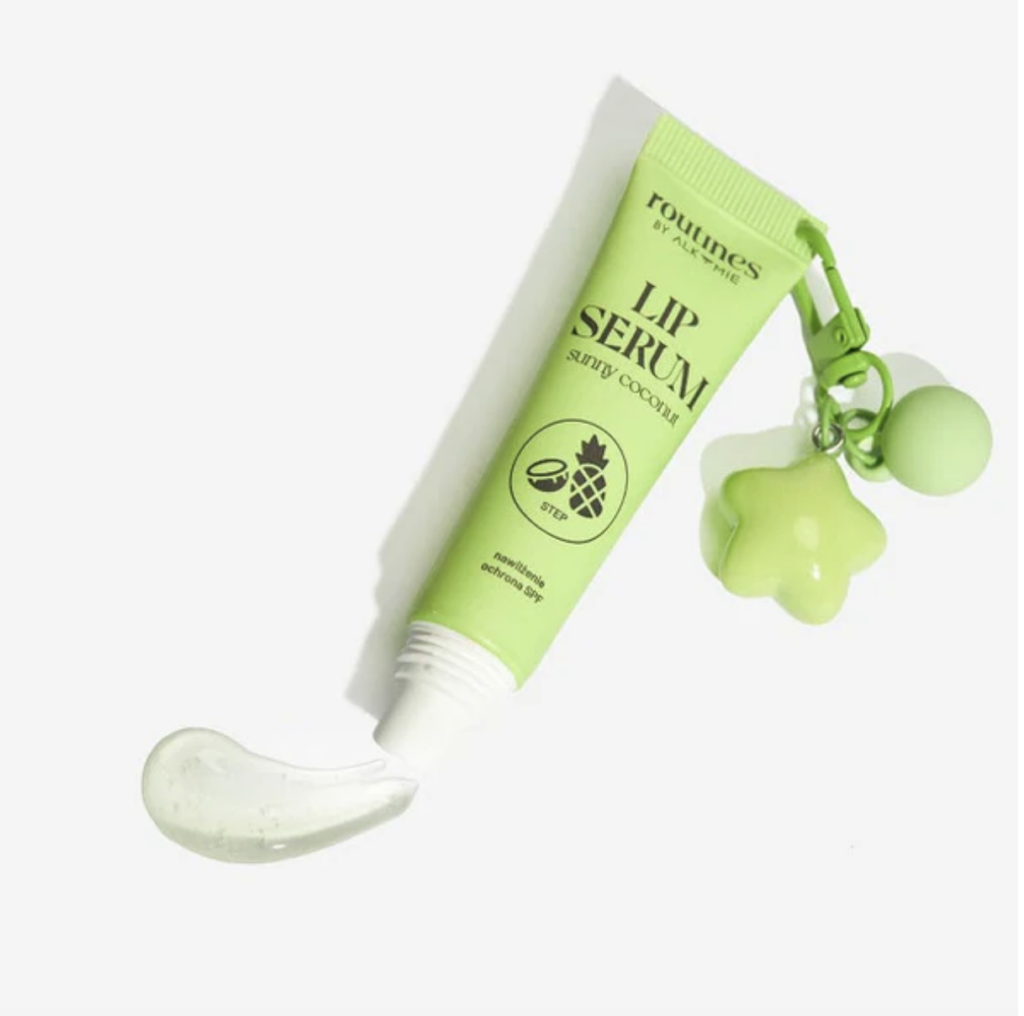
    Lip Balm: This is perhaps the most successful execution of the keychain strategy. For many consumers, lip care is a repetitive, almost ritualistic habit. By making the balm a keychain accessory, brands eliminate the “bottom-of-the-bag” hunt, ensuring the product is always within reach.

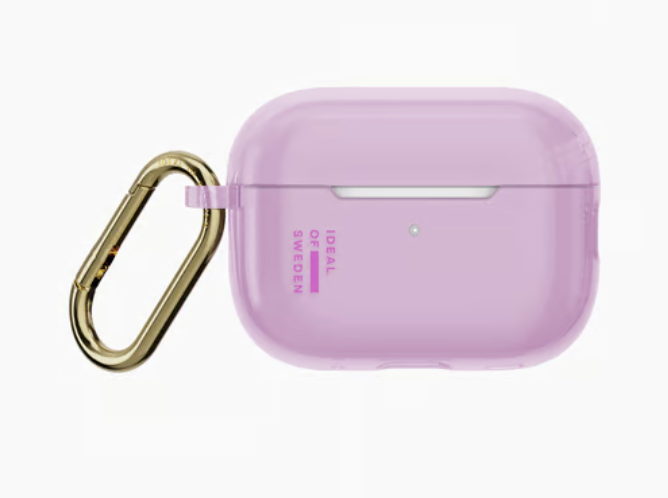
    Earbud Cases: Among Gen Z, the smartphone and earbuds are the two pillars of daily life. We are seeing a shift where the case becomes the keychain. This is a clever pivot for brands; instead of shrinking the product to fit the keys, they create a protective “home” for the tech that attaches to the keys.

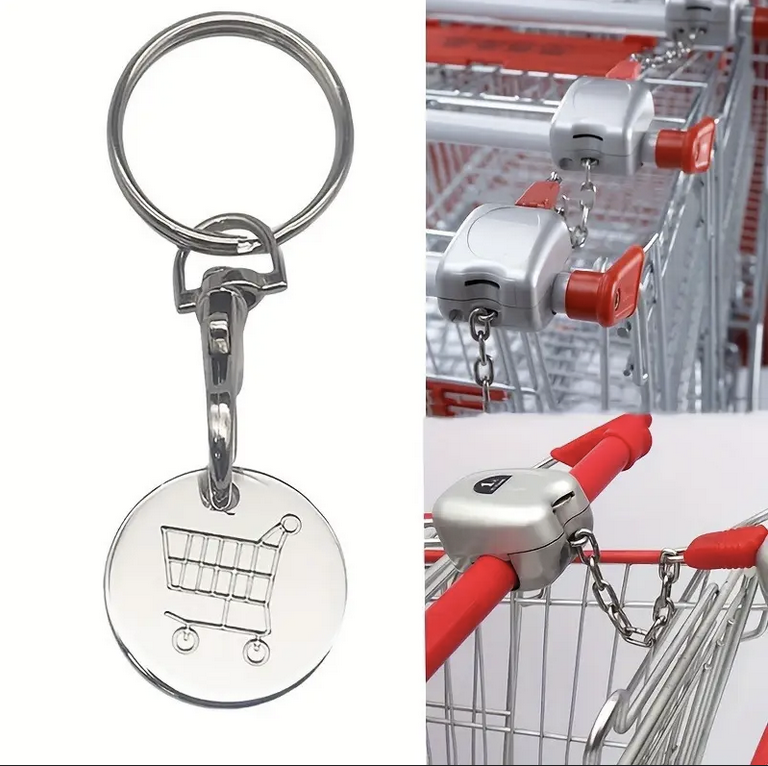
    Alloy Shopping Tokens: A staple for the organized shopper. This is a high-utility marketing tool for supermarkets. It solves a specific friction point—not having a coin for the trolley—ensuring the brand associated with the token is viewed as a “problem solver” every time the consumer enters a store.

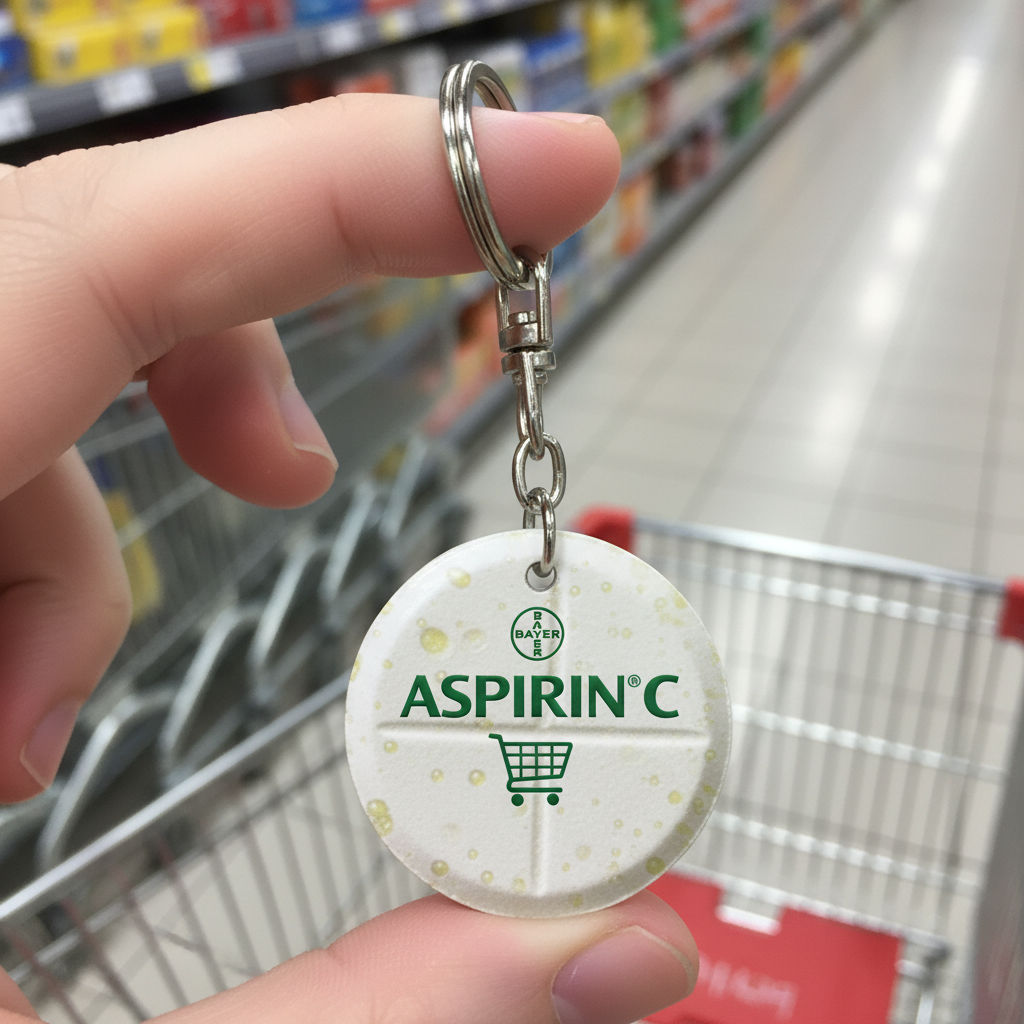
    Personally, I think here sits a very nice potential to get into mind of older generations of shoppers. I can imagine branded tokens which are more creative:

    My idea how it could look like in the case of one of the pharma company.

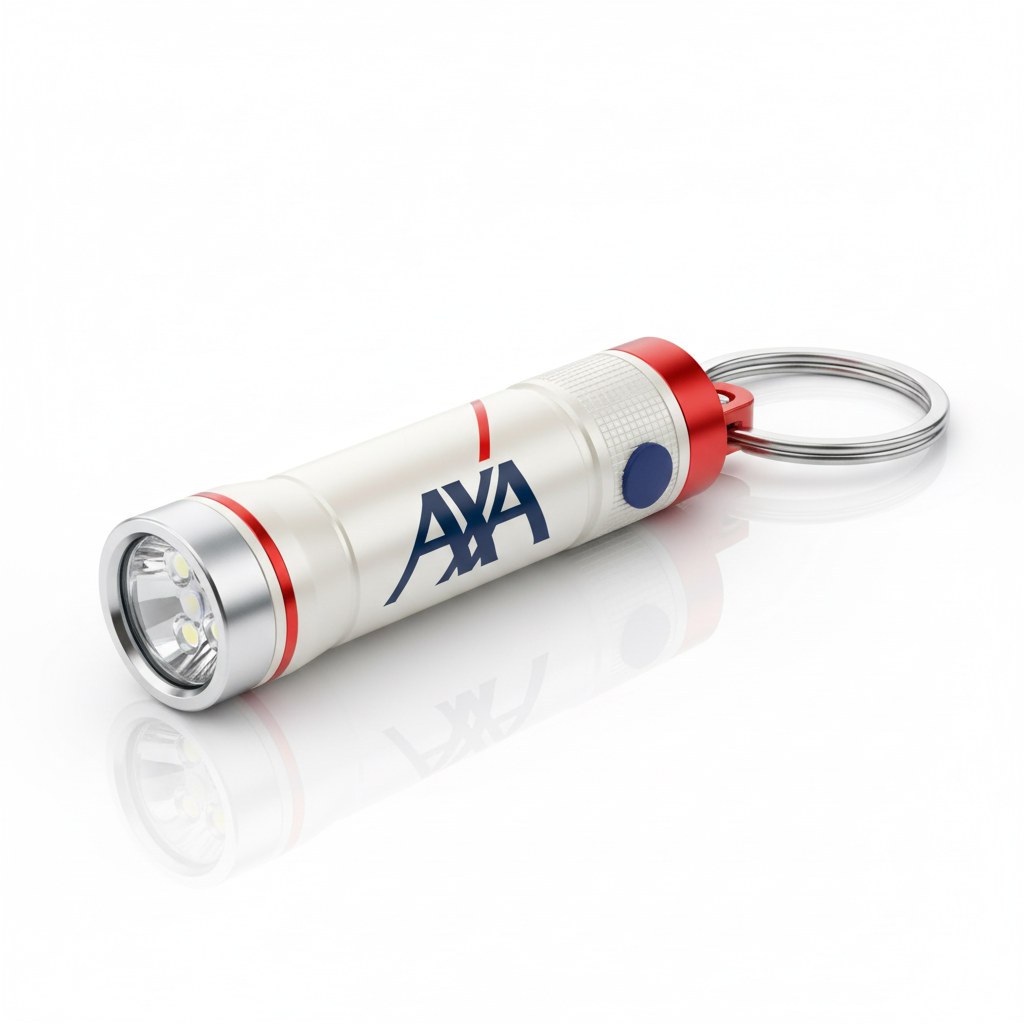
    The Micro-Flashlight: While smartphones have largely cannibalized this category, the dedicated keychain light remains a symbol of “preparedness.” For insurance or security brands, this is a perfect promotional gift; it literally and figuratively “provides light in the dark,” reinforcing a brand promise of safety.

    Gadget that creates a sense of security.


    Expanding the Horizon: What could be next for the Keychain?

    I see several untapped opportunities for brands to claim a spot on the consumer’s keyring. Here is where the next wave of “pocket-sized” innovation lies:

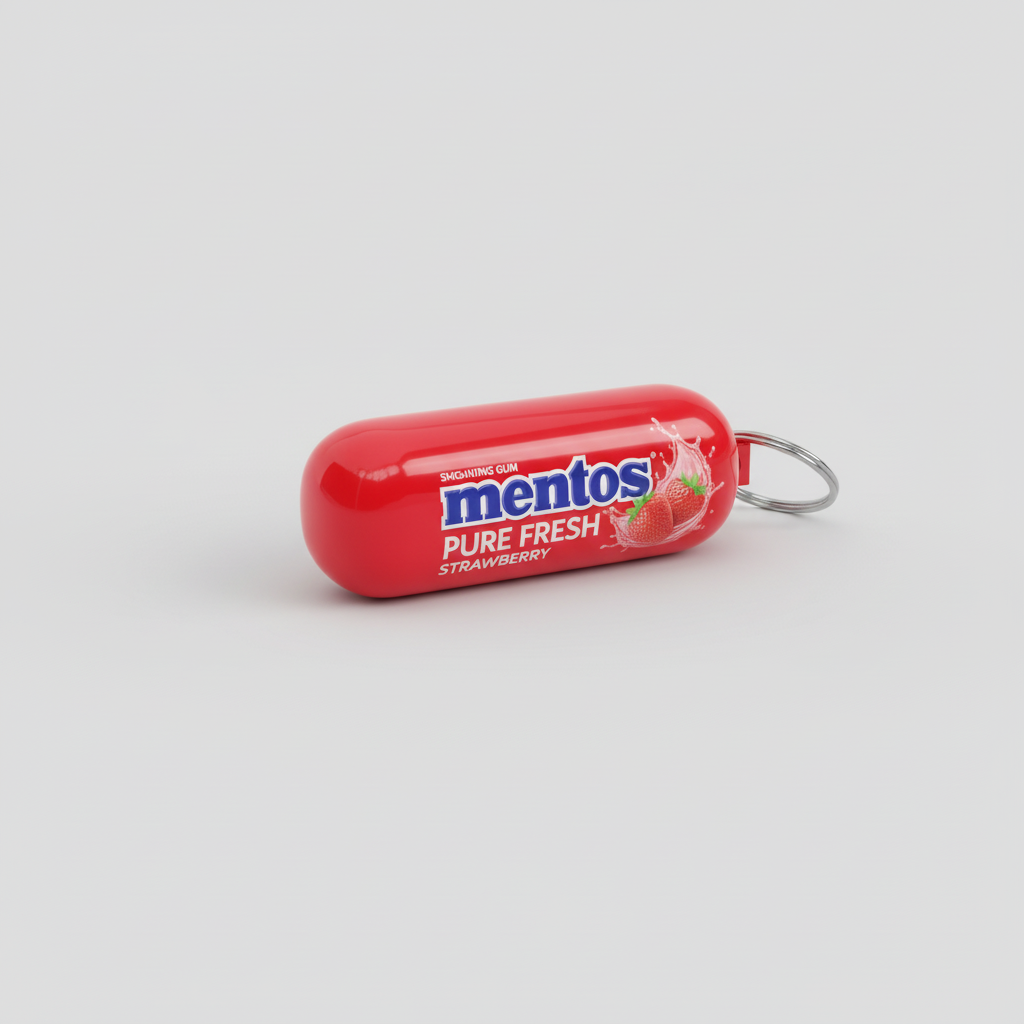
    The “Refresh” Case (Mints & Gum)
    We often reach for a mint right before a meeting or a social encounter—the exact moment we are locking our car or checking our keys. A sleek, refillable metal capsule for two “emergency” gums or a few mints makes perfect sense. It aligns the act of refreshing one’s breath with the transition from one environment to the next.

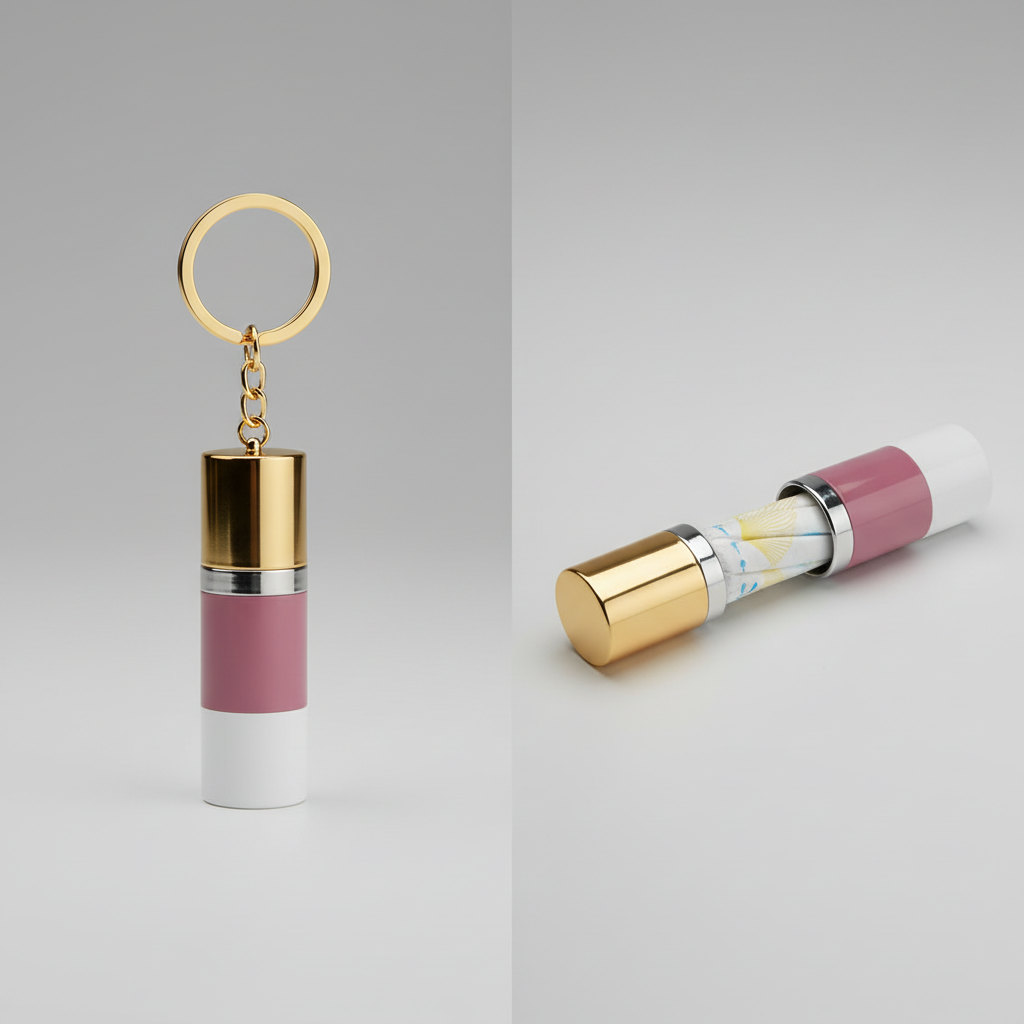
    The Discreet Emergency Case (Tampons & Medication)
    There is a significant gap in the market for “emergency” storage that doesn’t look like a medical kit. A keychain that looks like a high-end aesthetic charm but opens to reveal a single tampon or a life-saving pill (like an antihistamine or aspirin) offers peace of mind. The value here isn’t just the product; it’s the discretion and readiness.

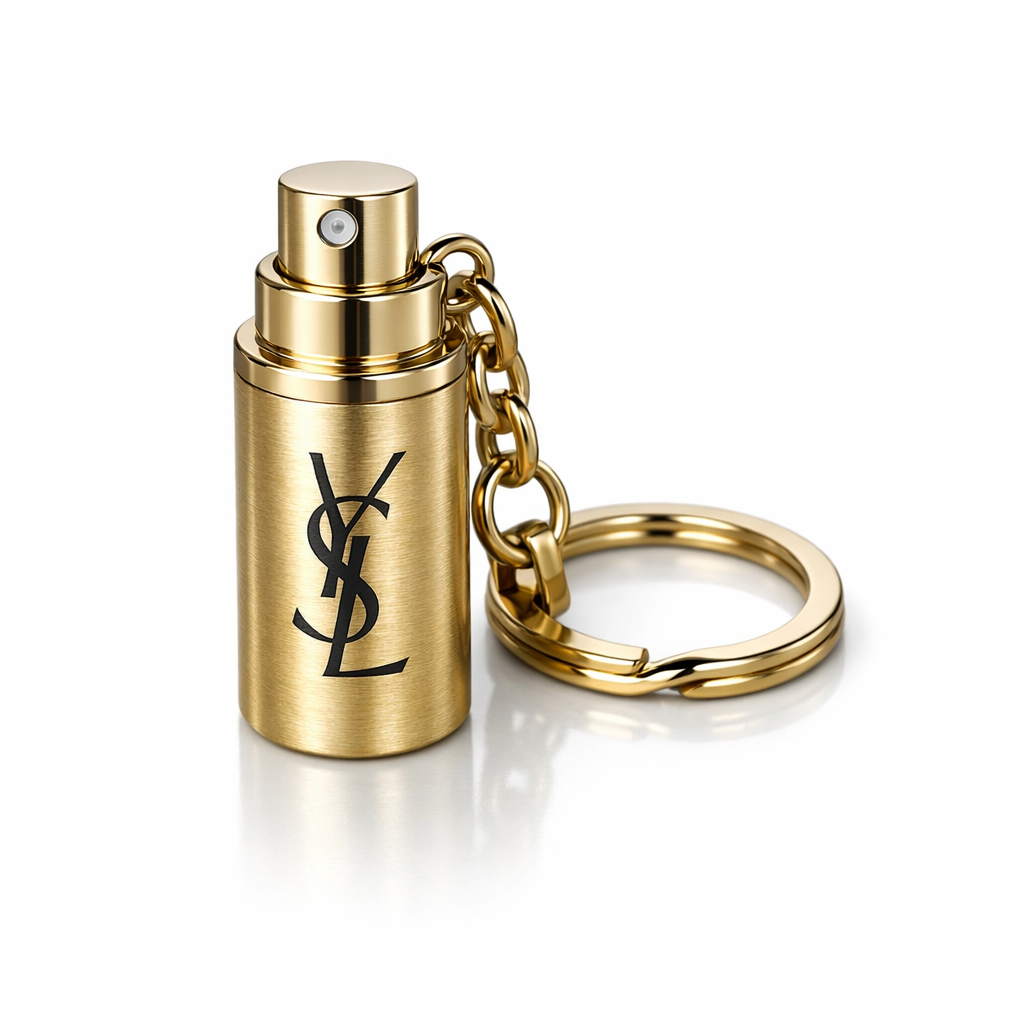
    The Fragrance “Touch-Up”
    While glass vials are too fragile for the chaos of a pocket, a ruggedized, aluminum-encased 3ml atomizer is a game-changer. It allows consumers to carry their “signature scent” for a post-commute refresh without carrying a heavy bottle. For luxury fragrance brands, this might be a premium “gift with purchase” that ensures the brand is interacted with multiple times a day.

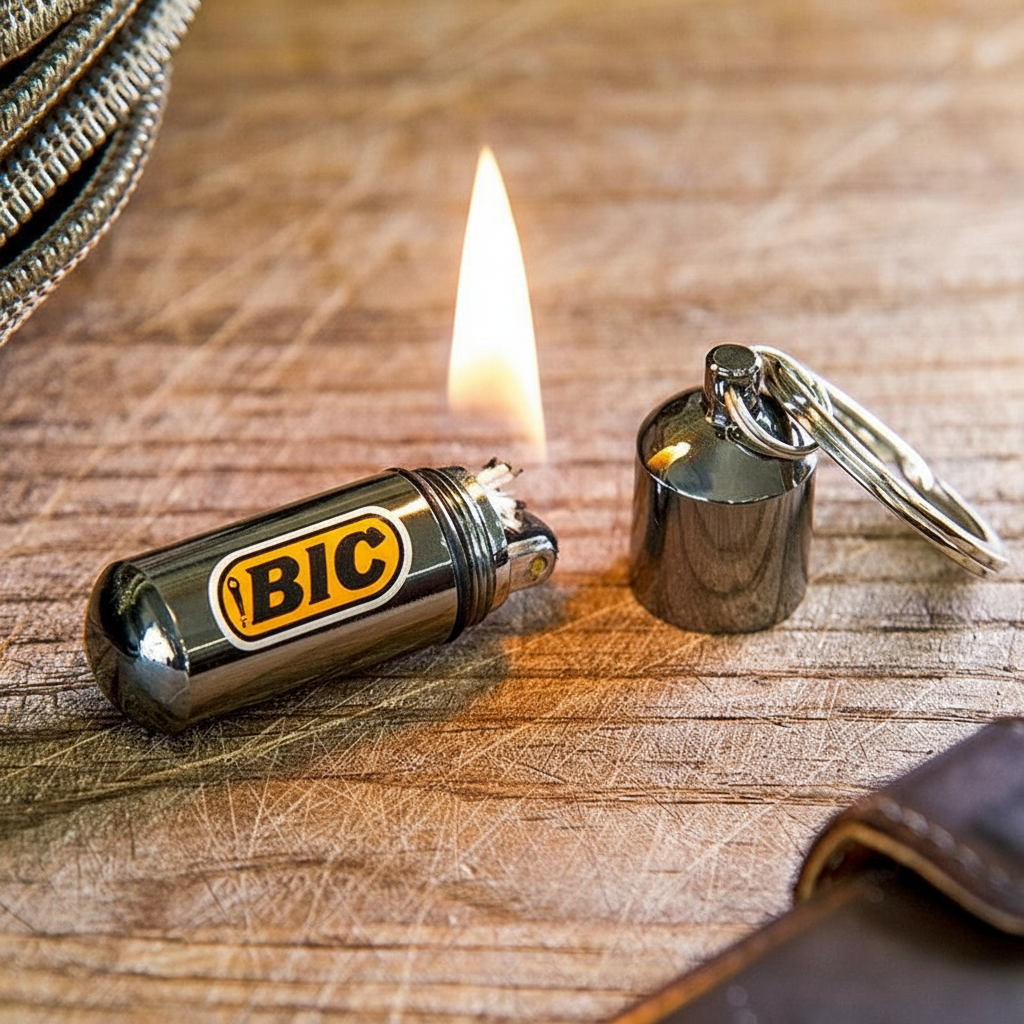
    The Micro-Lighter
    While lighters are common, a truly integrated, leak-proof “peanut” lighter on a keychain is surprisingly rare in the mass market. For the consumer who smokes or the outdoor enthusiast, having a reliable flame attached to their keys removes the “did I forget my lighter?” anxiety.


    The Bottom Line

    The move toward keychain integration isn’t just about miniaturization; it’s about contextual relevance. By identifying the moments of friction in a consumer’s day—a blocked nose, a dead flashlight, or a missing lighter—and placing the solution exactly where their keys are, FMCG brands can move from being a “commodity” to a “companion.”