Malaysian Watsons stores are a masterclass in health and beauty retail. Their shelves are packed with innovation, but during my visit, one product stopped me in my tracks through its sheer, functional brilliance and simplicity: the Vicks Inhaler with a Key Ring.
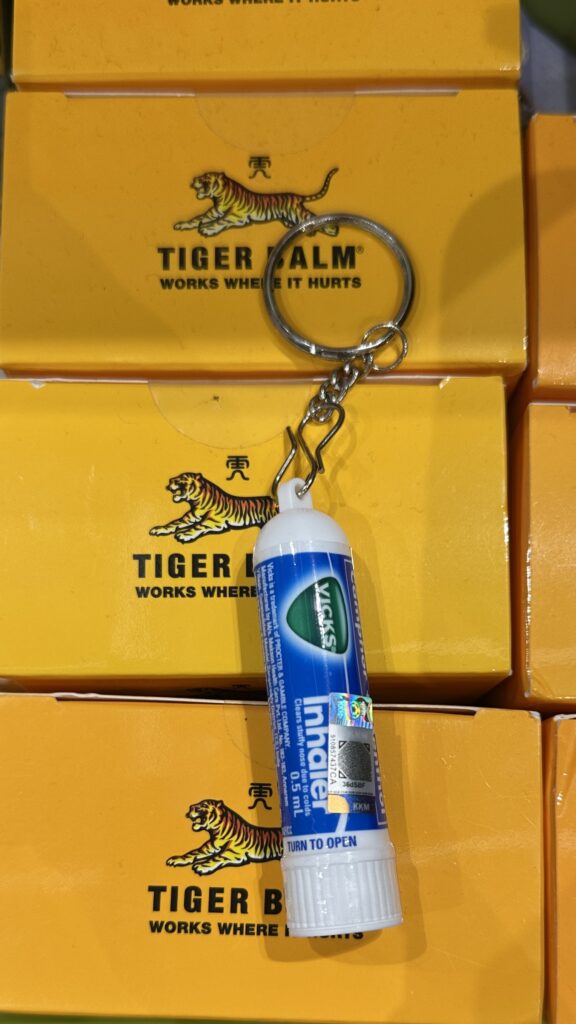
We all know the Vicks formula—that nostalgic blend of menthol, camphor, and Siberian pine needle oil that offers instant nasal relief. It’s a winter essential and a travel must-have. But by adding a simple eyelet and a ring, Vicks has transitioned from a product you search for in a bag to a product that lives with you.
Keys are the ultimate “never-leave-home-without” item. While we often add to them some sentimental trinkets—a miniature Eiffel Tower or a silk tassel—these charms represent our memories, personal linkage to something or somoene or maybe our aspirations.
When an FMCG brand hitches a ride on your keychain, it bridges the gap between emotional connection and utility. It’s a psychological masterstroke: the brand becomes a literal part of your daily “survival kit.”
Sounds like an unused potential hidden here!
Real-World Success Stories
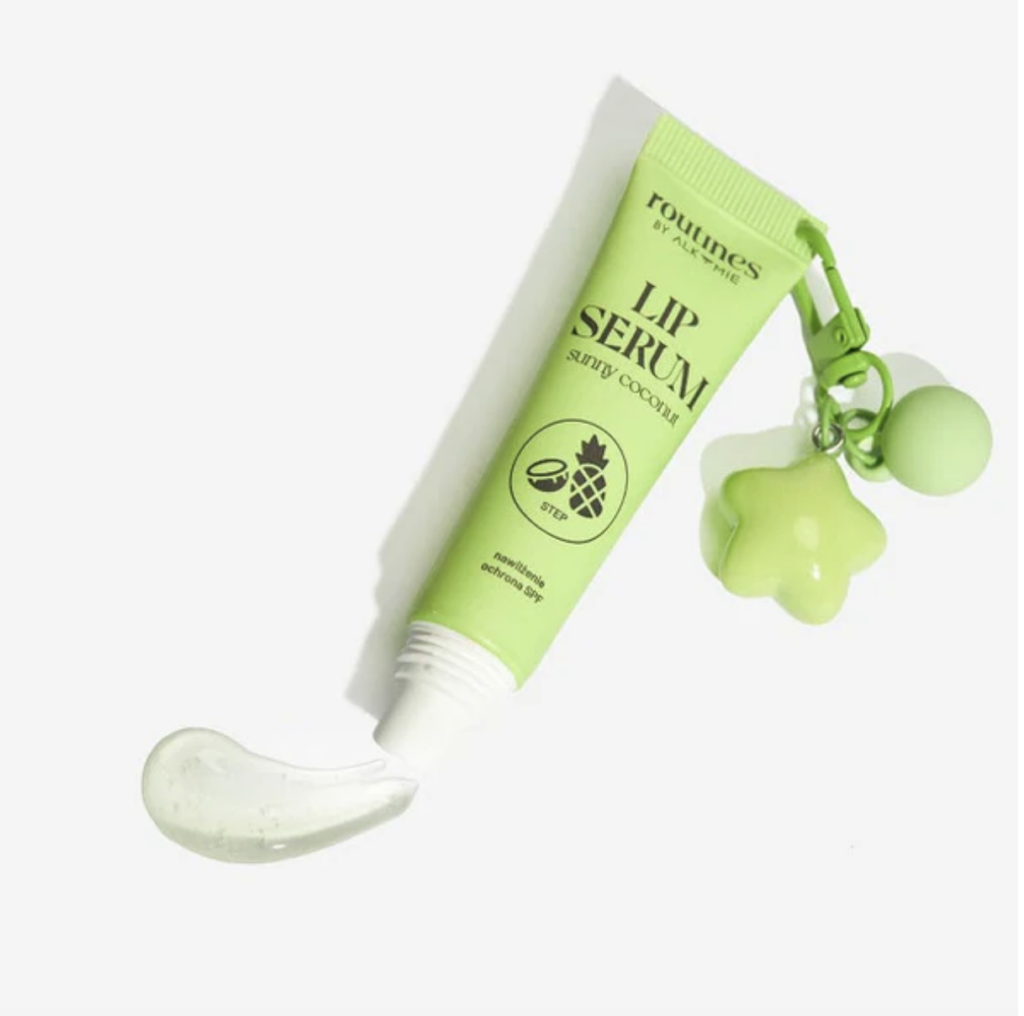
Lip Balm: This is perhaps the most successful execution of the keychain strategy. For many consumers, lip care is a repetitive, almost ritualistic habit. By making the balm a keychain accessory, brands eliminate the “bottom-of-the-bag” hunt, ensuring the product is always within reach.
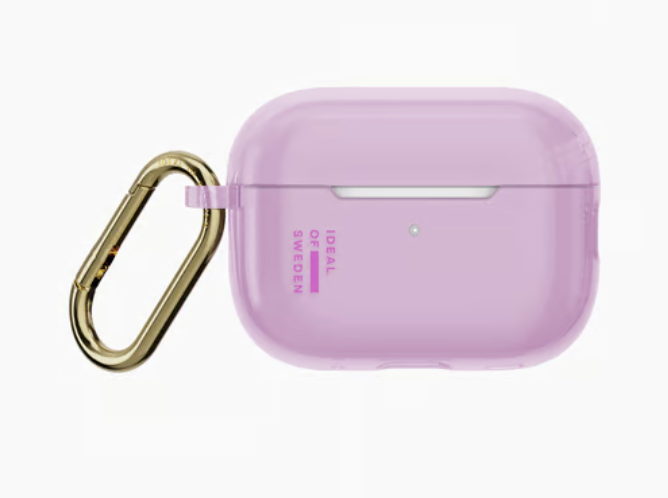
Earbud Cases: Among Gen Z, the smartphone and earbuds are the two pillars of daily life. We are seeing a shift where the case becomes the keychain. This is a clever pivot for brands; instead of shrinking the product to fit the keys, they create a protective “home” for the tech that attaches to the keys.
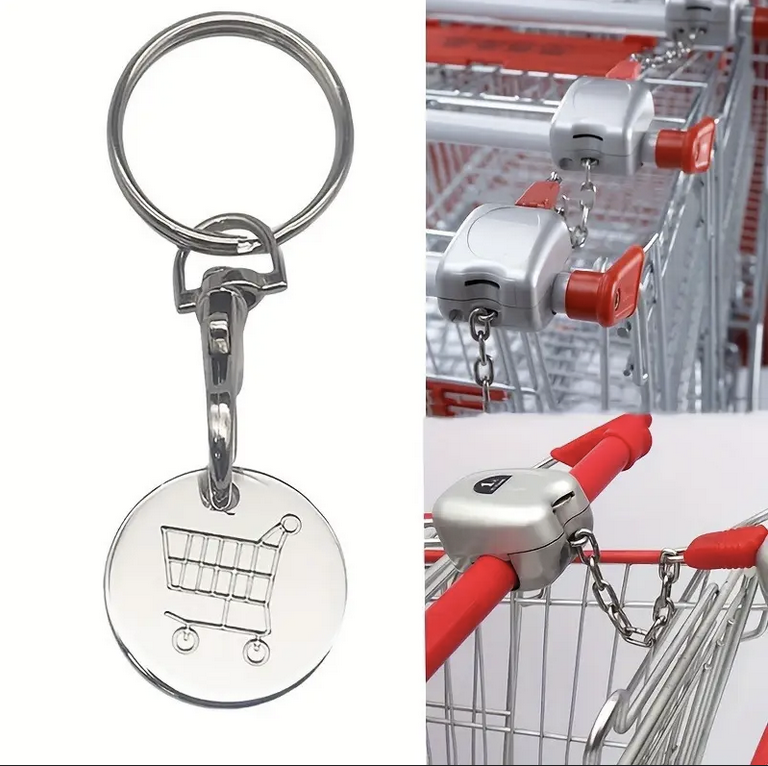
Alloy Shopping Tokens: A staple for the organized shopper. This is a high-utility marketing tool for supermarkets. It solves a specific friction point—not having a coin for the trolley—ensuring the brand associated with the token is viewed as a “problem solver” every time the consumer enters a store.
Personally, I think here sits a very nice potential to get into mind of older generations of shoppers. I can imagine branded tokens which are more creative:
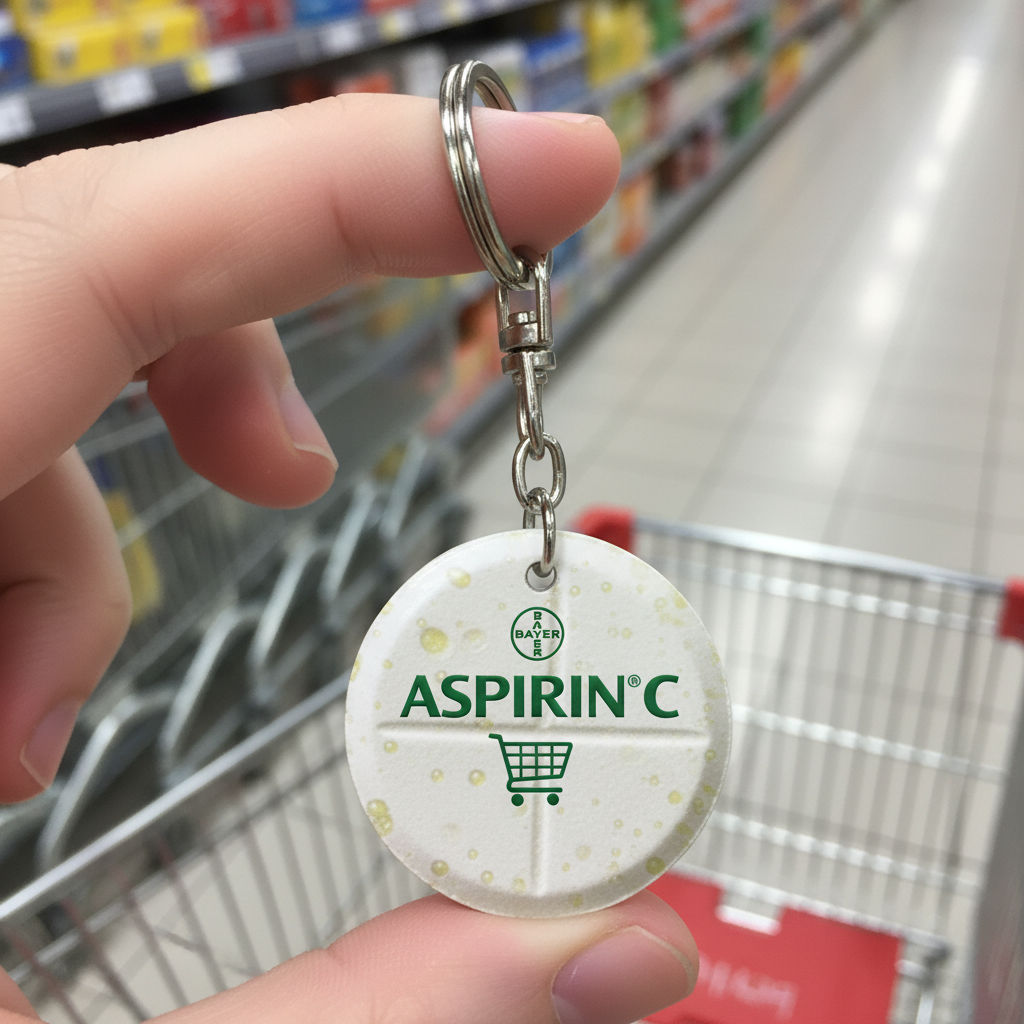
My idea how it could look like in the case of one of the pharma company.
The Micro-Flashlight: While smartphones have largely cannibalized this category, the dedicated keychain light remains a symbol of “preparedness.” For insurance or security brands, this is a perfect promotional gift; it literally and figuratively “provides light in the dark,” reinforcing a brand promise of safety.
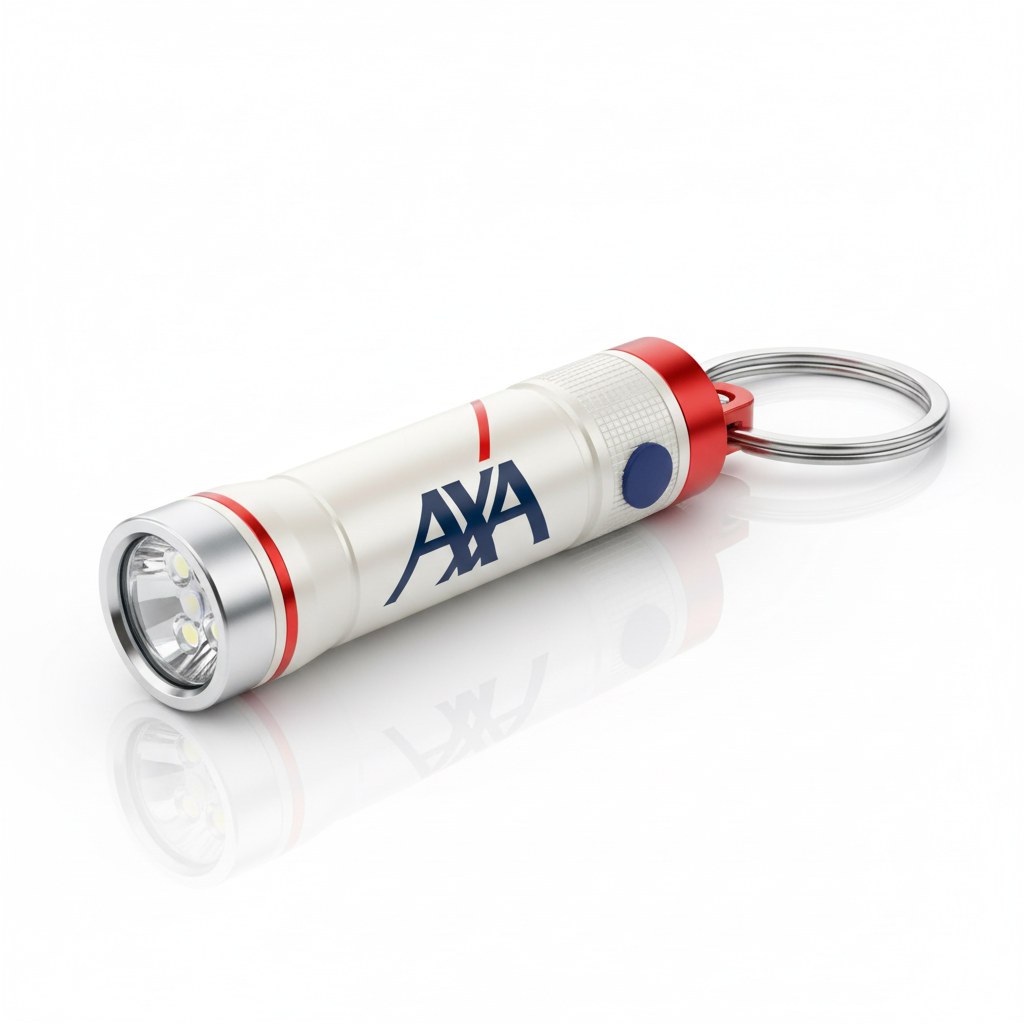
Gadget that creates a sense of security.
Expanding the Horizon: What could be next for the Keychain?
I see several untapped opportunities for brands to claim a spot on the consumer’s keyring. Here is where the next wave of “pocket-sized” innovation lies:
The “Refresh” Case (Mints & Gum)
We often reach for a mint right before a meeting or a social encounter—the exact moment we are locking our car or checking our keys. A sleek, refillable metal capsule for two “emergency” gums or a few mints makes perfect sense. It aligns the act of refreshing one’s breath with the transition from one environment to the next.
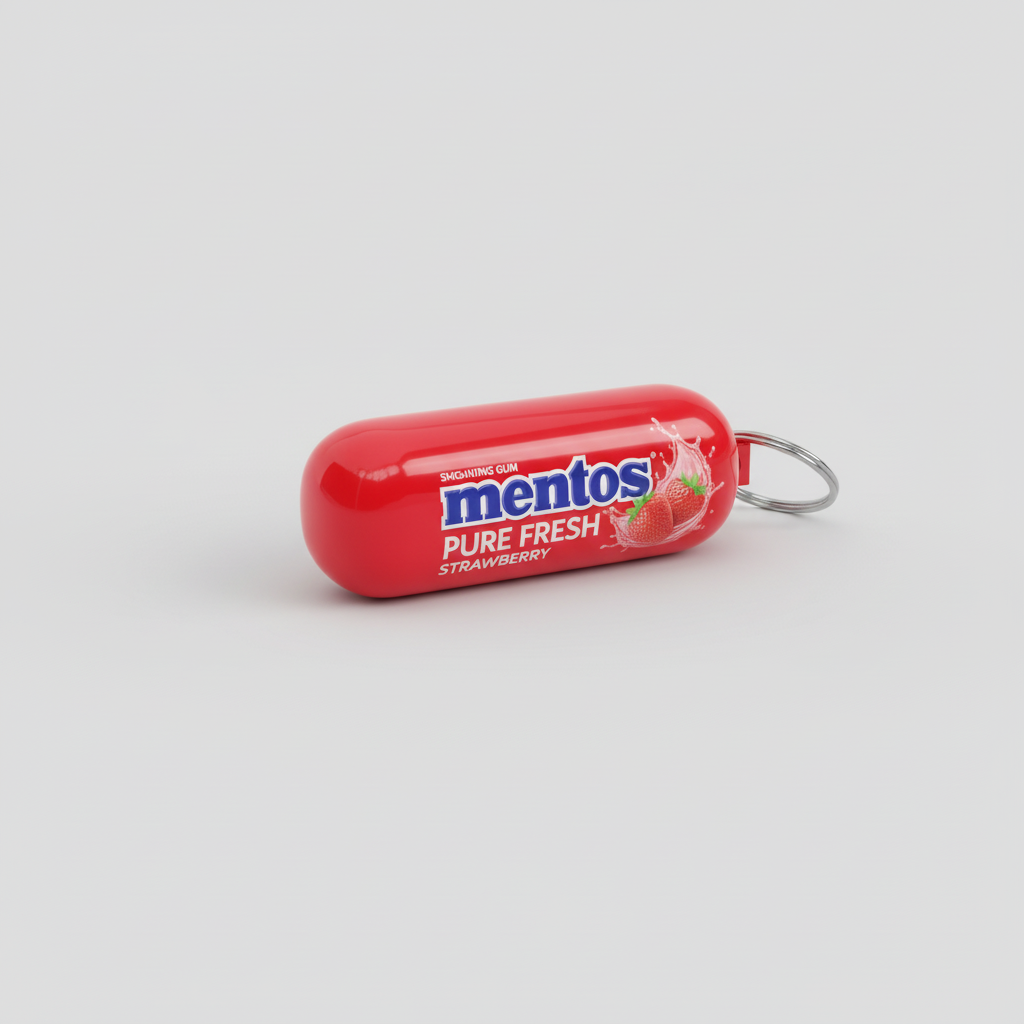
The Discreet Emergency Case (Tampons & Medication)
There is a significant gap in the market for “emergency” storage that doesn’t look like a medical kit. A keychain that looks like a high-end aesthetic charm but opens to reveal a single tampon or a life-saving pill (like an antihistamine or aspirin) offers peace of mind. The value here isn’t just the product; it’s the discretion and readiness.
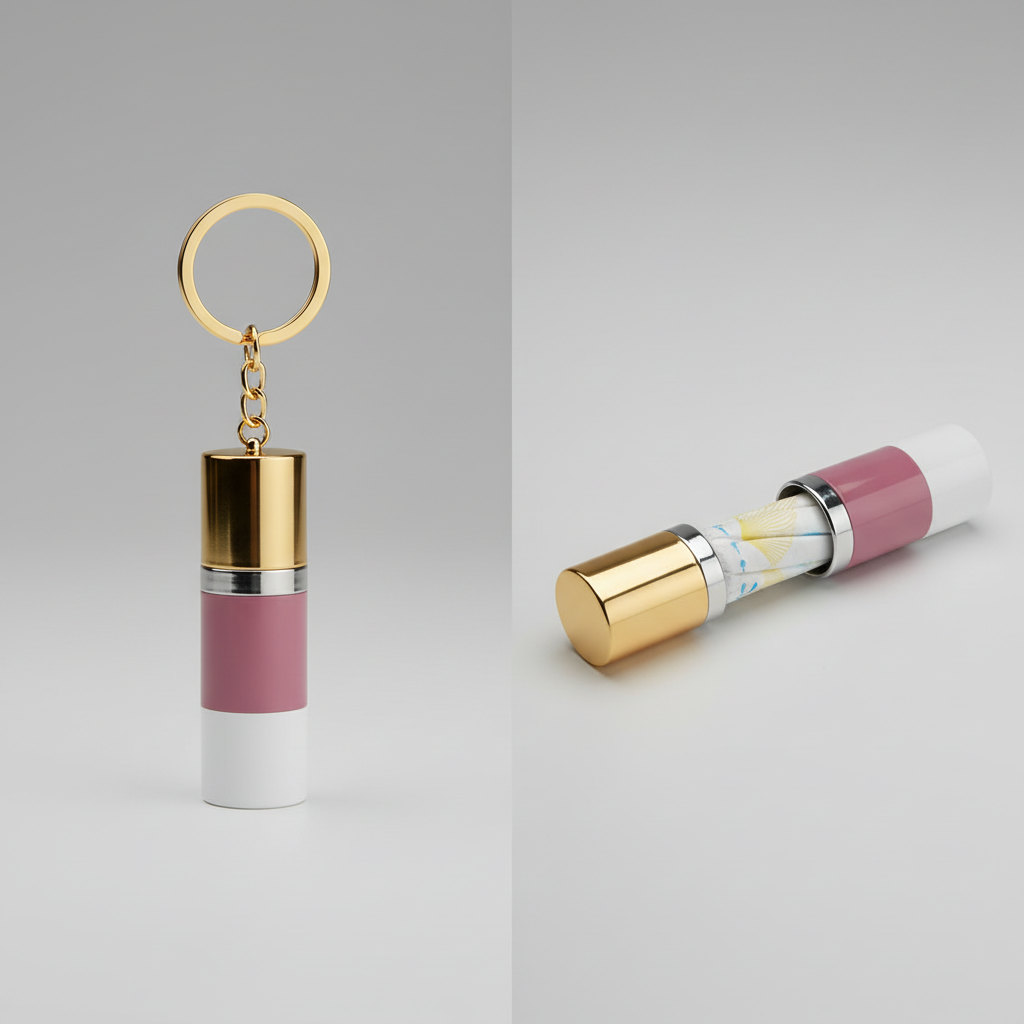
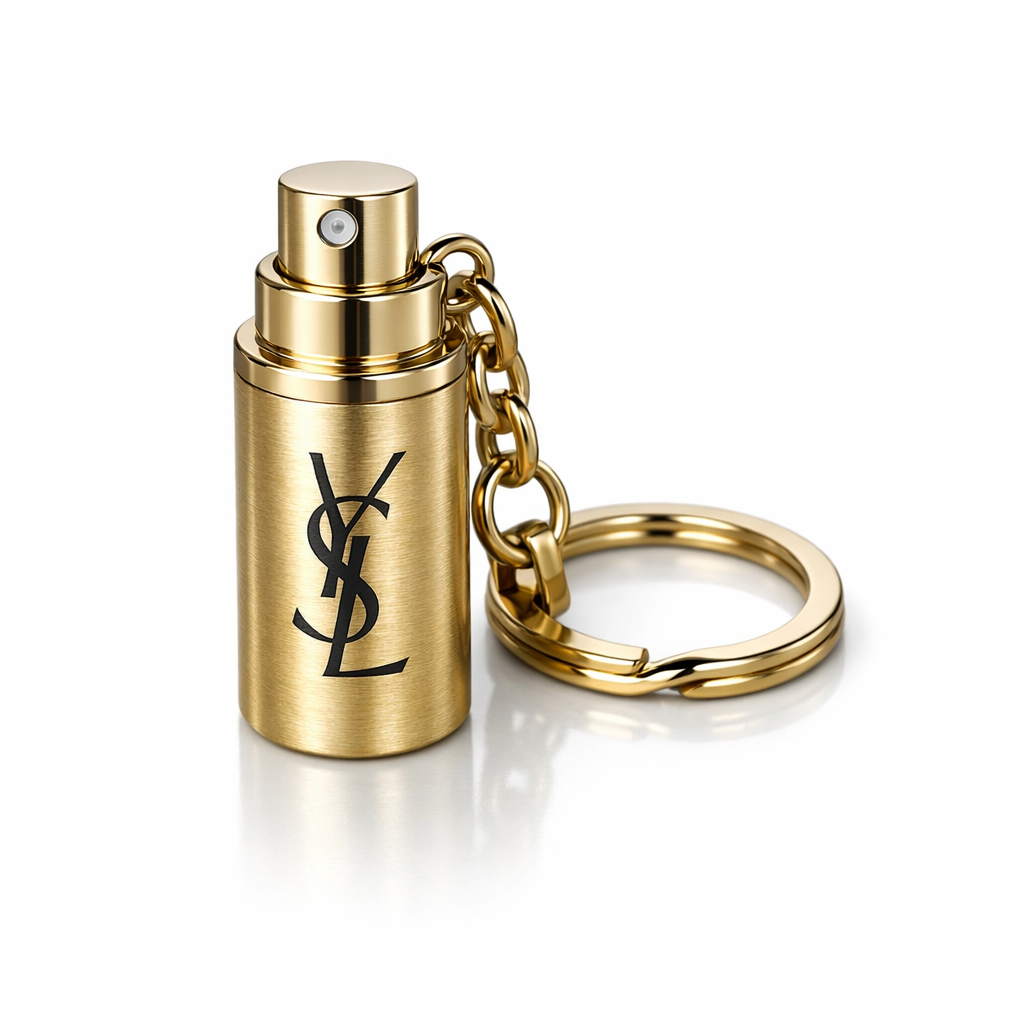
The Fragrance “Touch-Up”
While glass vials are too fragile for the chaos of a pocket, a ruggedized, aluminum-encased 3ml atomizer is a game-changer. It allows consumers to carry their “signature scent” for a post-commute refresh without carrying a heavy bottle. For luxury fragrance brands, this might be a premium “gift with purchase” that ensures the brand is interacted with multiple times a day.
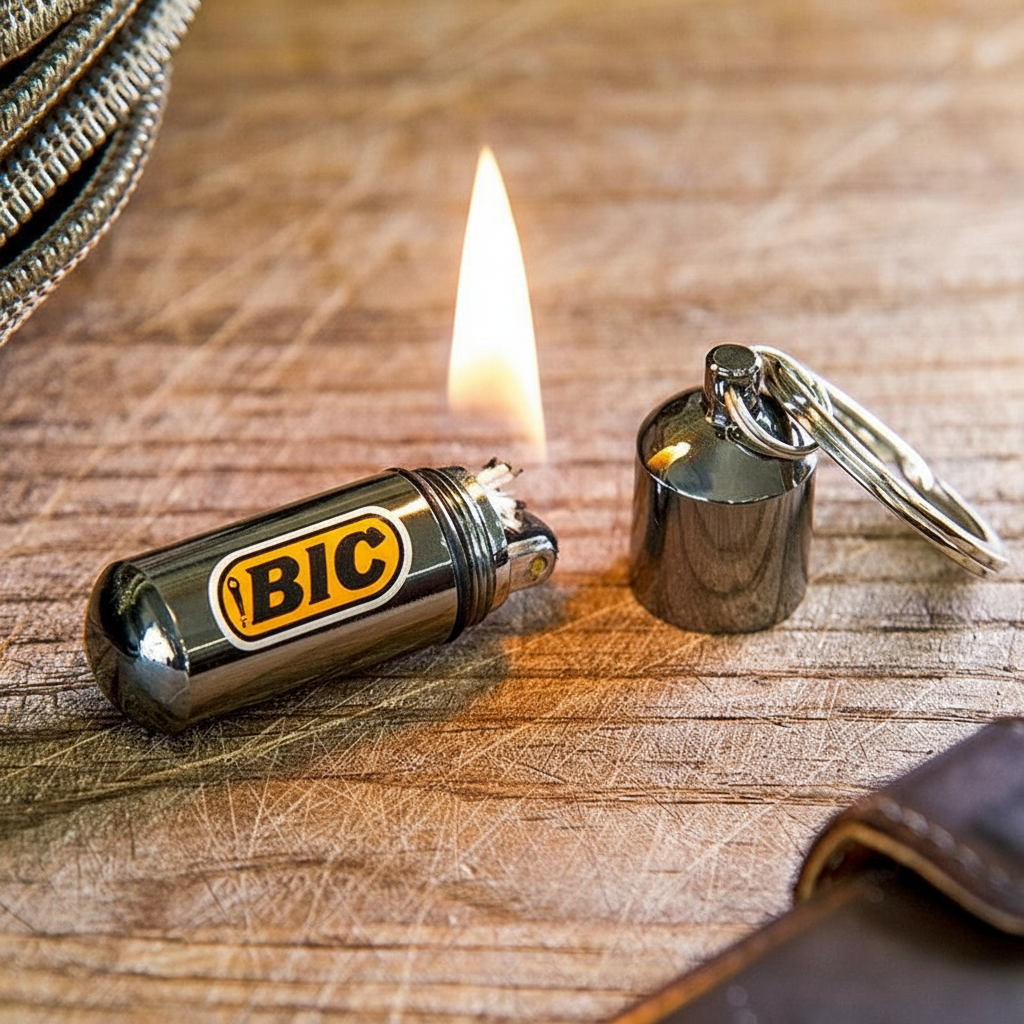
The Micro-Lighter
While lighters are common, a truly integrated, leak-proof “peanut” lighter on a keychain is surprisingly rare in the mass market. For the consumer who smokes or the outdoor enthusiast, having a reliable flame attached to their keys removes the “did I forget my lighter?” anxiety.
The Bottom Line
The move toward keychain integration isn’t just about miniaturization; it’s about contextual relevance. By identifying the moments of friction in a consumer’s day—a blocked nose, a dead flashlight, or a missing lighter—and placing the solution exactly where their keys are, FMCG brands can move from being a “commodity” to a “companion.”
Leave a Reply