Category: FMCG

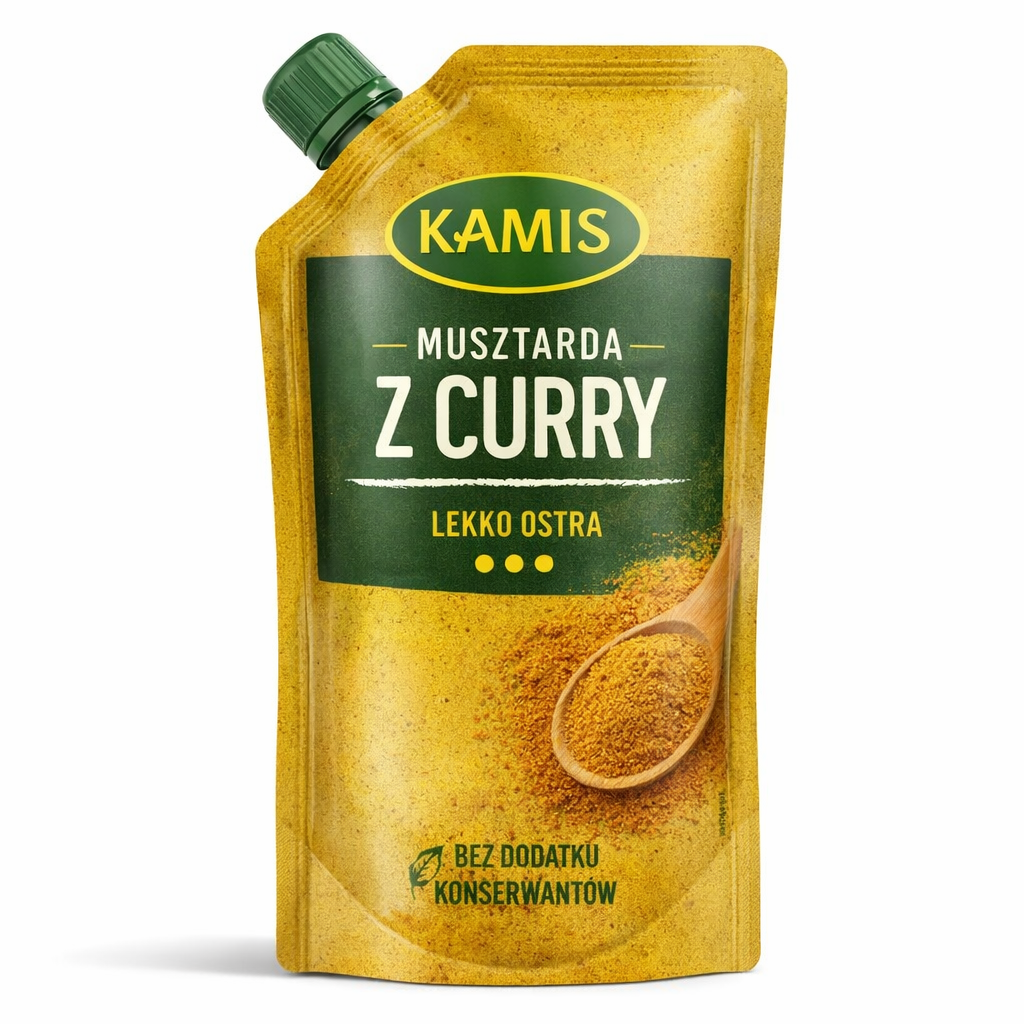
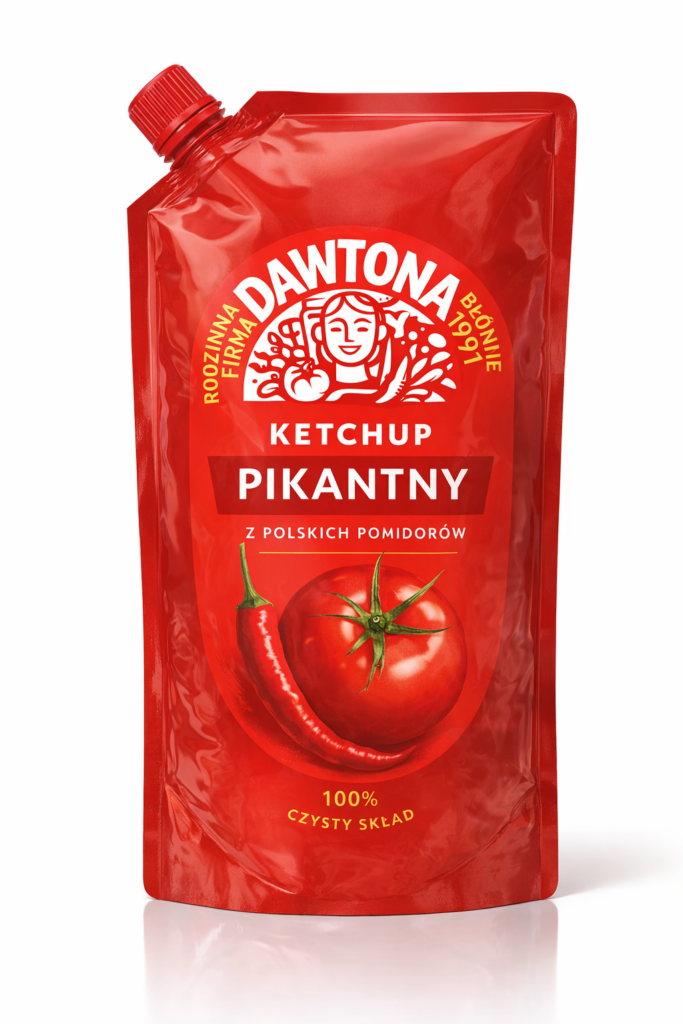
  • What else can you pack in a pouch?

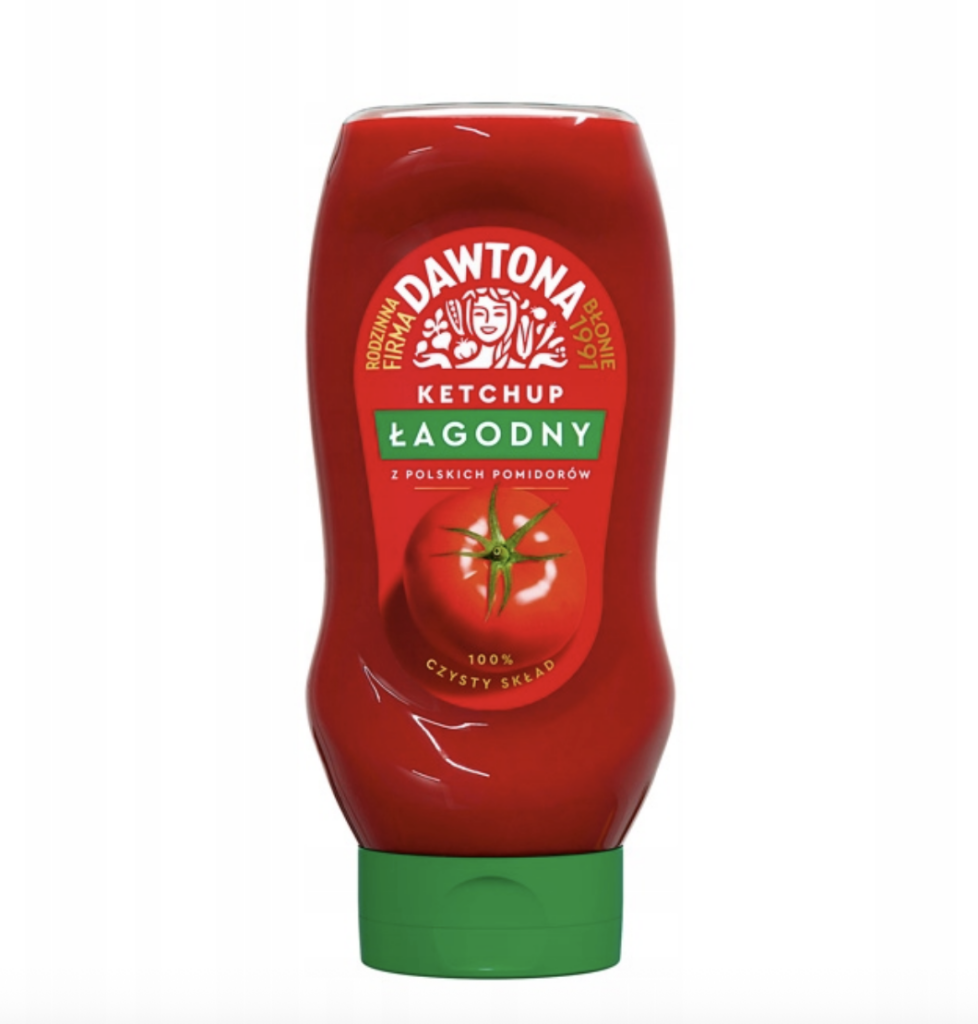
    Visiting a store this week, I saw the first real sign of spring in FMCG: BBQ displays are back.
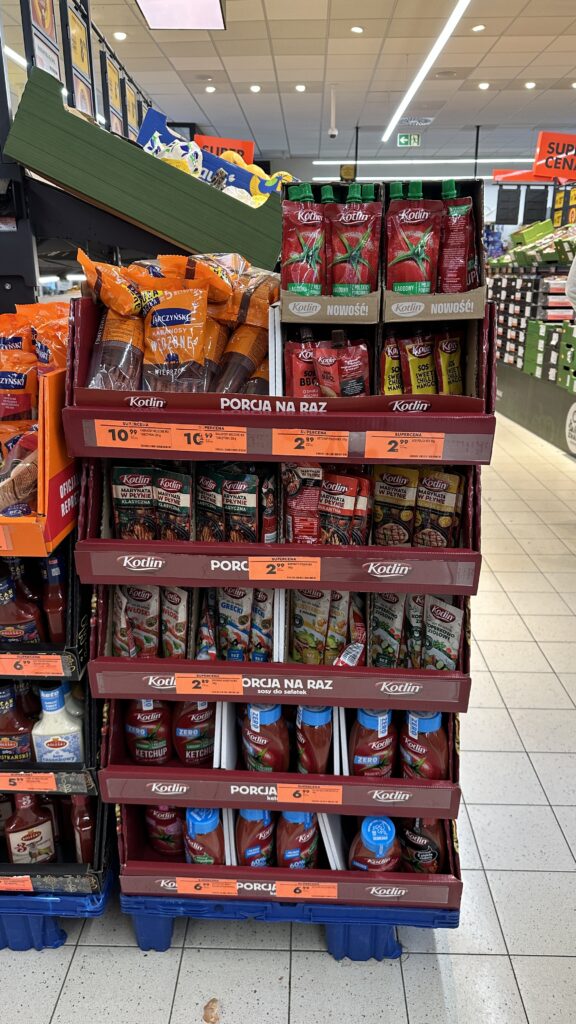
    But something specific here caught my attention.

    We are witnessing a shift from family-size formats to single-occasion packaging.

    Think about a typical BBQ setup:

    • paper plates, cutlery
    • sauces
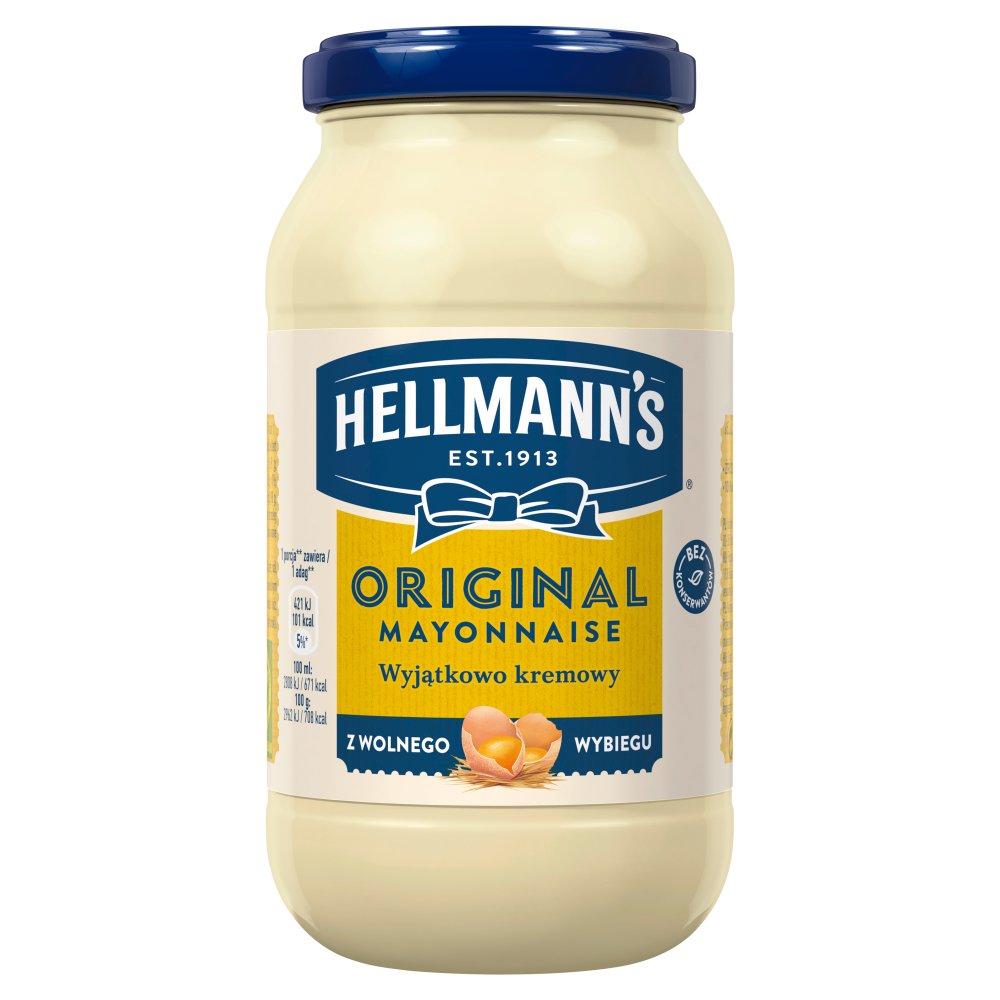
    • a large jar of mayonnaise, mustard and a bottle of ketchup, a BBQ, barbecue sauce, Thousand Island dressing…

    Imagine the last point. All those jars and bottles.

    It is heavy to carry it. It is expensive one-time-cost – inflating the bill of BBQ.

    After party is over the question come- who takes the leftovers home? No one wants it, no one feels comofrtable to put it into trash.

    500g ketchup suddenly becomes a problem, not a solution. It’s inefficient, wasteful. This is where pouches come in.


    UX is quietly winning

    Traditional rigid bottles are a design from another era.
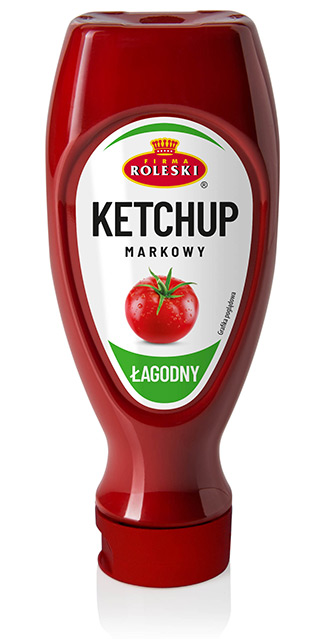
    We all know the moment: the ketchup is “finished”… but not really.
    You shake, you hit, you squeeze — and still leave 10–15% inside.

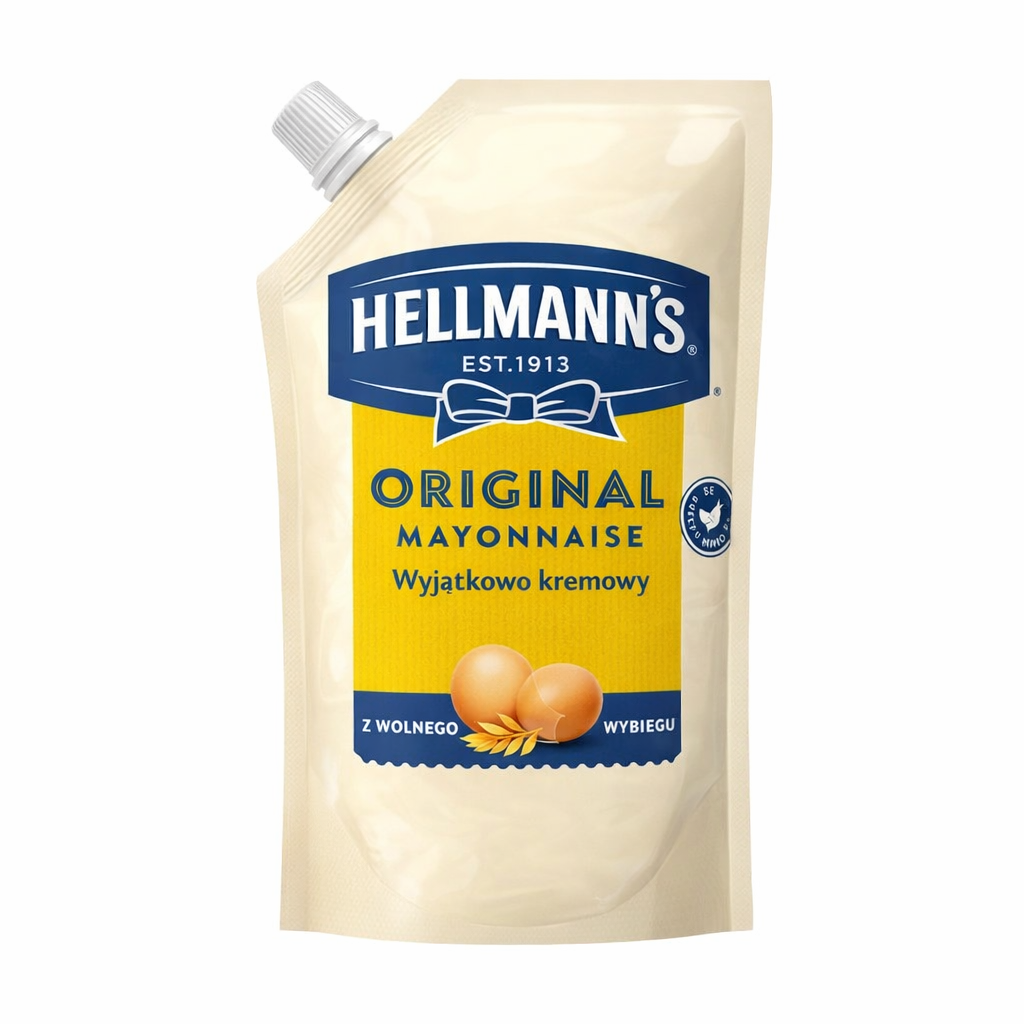
    Pouches solve this perfectly:

    • full evacuation of product
    • intuitive usage (like toothpaste)
    • no frustration at the end

    It’s not just packaging.
    It’s experience design.

    And in FMCG — UX is becoming king again.


    BBQ is just the beginning

    Single-use or single-occasion pouches make perfect sense for:

    • ketchup, mayo, sauces
    • marinades
    • oils & dressings

    They remove friction:

    • no leftovers
    • easy cost-sharing
    • less waste
    • light to carry
    • spoon not needed

    This is not just convenience.
    This is context-based packaging — designed for the moment of use.

    Asia already figured it out

    Travel a bit, and you’ll see how far this can go.

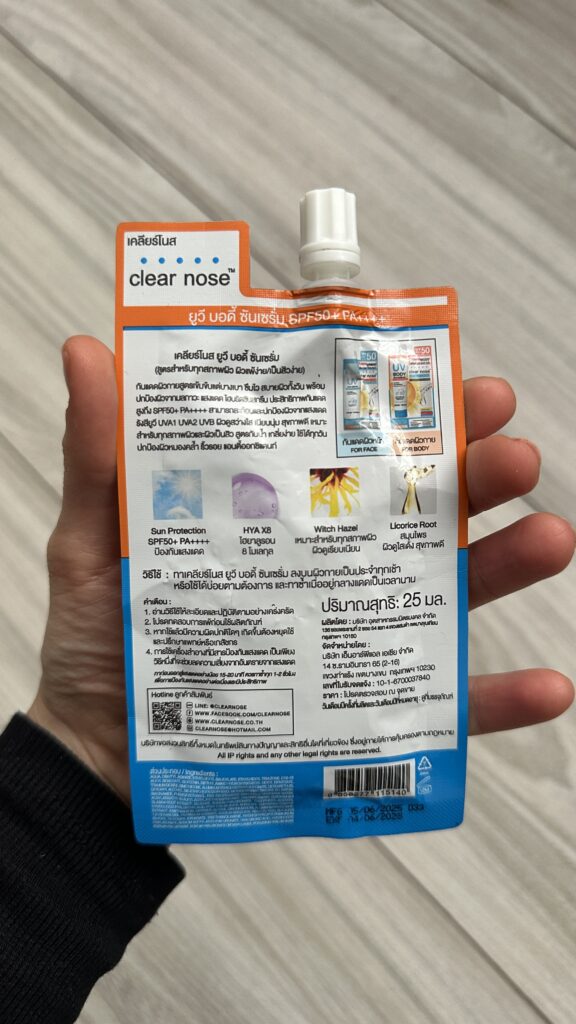
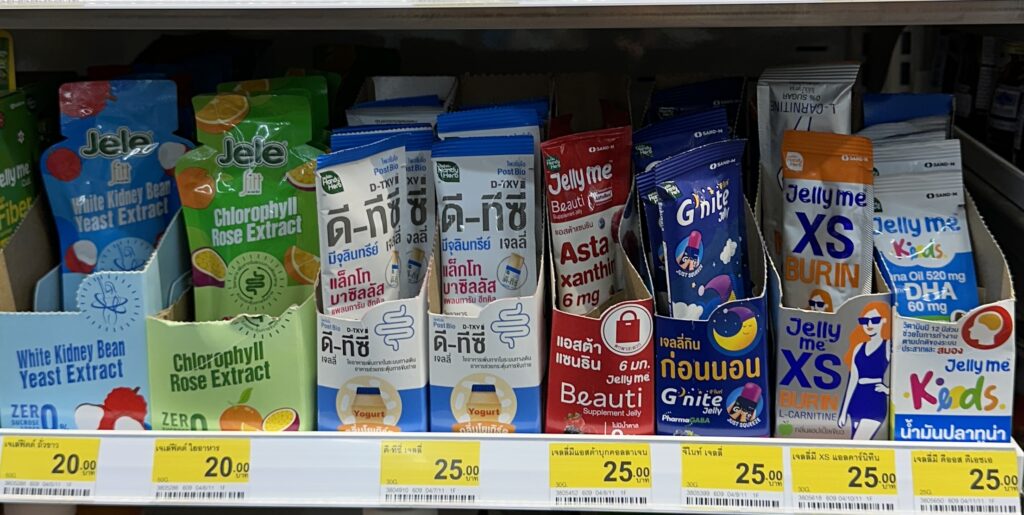
    In many Asian markets, pouches are not a niche — they are a default format, especially in cosmetics.
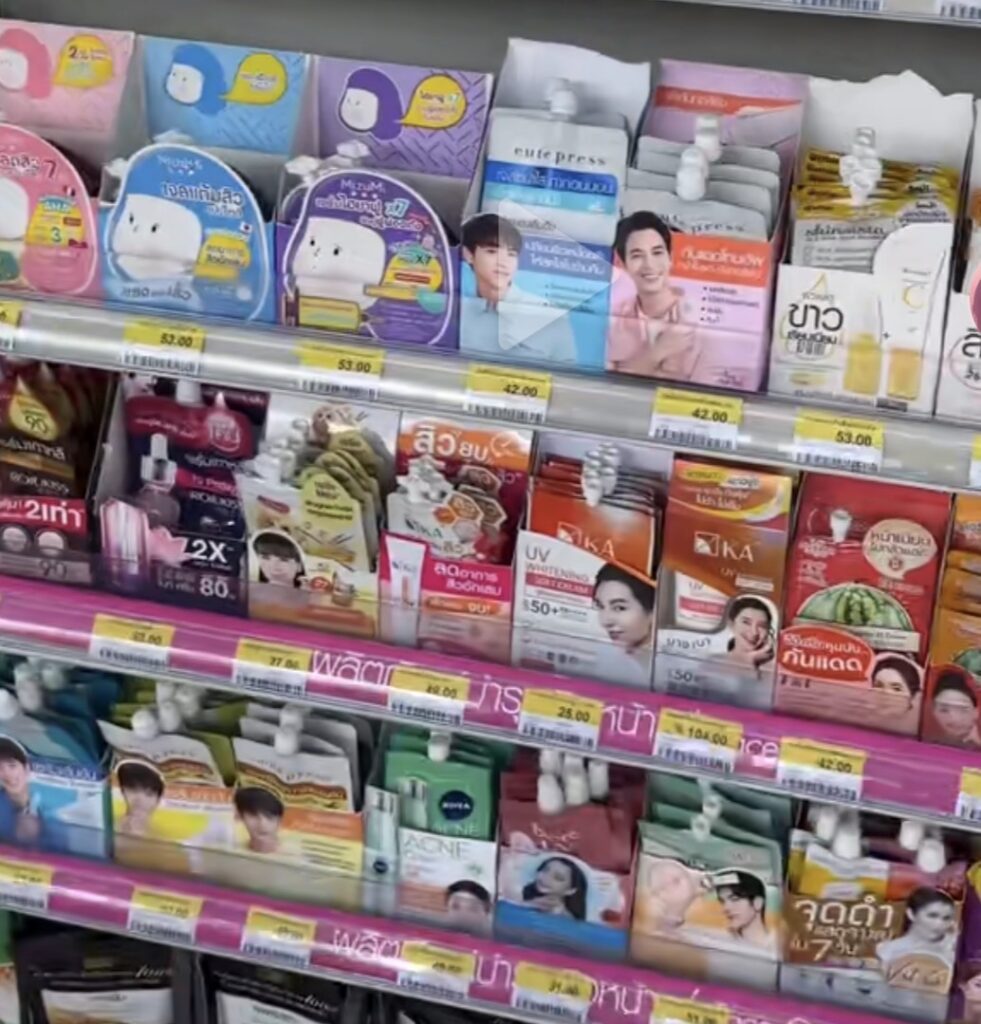
    Seven Eleven Store

    And this is where it gets really interesting.

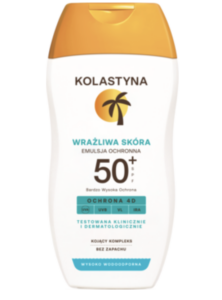
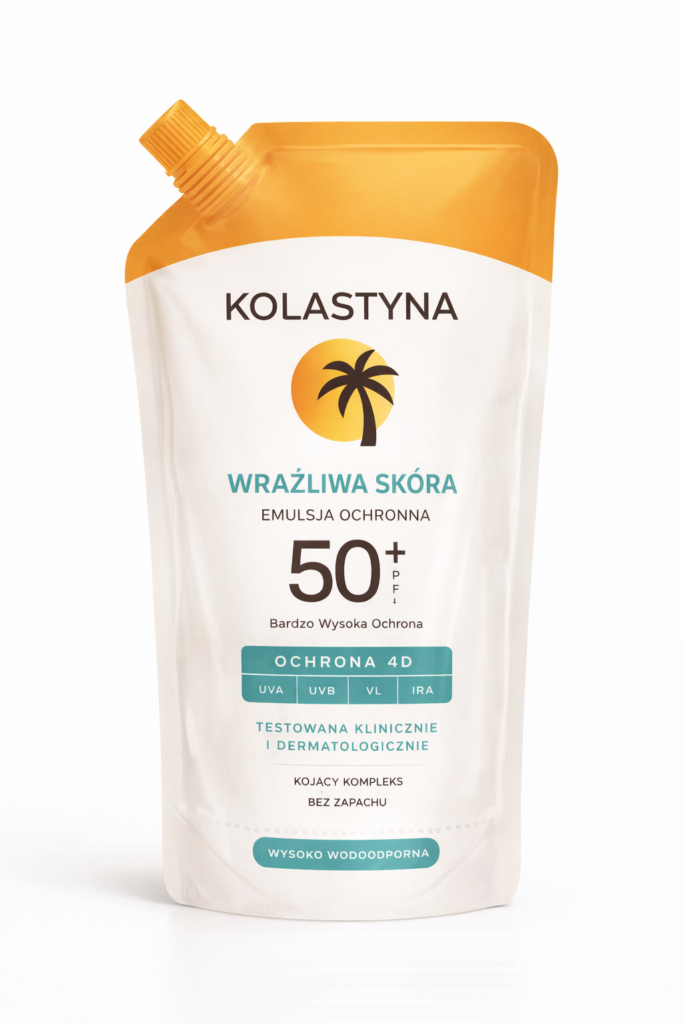
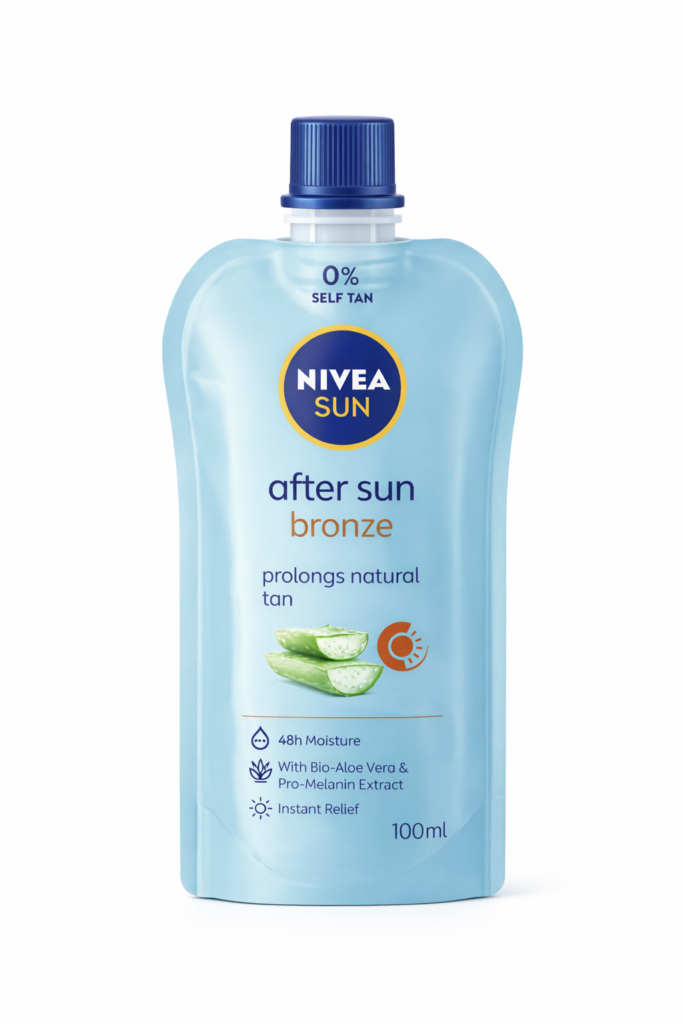
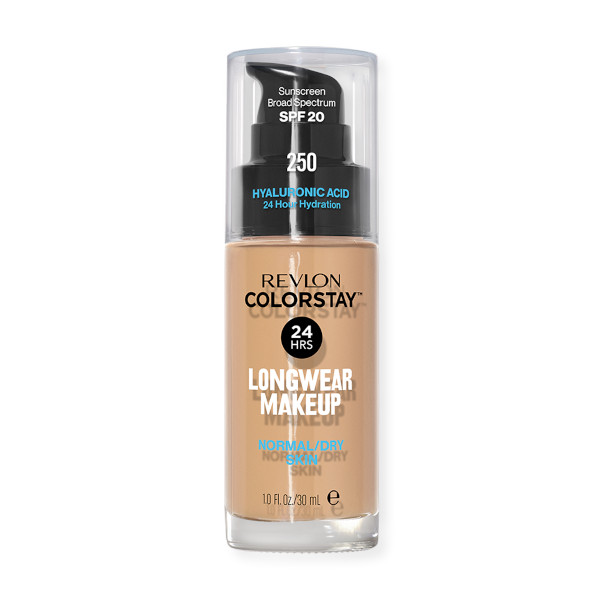
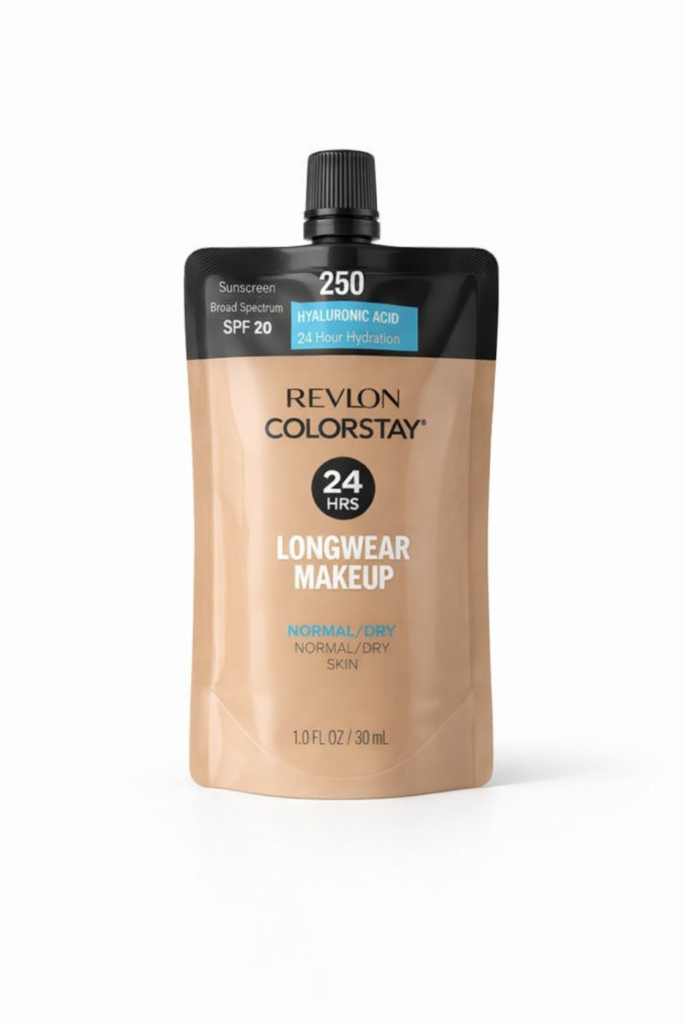
    My personal favorite example: SPF cream in a pouch.
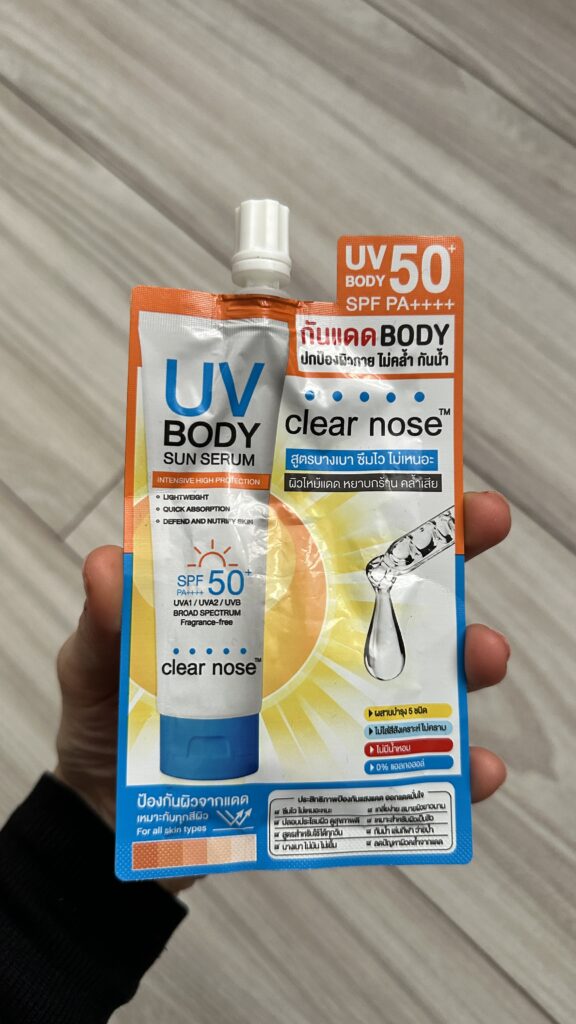
    Why it works:

    • zero leakage risk
    • lightweight
    • flexible — fits anywhere
    • perfect for daily carry

    It removes the biggest barrier to usage: inconvenience.

    With such product something annoying (carrying heavy bottle of SPF protection) becomes less friction act (small product that I can always have with myself and protect skin).

    And that’s the real job of packaging.


    Poland: strong in food, early in beauty

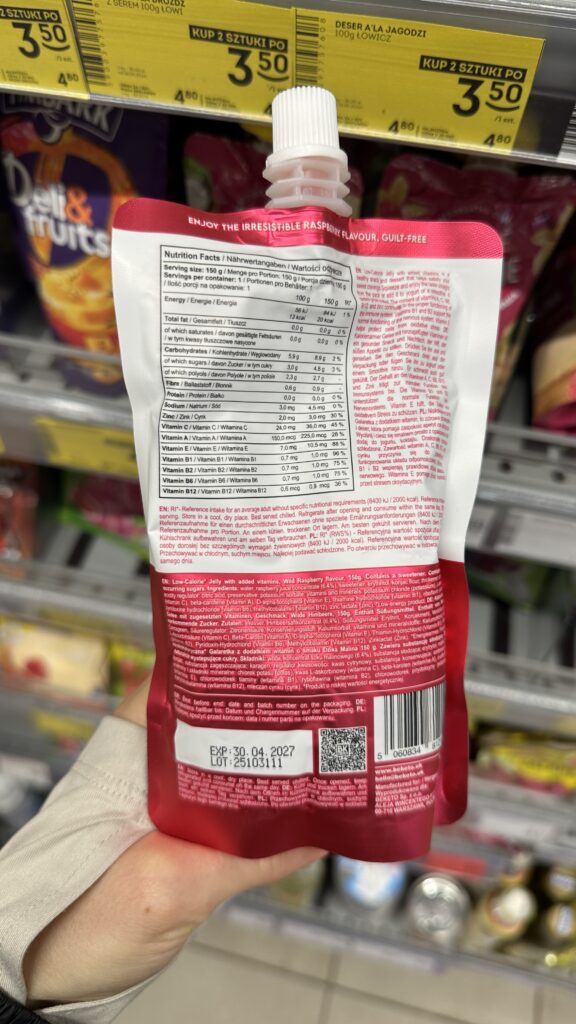
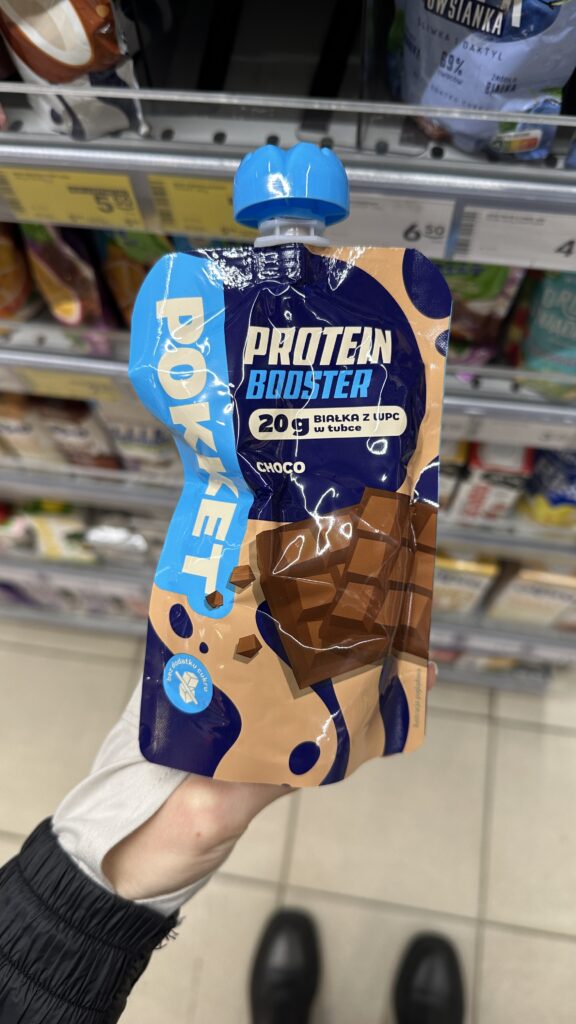
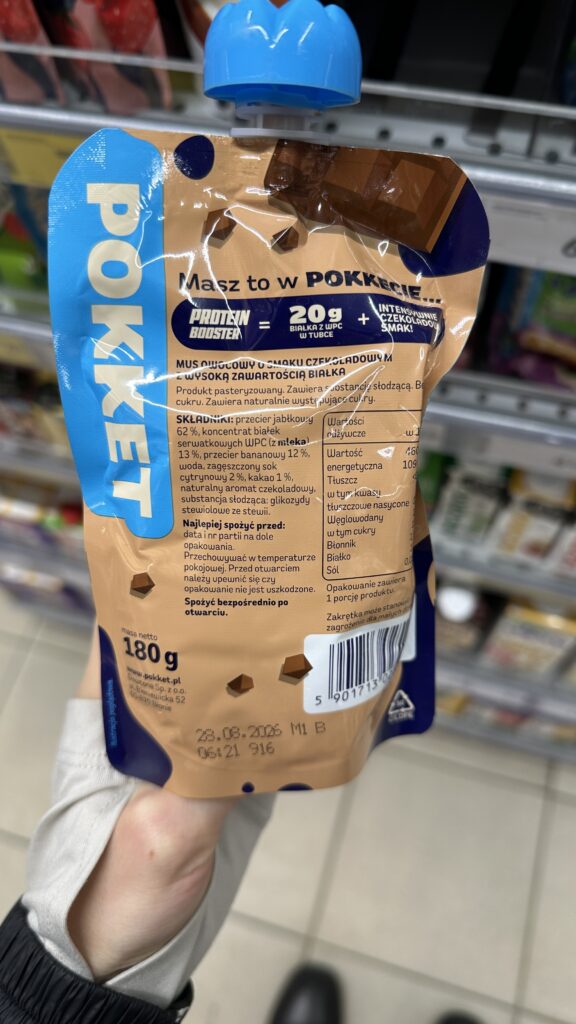
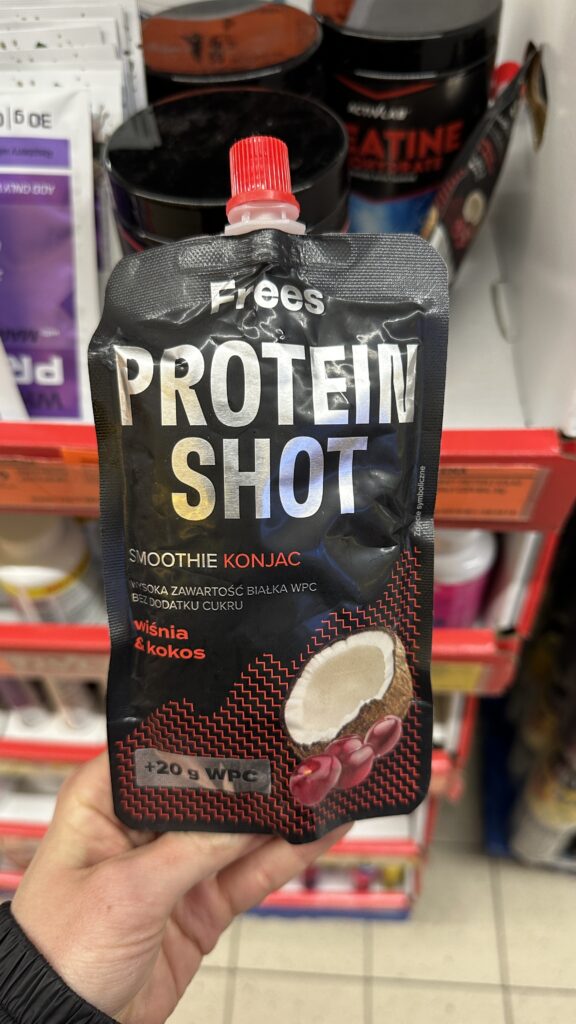
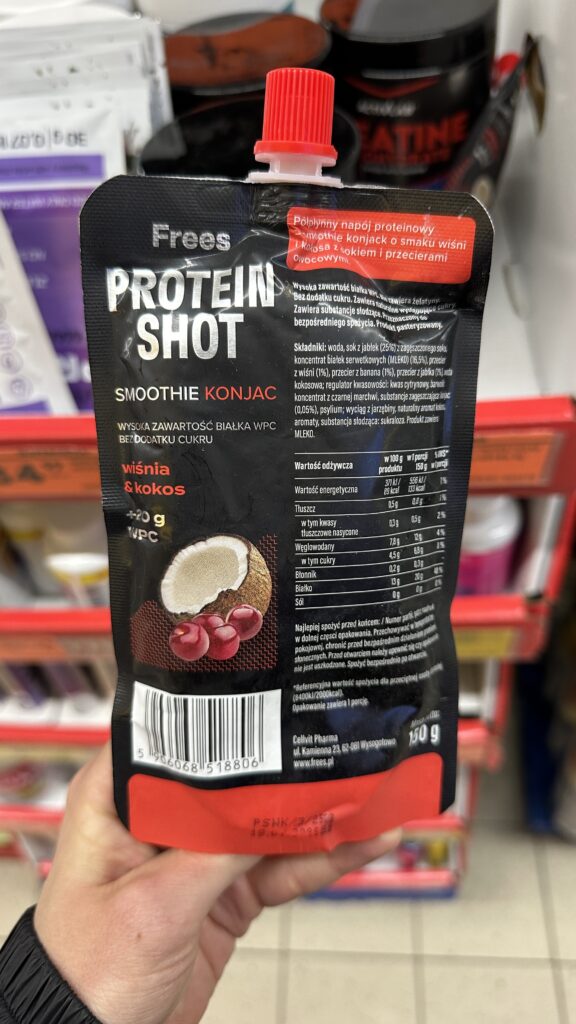
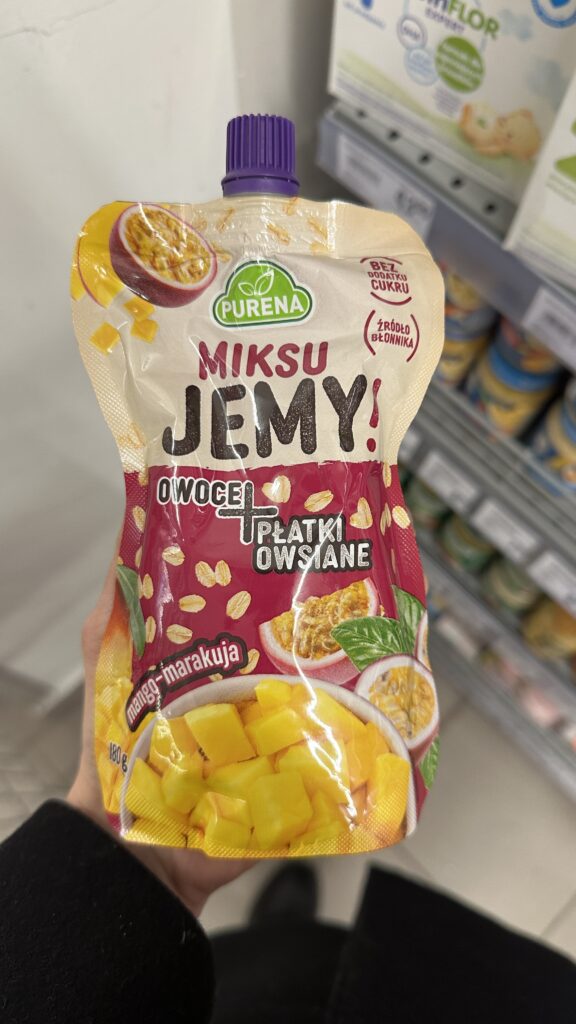
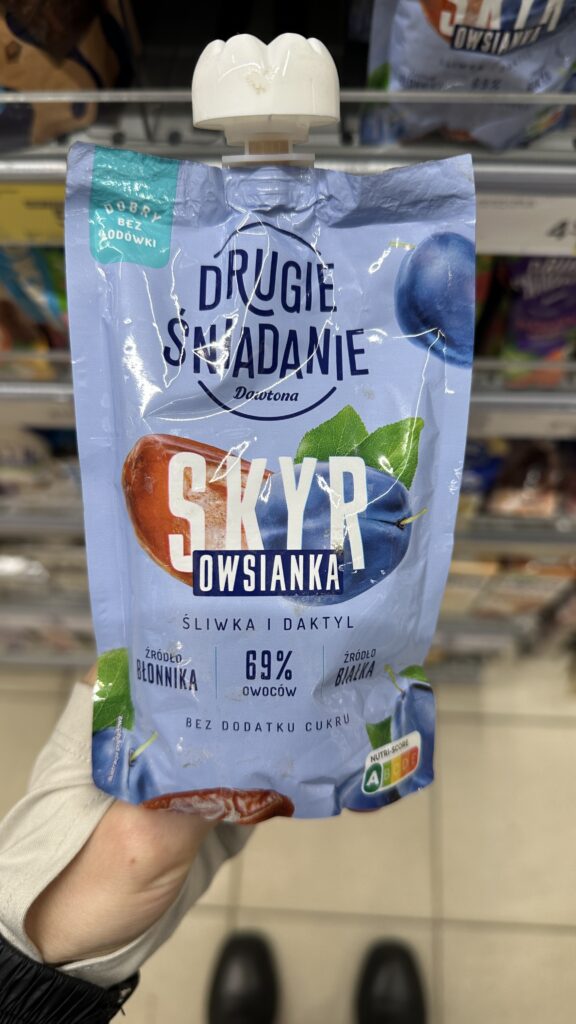
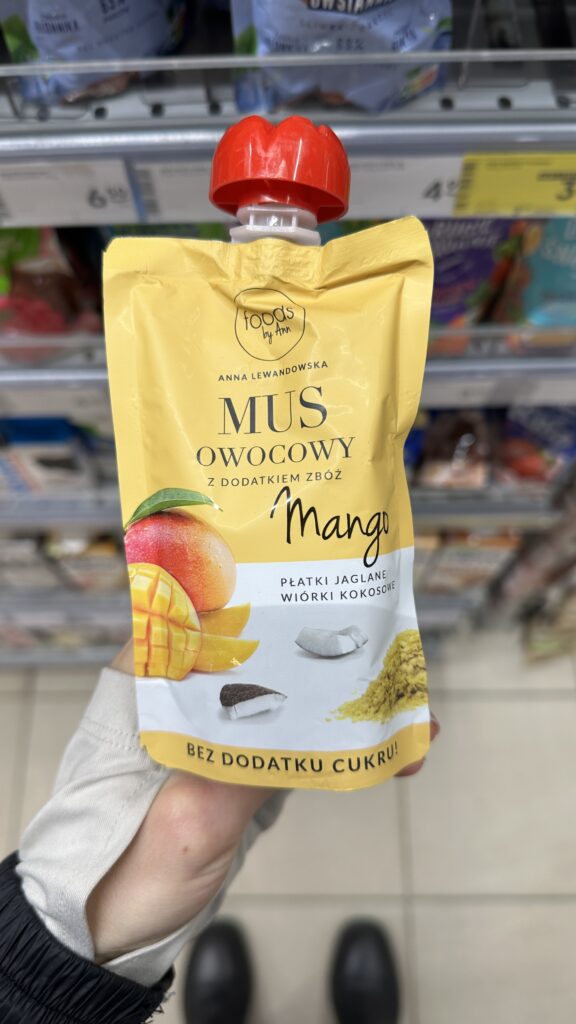
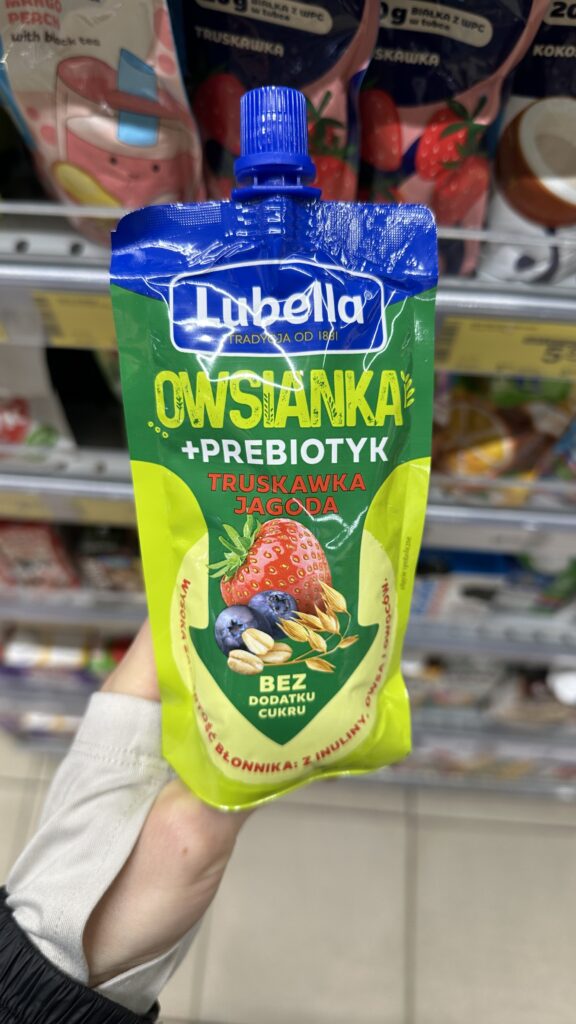
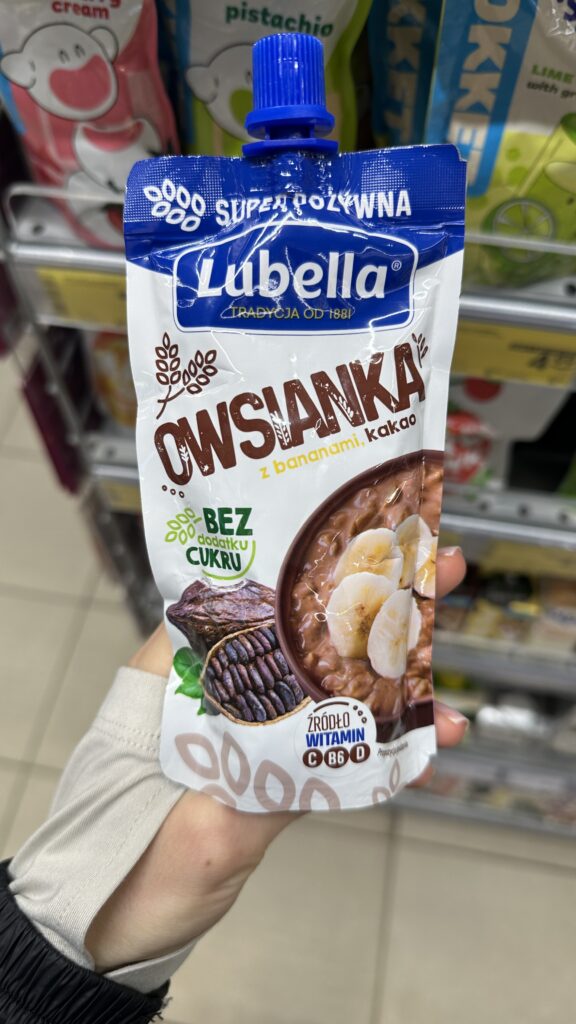
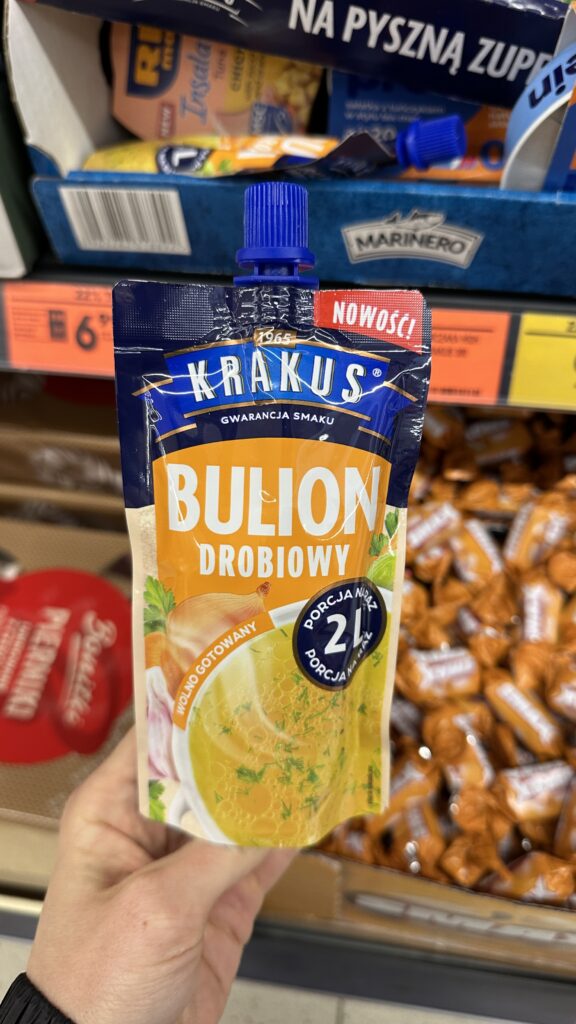
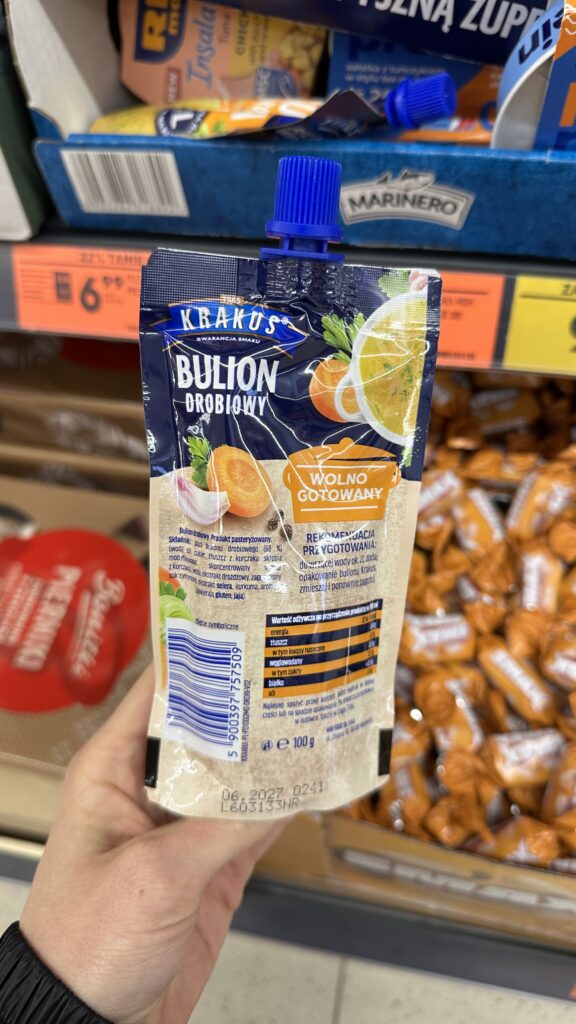
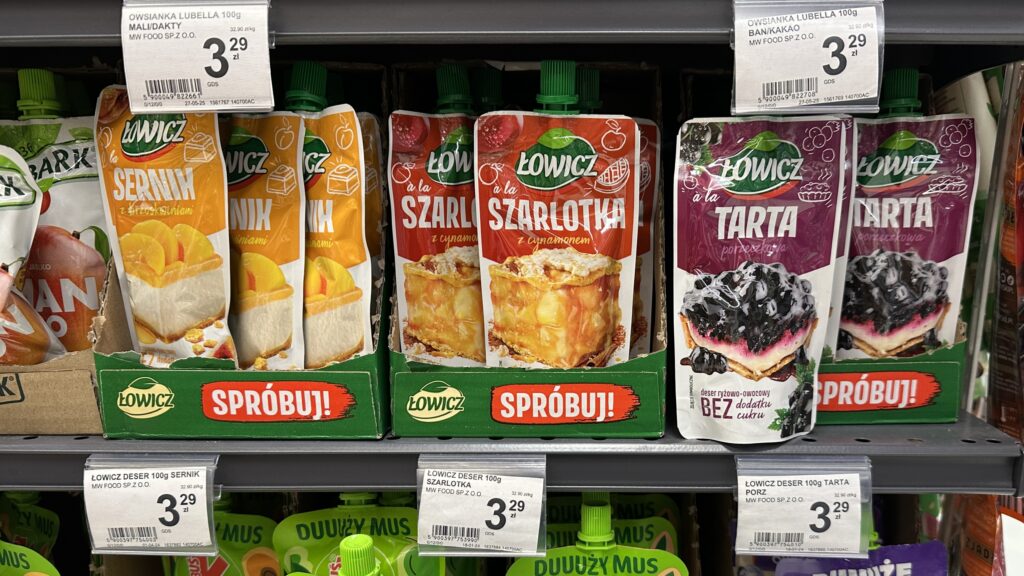
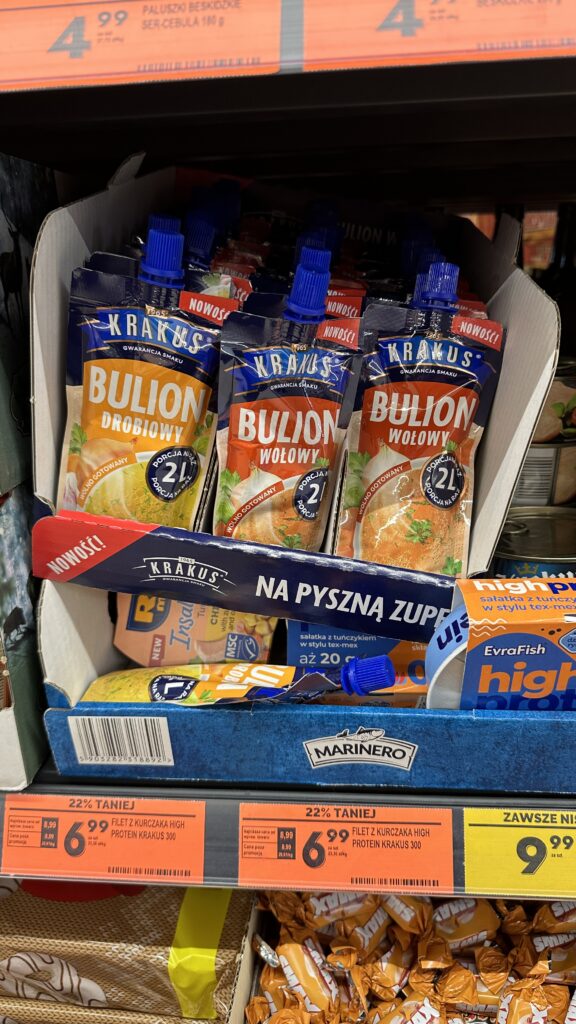
    Poland is already quite advanced in food pouches:

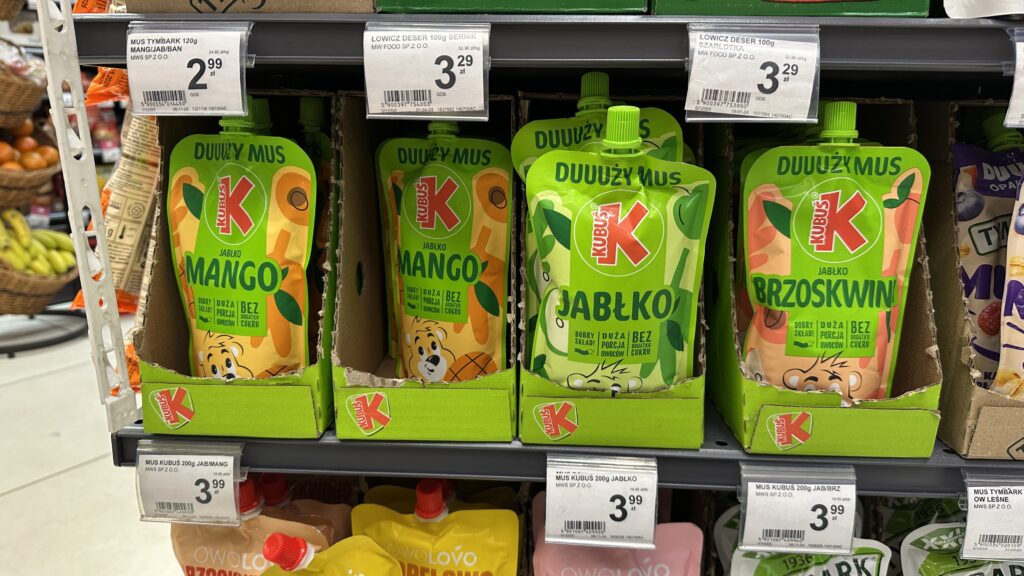
    • kids snacks & fruit mousses
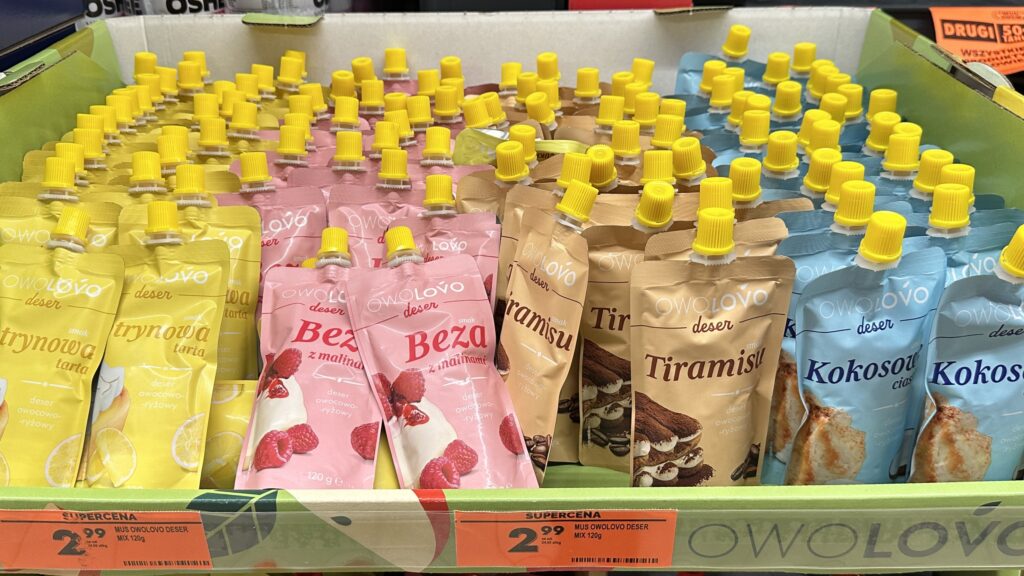
    • dessert-inspired products (i.e. Tiramisu, Pavlova)
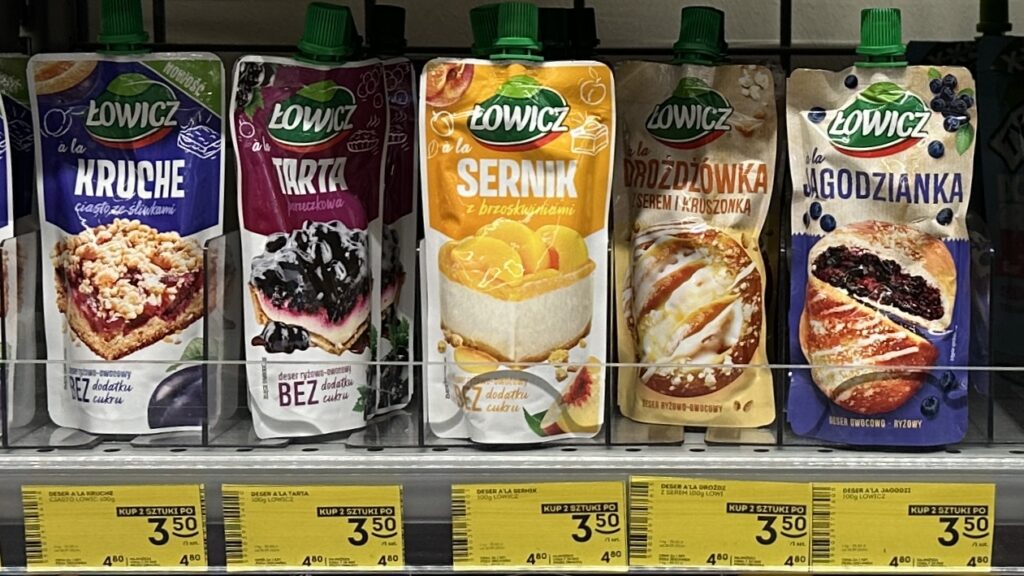
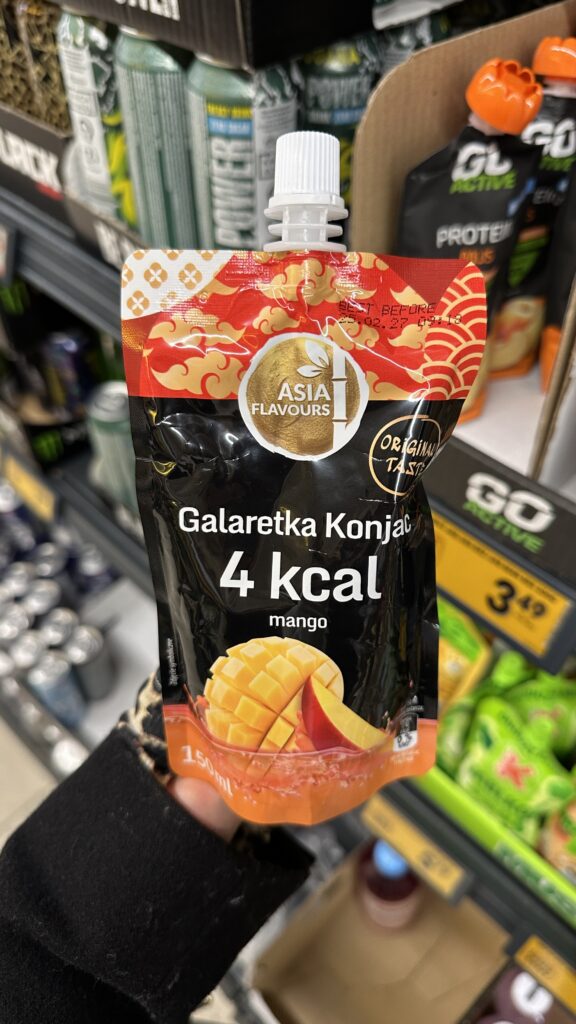
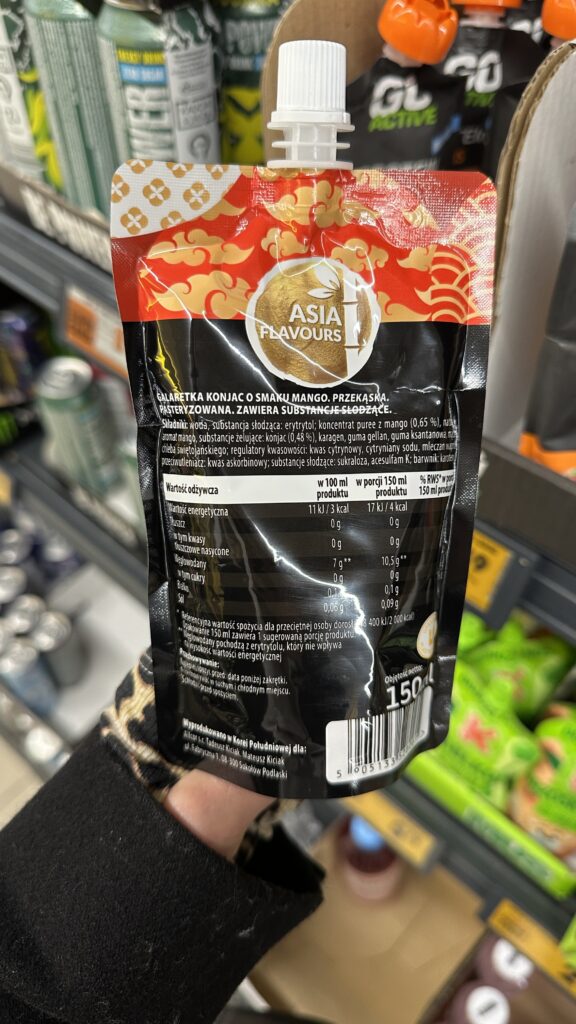
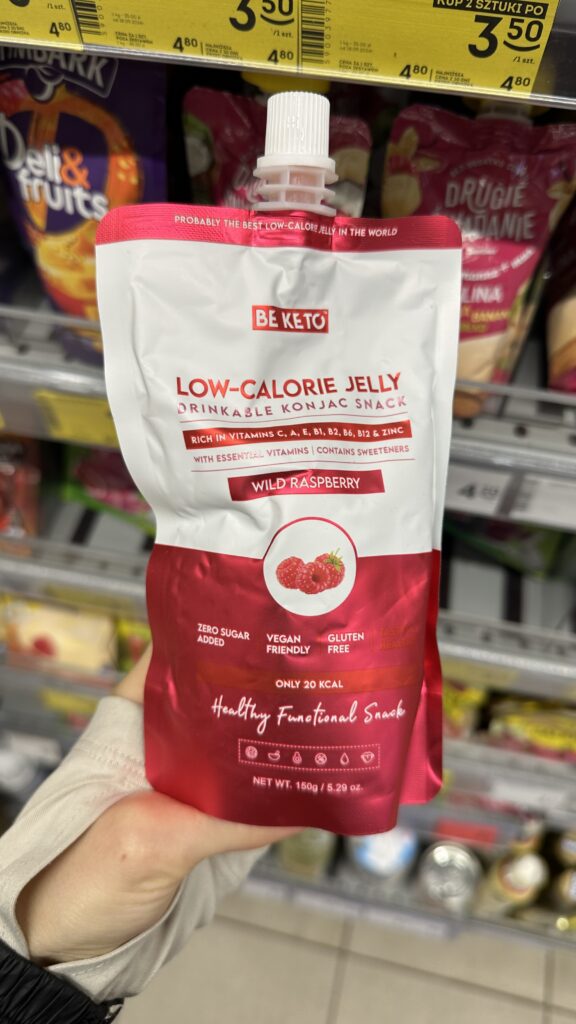
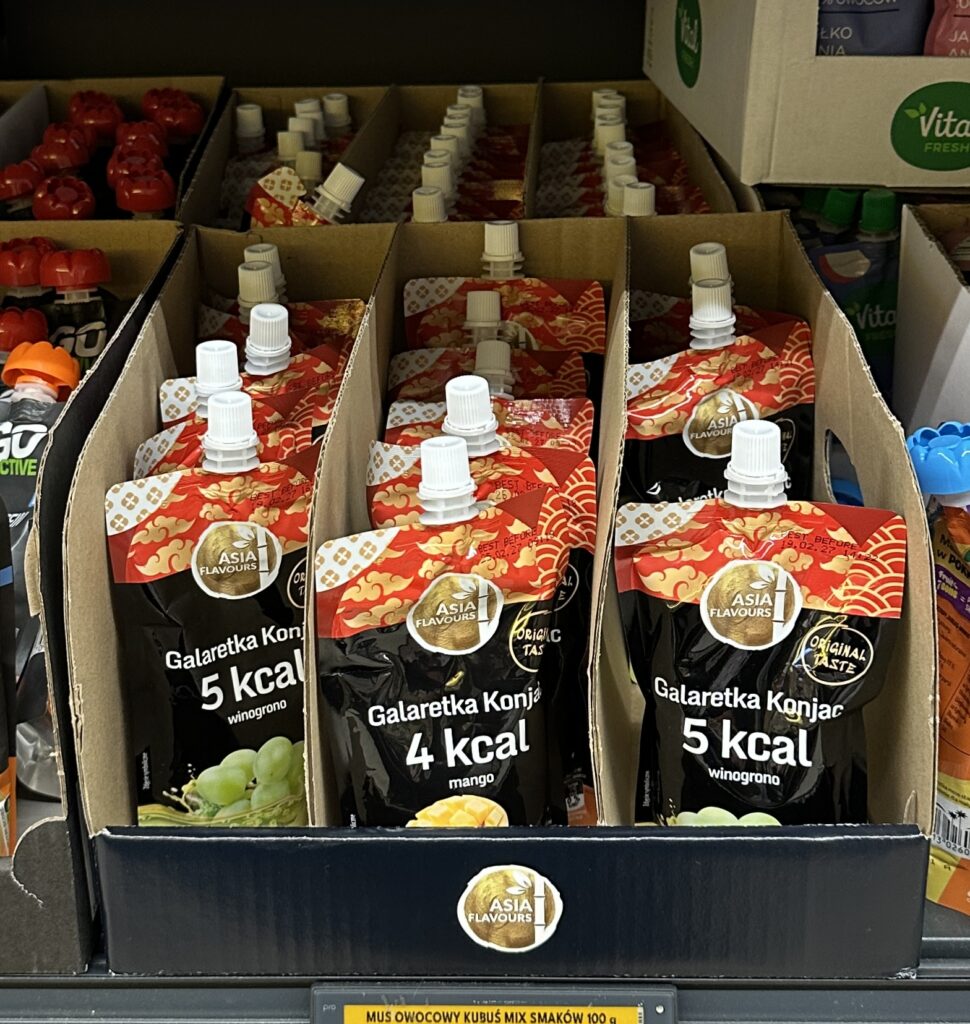
    • “zero” calorie snacks
    • protein products
    • oatmeals, skyr, yoghurts
    • even soup bases (a very smart replacement for stock cubes)
    But in beauty & personal care?

    We are still at the very early stage.


    The real opportunity

    The first brands that move into pouches in cosmetics will win disproportionately.

    Why?

    Because the format delivers on all modern consumer tensions:

    • mobility
    • convenience
    • waste reduction
    • portion control
    • emotional ease (no mess, no risk)

    Low cost of entry.
    High perceived innovation.


    So… what else can you pack in a pouch?

    Almost everything that:

    • is used on-the-go
    • creates leftovers
    • suffers from poor dispensing

    From sauces…
    to skincare, makeup…
    to functional nutrition.

    The format is ready.

    Now it’s about who moves first.
  • Your shopping basket is about to turn green

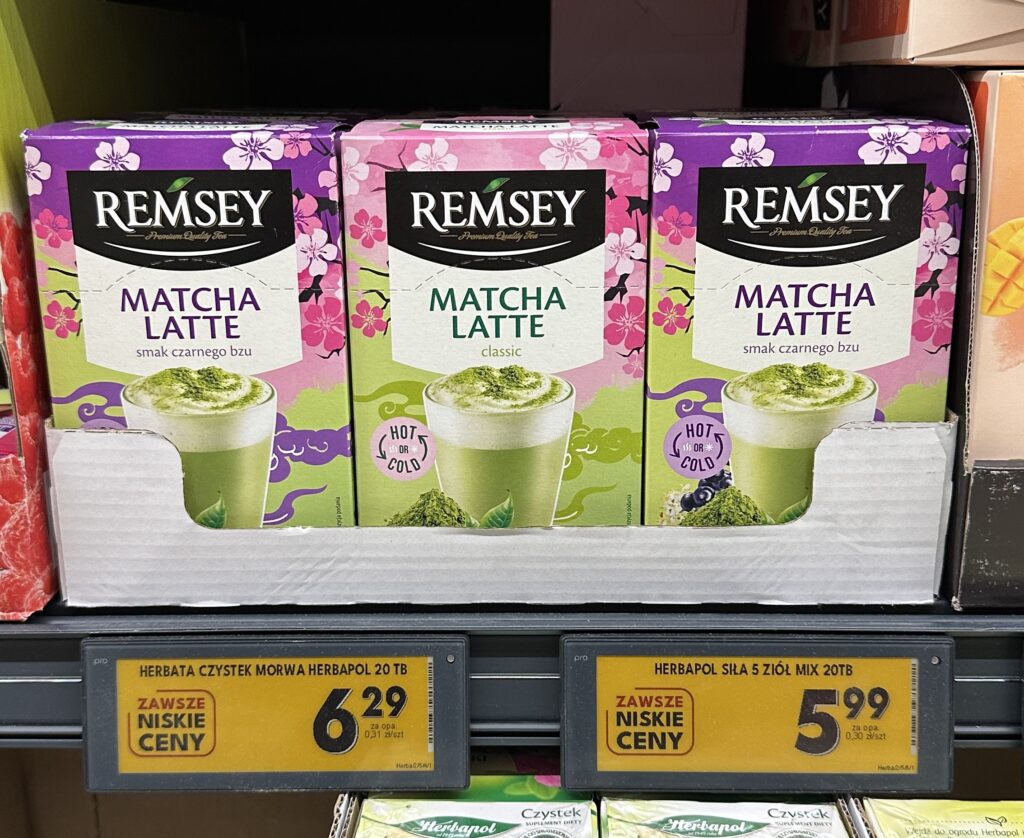
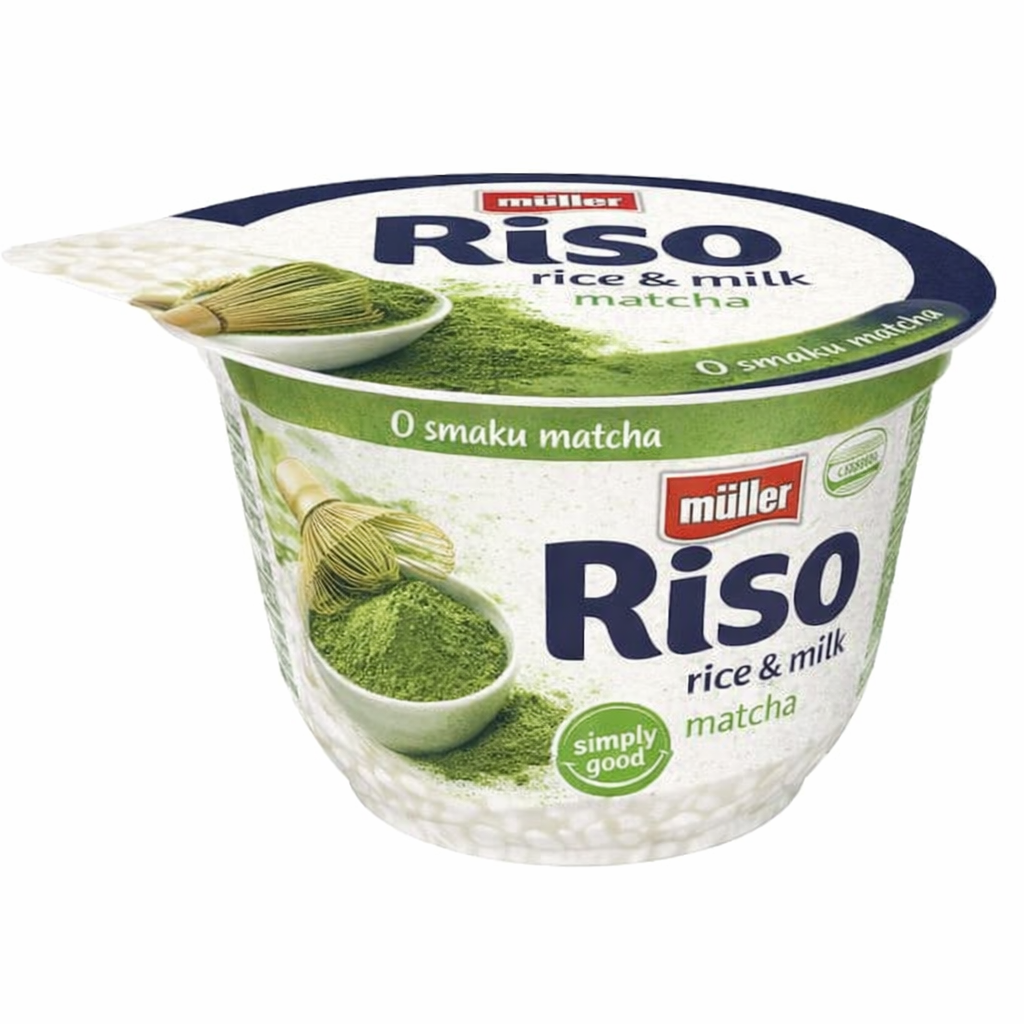
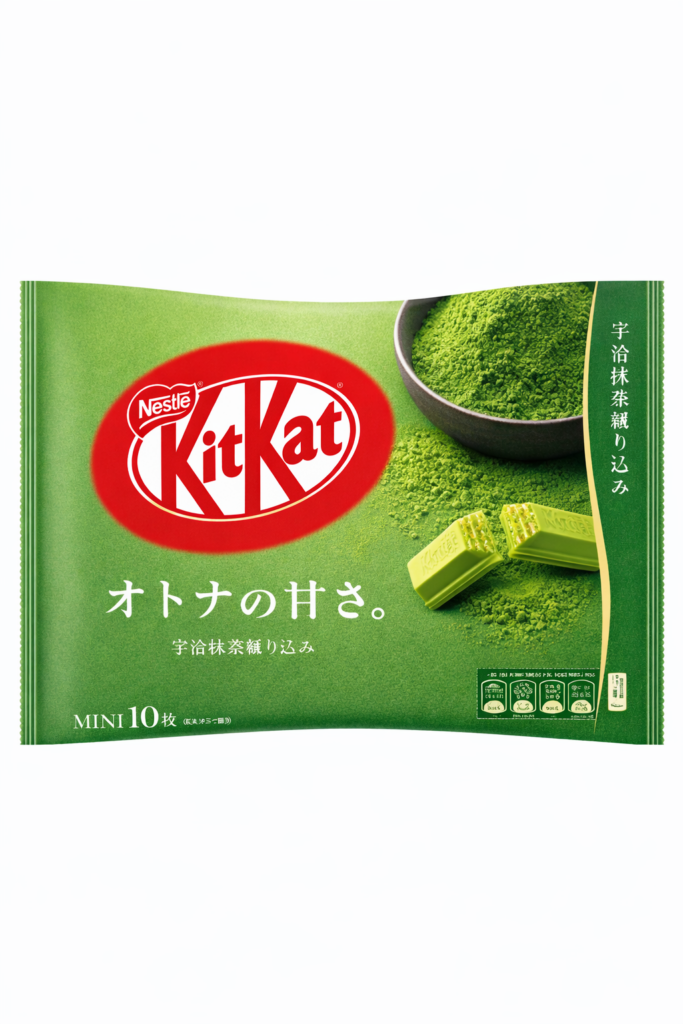
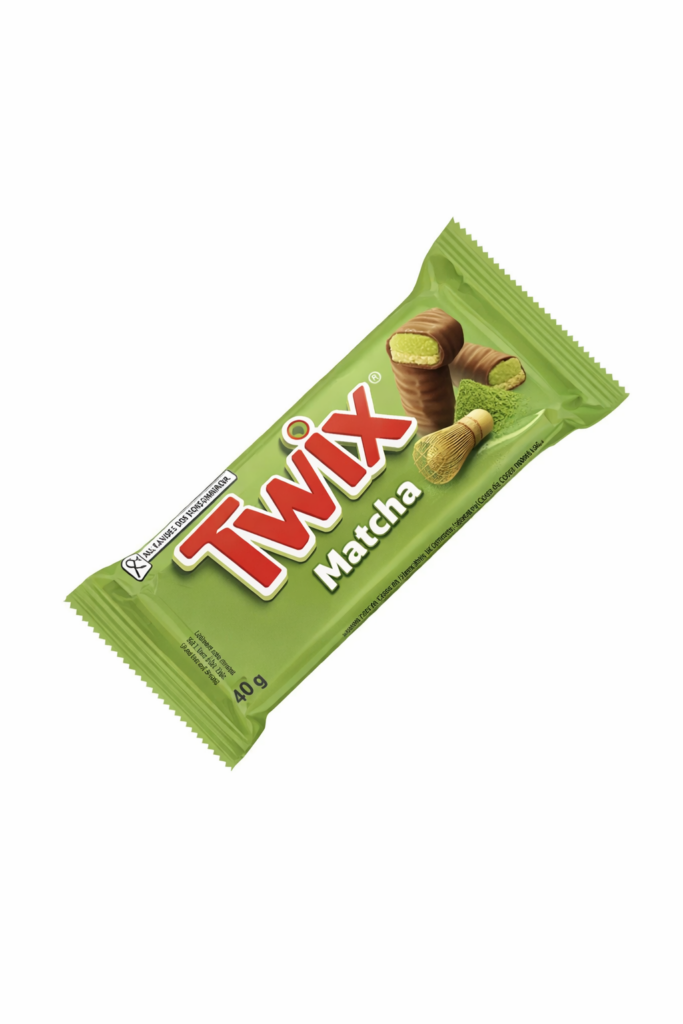
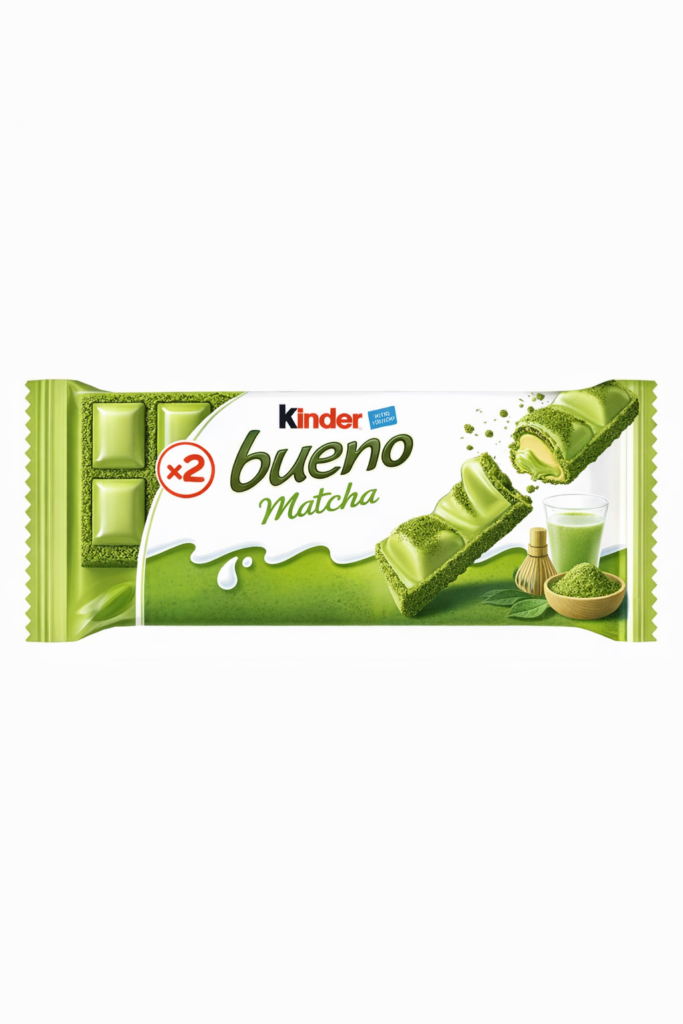
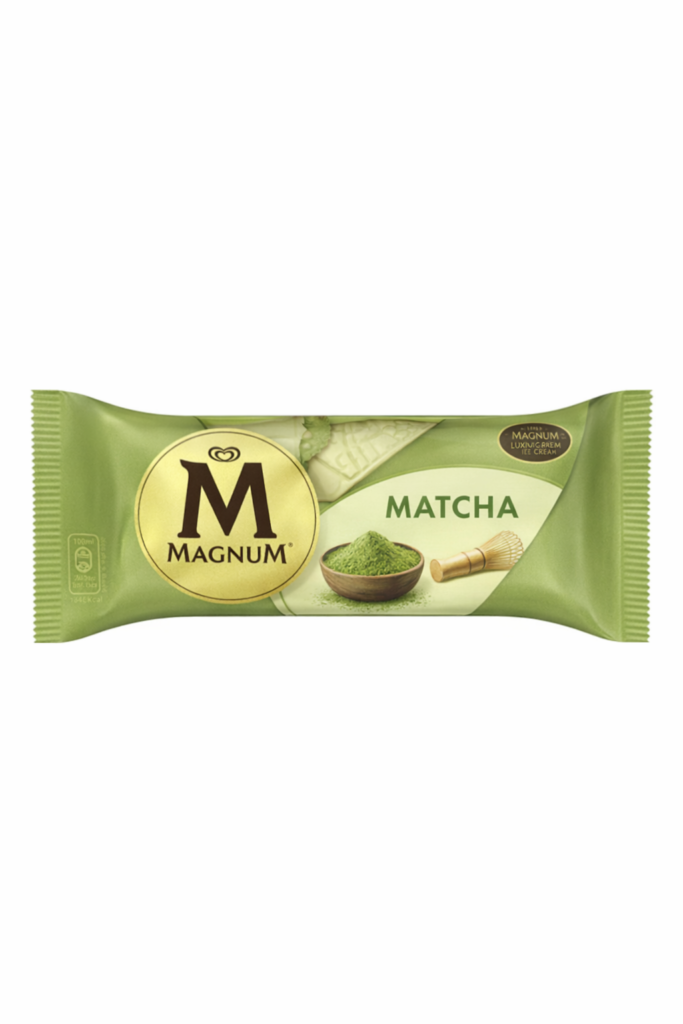
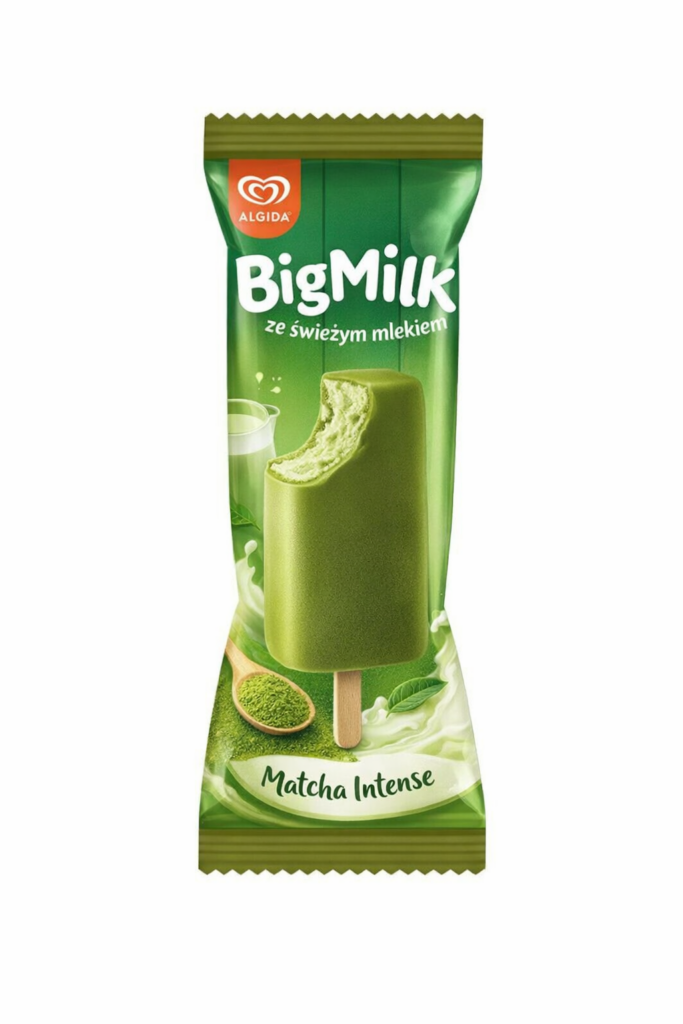
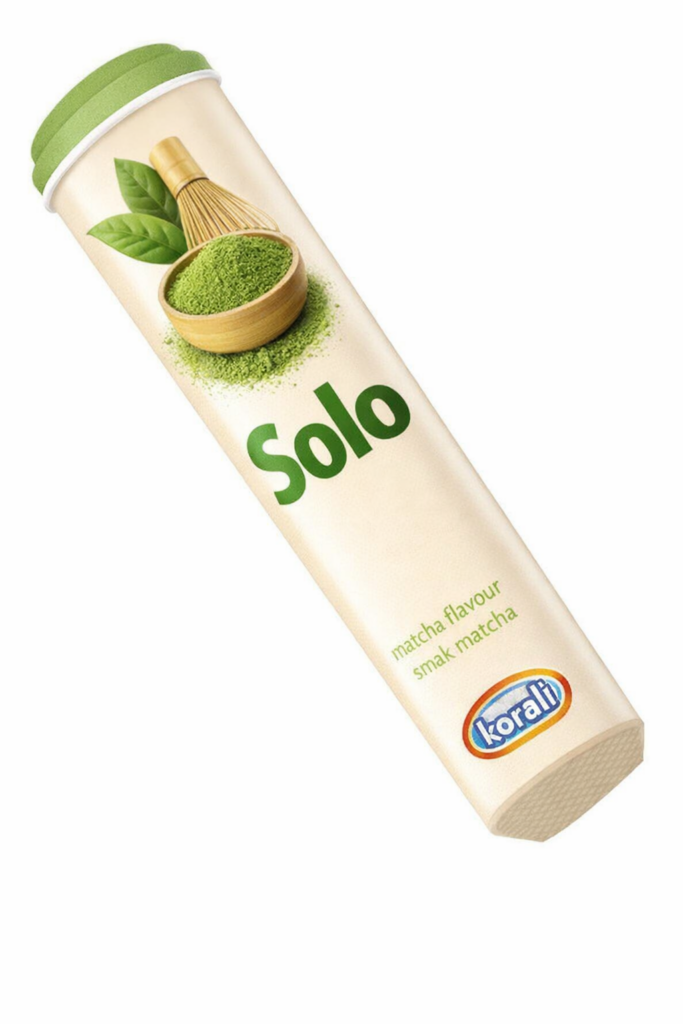
    While the world is currently obsessed with the soft pinks of Japan’s cherry blossoms, the FMCG aisles are blushing a very different color: Matcha Green.

    It feels as though we’ve blinked and the “Pistachio Fever” of last year has been seamlessly swapped for a “Matcha Obsession”. It is nearly impossible to navigate a store today without spotting a “green innovation” on every second shelf.

    The formula for a 2026 hit seems deceptively simple:

    1. take your bestseller,
    2. add a dash of matcha,
    3. wrap it in forest-green branding,
    4. …and watch it fly. Voilà!

    Let’s look at who is winning the green rush and where matcha actually makes sense but hasn’t arrived yet.
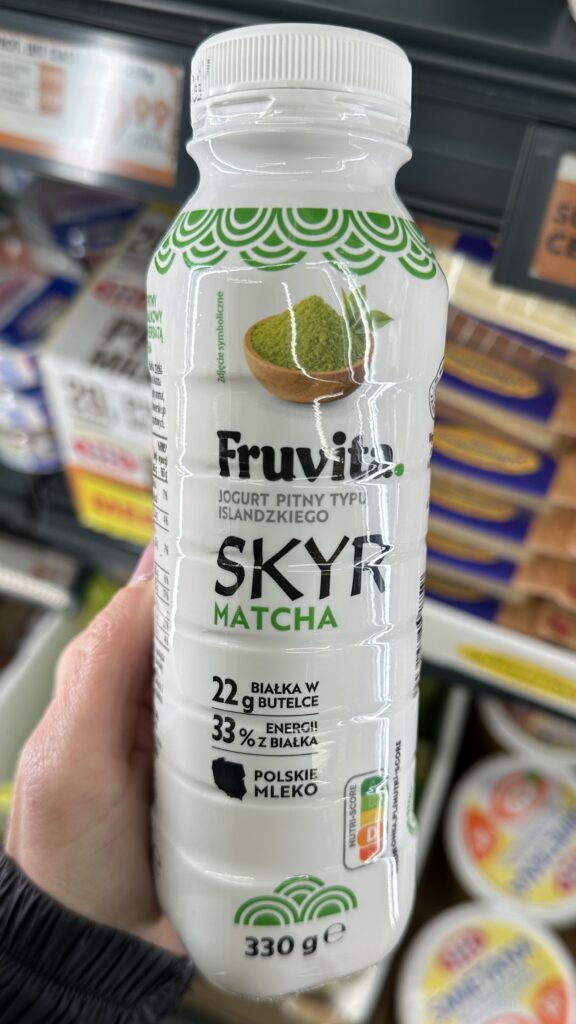
    1. Skyr Drink
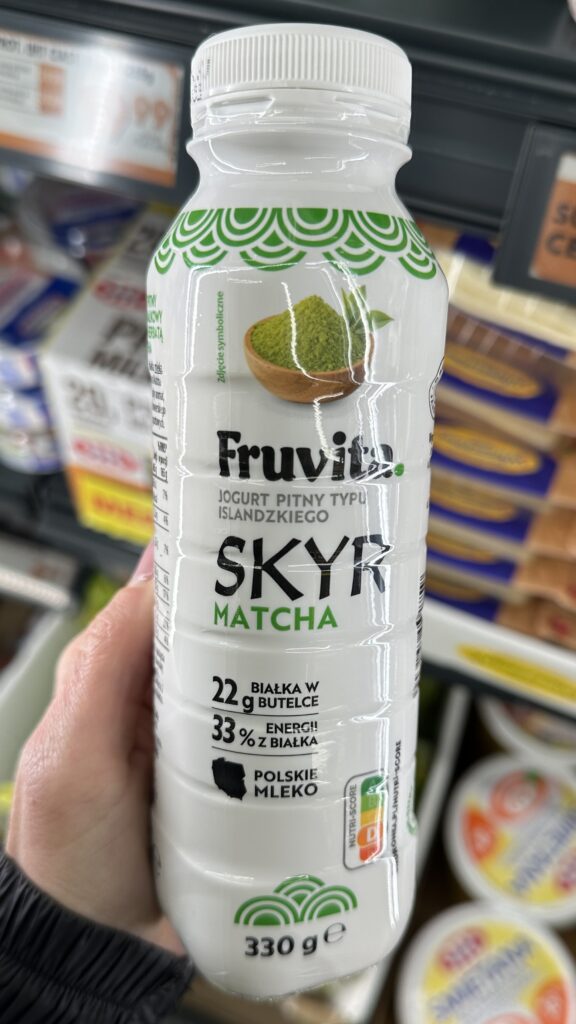
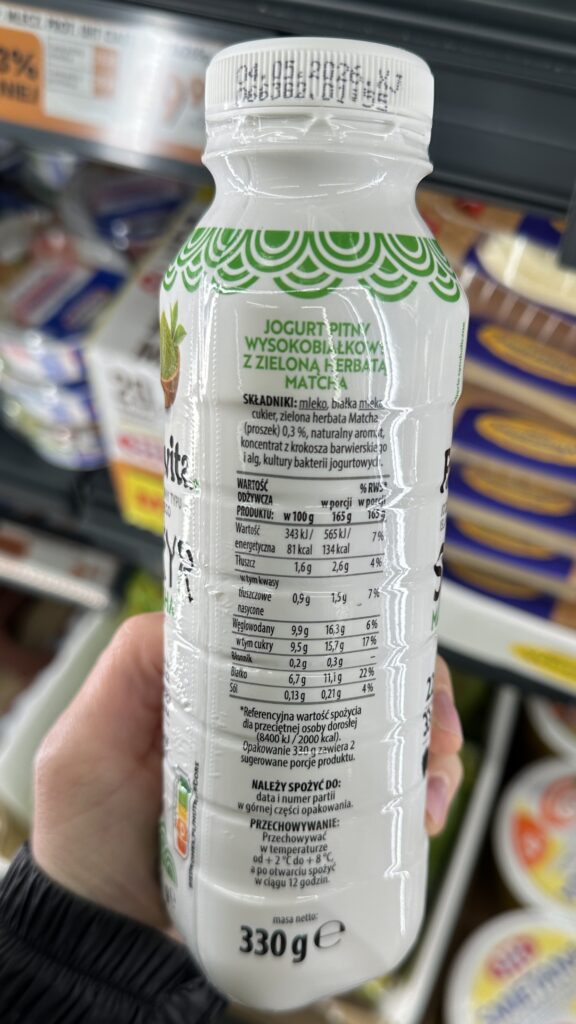
    The combination of a high-protein Icelandic-style yogurt with this specific tea infusion is a brilliant move that targets the “modern achiever” persona—someone looking for functional health benefits (high protein) and a mental boost in a convenient, on-the-go format. While the packaging design maintains a clean, typical of Biedronka’s private label, the highlight of 22g of protein justifies the price point for the Polish market, where high-protein dairy remains a premium-yet-accessible staple for health-conscious consumers. This product successfully bridges the gap between a traditional snack and a functional supplement, making it a highly relevant addition to the competitive “fit” segment of local retail shelves.
    2. Plant Based Drink

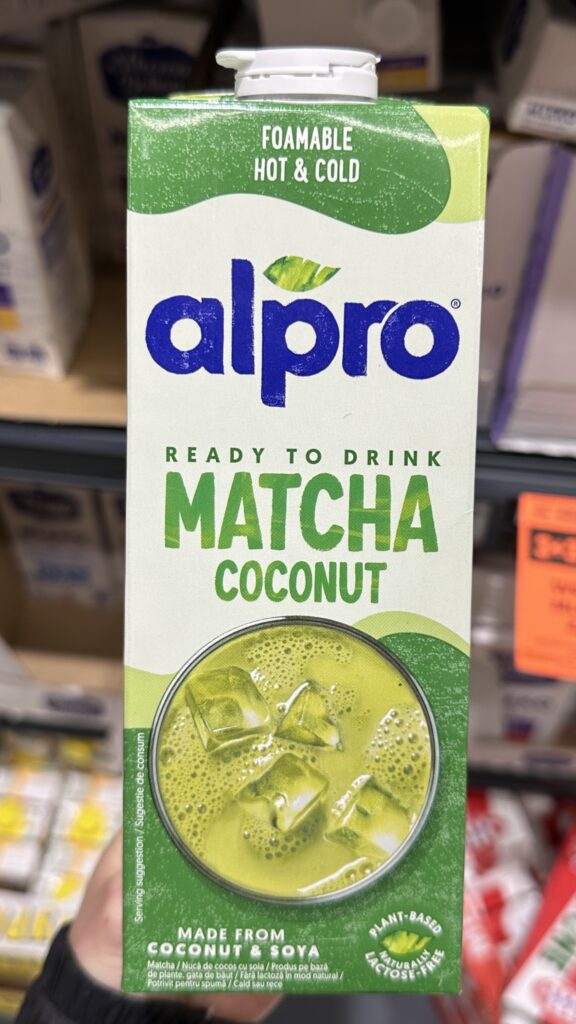
    This is a calculated move by Alpro to dominate the “home-barista” segment, offering a foamable, ready-to-drink solution that eliminates the hassle of manual mixing for the urban Gen Z and Millennial target who value aesthetic, plant-based lifestyle rituals. The vibrant, clean packaging design perfectly signals freshness and high-tier positioning. The product’s strength lies in its versatility—being equally functional for iced Summer drinks or hot lattes—making it a sophisticated, staple for the modern health-conscious pantry.

    3.Muesli Crunchy

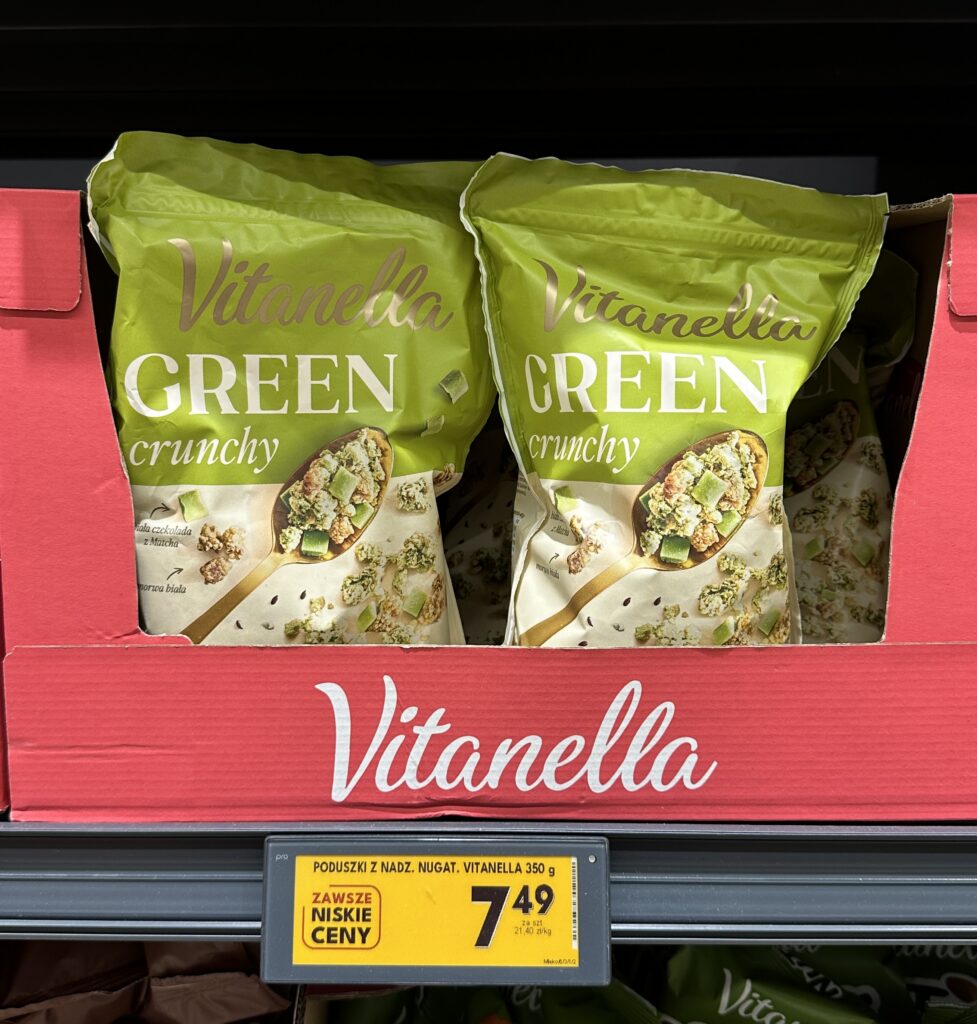
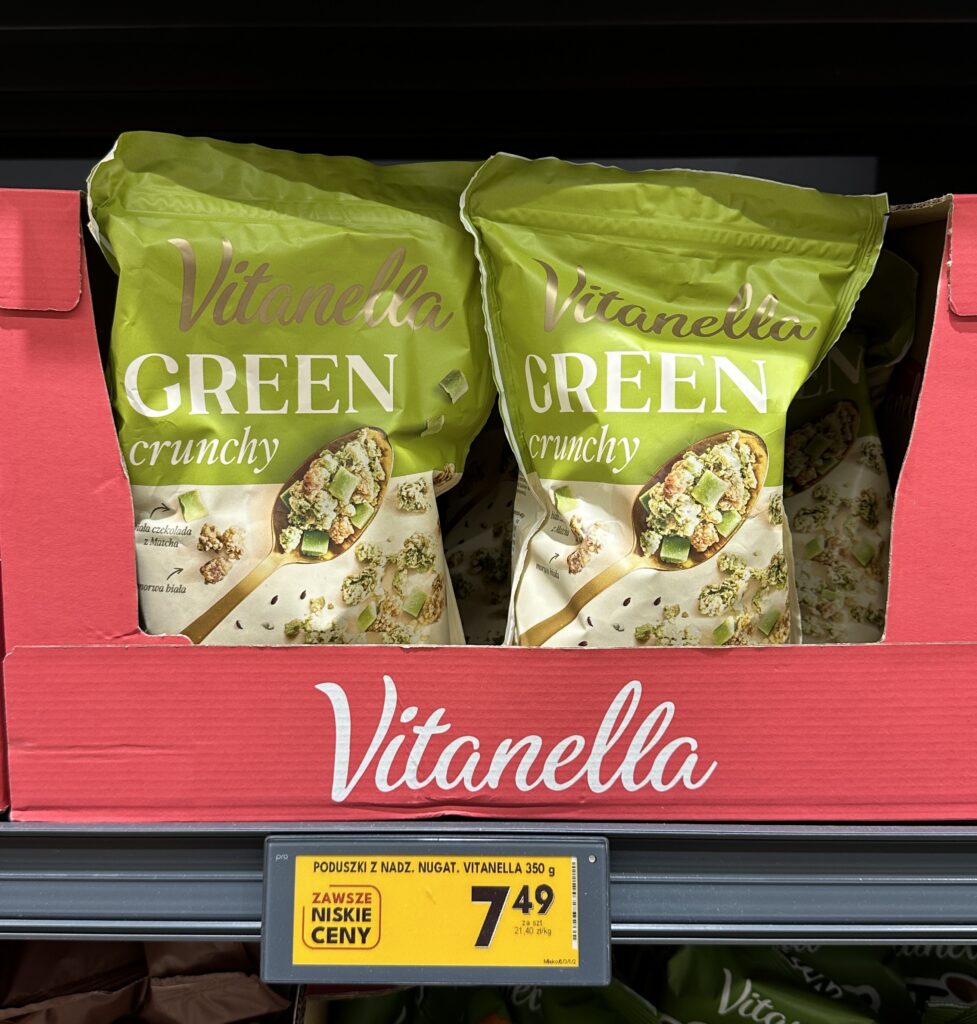
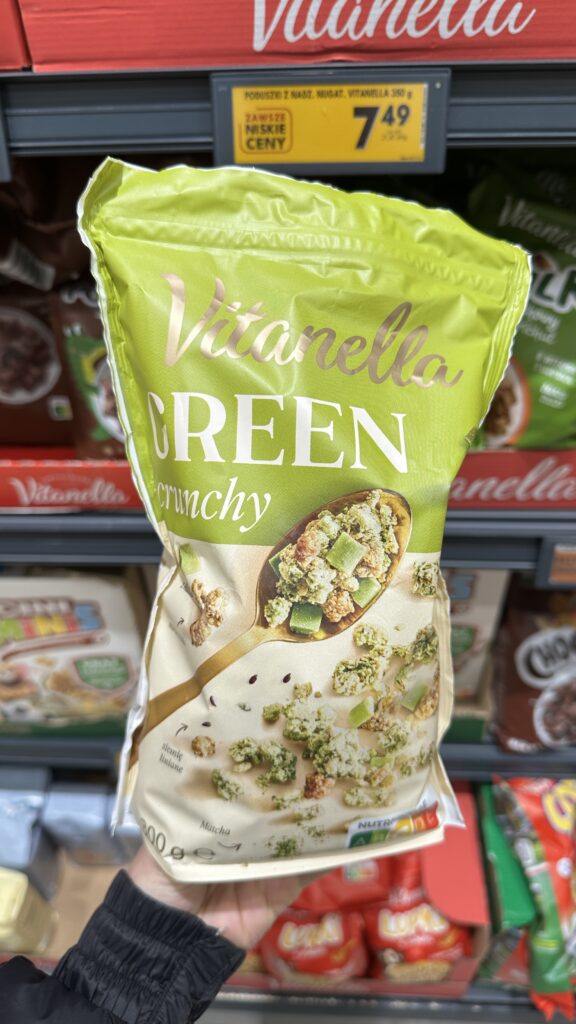
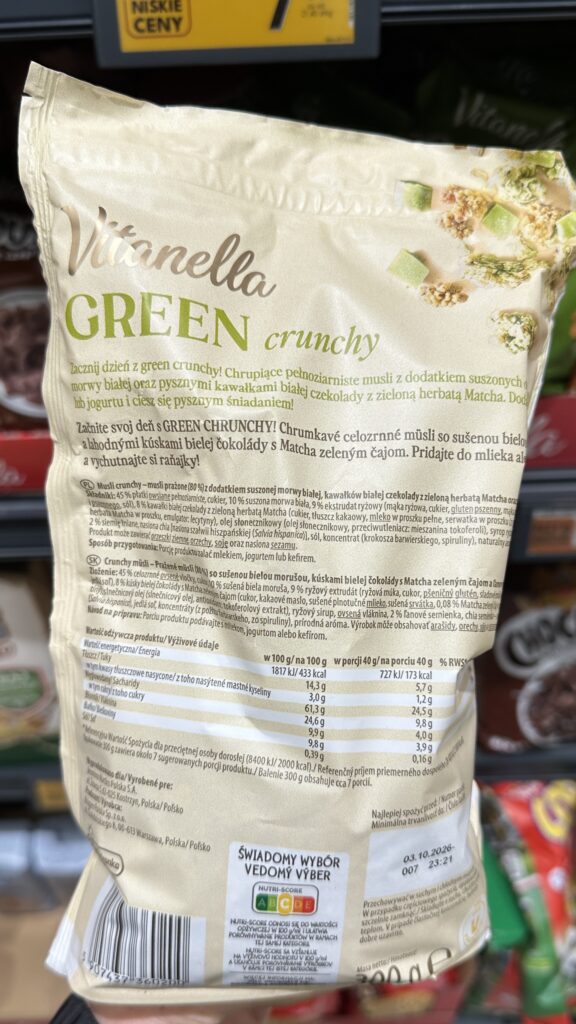
    The inclusion of white chocolate with matcha and dried white mulberry in this crunchy granola creates a unique flavor profile that elevates a standard breakfast category into a more dessert-like experience. The soft green and cream packaging design effectively communicates a “natural” yet indulgent identity, standing out on shelves while maintaining the approachable brand recognition. Priced at 7.49 PLN for a 300g-350g bag, this product offers excellent value for the Polish market, successfully democratizing a trendy, cafe-style flavor combination for the mass consumer.

    4. Chocolate table

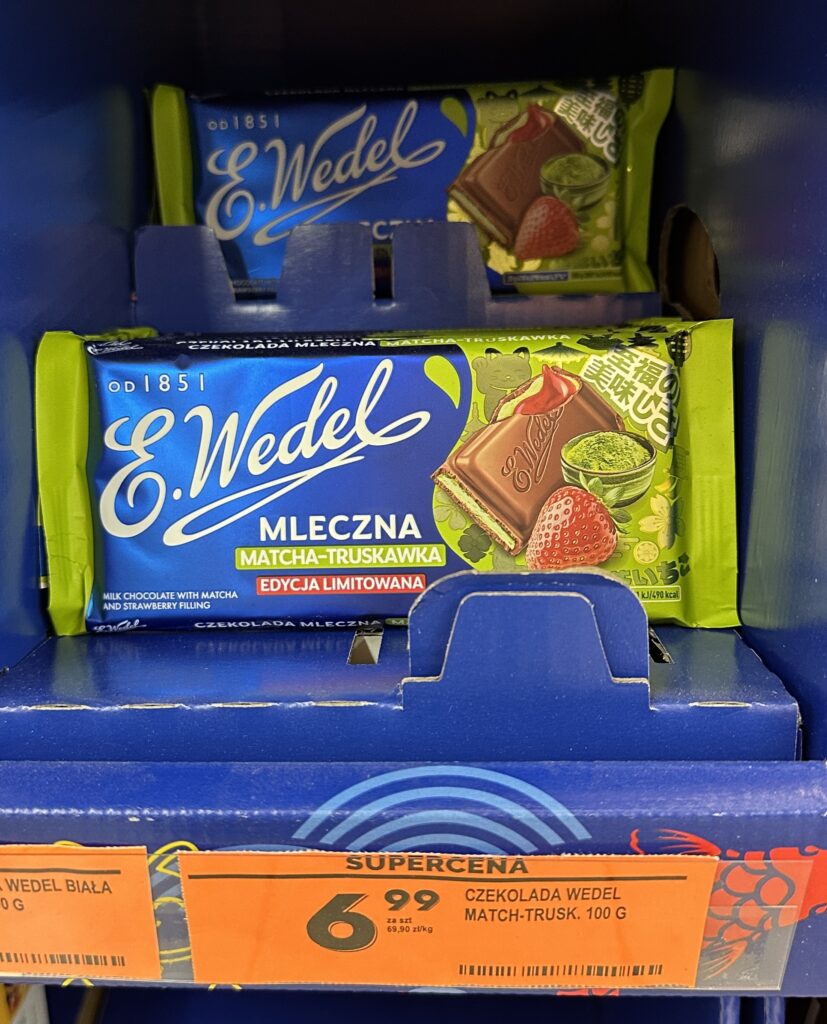
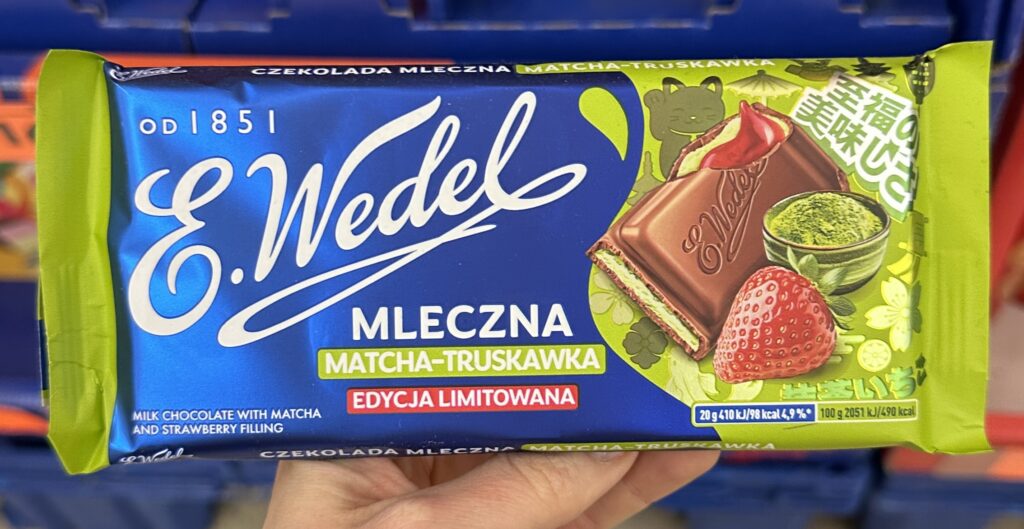
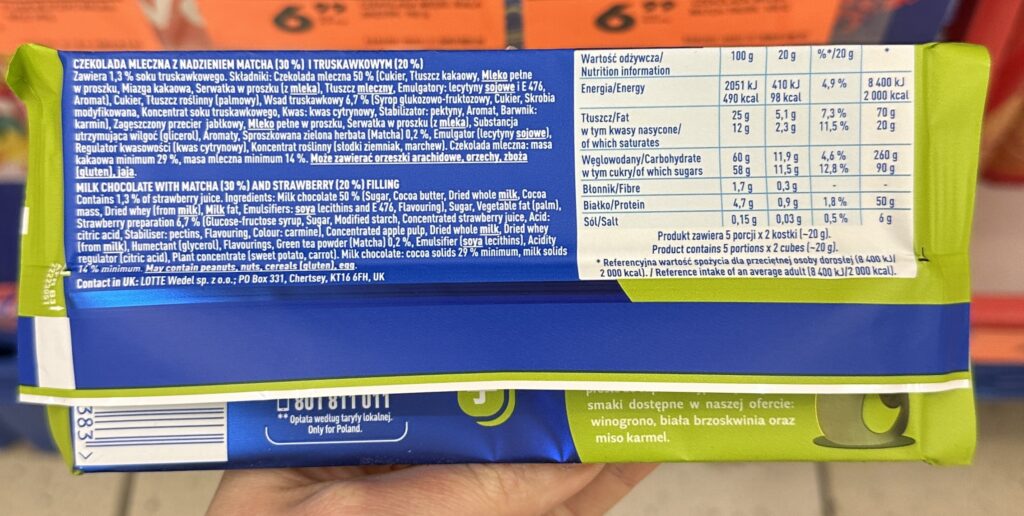
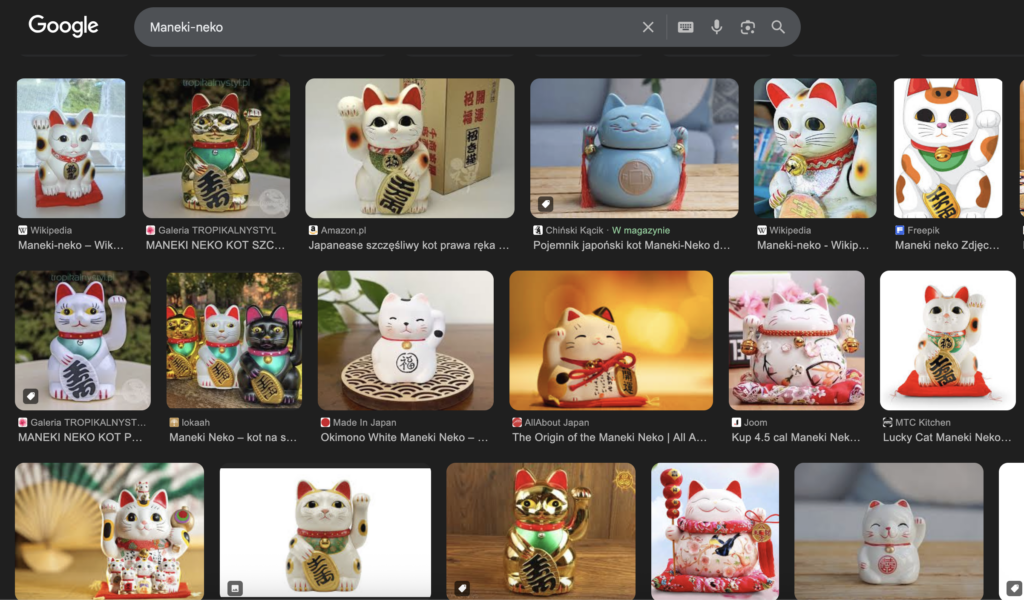
    E. Wedel’s limited-edition fusion of milk chocolate with strawberry and matcha filling is a masterclass in “oriental-chic” marketing, successfully blending traditional chocolate table with a trendy Japanese-inspired aesthetic. The packaging design is exceptionally vibrant, using pop-art illustrations and Maneki-neko motifs.

    At a price of 6.99 PLN, it is positioned as an “affordable luxury” impulse buy, offering a high-perceived value that justifies the slight markup over classic flavor variants.

    5. White Chocolate Bar

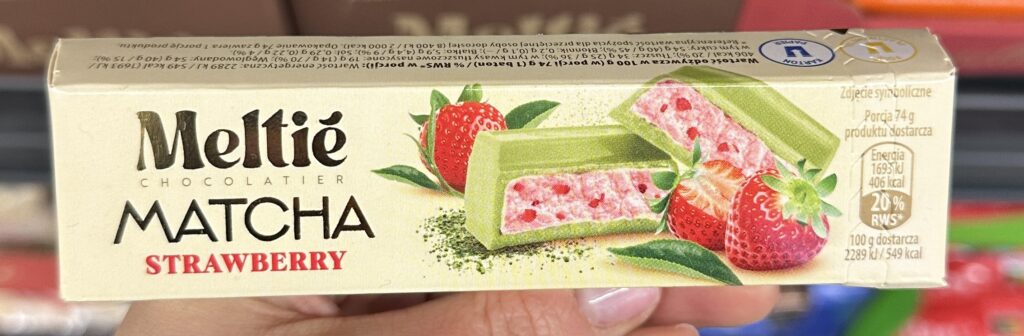
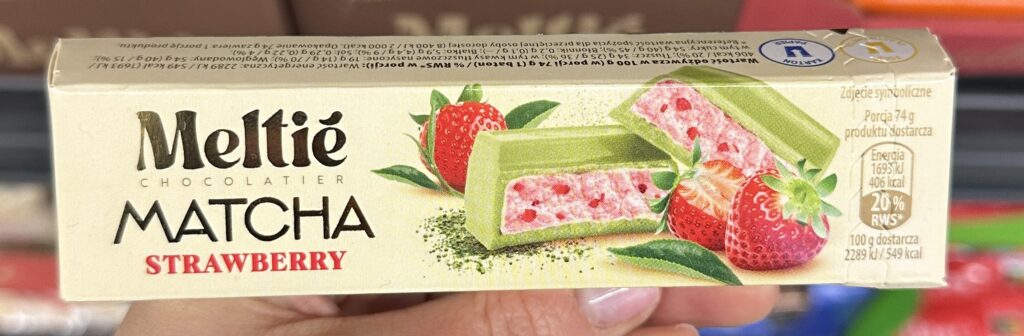
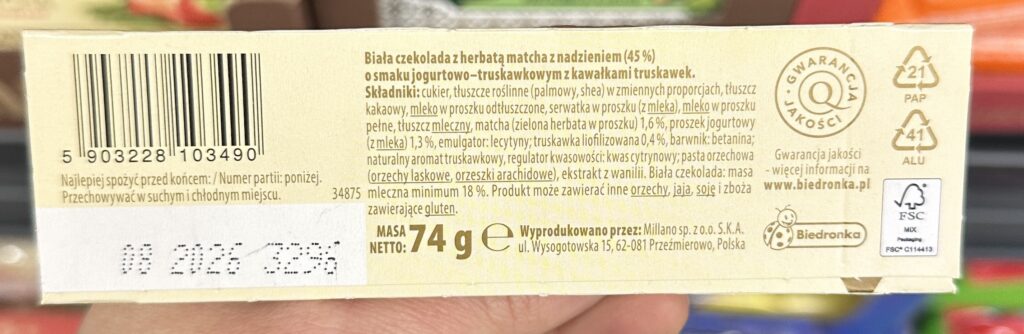
    The pairing of a white chocolate-matcha shell with a yogurt-strawberry filling makes perfect sense as it balances earthy bitterness with creamy acidity, specifically targeting the price-sensitive “lifestyle explorer” as this is private label product. Carton remains in neutral colours, only “green” element is product display at the front. Given the 74g it is almost same as the traditional chocolate tables.

    6. Matcha itself

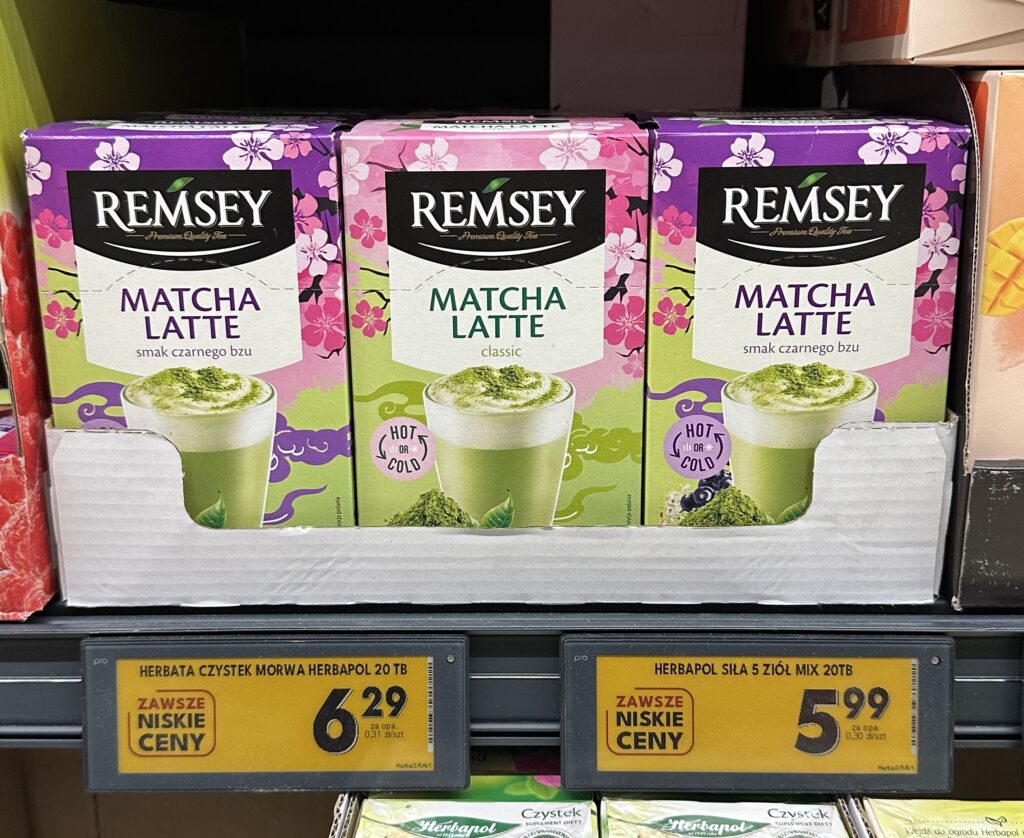
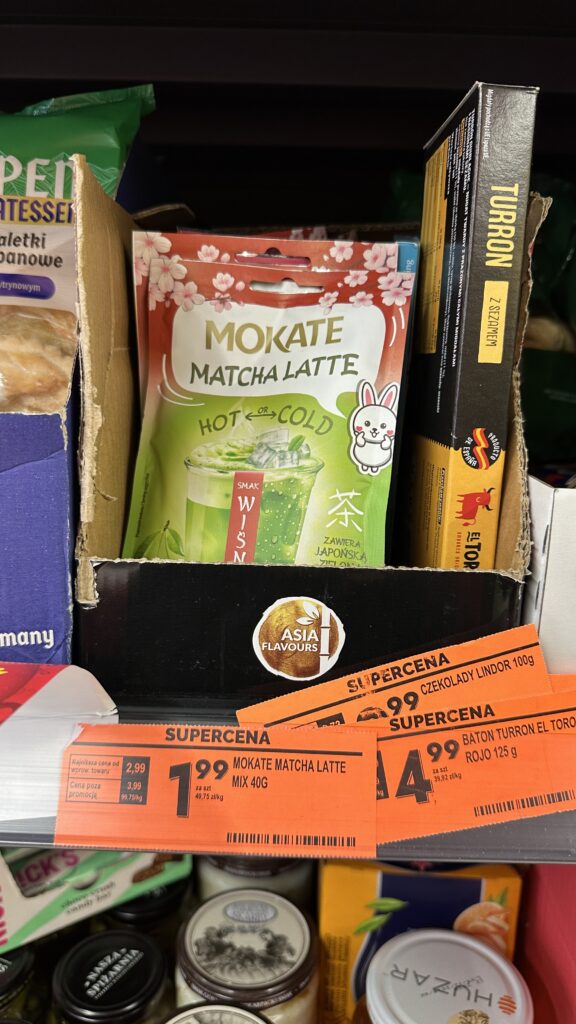
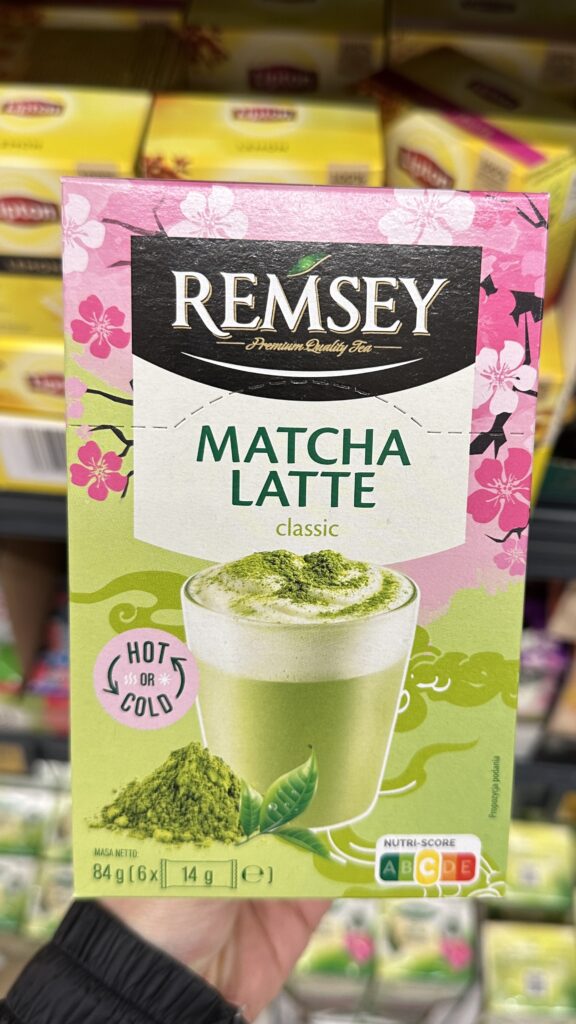
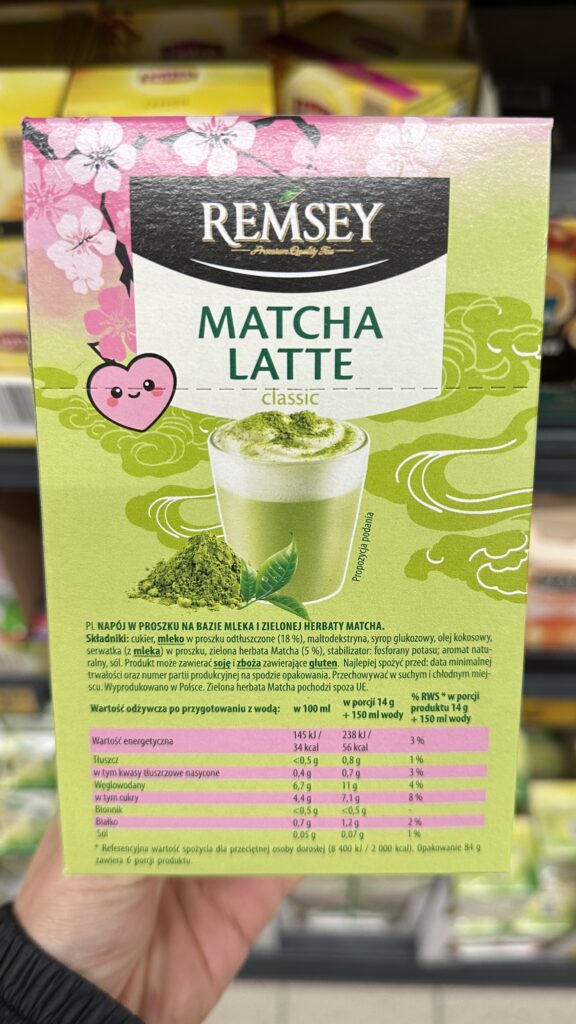
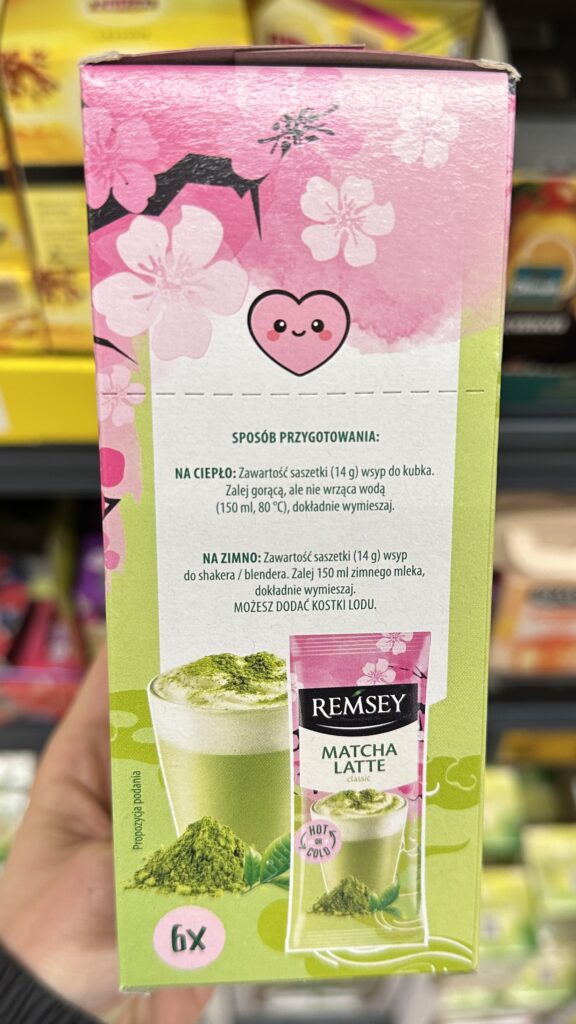
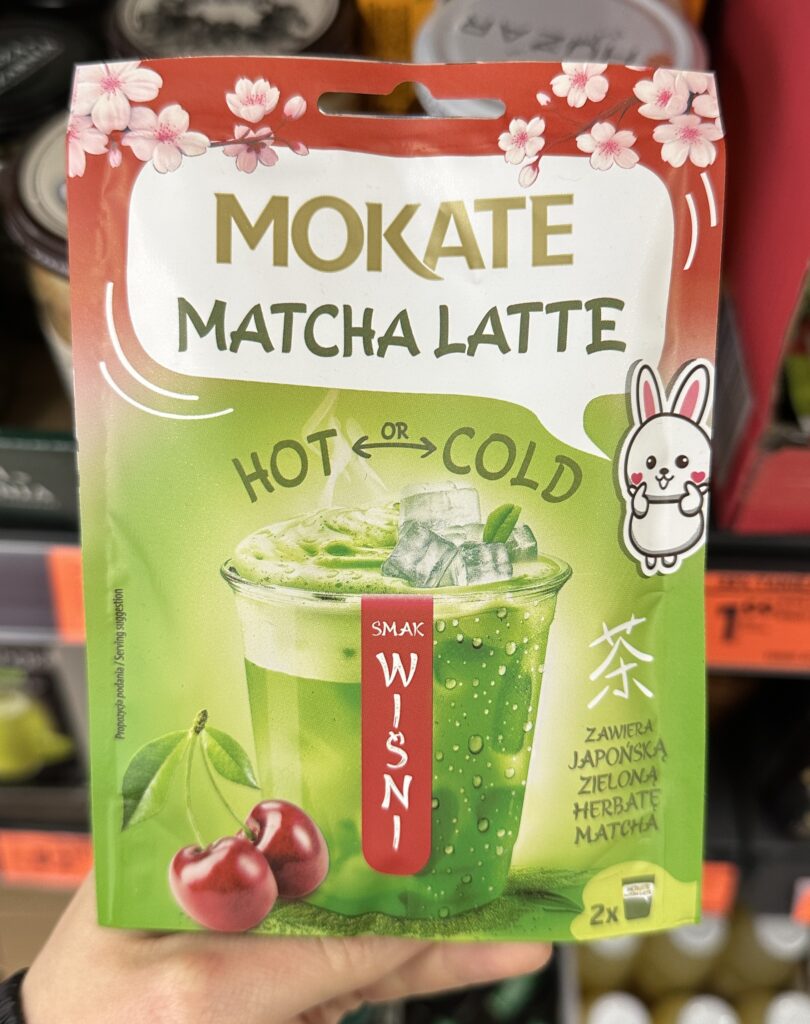
    This is a smart market entry for Biedronka’s private label, offering a low-barrier way for mass-market consumers to experiment with trending café flavors at home without requiring specialized equipment or expensive milk alternatives. The target persona is a budget-conscious Gen Z or Millennial shopper who follows global wellness trends but prefers the convenience and price point of a discount supermarket over a specialty coffee house. This product is highly reasonable for the Polish reality, as it offers a “luxury” café experience for a fraction of the 20+ PLN price per serving often found in cities like Warsaw. The packaging design is effective, utilizing “Kawaii” aesthetics and cherry blossom motifs to signal lifestyle appeal, while clearly communicating versatility through “Hot or Cold” preparation icons.

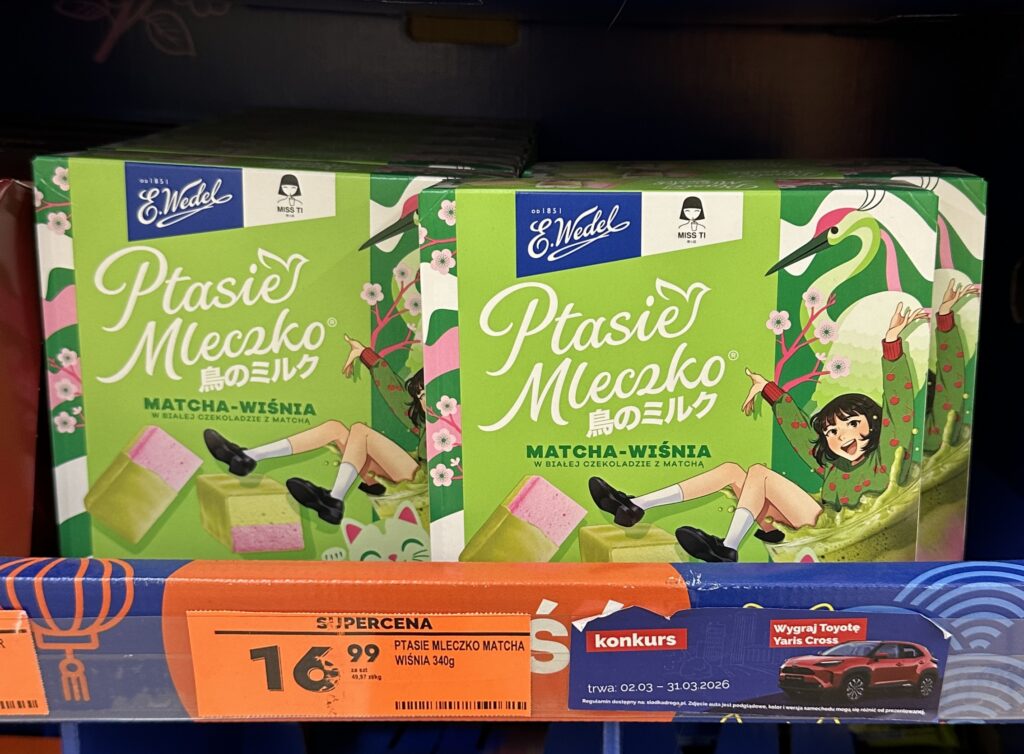
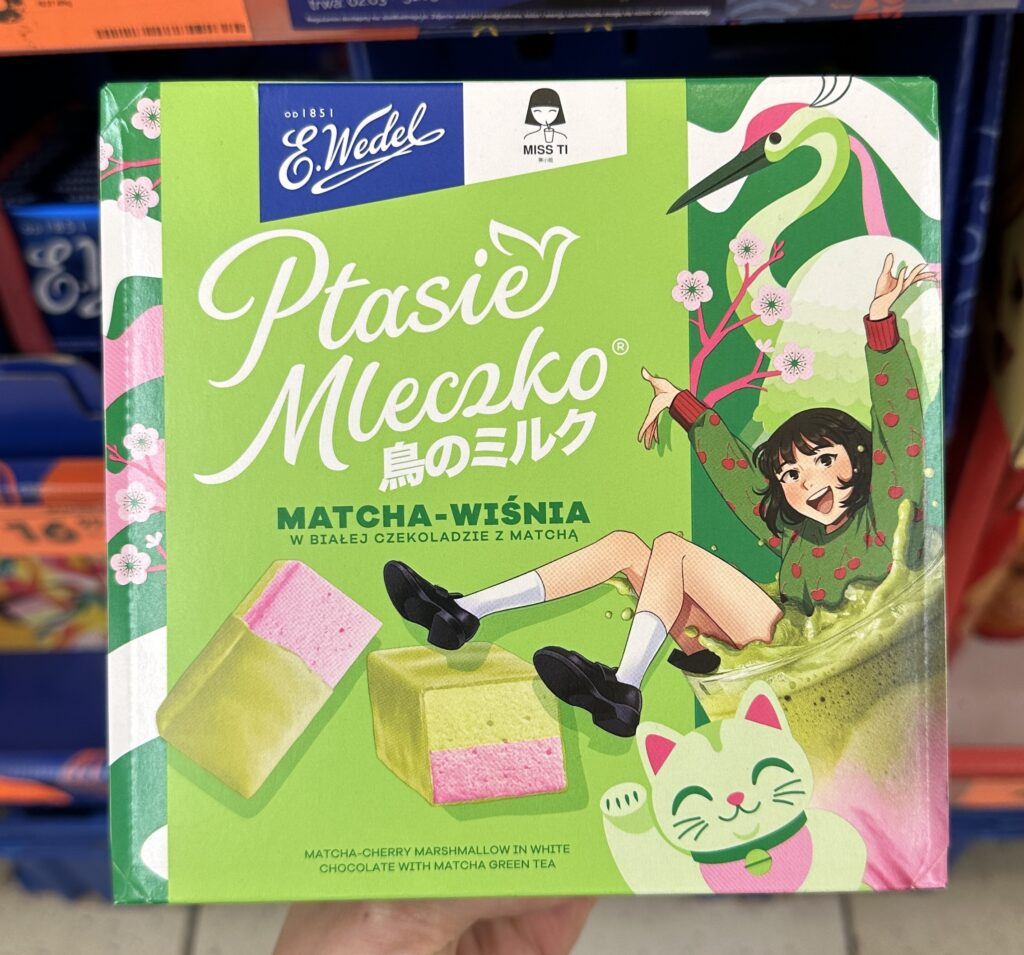
    7. Soufflé Chocolates

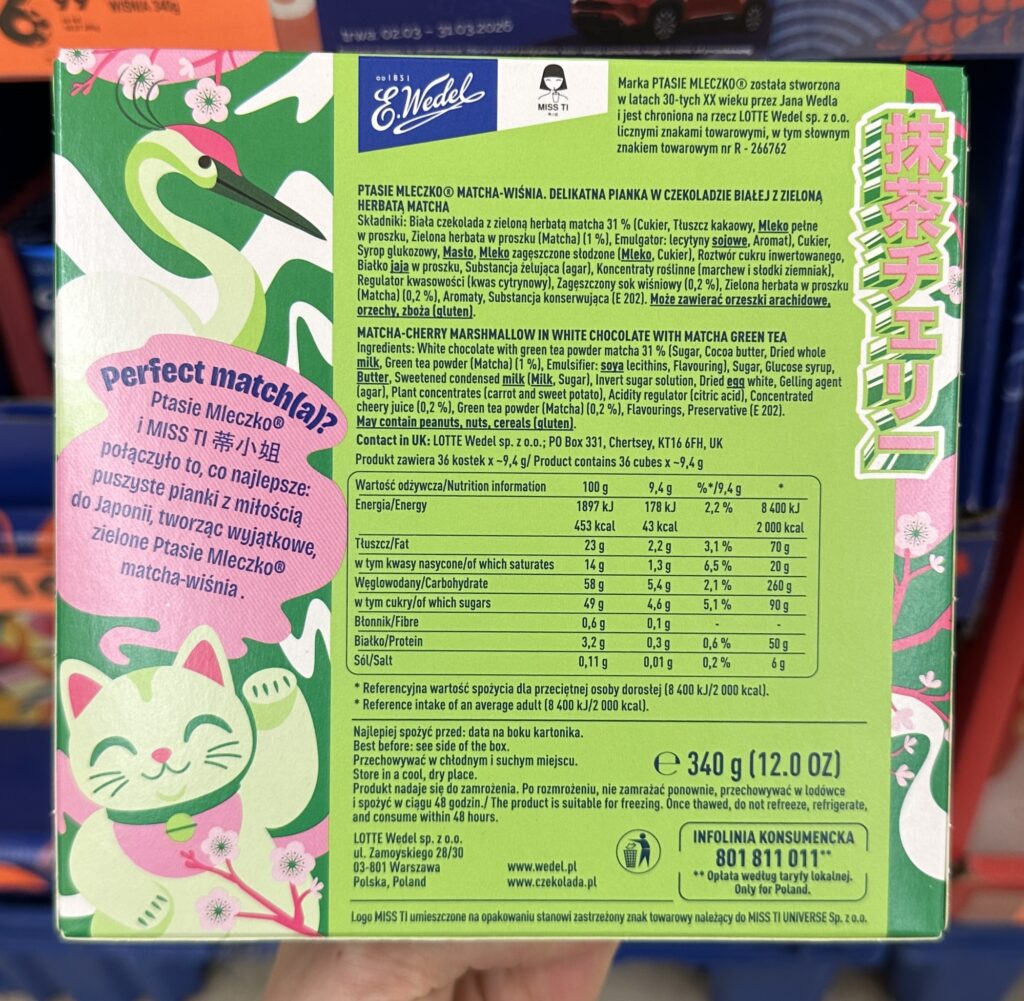
    This product successfully bridge the gap between a beloved Polish tradition and the modern “functional flavor” trend, though its execution leans heavily on visual novelty. The target persona is clearly the younger, “online” consumer who values aesthetic novelty, making the 16.99 PLN price point a reasonable “treat” for a limited-time experience. However, the packaging design is visually chaotic; it attempts to blend too many disparate elements—classical heritage branding, anime illustrations, and high-contrast color blocking—resulting in a cluttered hierarchy.

    8. Matcha drink

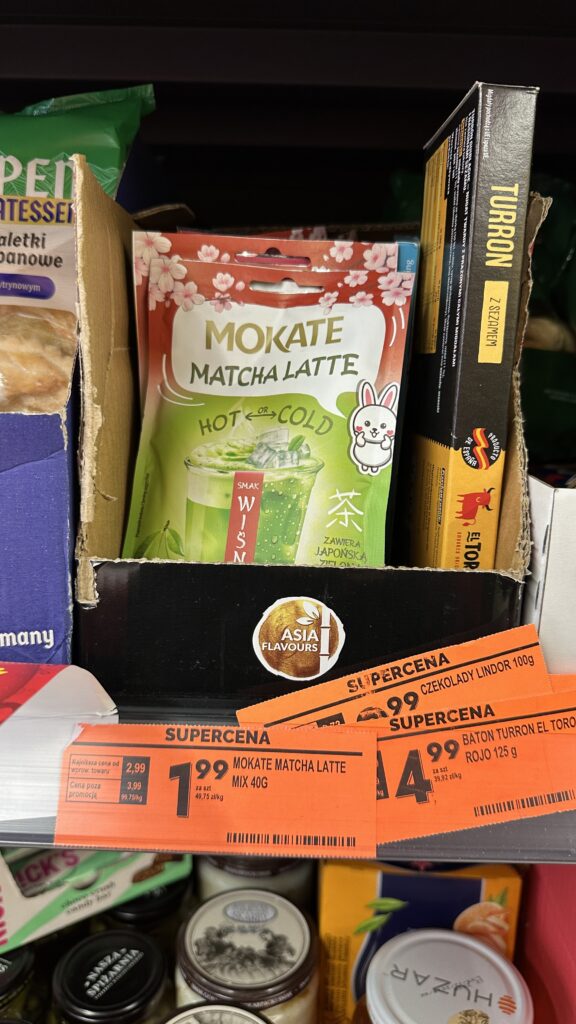
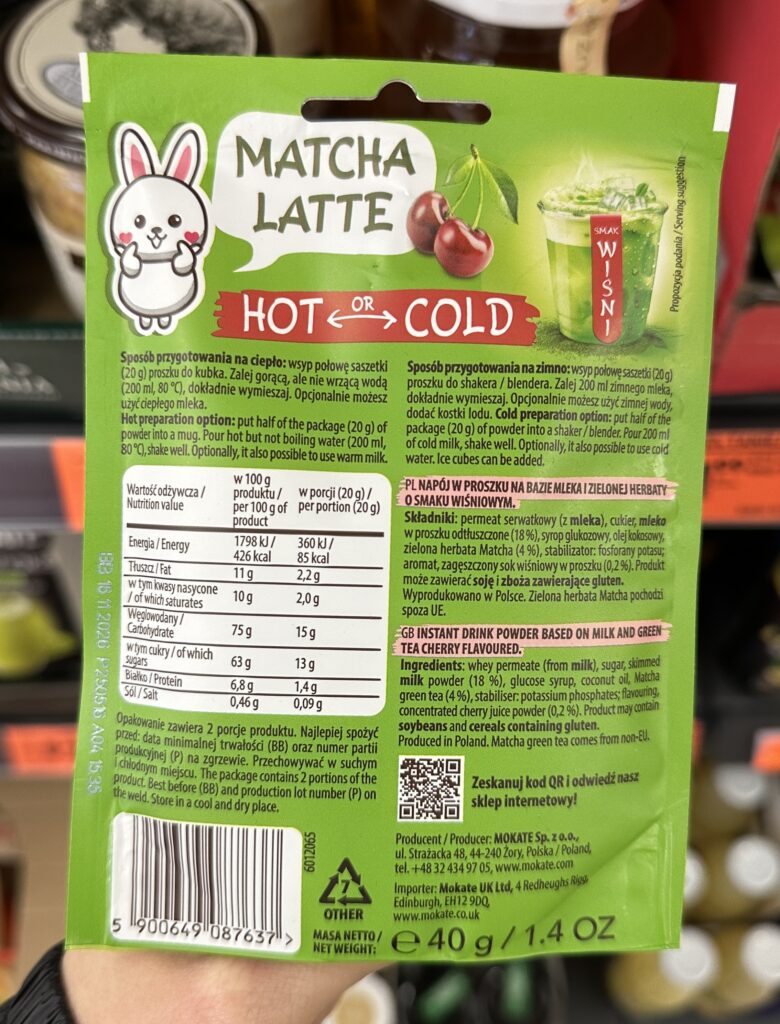
    This product is clearly designed for the “impulse buy” section, utilizing a logical yet nutrition-poor combination of instant flavoring and convenience that targets young, trend-driven shoppers looking for a “trend” rather than health benefits. Low entry price of 1.99 PLN—a highly reasonable, almost disposable cost for the Polish market, however, notice it is only 1 portion. Also, disappointing reality: with only 4% actual tea content and a primary ingredient list of sugar and glucose syrup, the “wellness” promise of the tea category is completely overshadowed by a synthetic, high-calorie profile that prioritizes shelf-stable sweetness over quality.

    The design is a textbook example of “visual indecision”, creating an aesthetic clash by placing a hyper-realistic cherry photo alongside a simplified cartoon bunny and traditional Japanese calligraphy. The red-and-green color scheme, while intended to represent the cherry flavor, leans dangerously close to a “tomato juice” palette, which fails to harmonize as effectively as a pink-and-green “sakura” theme would.

    9. White chocolate table

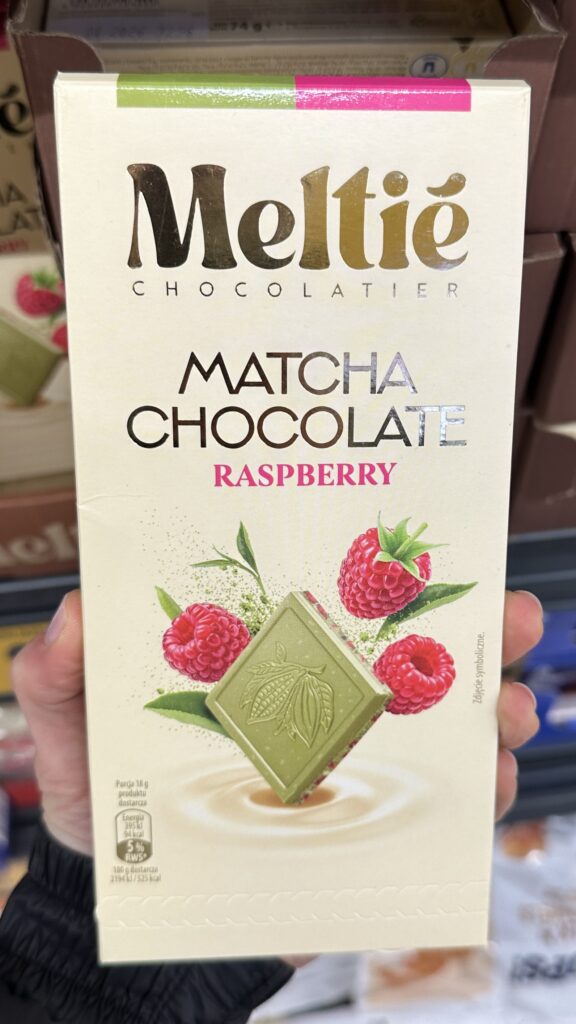
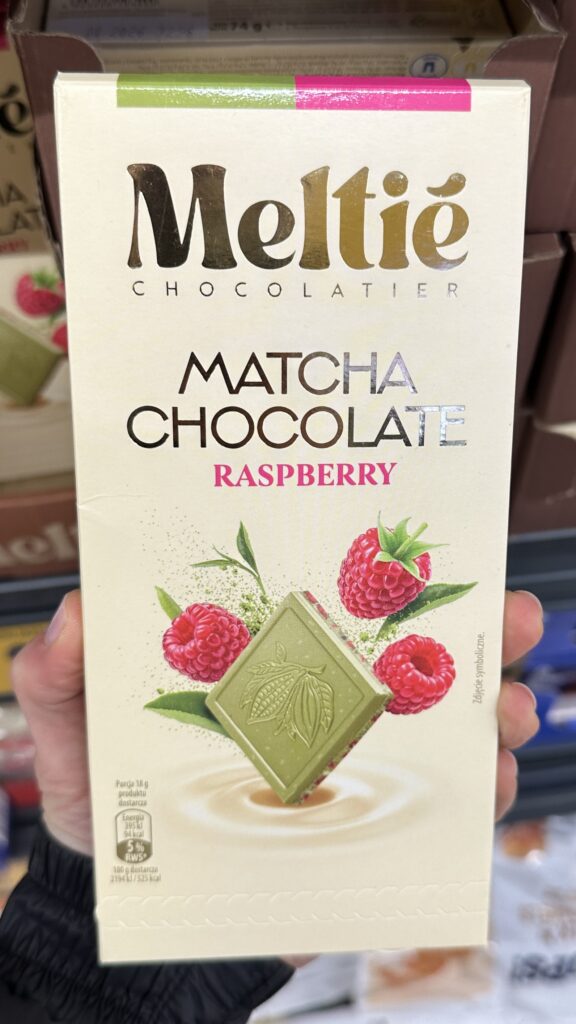
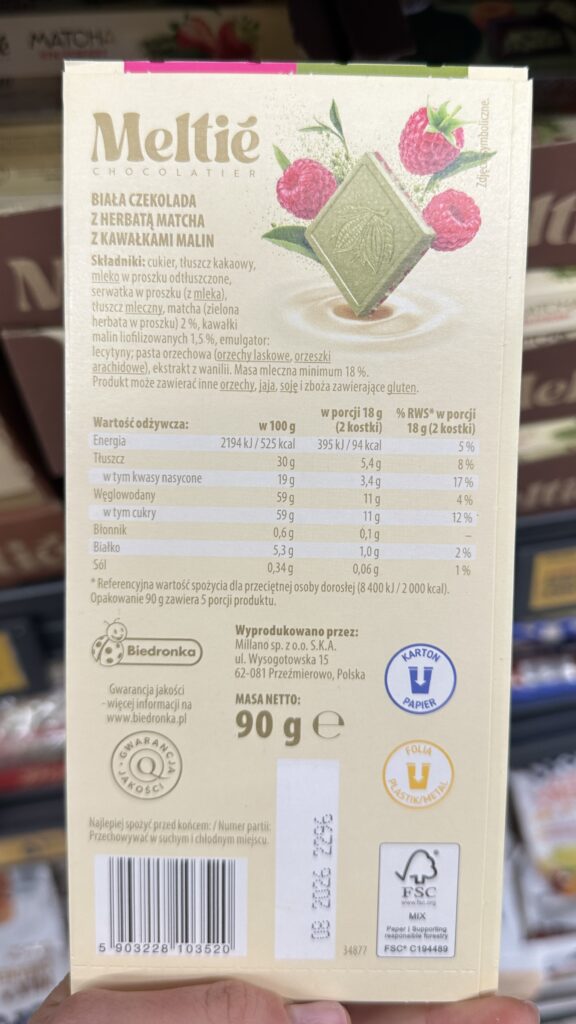
    This product is a “premium-wash” specialty chocolate that successfully uses a sophisticated flavor combination to mask a relatively low inclusion rate of its headline ingredients, making it an excellent margin-driver for the manufacturer. It targets the “affordable luxury” persona—likely a middle-class shopper looking for a sophisticated evening snack or a quick self-indulgent purchase—who is easily swayed by the elegant, minimalist packaging featuring gold foil lettering and clean typography. While the design looks high-end, the reality is a classic case of marketing inflation, as the 30% price markup over standard chocolate is built on just 2% low-quality powder and a tiny fraction of fruit.

    10. Chocolate cookie sticks

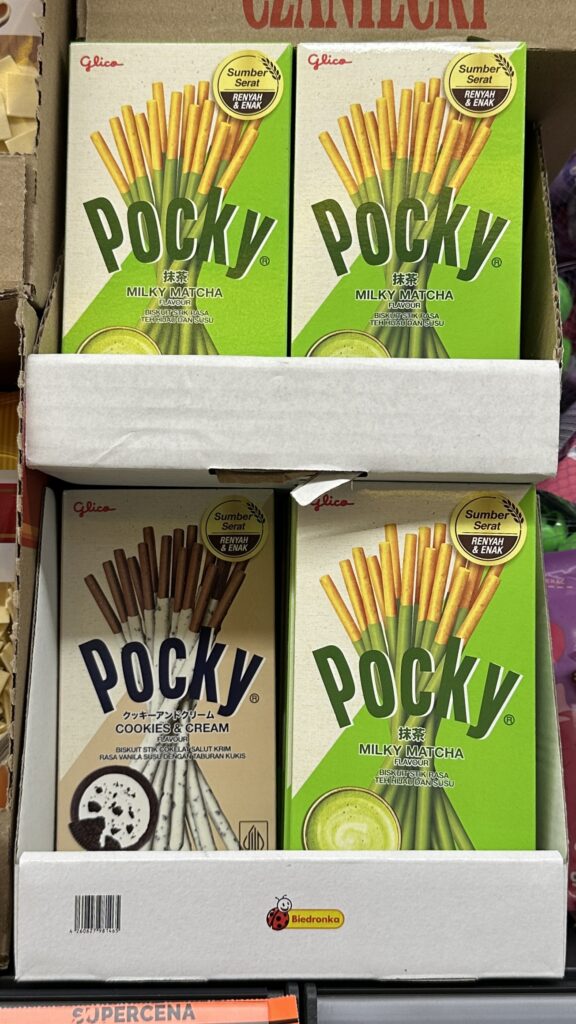
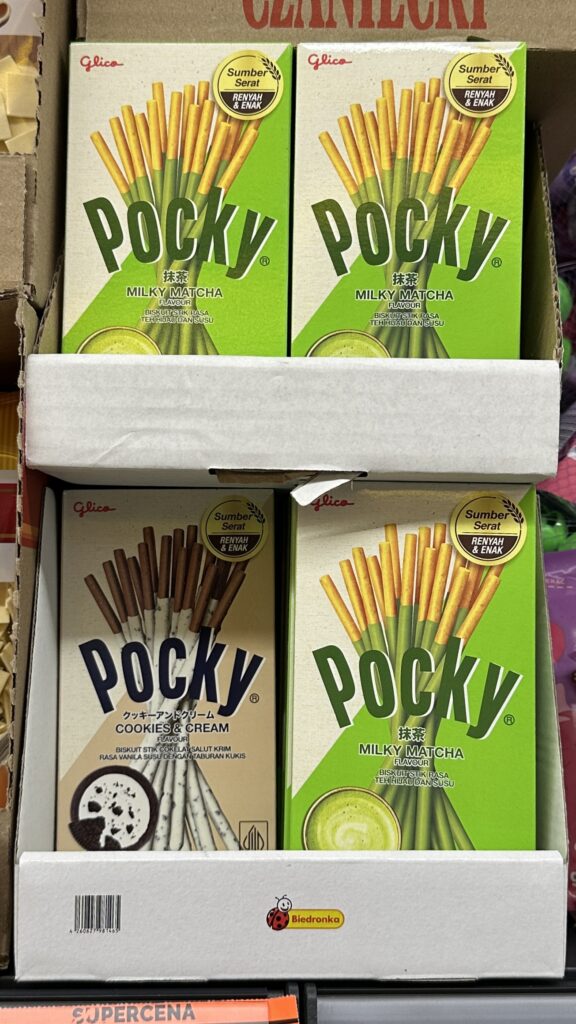
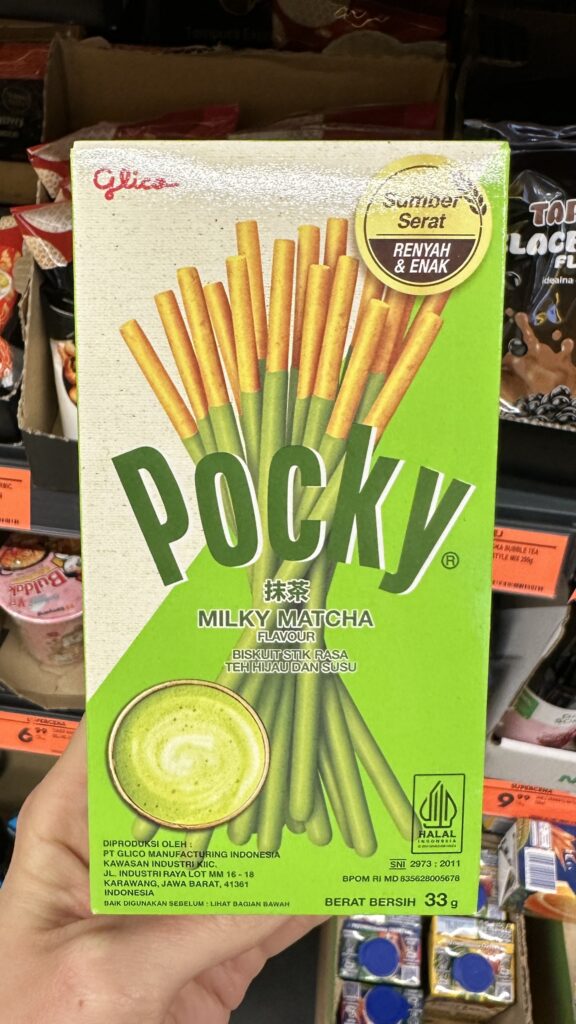
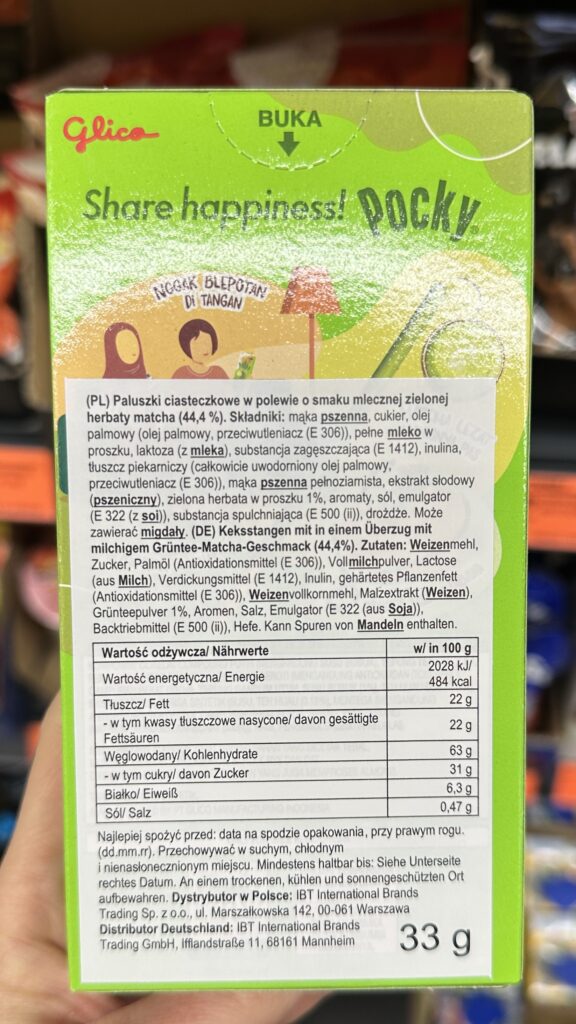
    While Pocky is an iconic global snack, this version featuring a matcha profile is a textbook example of a “global curiosity” product that feels somewhat out of place in a standard Polish discount aisle due to its hyper-localized Southeast Asian branding. The combination of a crunchy biscuit with a sweet, grassy coating is a proven winner for the “snack-adventurer” or K-pop/J-pop fan.The pricing for such a small “import” item remains a premium compared to local snacks.

    Where are still opportunities

    I see multiple opportunities to use this matcha trend to win in multiple categories.

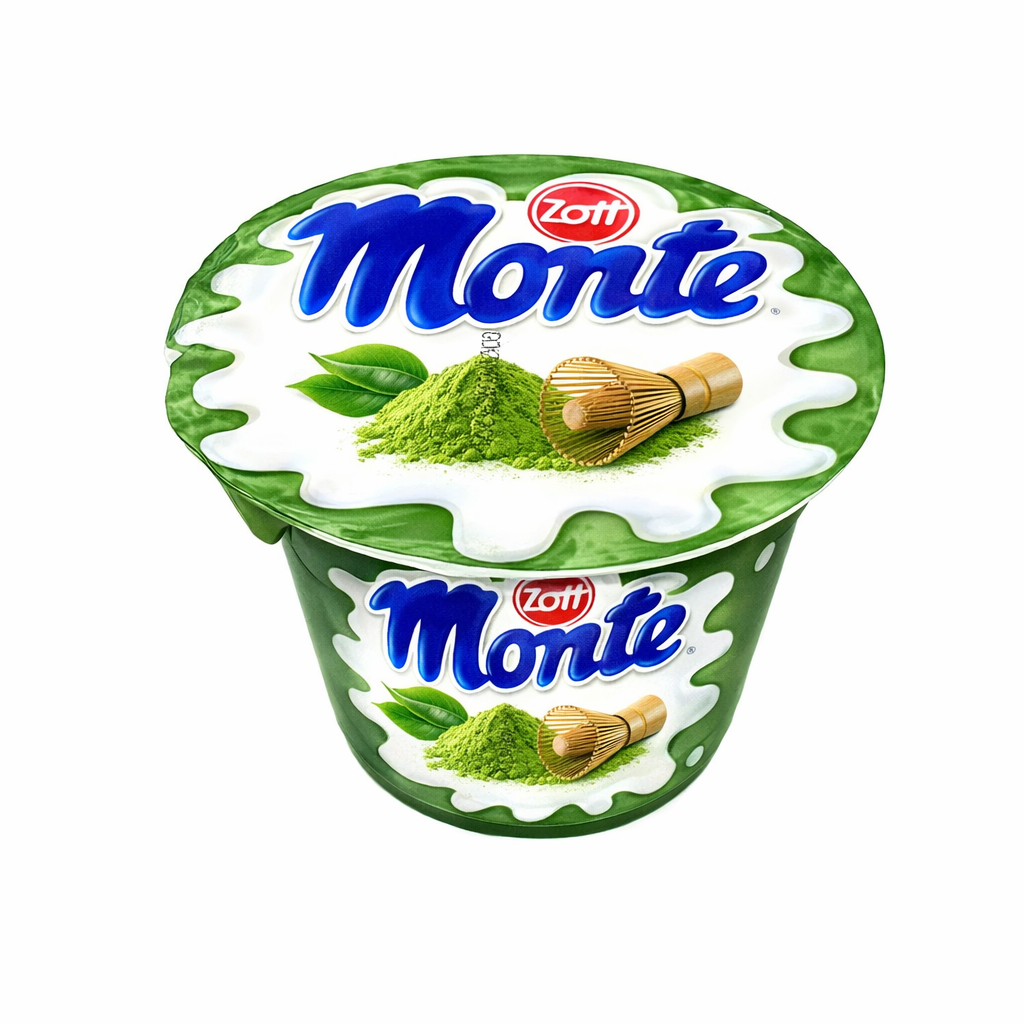
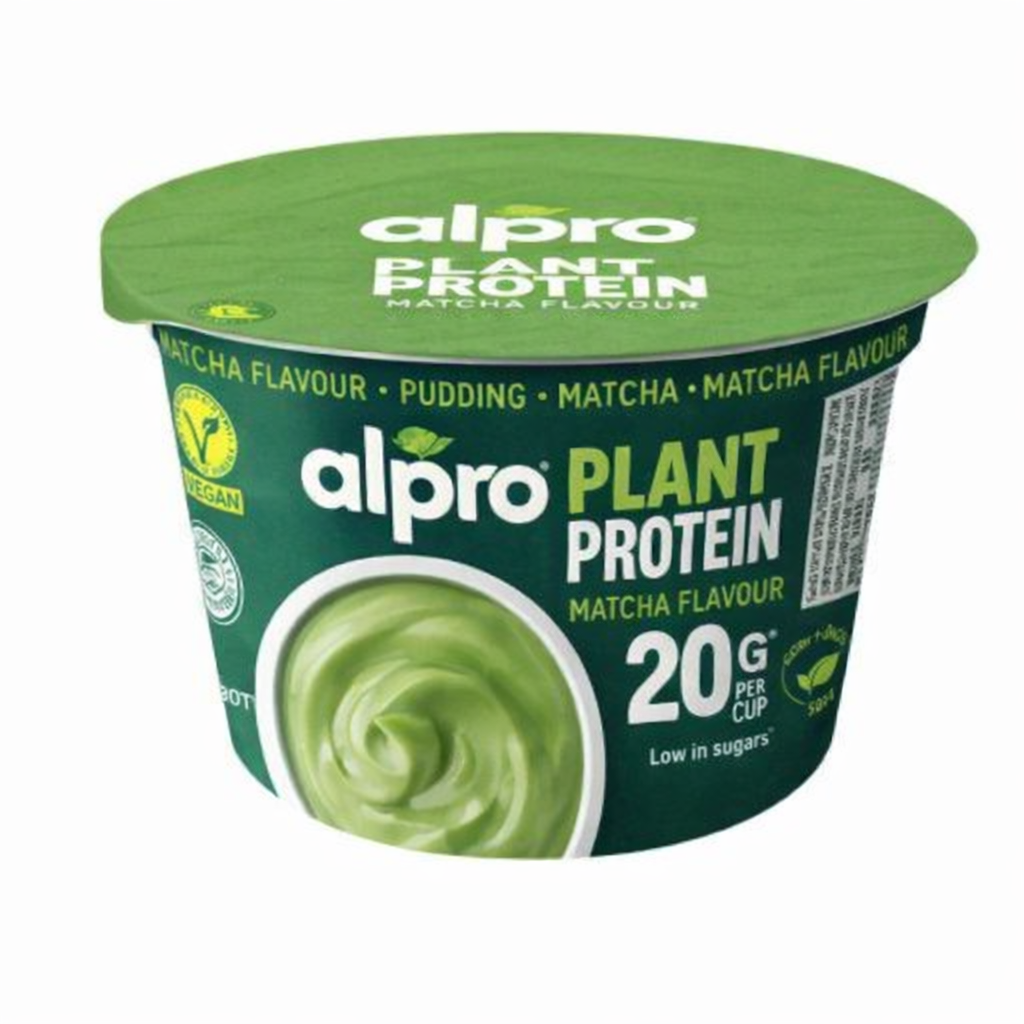
    First what come to my mind is dairy/plant-based desserts. Relatively easy to achieve, fast moving good, ideal to adopt to seasonal matcha trend.

    My top pick? Monte. It captures that sweet spot of Gen Z nostalgia while refreshing the profile for a more “grown-up” palate.

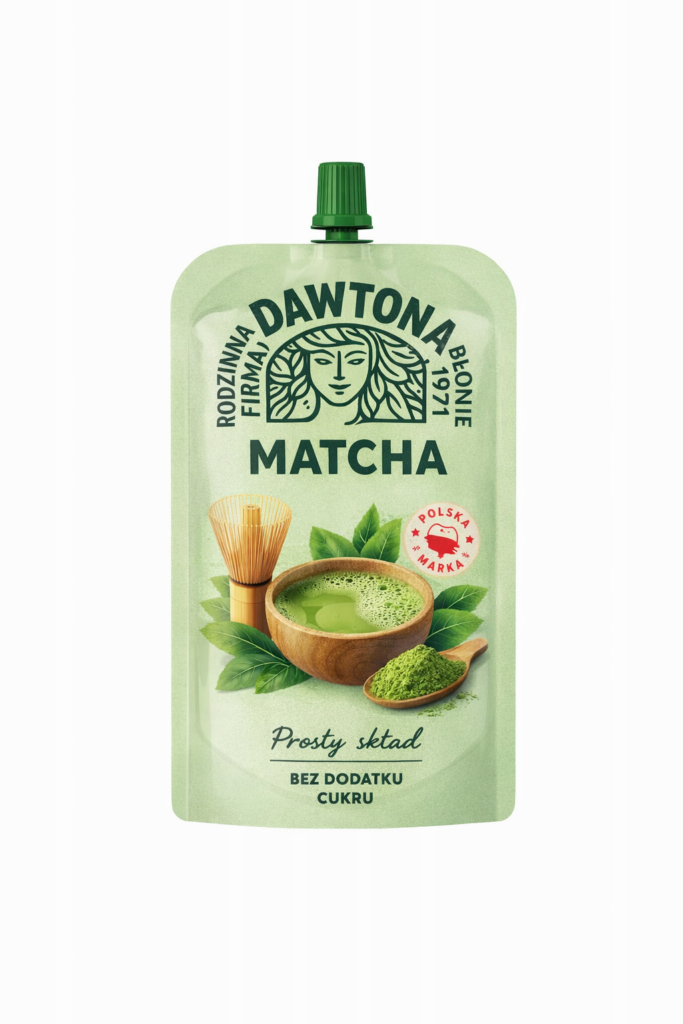
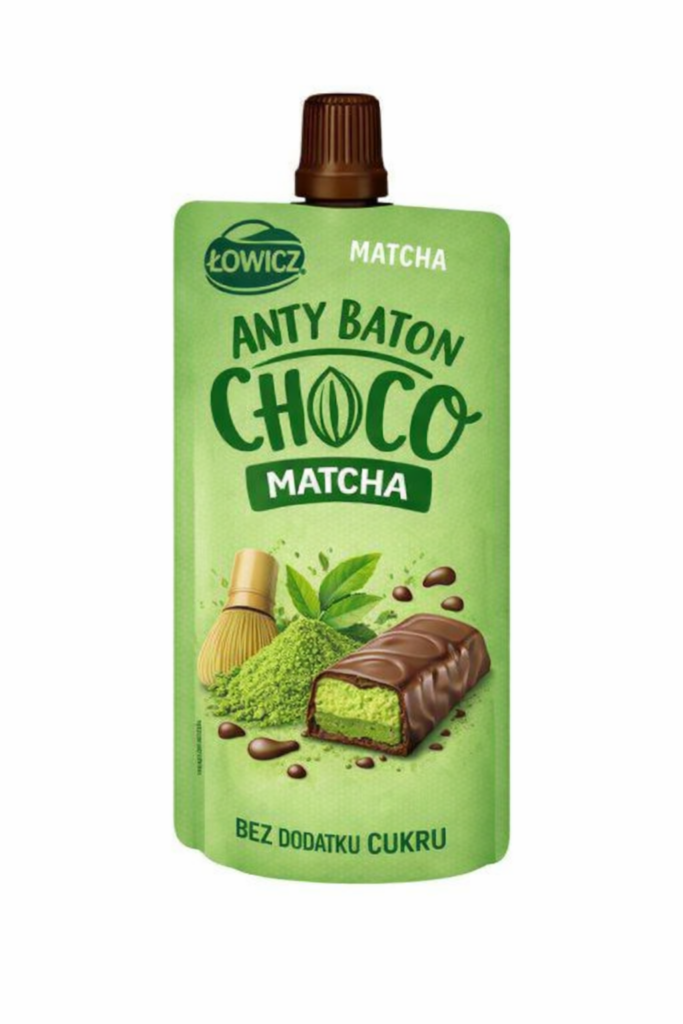
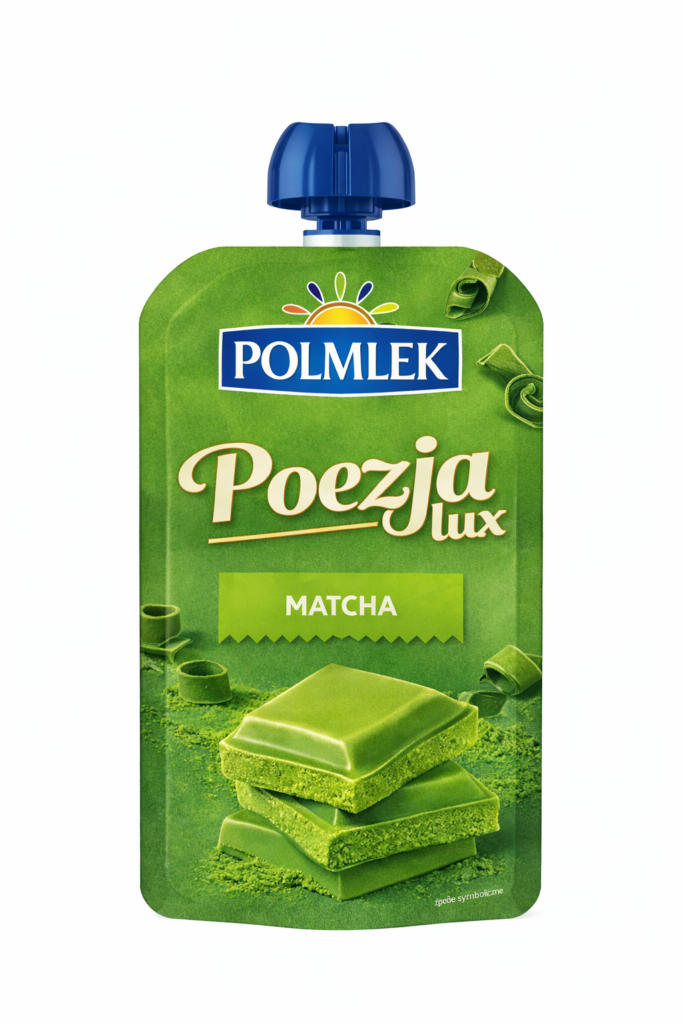
    My next bet on easy-to-create, easy-to-bring-to-market products would be pouches.

    Currently I think there is missing piece on bars which are known well but in a seasonal limited edition witch matcha flavour.

    Soon, we start ice cream season – another segment that is just waiting to hit with green energy.

    Summary

    The “Green Rush” of 2026 is more than just a color shift on the shelves; it is a litmus test for agility in the FMCG sector.

    The winners will be the brands that successfully integrate matcha’s earthy profile into a functional benefit—like the high-protein Skyr—or those that leverage deep-seated emotional triggers.


    What’s Next?

    As we navigate the rest of the year, keep an eye on the “chilled zone.” This is where the highest velocity meets the highest trend-sensitivity. If you aren’t already planning your seasonal LTO (Limited Time Offer) around a balanced, high-quality matcha flavor, you’re leaving shelf space to the competition.

    Is matcha a permanent staple or a passing cloud? In the world of fast-moving consumer goods, the answer doesn’t really matter as long as you are the first to the checkout zone with a product that resonates. The “Green Obsession” is here for now—it’s time to make it work for your margins before new trend will kick in.

  • Shopping act becomes a “cluttered escape room”

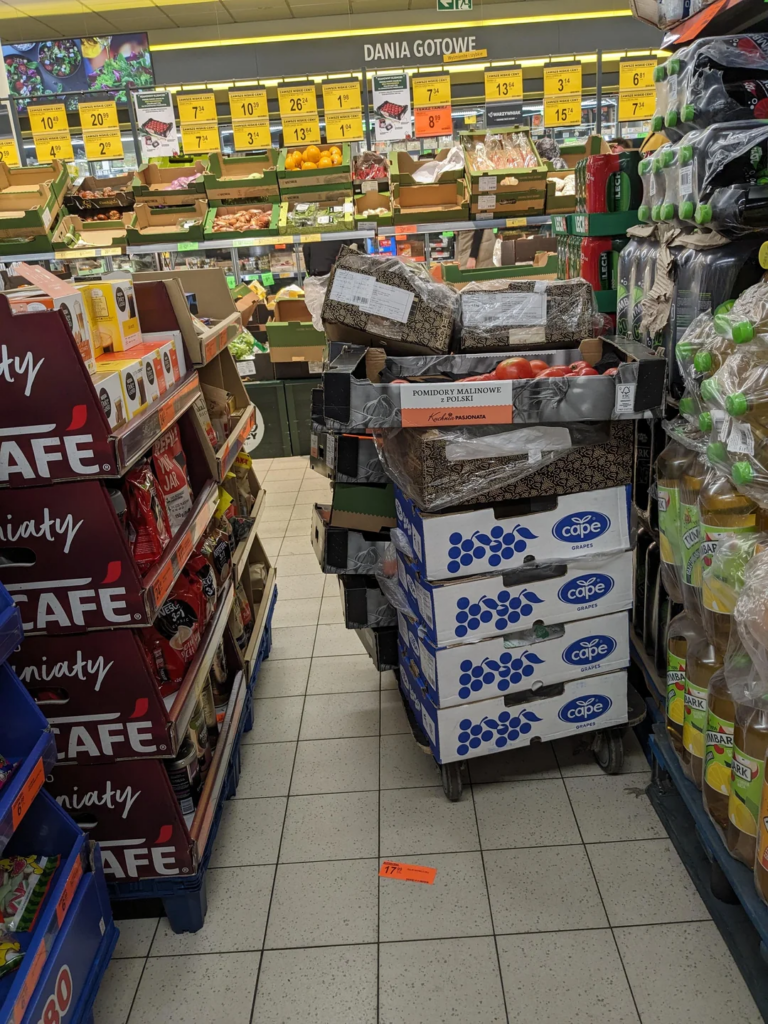
    Walk into a typical discount or grocery store in Poland today and something feels off almost immediately. Not because of pricing (maybe this can hit you if your last visit in PL was in 2003), not because of assortment—but because of space. Or rather, the lack of it.

    Aisles are no longer corridors designed for flow; they have become obstacle courses. Cardboard displays rise unexpectedly at every turn, clip strips hang into walking paths, and promotional towers compete for every available square meter. The shopping act, once routine and almost automatic, turns into a careful navigation exercise.

    Picture source: https://www.reddit.com/r/Polska/comments/1bxykqb/just_a_regular_day_at_biedronka/

    The “Chaotic Floor” Syndrome

    We often talk about the “Golden Zone” on a shelf, but in many Polish stores, the floor has become the new battlefield. When you see temporary displays (FSDUs/shippers) blocking every turn, it’s usually because the store manager is caught between two fires: HQ-negotiated contracts that mandate these displays and a “backroom” that is already overflowing.

    The sense of chaos is a psychological “stop sign” for shoppers. When a shopper has to physically protect their body or bag from knocking over a tower of energy drinks, their cortisol levels rise. A stressed shopper buys only what is on their list and flees, which is the exact opposite of what an extra exposition is supposed to achieve.


    The Fridge vs. Ambient Paradox

    Let’s look at UHT milk or ambient beverages. Chilled square footage is the most expensive “real estate” in a store due to electricity and maintenance costs. Using it for products that don’t require it (just to get a “double hit” of visibility) is a massive inefficiency for the store owner. It limits the assortment of high-margin, short-shelf-life innovations like

    • plant-based yogurts
    • dairy products
    • fresh convenience meals
    • juices fresh-pressed
    • etc

    The Clip Strip “Infection”

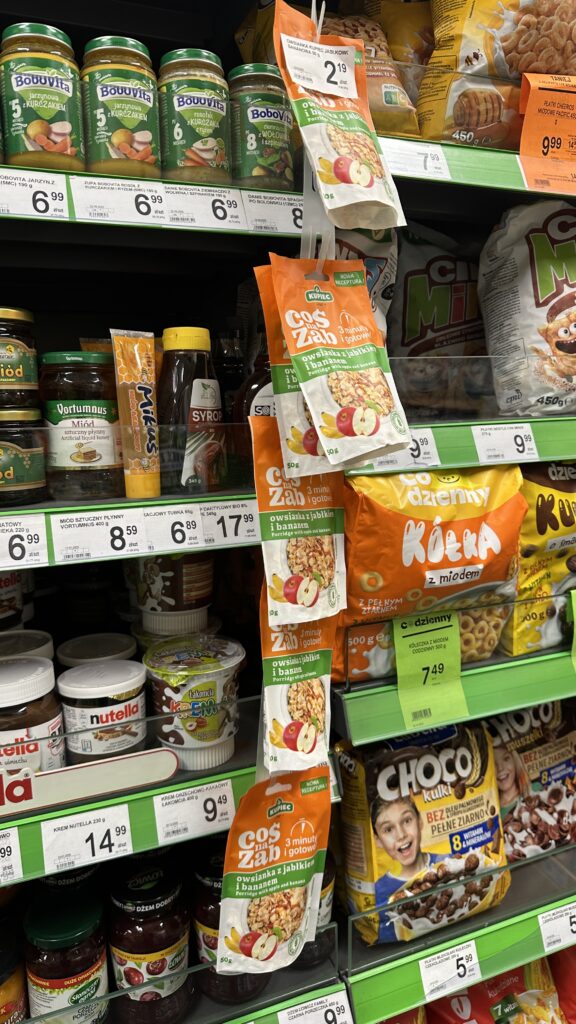
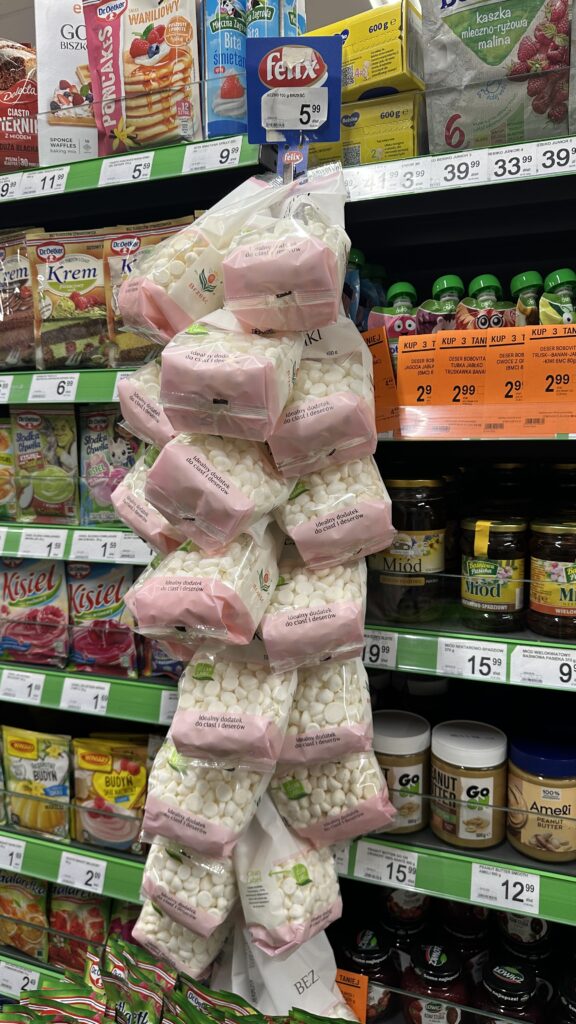
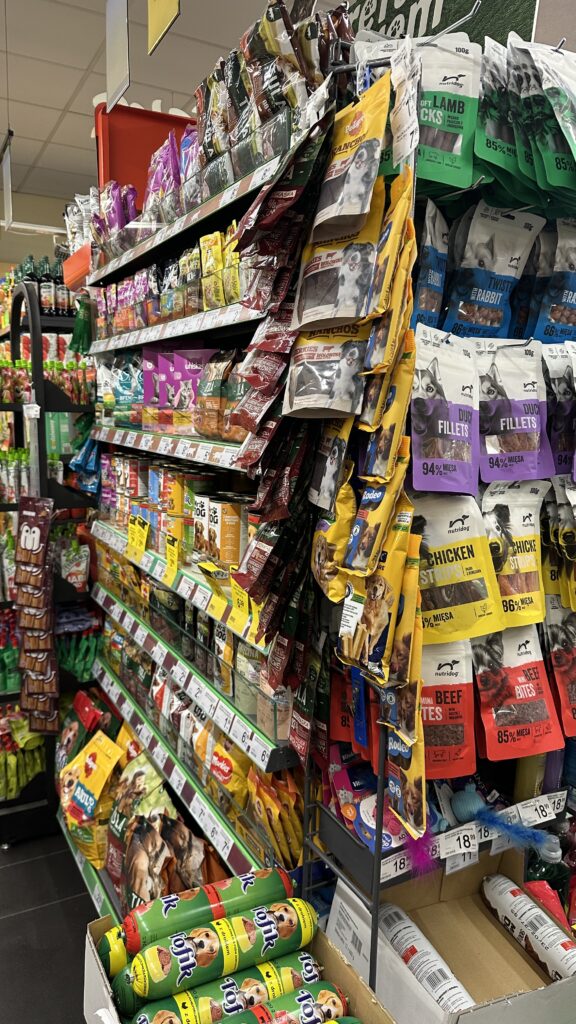
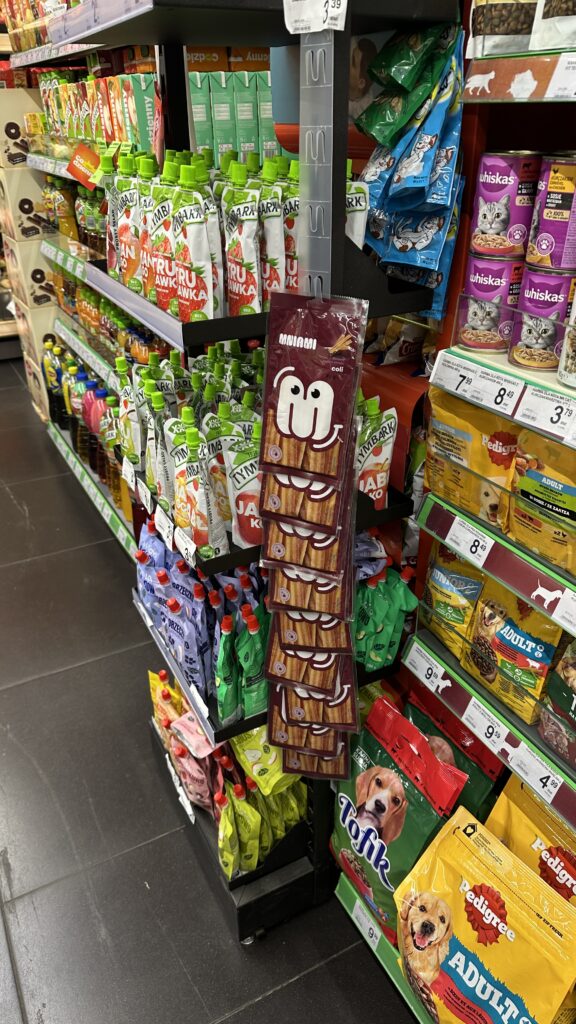
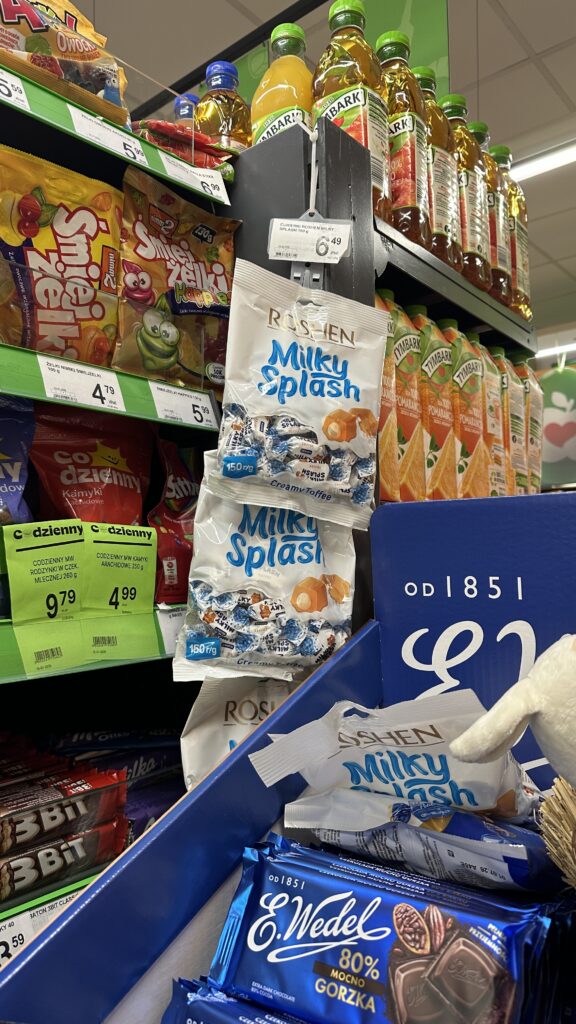
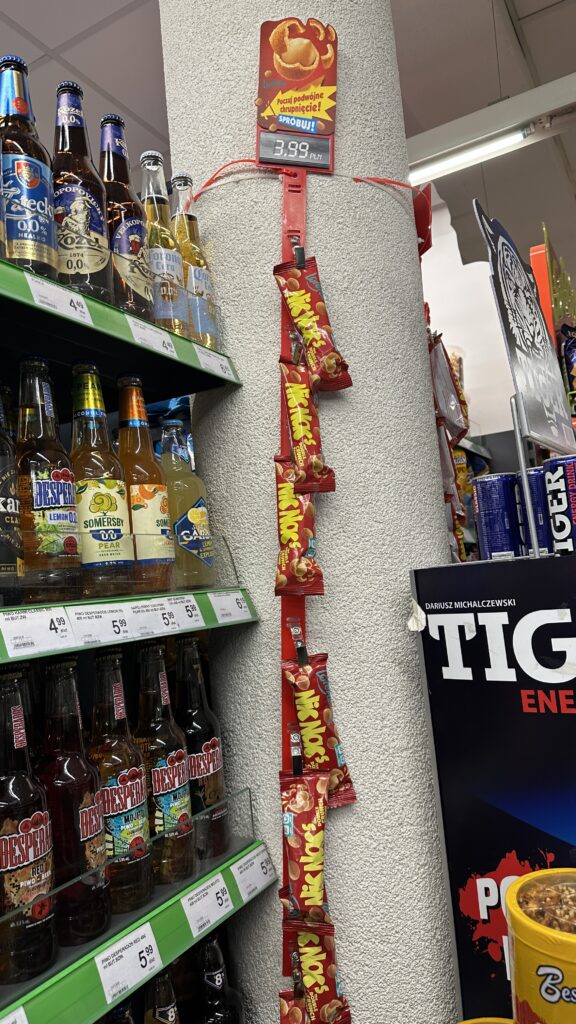
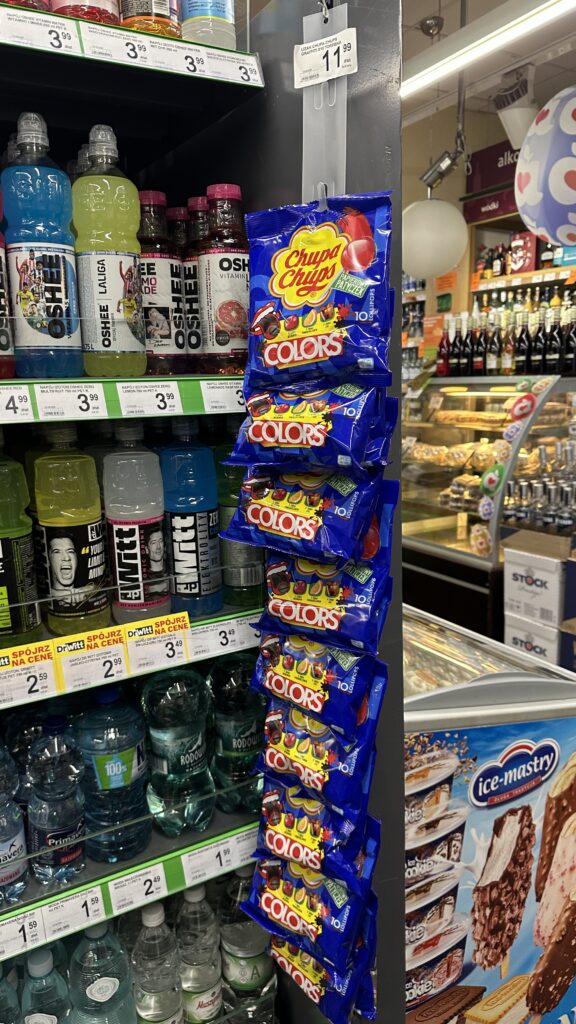
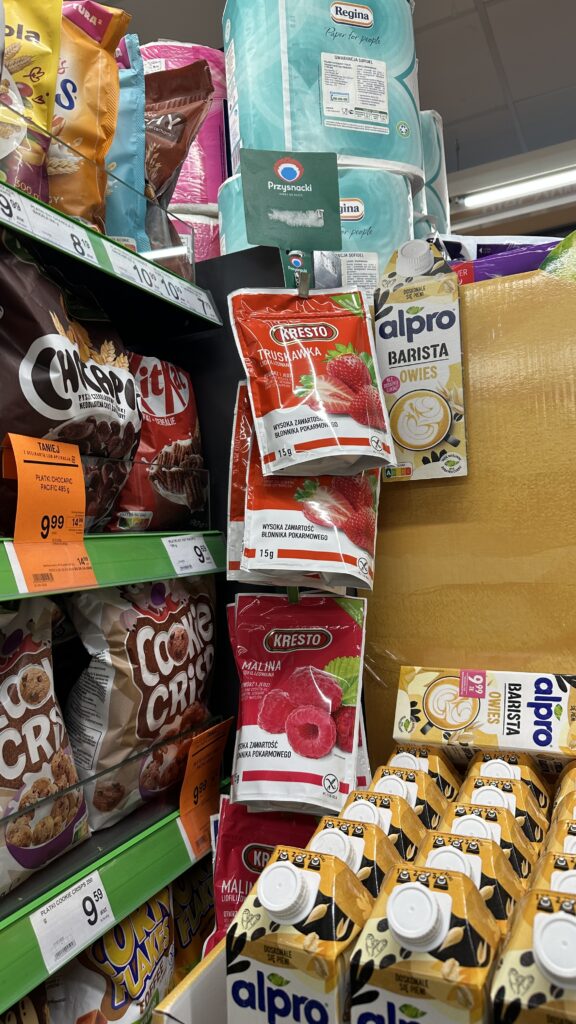
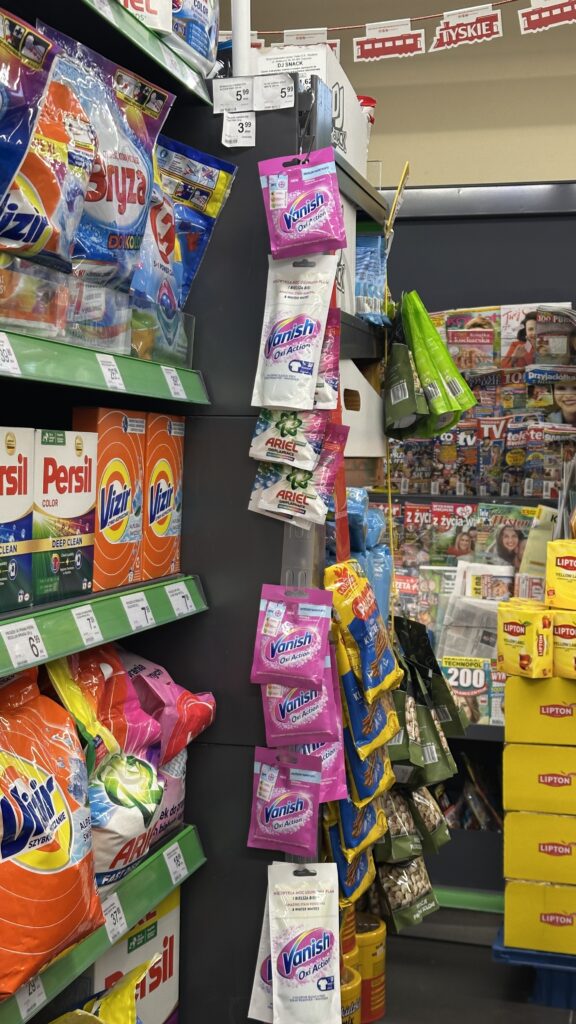
    The next observation is every shelves covered with clip strip. Or rather clip strips. This is a symptom of “Micro-Space Greed.” These strips are designed for cross-merchandising (e.g., batteries next to toys). However, when they are everywhere, they become “visual noise.”

    Taking the regular product from shelve without disruption is almost impossible. They are the first things to get knocked down, creating a look of a “discount graveyard” rather than a professional retail environment.

    This is observation from just 1 visit in a small grocery store:

    oatmeal

    mini meringues (this packge is too large to hang this way!)

    pet food

    jelly beans and pet food (isn’t it affecting the quality of product?)

    milky candies

    crispy peanuts

    lollipops

    dried fruits

    fabric stain remover and bread sticks (this shocked me! I wasn’t even considering such kind of product to hang on this display)

    If you put attnetion in two of those examples we already see cartoon display blocking the shelve access (picture of milky candies and dried fruits)


    Who Needs to Intervene?

    This issue probably could be solved only by one of those:

    The Fire Marshal (Straż Pożarna): This is the most immediate lever. Polish health and safety (BHP) and fire regulations are quite strict regarding the minimum width of evacuation routes. If a store’s “extra expositions” reduce a corridor below the legal limit (often 1.2m to 2.0m depending on the store size), they are in violation. More frequent inspections would force retailers to clear the “death traps” they’ve built out of cardboard and plastic.

    Retail HQ (Category Managers): The “Commercial Team” needs to start talking to the “Operations Team.” Currently, HQ sells the floor space to producers without checking if the physical store can actually hold it. They need to implement “Display Caps”—a hard limit on the number of secondary placements allowed per square meter.


    The Consumer (The Power of the Wallet): If shoppers move their loyalty to stores that prioritize “breathable” shopping the cluttered stores will see their “Time in Store” metric drop, which eventually forces a change in strategy. As pepole understimate the risk of potential accident due to overcrowd stores and they are looking for every opportunity to buy with lowest prices I think it is not likely to happened.

    We are reaching a tipping point. What is gonna happened if stores continue to prioritize “temporary stimulus” over “basic navigation,”? Will they lose the modern shopper who values time and comfort over seeing the same UHT in four different places? Or lowest price will always win no-matter-what?

  • Maximizing the Shelf: The Dual Role of SRP in the Shopping Act

    The collective packaging carton—often referred to as Shelf-Ready Packaging (SRP) or Retail-Ready Packaging (RRP)—has evolved from a mere shipping necessity into a critical touchpoint of the shopping act.

    In modern retail, particularly within discounters like Aldi or Lidl, store staff rarely unpack individual units. Instead, the entire carton is placed directly onto the shelf. This means the carton is the “first face” the consumer sees. If designed poorly, it becomes a barrier; if designed brilliantly, it acts as a silent salesman that bridges the gap between a logistics necessity and a marketing powerhouse.

    The primary function of any collective packaging is protection. It must safeguard the product through an impressive journey: from the high-speed vibrations of a factory conveyor belt to the stacking pressures in a Distribution Center (DC), and finally, the manual handling during store replenishment.

    A carton that collapses under its own weight or tears during transit doesn’t just damage the product; it damages the brand’s perceived quality before a customer even touches it.

    The engineering must ensure that every centimeter of corrugated board provides maximum vertical strength while remaining easy to open without any sharp tool, which could accidentally puncture the primary pouches inside.

    The Human Factor – UX for Store Staff

    We often overlook the “internal customer”—the store staff. If a case is difficult to grip, lacks clear “this side up” indicators, or has a perforated opening that requires a Herculean effort to tear, it will be handled roughly. Poorly designed cartons lead to “shelf-gore,” where jagged cardboard edges or half-torn flaps obscure the product.

    A staff-friendly design includes intuitive hand-holes and “easy-open” features that allow for a clean, one-motion removal of the hood. When the staff finds a carton easy to work with, the product is more likely to be replenished promptly and positioned correctly on the shelf.

    The Shopper’s Perspective: Frictionless Interaction

    From a User Experience (UX) perspective, the carton must facilitate an effortless “grab-and-go” motion. We want to eliminate any physical tension at the moment of the buying decision!

    If the front lip of the carton is too high, it hides the product itself, it is difficult to grab it quickly;

    if it is too low, the products might tumble forward.

    The ideal design uses a “low-cut” front that showcases the primary packaging while providing enough of a “tray” to keep the units upright and organized.

    This ensures that even when the carton is half-empty, it doesn’t look like a chaotic bin of discarded items.

    Marketing on the Edge: Eye-Catching Communication

    The outer layer is prime real estate for marketing. In a sea of brown or white cardboard, color is your strongest weapon.

    It should either match the brand’s core palette or provide a high-contrast backdrop that makes the product “pop.” Beyond aesthetics, the carton must communicate the “Reason to Buy” in large, legible fonts that can be read from two meters away.

    Highlighting benefits like “No Added Sugar!” or “High Protein” on the tray lip reinforces the message on the pouch.

    Furthermore, a strong Call to Action (CTA) like “Try Me!” or “New Flavor” can trigger an impulse purchase that the primary packaging alone might miss.

    Analysis of Real-World Examples

    Looking at the provided images, we can see a masterclass in both effective and missed opportunities in SRP design:

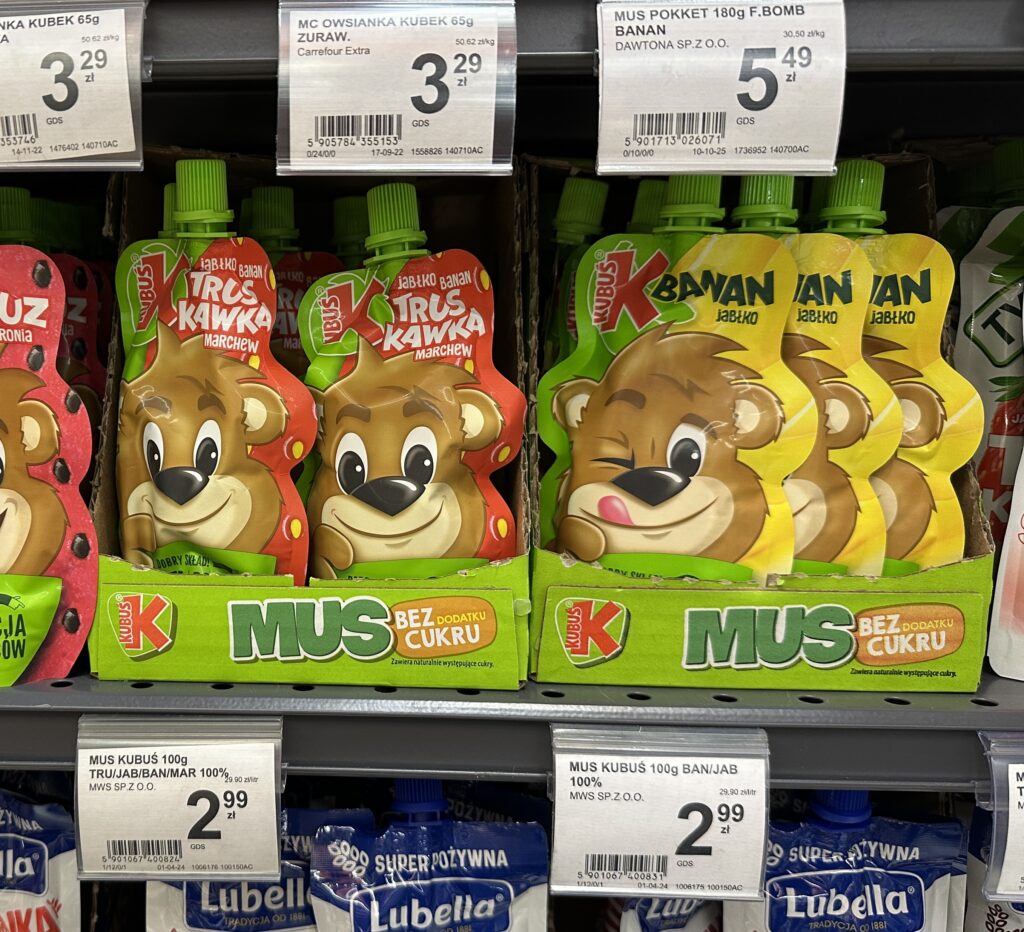
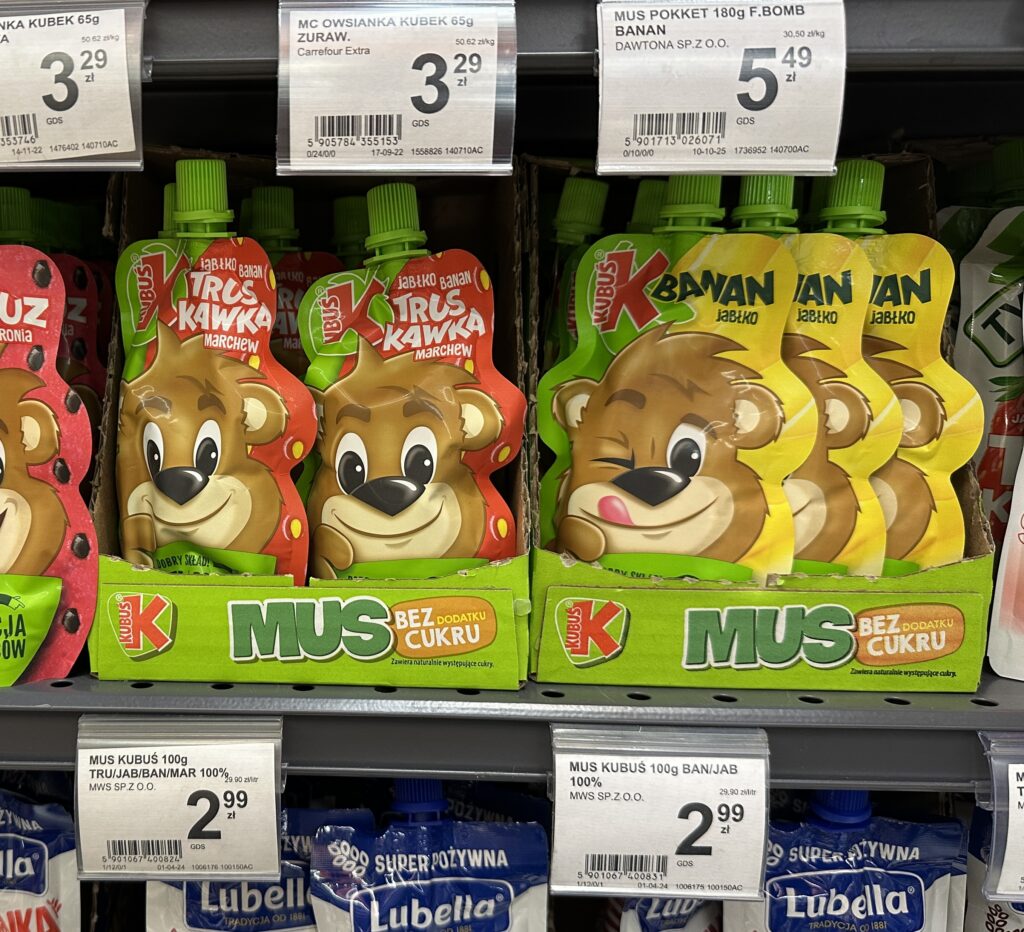
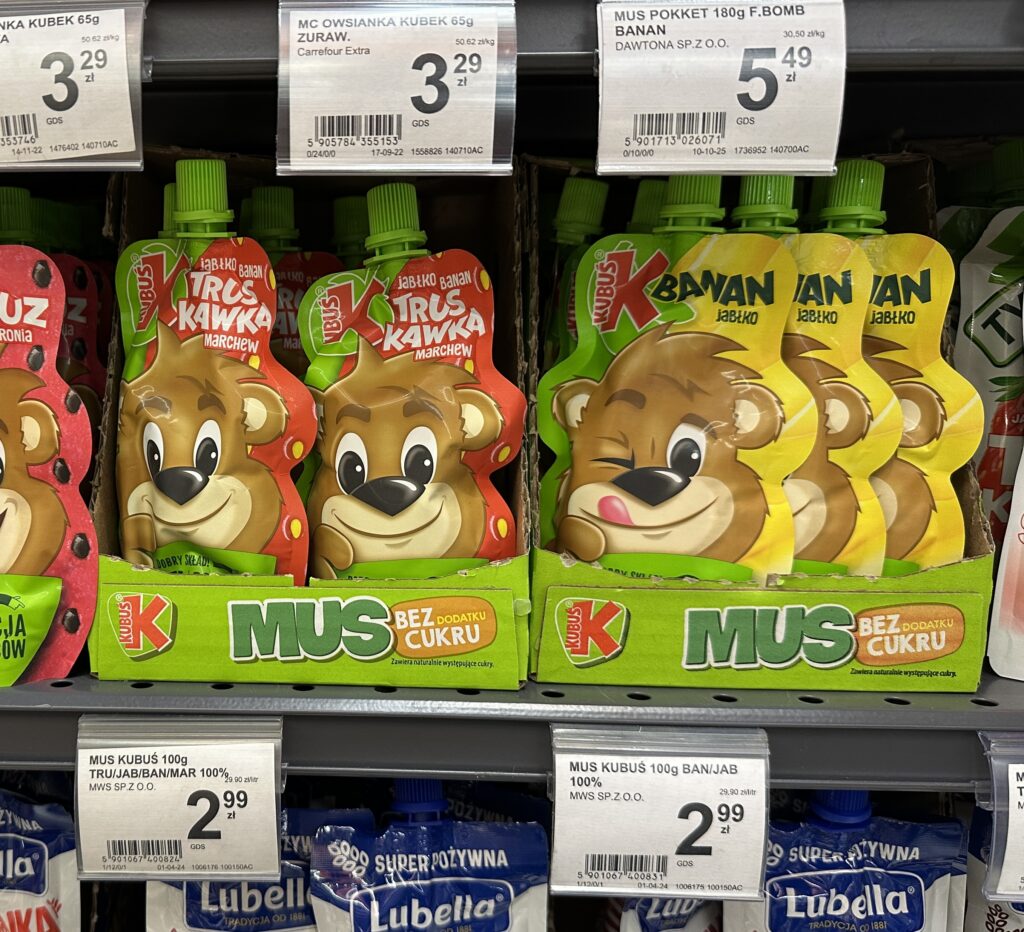
    The Good: The Kubuś carton is a benchmark for effective SRP.

    • The bright green color perfectly aligns with the brand’s “natural/fruit” identity.
    • The tray lip is used strategically to scream “BEZ DODATKU CUKRU” (No Added Sugar). This is a critical benefit for parents.
    • The die-cut is clean, and the height of the front wall is perfectly calibrated—it holds the flexible pouches upright so the character’s faces are always visible, yet it doesn’t hide the product name. It utilizes every centimeter of the front-facing “lip” to communicate value.

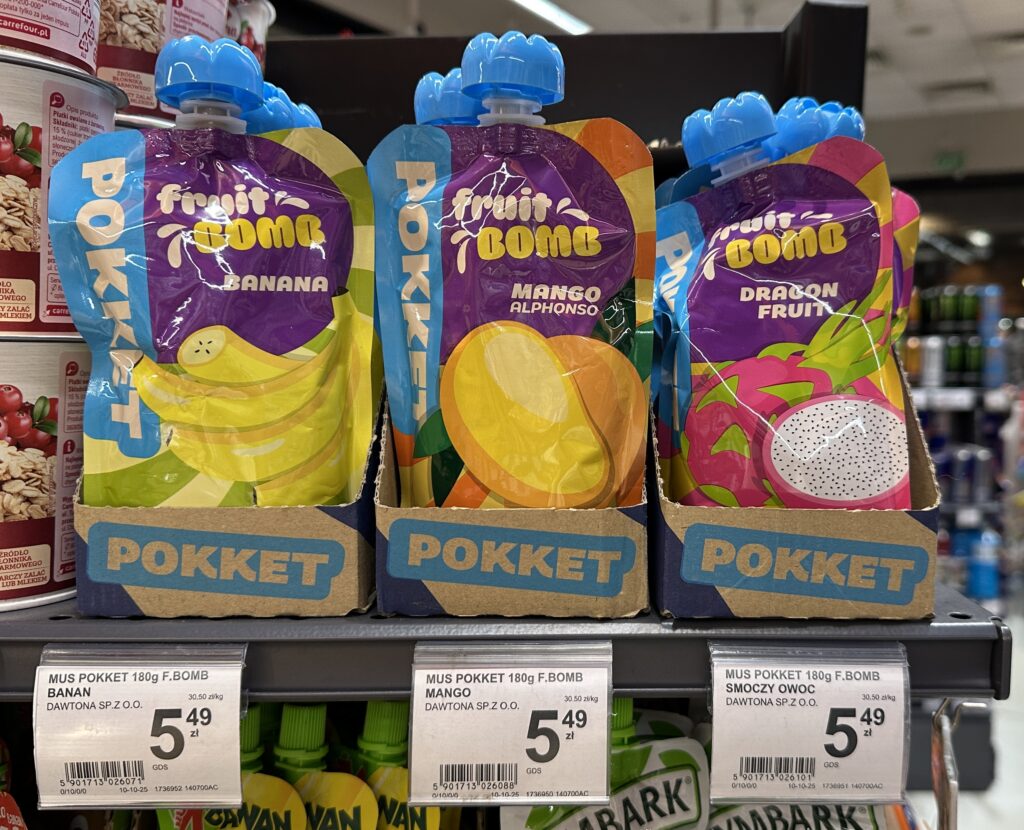
    The Bad: Pokett Fruit Bomb While the design of product itself seems to be modern, the execution of the collective carton leaves room for improvement.

    • The carton doesn’t give any message. The only thing included is the logo of the brand, that’s all.
    • Carton’s grey/brown color doesn’t make an eye catch; it is extremely boring in comparison to the product in exotic flavours. I would expect here something more “screaming”, maybe even neon color to give the product even more “exotic vibe”.

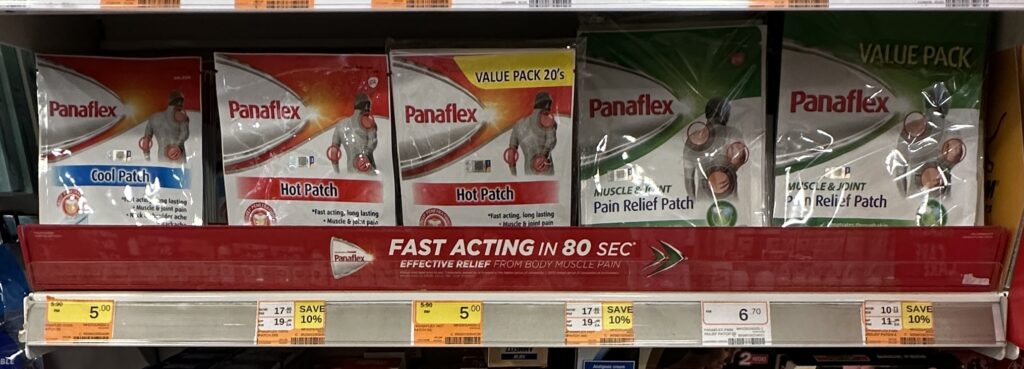
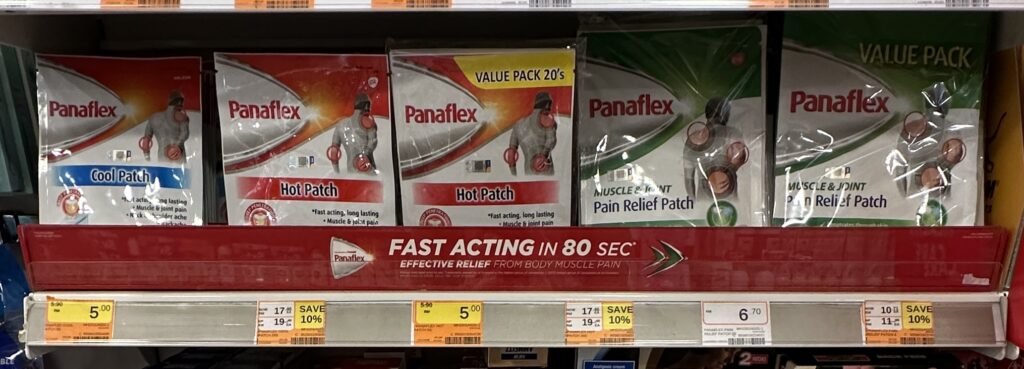
    The Good: Panaflex This is a classic example of a “Value Pack” display.

    The red “FAST ACTING IN 80 SEC” banner is a brilliant use of the shelf edge. It creates a secondary communication layer that sits below the product.

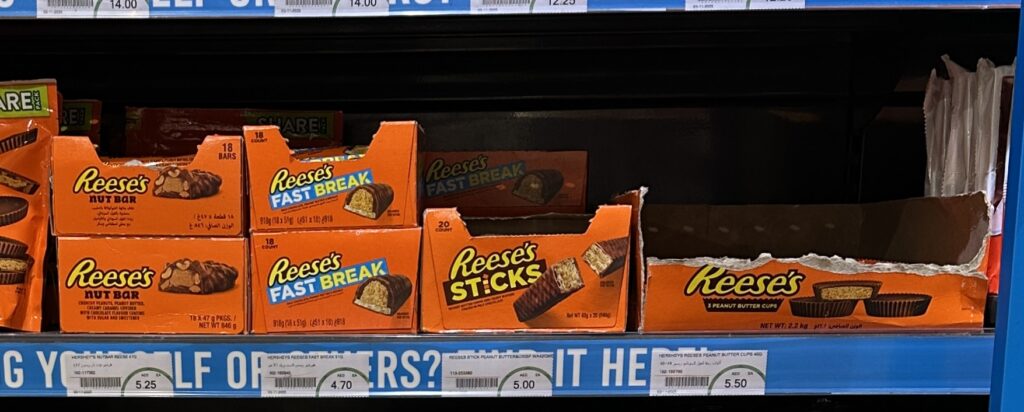
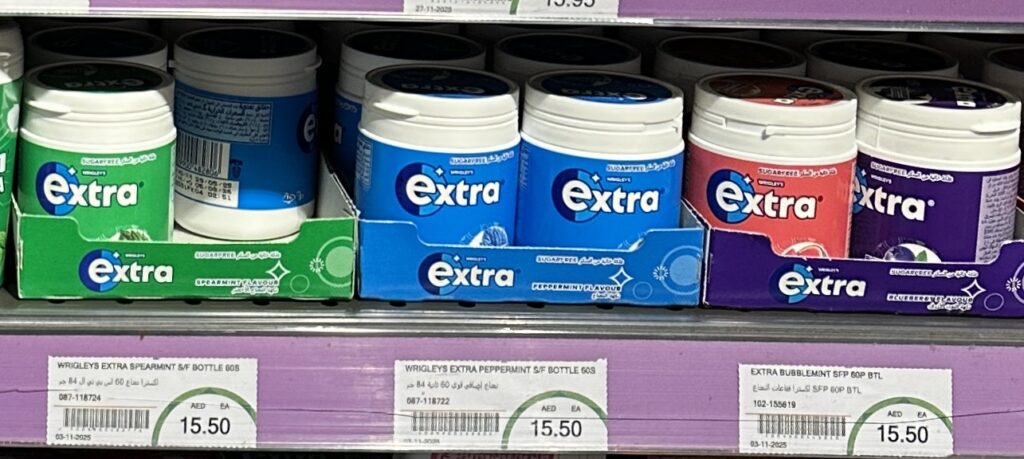
    A lot of bad examples

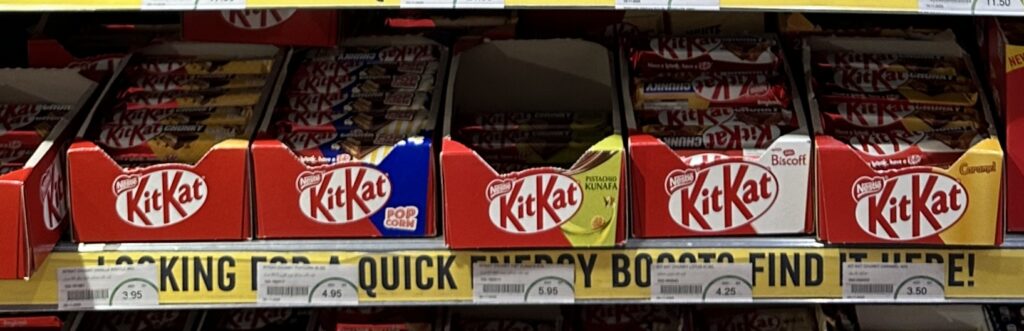
    • Redundancy – Repeating the brand name 5 times in 10 centimeters. What’s the point?
    • Shadowing – High carton walls that turn products into “hidden treasures.”
    • Dead Space – Leaving huge % of the vertical shelf height empty and unbranded.
    • Lack of Hierarchy – No clear “hero” message, just a chaotic repetition of logos.

    In conclusion, the collective carton is not just a box; it is a multifunctional tool.

    To succeed, it must:

    • protect the goods,
    • respect the worker,
    • invite the shopper,
    • shout the brand’s message.

    In the battle for the “First Moment of Truth,” the carton is often the deciding factor in whether a product moves from the shelf to the basket.

  • From Commodity to Craft – Can every “basic” product become “premium”?

    The answer is a resounding YES.

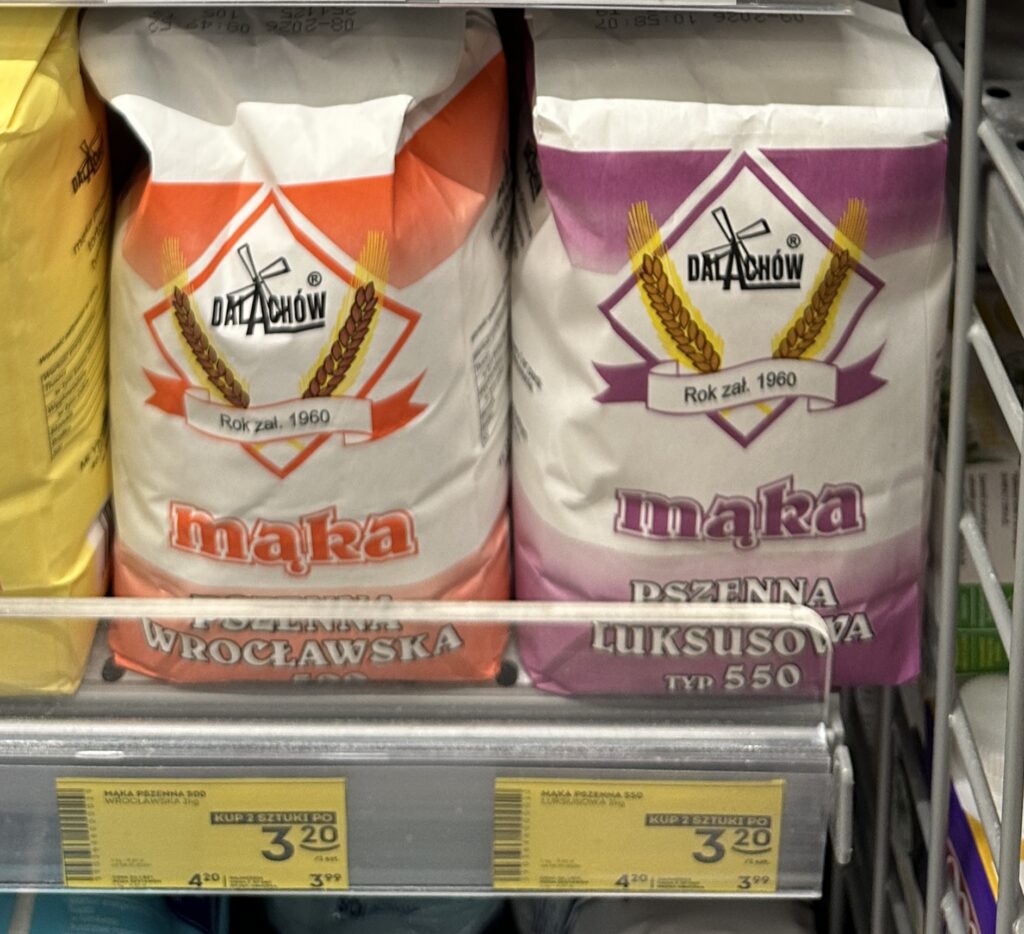
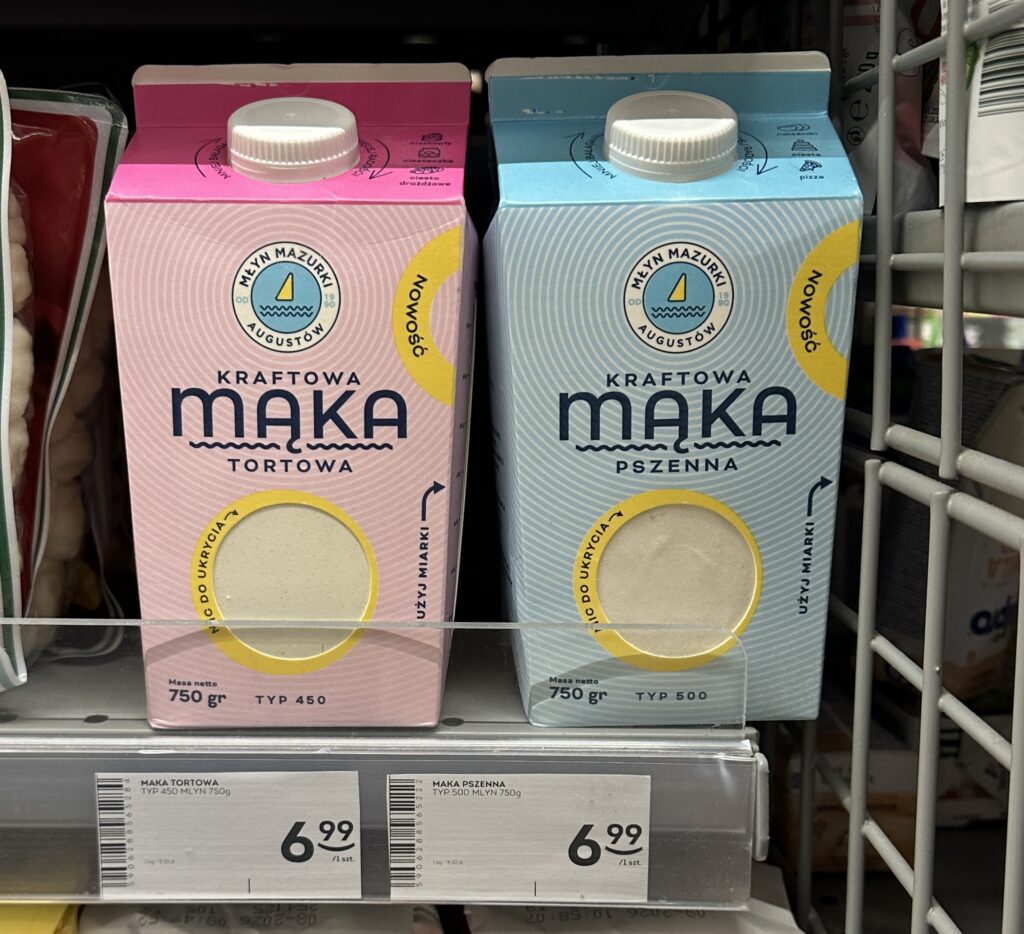
    Walking the aisles today, I spotted a perfect example: basic flour transformed into a “crafted” essential for culinary enthusiasts.

    If you’re a foodie aiming for that perfect Neapolitan pizza or a delicate sponge cake, you don’t want just flour; you want a premium ingredient that respects your craft.

    Battle: Standard Flour vs Premium Flour

    Let’s look at the hard-comparison:

    STANDARD (Młyn Dalachów)

    • Weight: 1kg
    • Price: 3.20 PLN
    • Price per KG: 3.20 PLN PLN/kg
    • Packaging Format: paper bag
    • Convenience: Low – Requires storage container after opening
    • Brand Identity: Heritage, Reliable, Commodity
    • Shelf Impact: Low (Blends with category standard)
    • Target Audience: Price-conscious families, traditional cooks

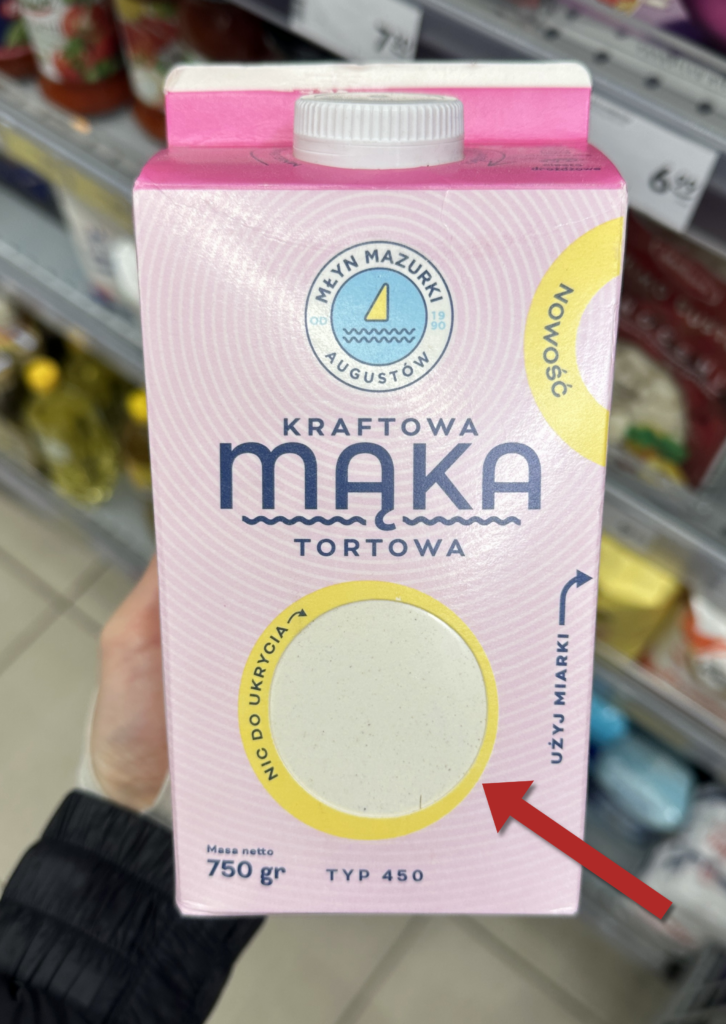
    PREMIUM (Młyn Mazurki)

    • Weight: 0.75kg
    • Price: 6.99 PLN
    • Price per KG: 9.32 PLN/kg
    • Packaging Format: paper bag
    • Convenience: High – Easy to store, easy pour
    • Brand Identity: Modern, Premium
    • Shelf Impact: High (Unique shape/color)
    • Target Audience: Urban “foodies,” hobbyist bakers

    How do you turn an “unsexy” commodity into a foodie’s holy grail?

    It’s all about solving the “pain points” of the traditional shopping and cooking act. Let’s look deeper.


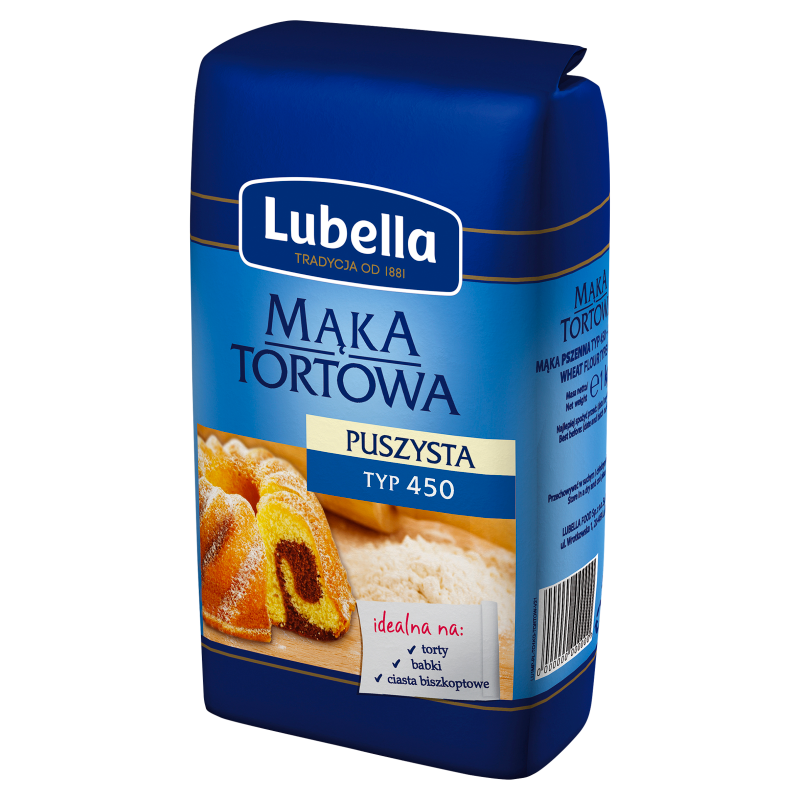
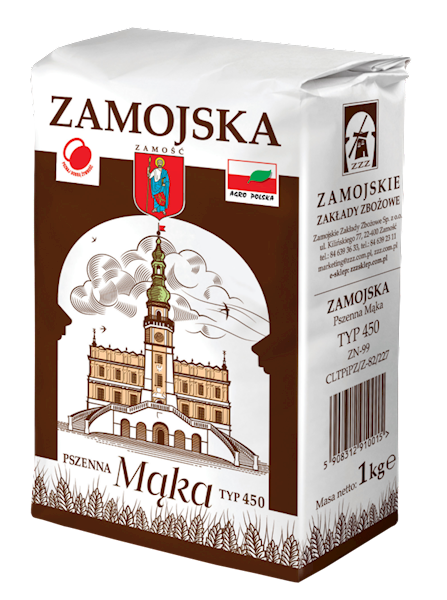
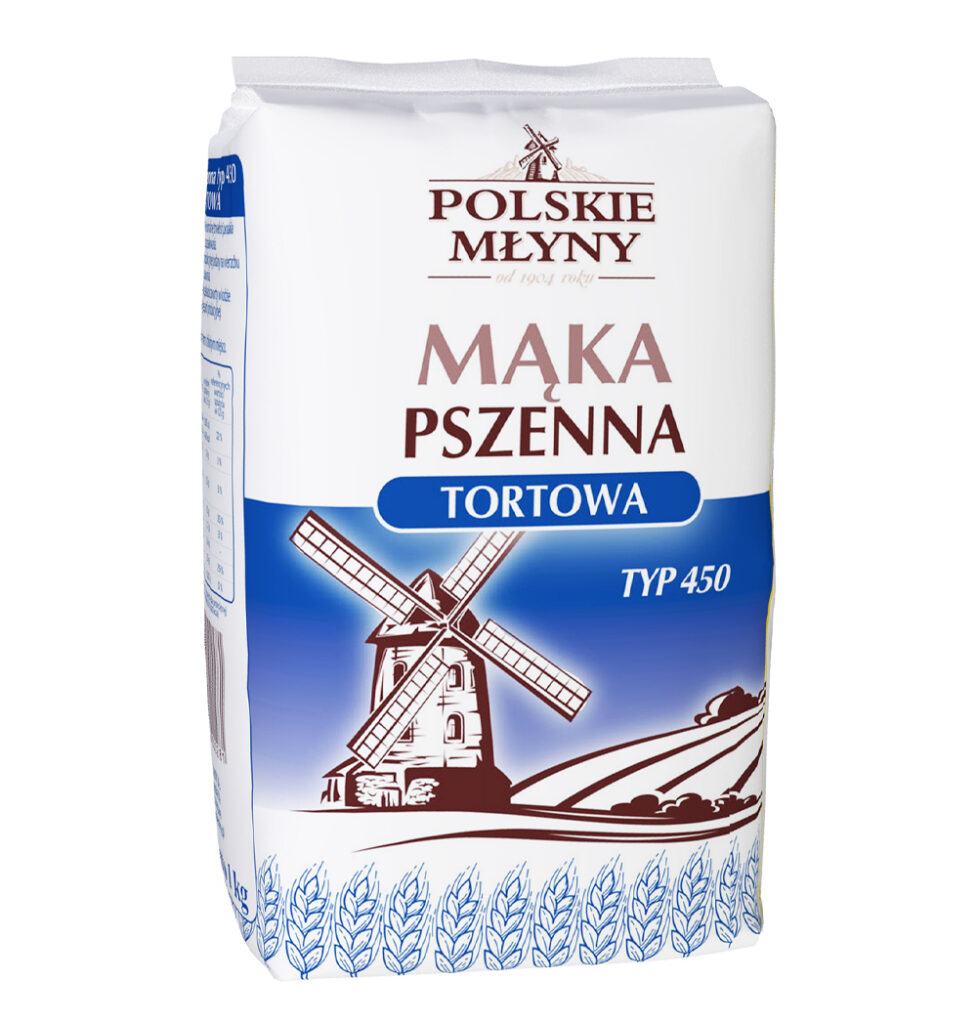
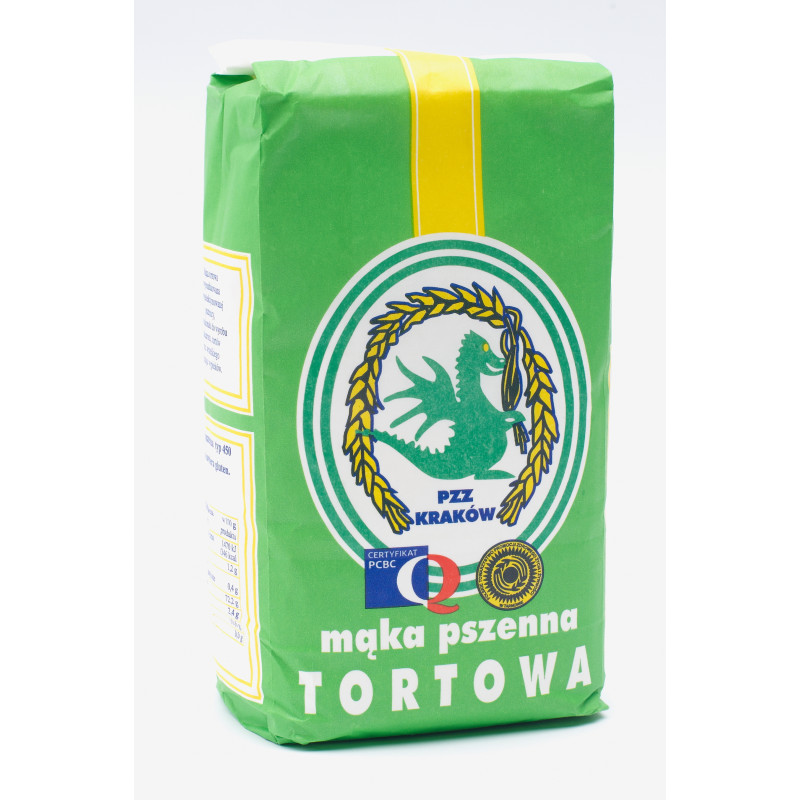
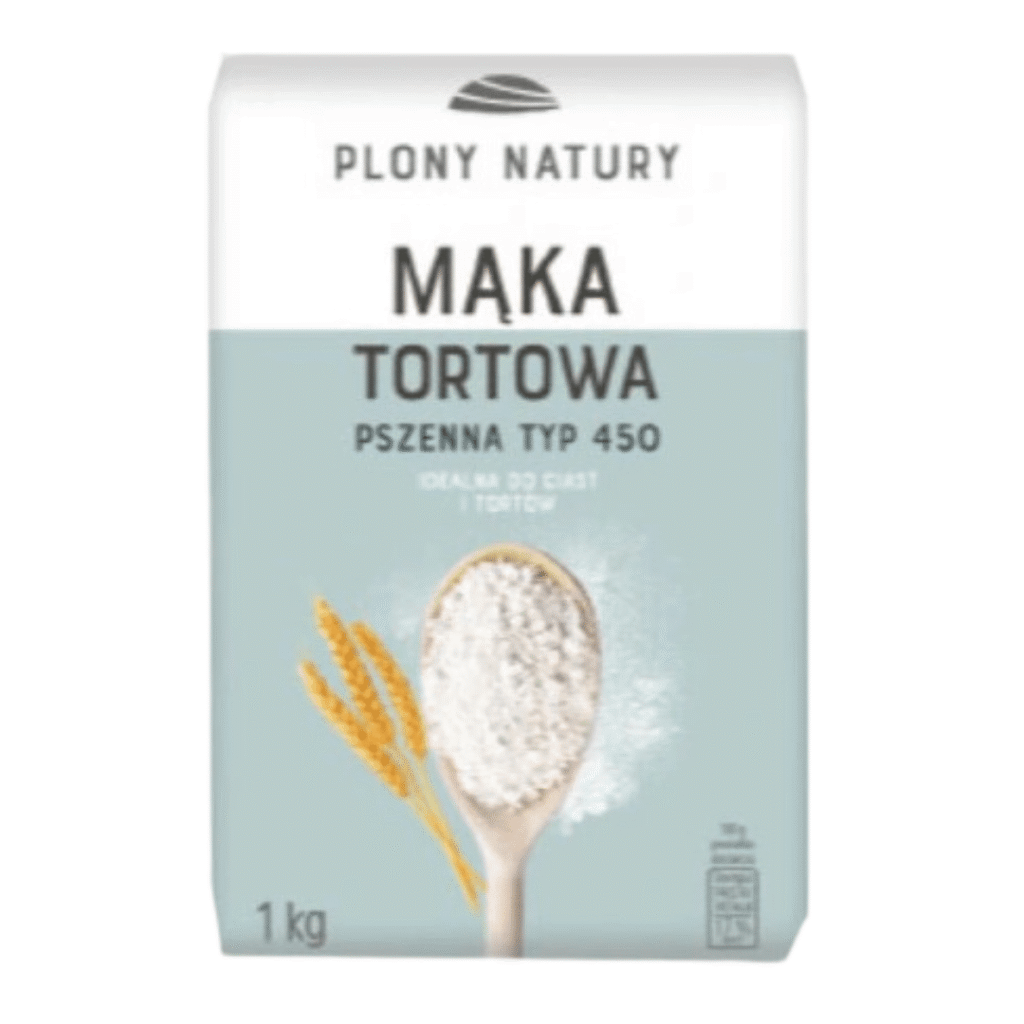
    Visual Identity | While most competitors cling to 19th-century nostalgic illustrations, Młyn Mazurki went bold and modern. The pastel palette and clean typography appeal directly to Millennials and Gen Z.

    Typical Designs of Flour Product:


    The “Trust Window“| By including a transparent circular window on the front, they eliminate the “mystery” of the content. You see the texture and purity before you buy. In a category prone to moisture or pest issues, this is a massive trust-builder.


    Tetra Pack – multiple benefits:

    • Precision Pouring – The plastic cap allows for controlled dosing. No more “flour clouds” or accidental spills.
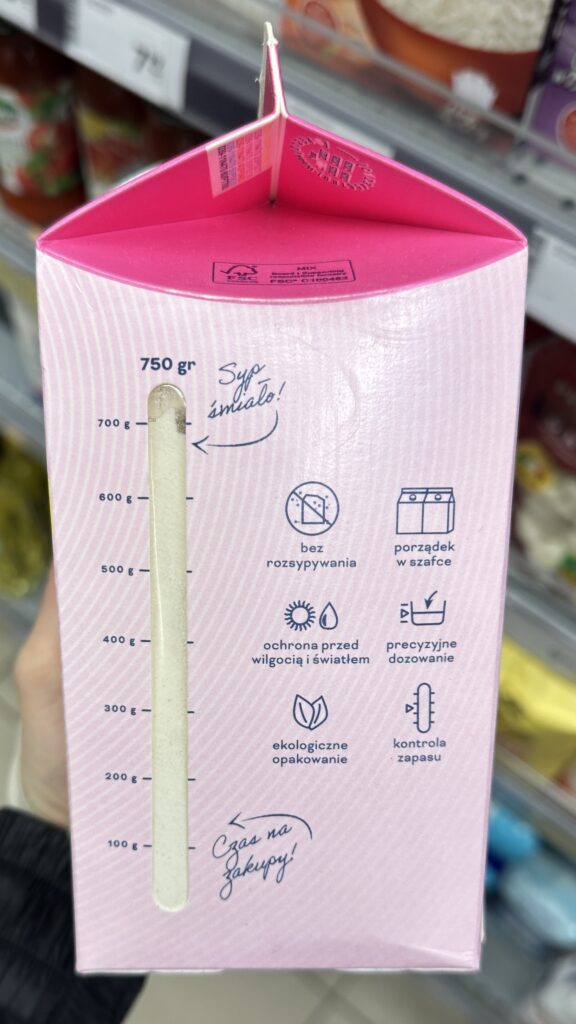
    • The Integrated Scale – The side of the pack features a transparent strip with a weight scale. It’s a genius move for the “weight-scale-less” kitchen.
    • Container itself – It eliminates the need for the consumer to transfer the product into a separate glass jar.
    • Climate Shield – Unlike paper, this packaging offers a barrier against UV light and humidity, ensuring the flour remains its quality.

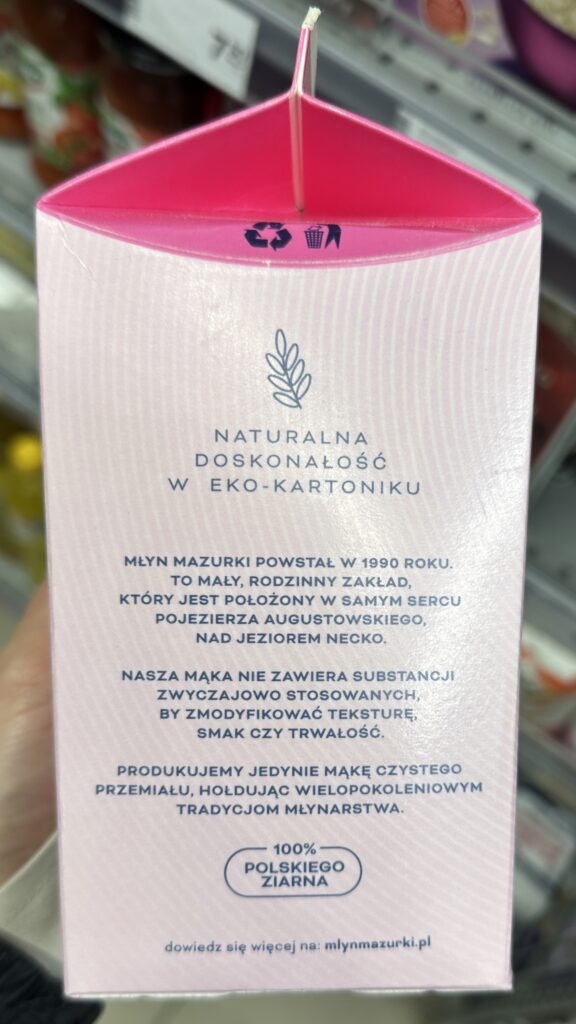
    The “Emotional” Premium | The side panel isn’t just text; it’s a manifesto.

    Producer highlights their location in the heart of the unpolluted Lake District, near Lake. In FMCG, “origin” equals “quality.”

    Company states the absence of artificial substances used to modify texture or taste. Another extra points to prove the quality.

    By usage of eco-carton producer align with the growing consumer demand for responsible packaging, even in the baking aisle.


    Others:

    • Lighter than standard 1kg – At 750g, it’s lighter and more ergonomic for the “occasional baker” or the urban shopper on foot.
    • Clean shopping experience -Traditional paper flour bags often leak, leaving a white trail in the shopper’s bag. This carton is “clean-bag” guaranteed, improving the post-purchase experience.
    • Control BBD – Very easy to control Best Before Date after buying the product as it is printed on the top and visible.
    • Price advantage – format of 750g allows for a more competitive price point compared to a full 1kg premium bag, while maintaining a higher margin per gram (with same margin 1kg product would be 9.32 PLN/kg so in customer rounding this is like 10 PLN)


    Now – Reality Check – Innovation or Illusion?

    While the “Młyn Mazurki” execution is a masterclass in consumer psychology, we must look beneath the pastel surface to see the strategic trade-offs being made.

    1. The Greenwashing Trap & The “Eco” Paradox

    The packaging proudly claims to be an “eco,” but from a circular economy perspective, this is a classic case of greenwashing. While a traditional paper flour bag is 100% compostable and easily recycled in a single stream, a Tetra Top® is a complex multi-layer composite of paperboard, plastic, and sometimes aluminum.

    It is one of the most difficult materials to process in standard recycling facilities.

    By moving from paper to plastic-capped cartons, the brand has actually increased the environmental footprint of the product while marketing it as “natural perfection.”

    1. The “AI Design” Margin Maximizer

    We are entering an era where “premium” aesthetics have a lower barrier to entry than ever before. With the high availability of AI-driven graphic design tools, creating a “modern, minimalist, Gen-Z-friendly” look costs almost nothing in terms of creative overhead. The real innovation here isn’t the art—it’s the format change. By dropping the weight to 750g and wrapping it in a “high-tech” carton, the producer successfully masks a significant price-per-kilo hike. It’s a brilliant enabler to maximize profit margins under the guise of “craft” quality.

    1. The Future of Convenience: The “Middle Ground” Strategy

    This product signals a fascinating shift for convenience stores (Zabka, 7Eleven, etc.). Should these stores focus on “Ready-to-Eat” (RTE) or “Ready-to-Cook” (RTC) premium ingredients?

    The Compromise – This flour represents a middle ground. It’s for the foodie who finds restaurant prices too high but refuses to settle for the low quality of a microwaveable meal.


    Convenience stores are becoming “culinary hubs” for the quality-conscious shopper. Offering premium ingredients in “small-batch” formats (like 750g) allows consumers to create a “better-than-restaurant” meal at home without the waste of bulk buying.

    Final Thought

    Młyn Mazurki has successfully gamified the baking act. They’ve turned a messy chore into a precise, aesthetic experience. It’s a win for the profit margin and the user experience, even if the planet takes a back seat in the process…

  • Ready-to-eat nostalgia products

    Would you believe that a single supermarket shelf in Poland tells the story of a massive social shift? To the uninitiated, it’s just a mix of dessert options. To an FMCG analyst, it is a roadmap of how we live, age, and eat.

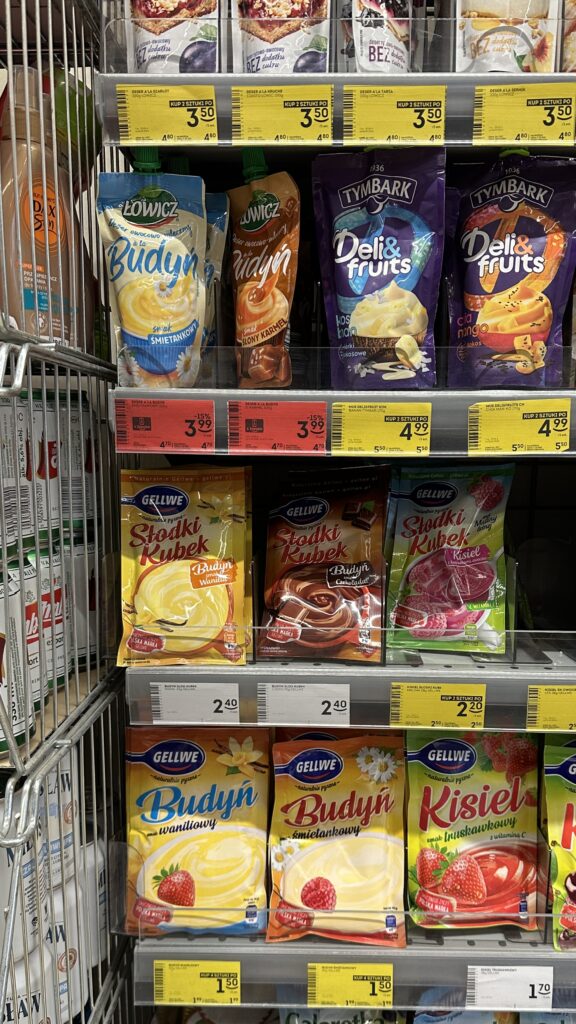
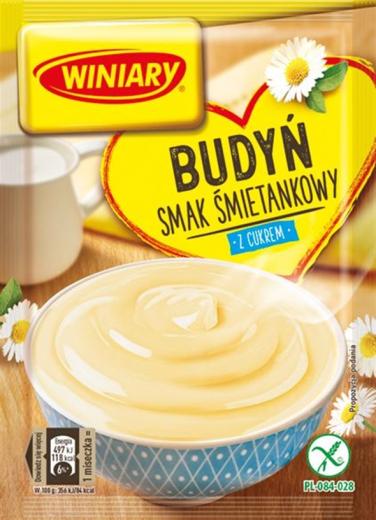
    “Budyń” is the Polish equivalent of English Pudding . Traditionally a warm, milk-based dessert thickened with starch, it has long been the “comfort food” of the nation. But the way we consume it is changing, reflecting a shift from the communal family table to the “on-the-go” individual.


    The Three Eras

    Let’s go deeper and see what was the shift that happened here.

    The Traditional Ritual (The Family Pack)

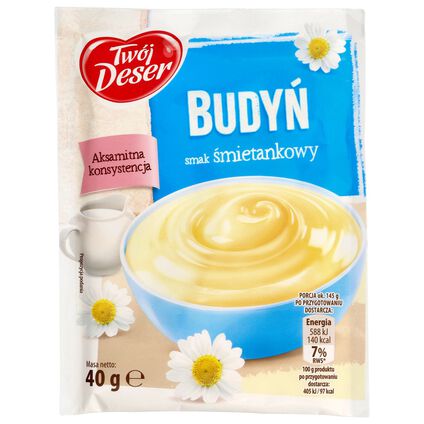
    You buy a 40g sachet of powder, milk, and sugar. In the kitchen, you whisk, boil, and stir. One packet yields four portions. This is the essence of old-fashion family model —a communal experience where the dessert is shared, and the labor of cleaning the pot is a small price for a family moment.

      The Semi-Modern Shift (The “Cup” Revolution)


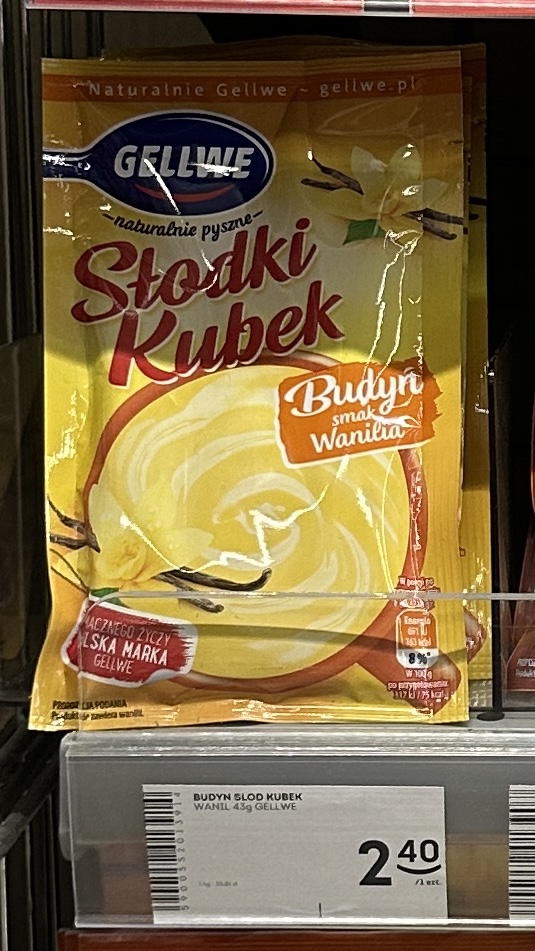
      Enter the “Słodki Kubek” (Sweet Cup). You buy a smaller sachet, add boiling water and stir it directly in a coffee mug. It’s a single portion. No leftover waste, no separate pot to scrub. This was our first hint that the Polish household was shrinking.

      The Hyper-Modern Reality (The Tube)


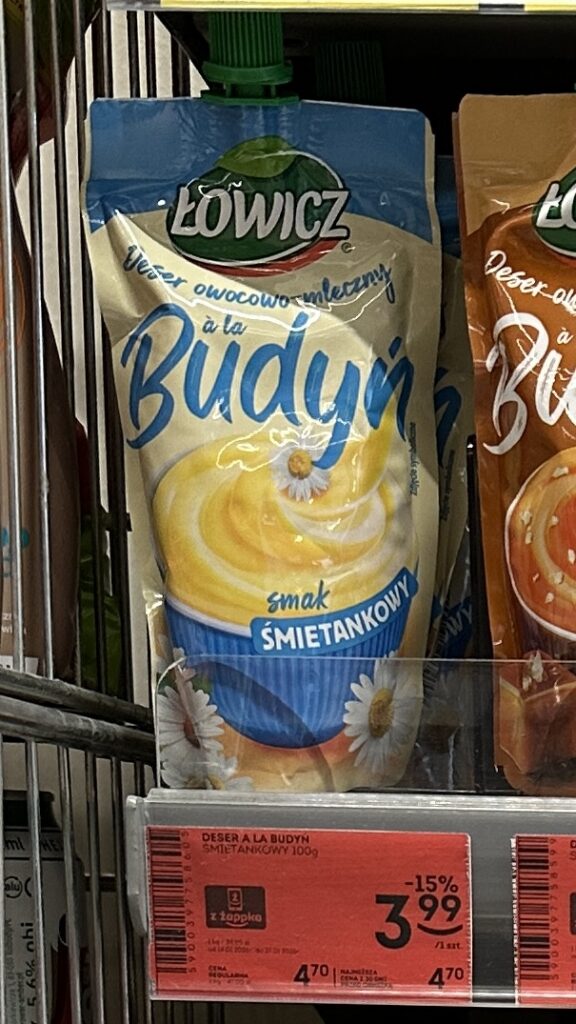
      The latest evolution is the ready-to-eat pudding in a squeeze tube, like the Łowicz “à la Budyń” pictured. No kitchen, no extra ingredients, no skills, and zero cleanup. It is the ultimate “frictionless” food. You eat it on the way to the office or as a quick evening snack, and then the packaging vanishes into the bin. It’s a dessert for a life that doesn’t stop for a boiling pot.


      The Demographic Engine – Why This Makes Sense

        This shift isn’t just about laziness; it’s about the math of modern living. According to Eurostat, the average household size in Poland has been steadily dropping, now sitting at approximately 2.6 members, with one-person households becoming the fastest-growing segment in urban areas [Source: Eurostat, 2023]. We no longer need four portions because, increasingly, there is only one person at the table.


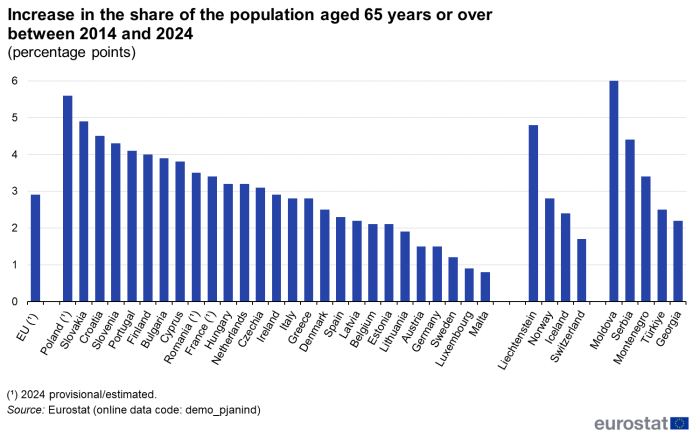
        Another factor – The Silver Economy. Poland is one of the fastest-aging societies in the EU. By 2050, it is estimated that people aged 65 and over will make up over 30% of the population [Source: GUS].

        For the elderly, the “pudding tube” is a stroke of genius. As manual abilities decreases, the struggle of holding a spoon or the danger of handling boiling milk on a stove becomes a barrier. A squeeze tube removes the risk of broken glass and the physical toll of cleaning, allowing seniors to enjoy the flavors of childhood safely and independently.

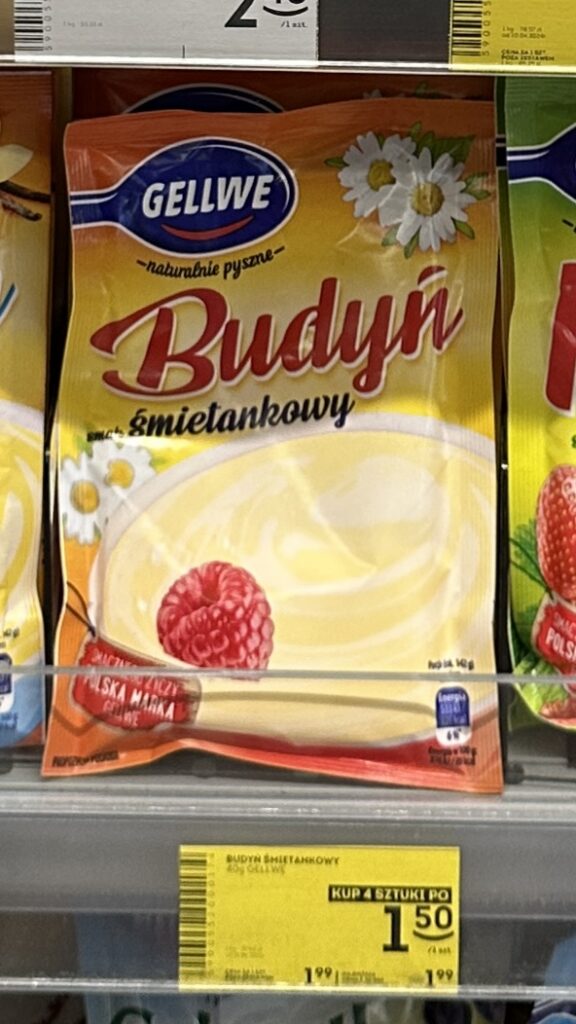
        The “Daisy” Mystery

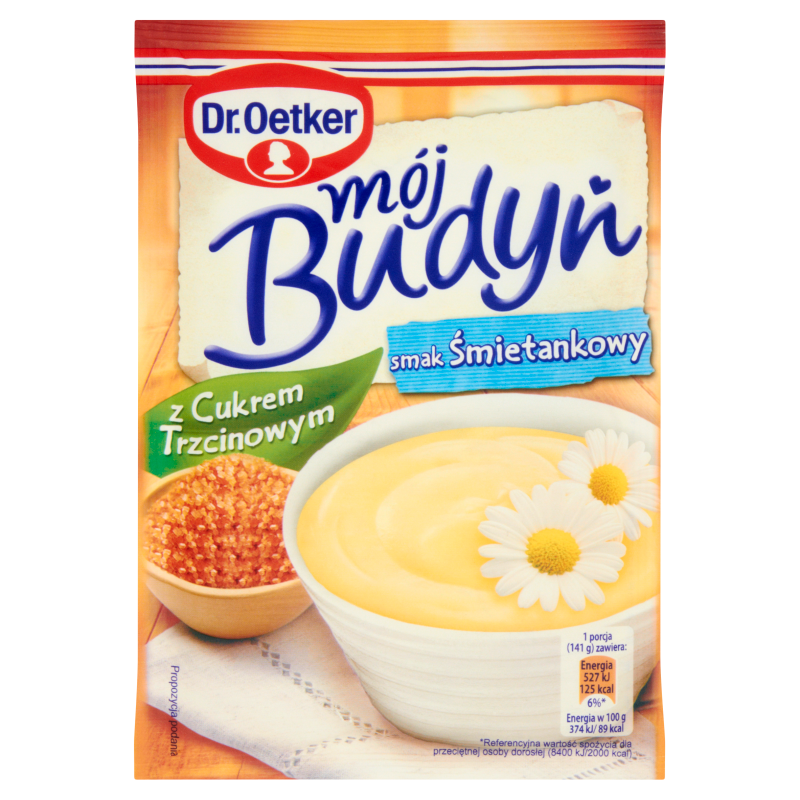
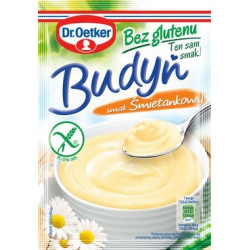
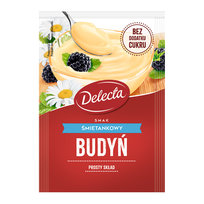
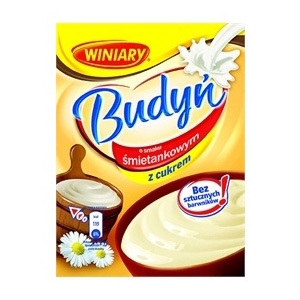
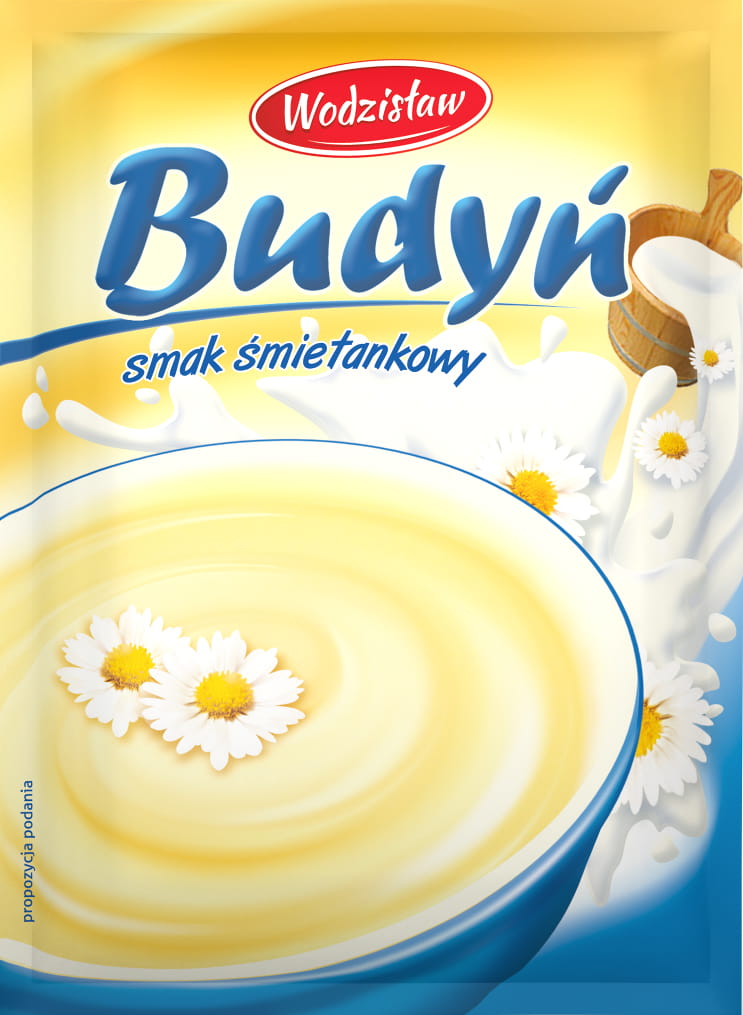
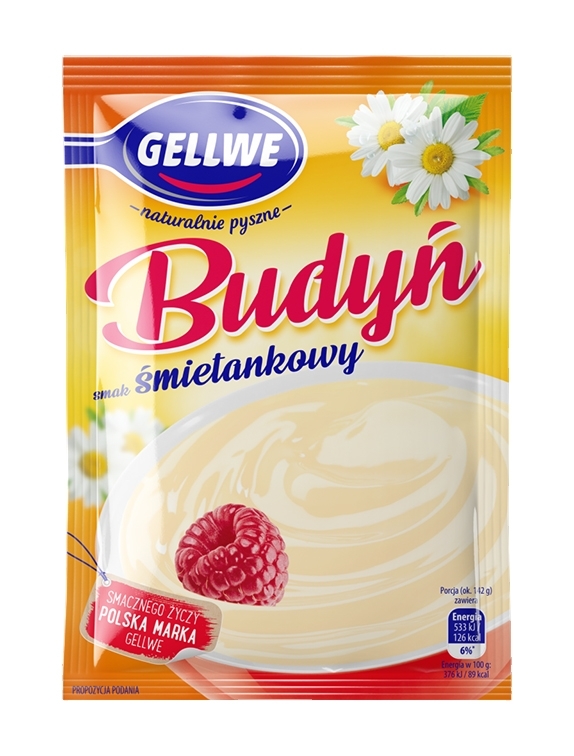
        BTW – Have you noticed that almost every Cream flavored pudding features a daisy on the packaging?

        What’s the business behind?

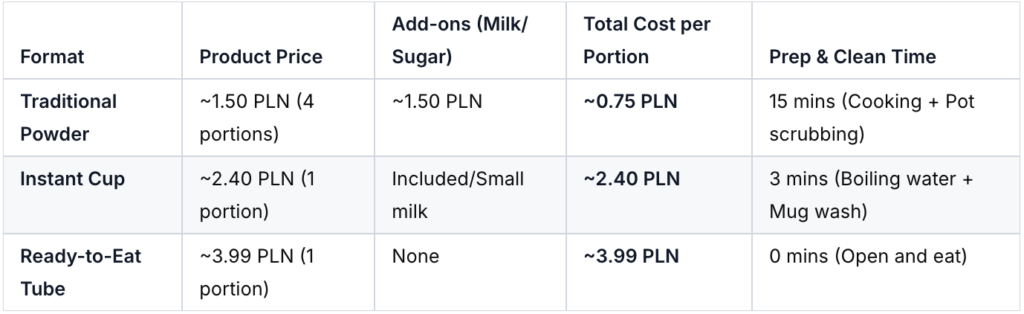
        How much does that free time actually cost you? Let’s look at the financial breakdown of one portion of vanilla/cream pudding across the three formats.


        Moving from the traditional pot to the modern tube increases your cost per serving by over 430%. However, in a world where a “household” is often just one busy professional or one elderly person with limited energy, the market has decided that 15 minutes of your life is worth more than the 3.24 PLN price gap.

        What’s the conclusion here?

        We aren’t just buying pudding anymore; we are buying the right to not have a kitchen.

        We are buying the proof that in the modern world, the craving for tradition no longer requires the presence of a home.

        We are buying a mess-free existence, with no more “dirty pot” era.

        By choosing the squeeze tube, we trade a few extra zlotys for a dessert that requires no spoon, no bowl, and no cleanup—just pure, instant nostalgia that fits in a pocket.

        Thoughts?

      1. Emotional branding in the FMCG sector – Premium Packaging Reshapes Poland’s Canned Fish Market?


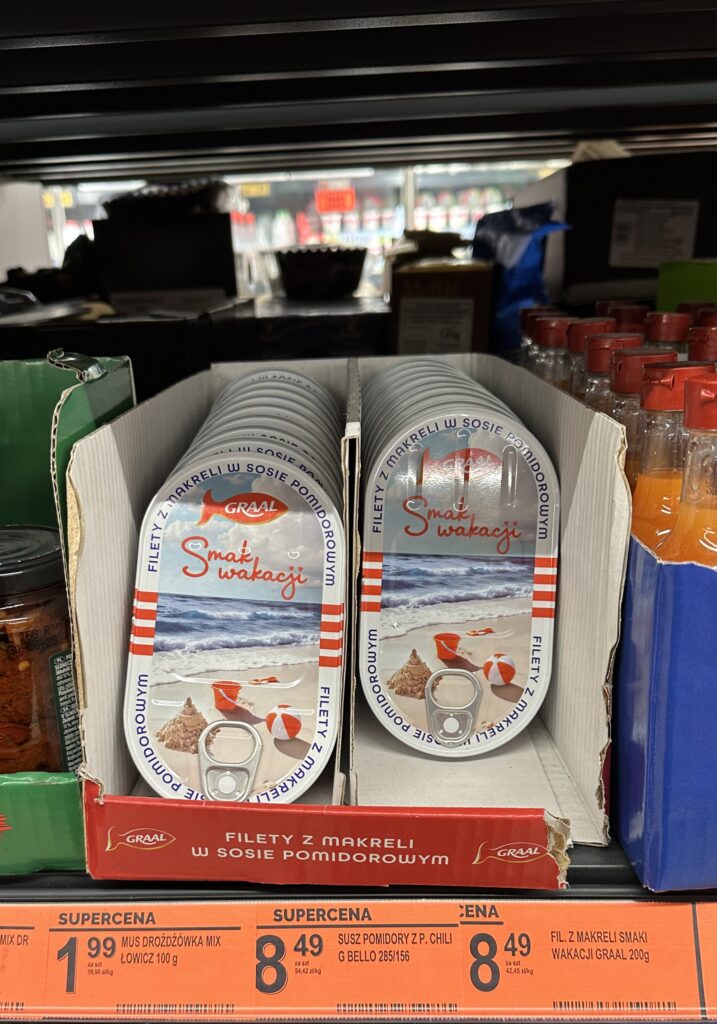
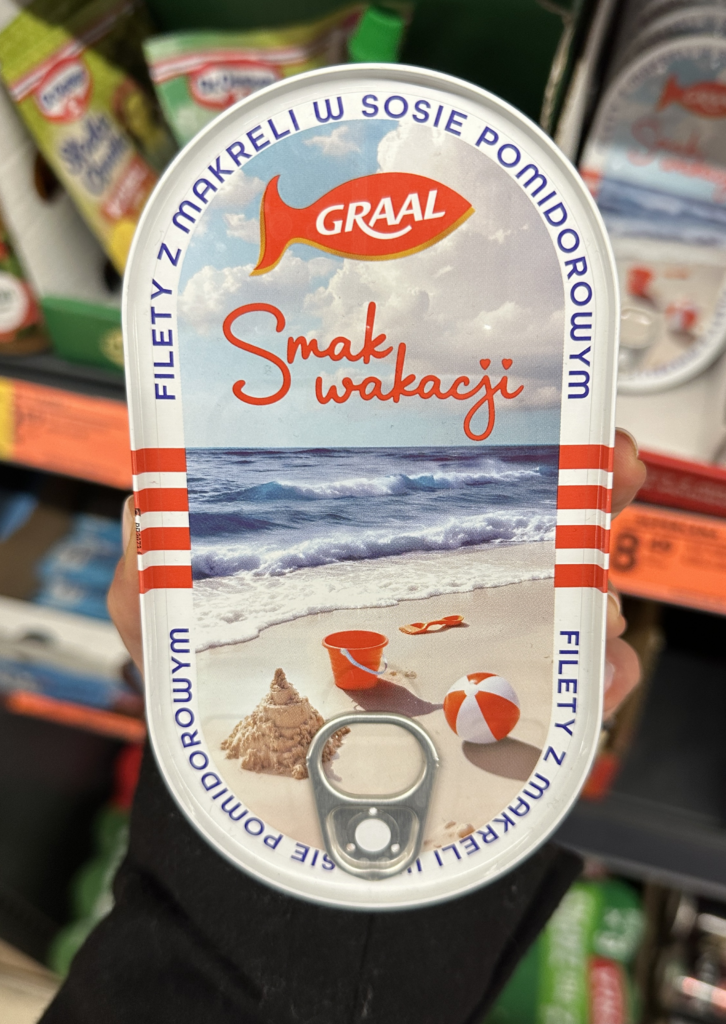
        During a recent visit to a Biedronka discounter store, I encountered a canned fish product that immediately stood out from the shelves— for its unconventional packaging. Instead of the traditional product photography we are all used to, the label featured a serene beach scene complete with sun, sand, and summer toys.

        It was a curious choice that sparked an important question: in an increasingly competitive FMCG market, can emotional design justify premium positioning?


        Emotional Branding: A Risky Gambit in the Discount Sector


        The packaging strategy raises an intriguing paradox. Traditional FMCG wisdom suggests that product imagery—showing the actual contents—reduces purchase friction and builds consumer confidence. Yet this product abandons that convention entirely. Instead of mackerel fillets, consumers see a beach landscape.
        Isn’t it confusing?

        Potentially.

        However, it’s also strategically calculated. The design taps into what behavioral economists call “emotional congruence”—the association between eating fish and the sea. This approach mirrors successful premium brands like

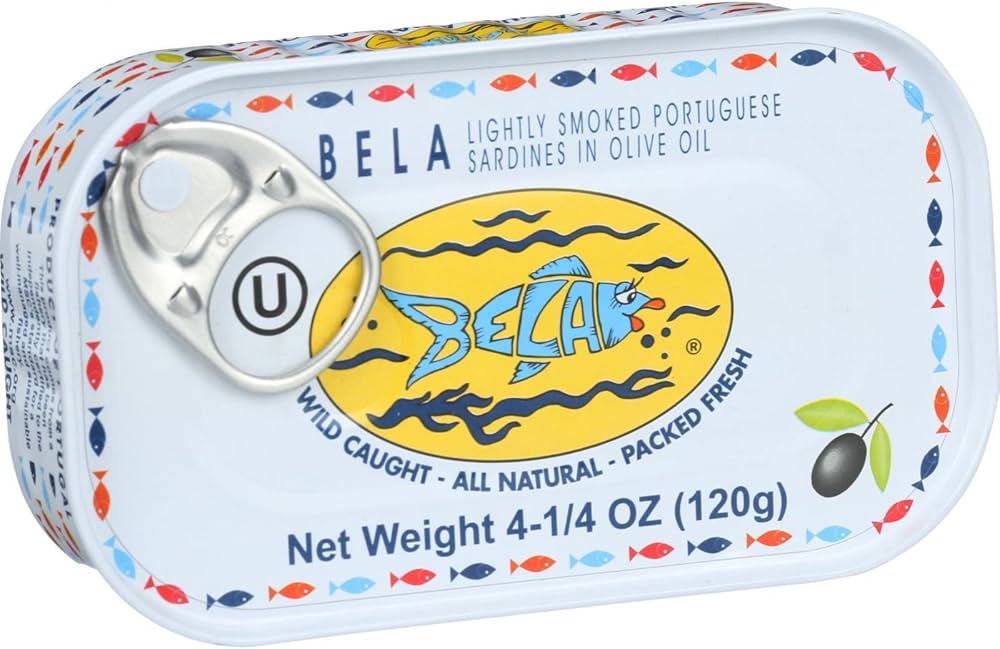
        Bela Olhao (Portuguese sardines)

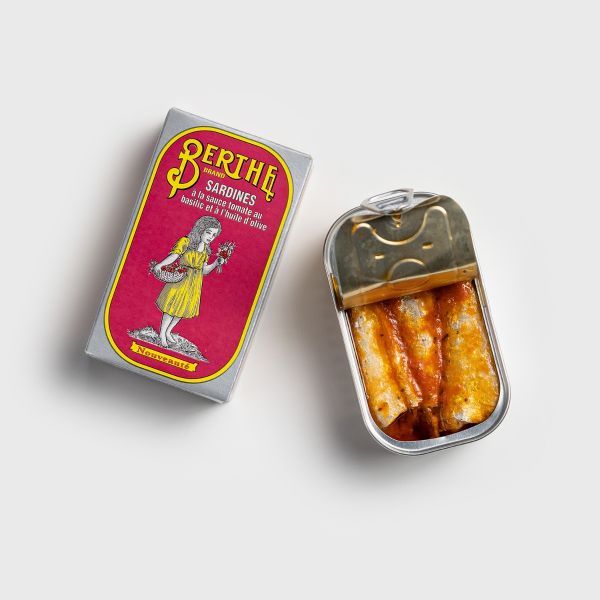
        Berthe (Portuguese sardines)

        which have built strong market positions through lifestyle imagery rather than product shots.


        In the discount channel, where price-conscious consumers dominate, such premium positioning is unconventional. Yet it signals quality differentiation—a critical factor when competing against private-label alternatives.

        The Price Paradox: When Premium Packaging Offers Better Value


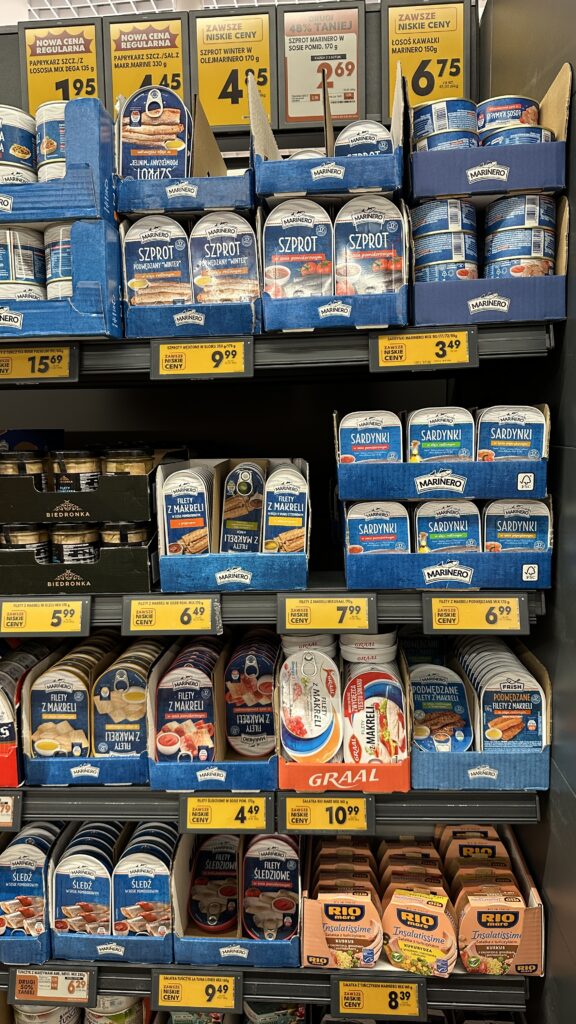
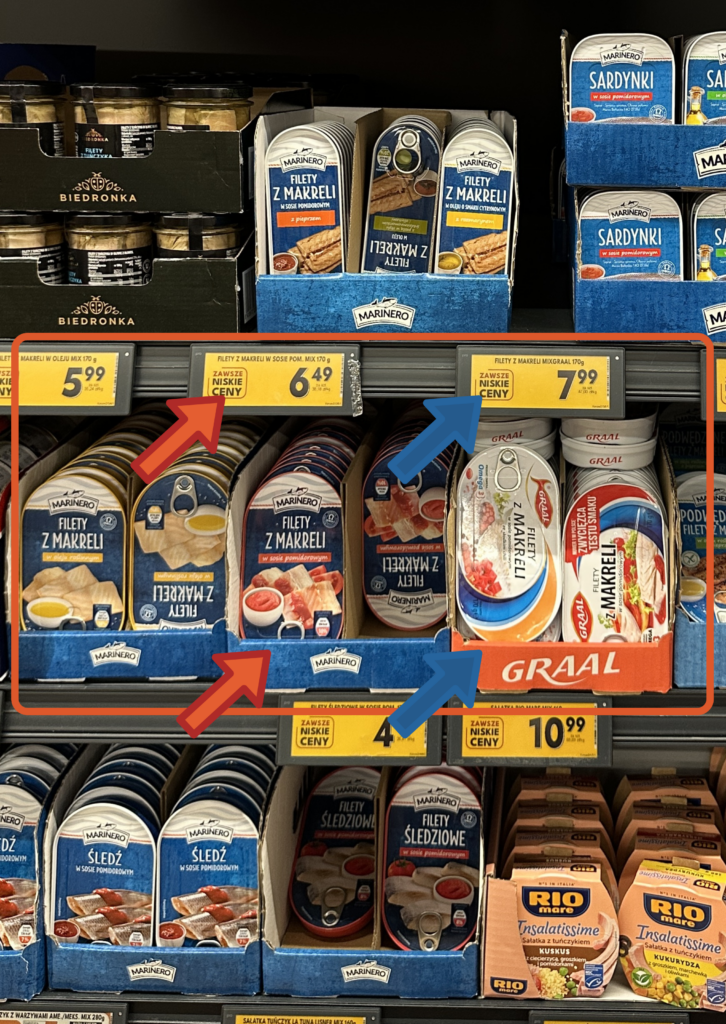
        Here’s where the analysis becomes genuinely interesting.The price of this product is 8,49 PLN for 200g, when at the same time “same” product (mackerel fillet) costs:

        7,99 PLN for 170g – same producer (Graal)

        6,49 PLN for 170g – private label of discounter (Marinero by Lisner)

        Let’s examine the per-kilogram pricing:

        The data reveals a counterintuitive finding – the premium-packaged 200g product is actually 10.7% cheaper per kilogram than the same producer’s 170g offering. This pricing strategy—larger pack at lower per-unit cost—isn’t it an FMCG tactic designed to drive trial among price-sensitive consumers while maintaining perceived quality through design?


        The private-label Marinero remains the most economical choice at 38.18 PLN/kg, approximately 11.2% cheaper than the premium design product and 23% cheaper than the name-brand 170g version.

        The Psychology of Premium Discounting


        This pricing structure reveals sophisticated consumer segmentation. The brand is essentially offering three distinct value propositions:

        1. Emotional/Aspirational Value: The premium design appeals to consumers seeking quality signals and lifestyle alignment, willing to pay a modest premium for perceived superiority.
        2. Rational Value: The 200g pack offers better per-kilogram pricing than the smaller branded alternative, appealing to value-conscious shoppers who also appreciate quality cues.
        3. Pure Economy: The private label serves price-maximizers with minimal brand loyalty.

        Nostalgia as a Market Differentiator

        The decision to purchase this product becomes more about consumer self-identification. The beach imagery doesn’t obscure the product—it clarifies the brand’s positioning. It says: “This is not just preserved fish; this is a sensory memory of leisure and quality.

        In Poland’s increasingly competitive discount retail environment, where private labels capture 35-40% of FMCG sales (Source: GfK Poland, 2024), branded products must justify their premium through more than just product quality. Emotional design, when paired with competitive pricing, becomes a legitimate differentiation strategy.


        So yes, buying beautiful memories with even better per-kilogram pricing than the alternative branded option? That’s not just nostalgia—it’s smart shopping.

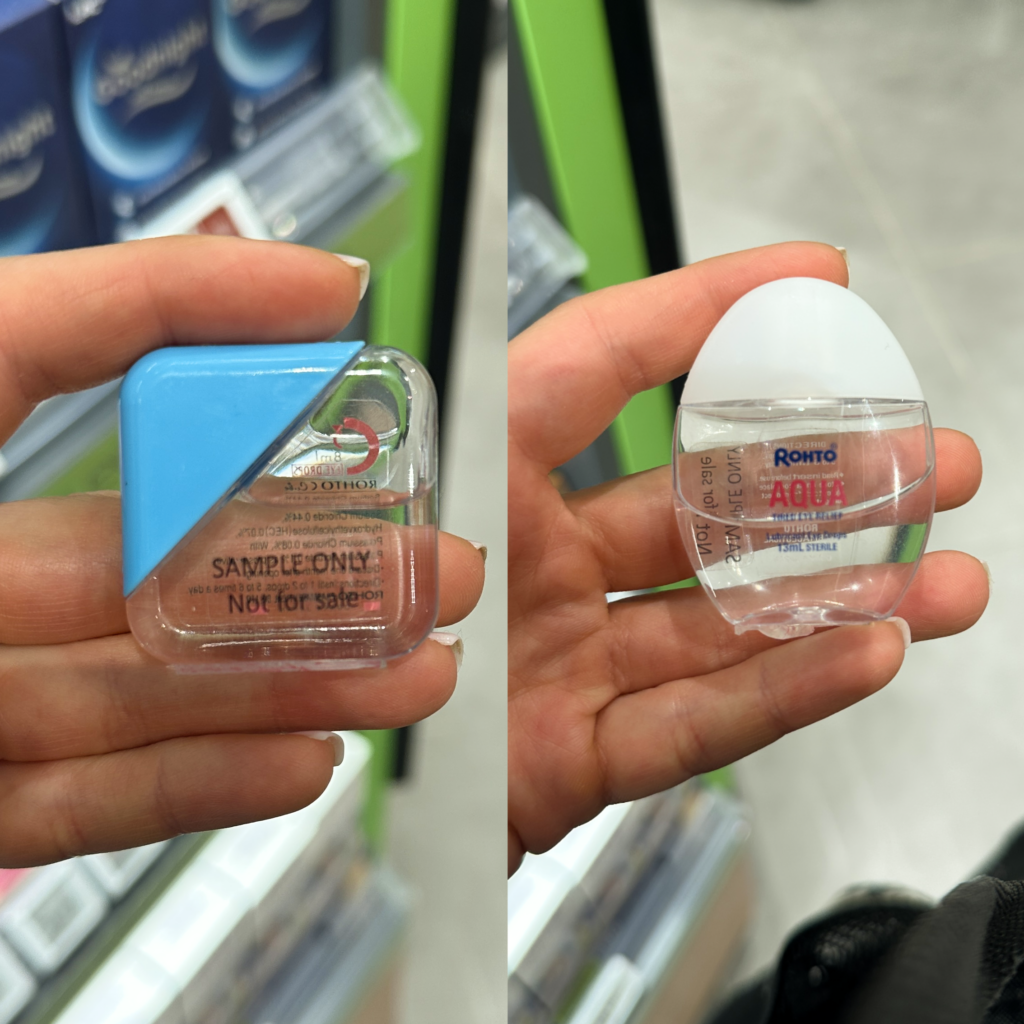
      2. From Pharmacy to Lifestyle: How Eye Drops Can Become the Next Everyday Ritual?

        “Where are the eye drops?” I ask the shop assistant.
        She smiles, points—and suddenly I realise I’ve been standing right in front of them the entire time.

        I missed them because they didn’t look like traditional eye drops.

        No clinical white box.

        No tired illustration of an eyeball.

        No visual cues screaming medicine.

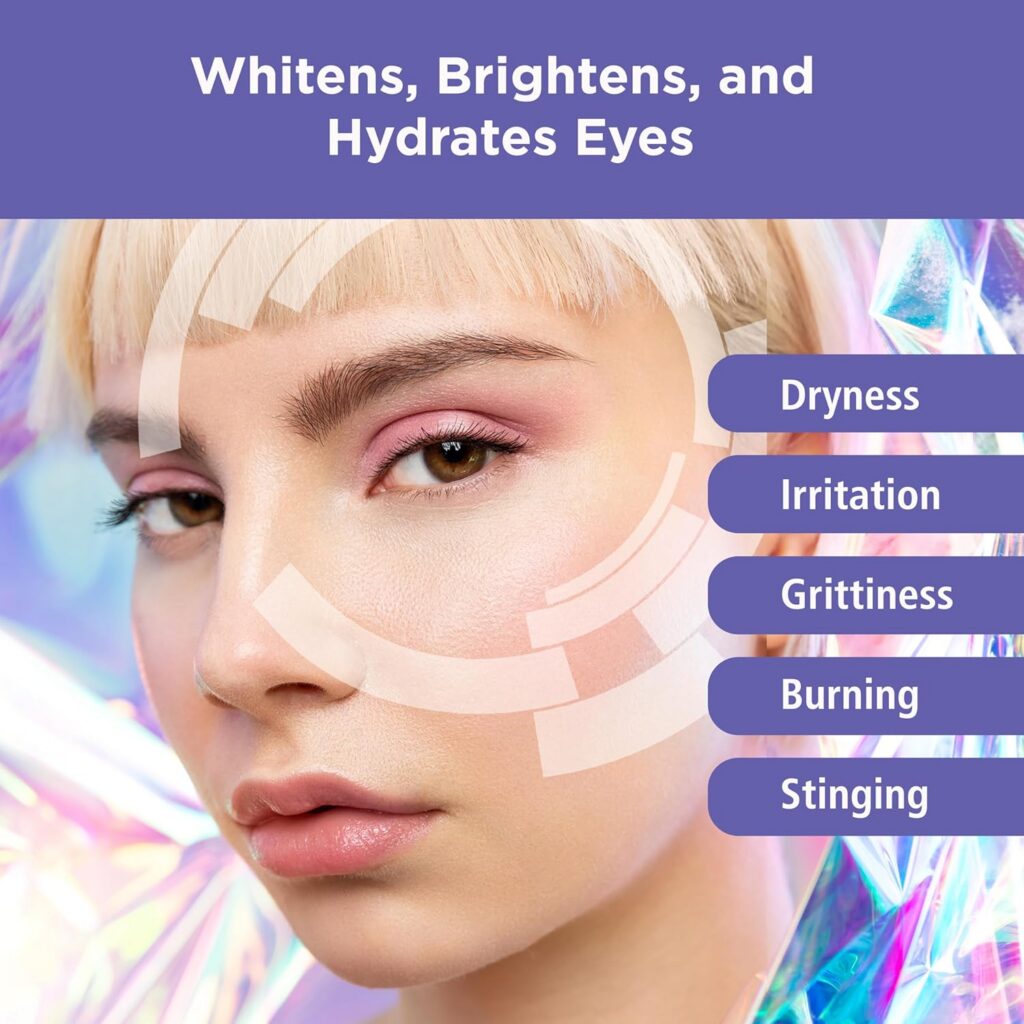
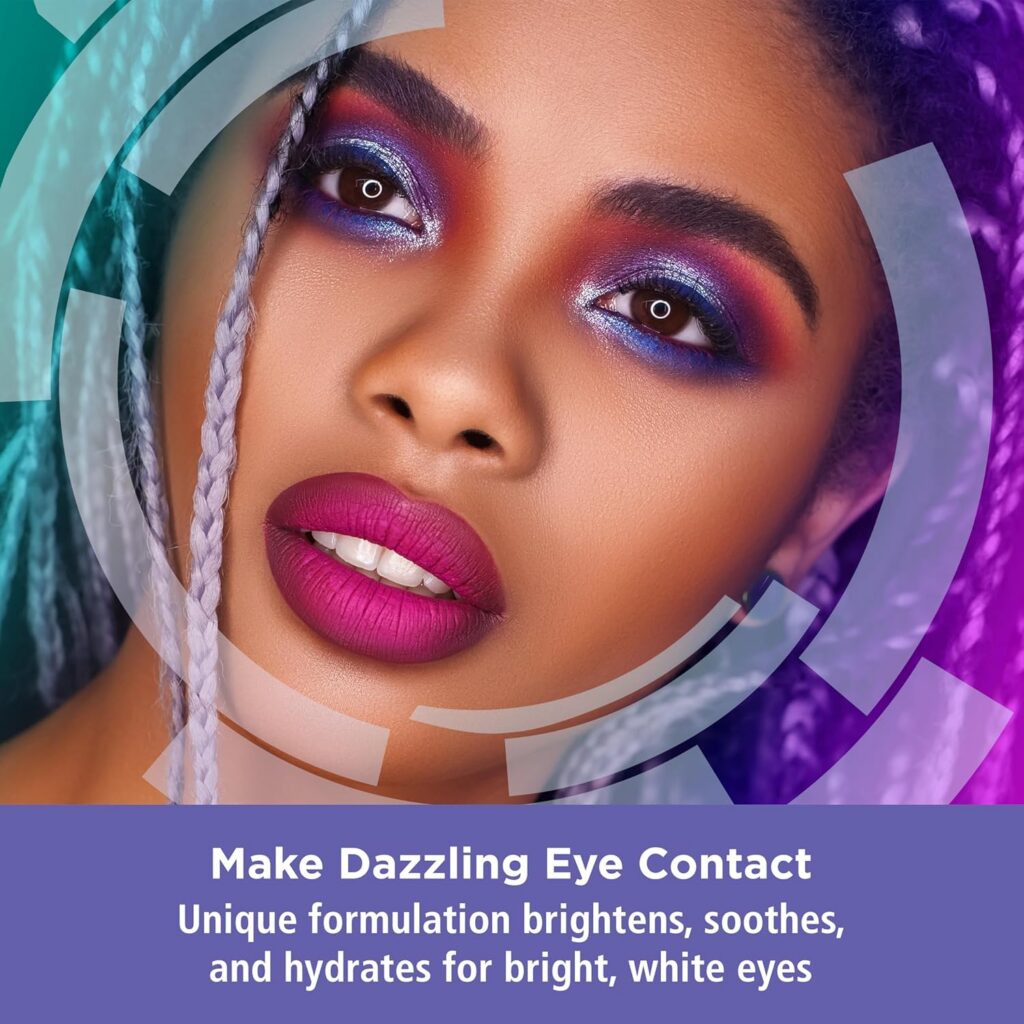
        Instead: bold colours, sleek packaging, and a presence that felt closer to beauty than to pharmacy.

        This is not an accident.

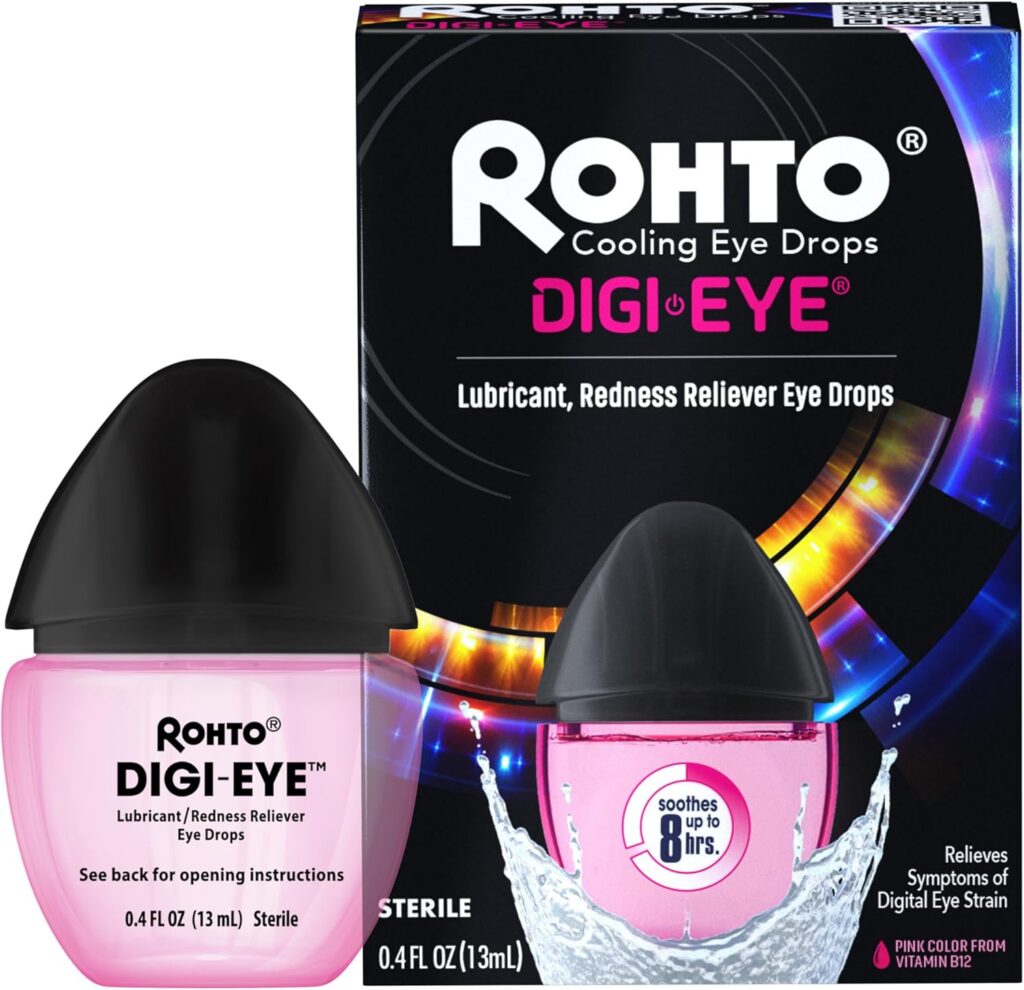
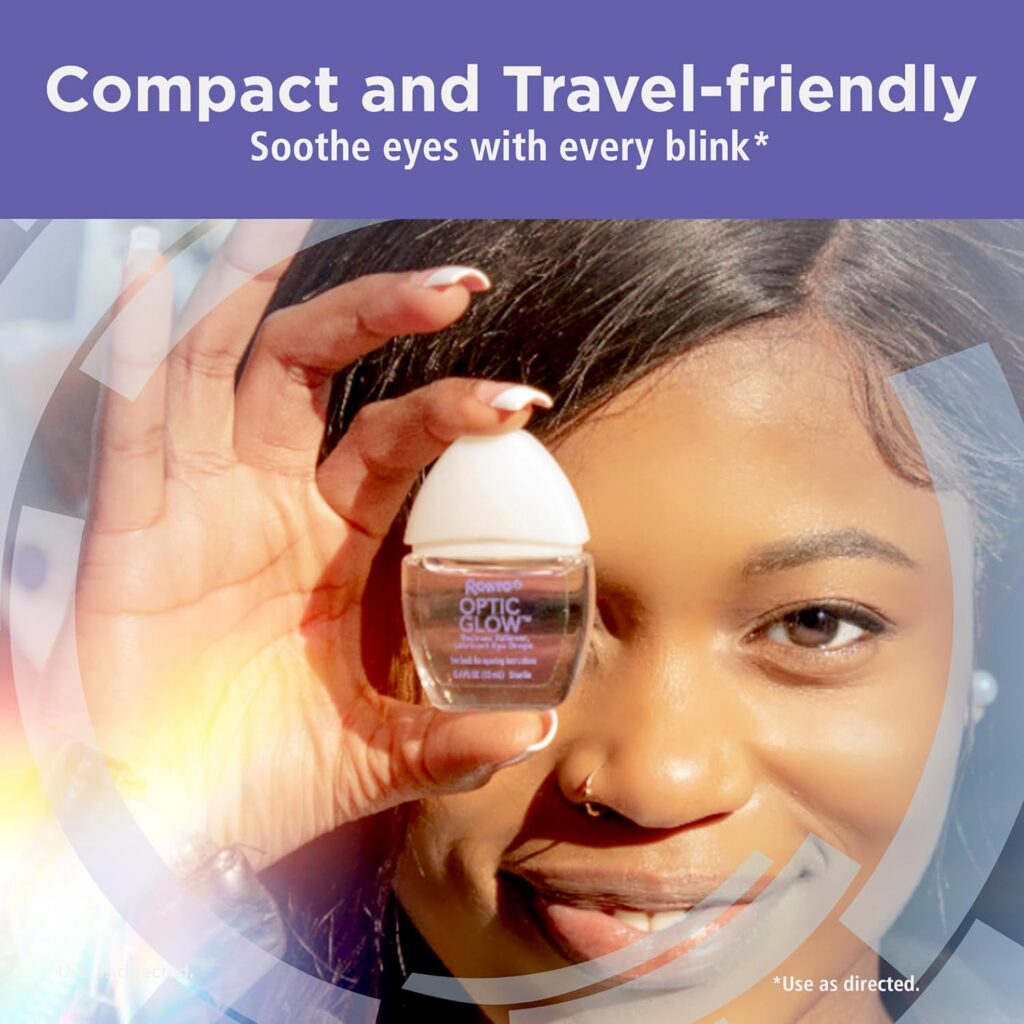
        Both products are made by Rohto Pharmaceutical, a Japanese company known for building cult brands that sit comfortably between healthcare and lifestyle. Its portfolio includes Hada Labo, OXY, Acnelogy, Rohto Eye Drops, Mentholatum, Lipice and Sunplay. In Poland, Rohto is also the owner of DAX Cosmetics, a brand many consumers already recognise from the beauty aisle—not the pharmacy.

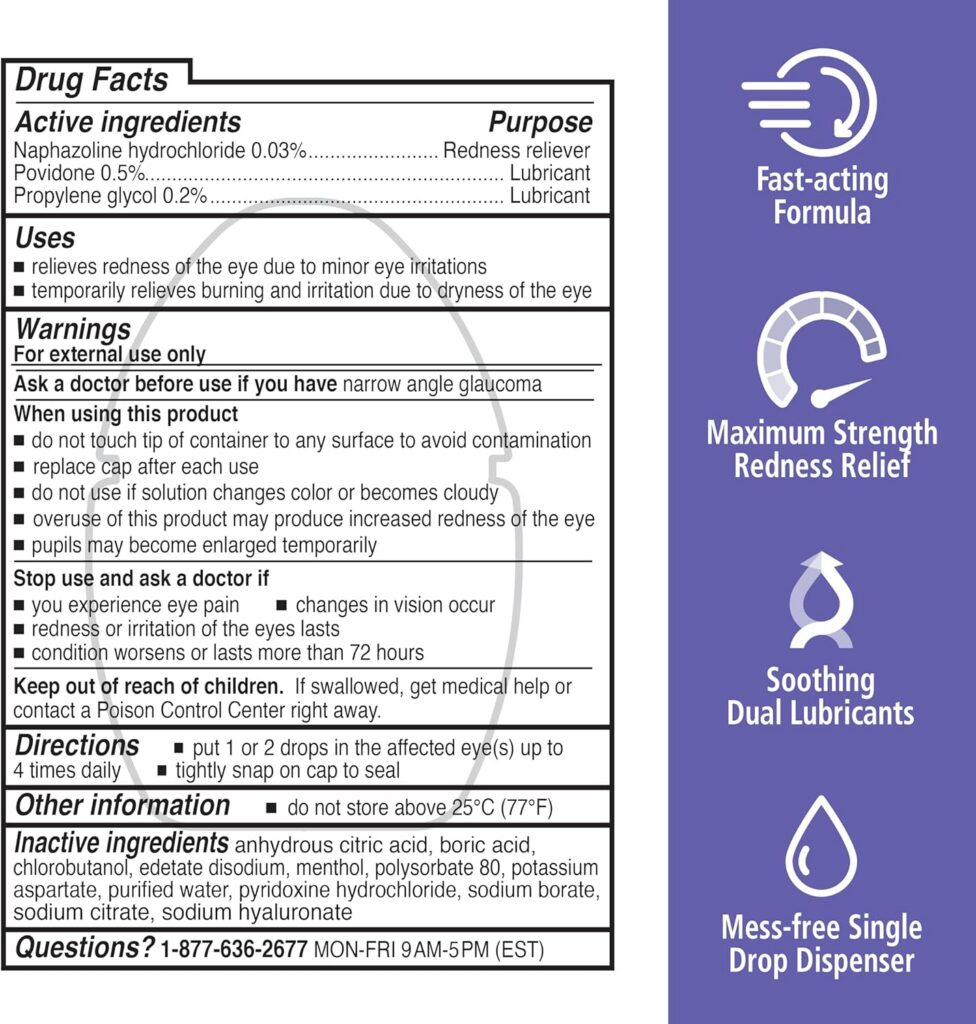
        Rohto Eye Drops sit in the mid‑to‑premium OTC segment, priced above basic artificial tears and closer to “specialty” eye care products positioned around cooling, freshness and instant relief. But price is not the real differentiator here.

        Targeting is.


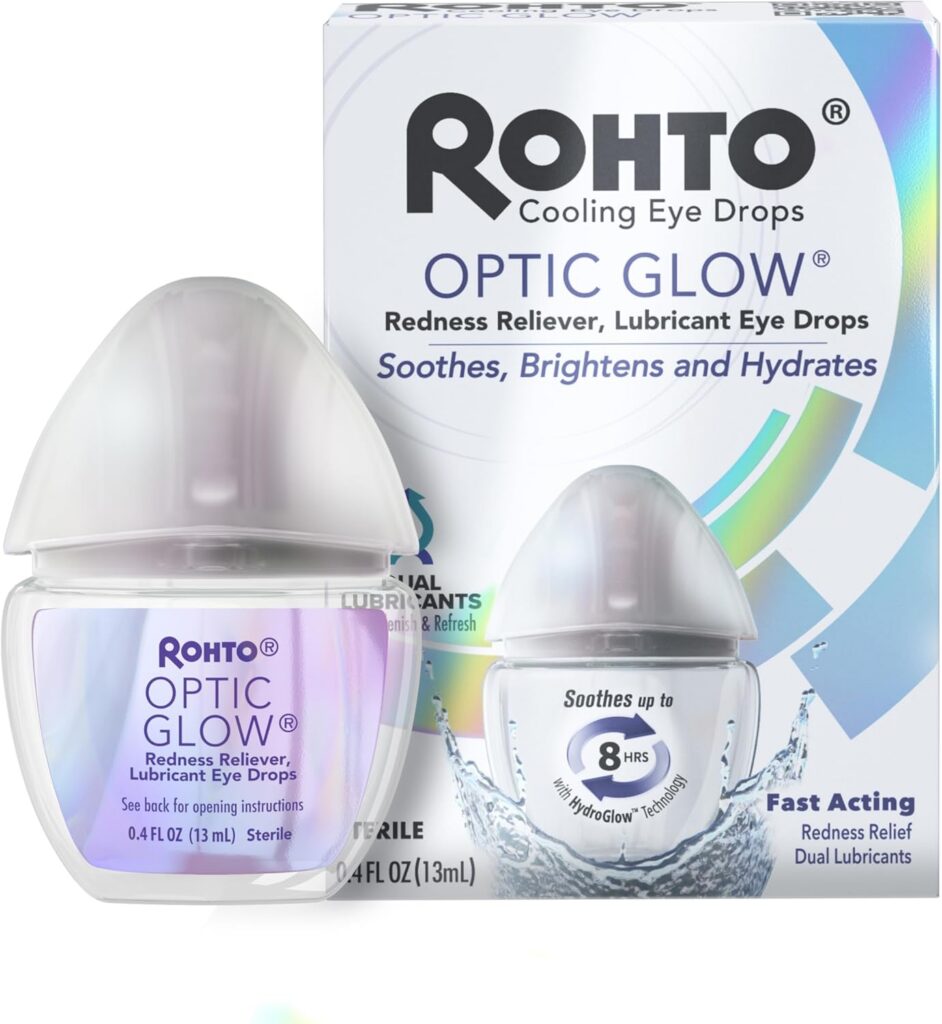
        Optic Glow: When Eye Care Meets Beauty Culture

        One variant in particular—Optic Glow—shows how pharmaceutical products can borrow from beauty marketing without losing credibility.

        The visuals are unapologetically aesthetic: bright, wide-open eyes, bold eye makeup, strong colour contrasts. The message is clear and emotionally relevant:

        Even the best eye makeup doesn’t look good on tired, irritated eyes.

        That single insight unlocks a perfect product–market fit.
        This is no longer just an “eye problem solution.” It’s a beauty enhancer, a backstage product that makes the final look work.

        And it resonates—because eye fatigue is not a niche issue. It’s mainstream Europe.


        Eye Problems Are No Longer a Medical Exception — They’re the Norm

        Let’s look at the data.

        More than 50% of European adults have a refractive error (myopia, hyperopia or astigmatism), meaning they need glasses or contact lenses.
        According to the European Eye Epidemiology (E3) Consortium, this equals over 227 million people with myopia alone in Europe
        (European Eye Epidemiology Consortium, 2015)
        
        Dry eye symptoms affect between 15% and 30% of adults in Europe, depending on country and age group
        (BMJ Open, 2023)
        
        Among contact lens wearers, around 20–40% report dry eye symptoms, and dryness is one of the main reasons people stop wearing lenses altogether
        (Life (Basel), 2022)
        
        In several European countries, 10–30% of adults wear contact lenses, with particularly high usage in Northern and Western Europe
        (Statista, 2025)
        
        Screen exposure is accelerating the issue: ophthalmologists across Europe report a sharp increase in screen-related eye fatigue and dryness, especially among younger consumers
        (TFOS DEWS II Report)

        This is not a fringe problem.
        This is a mass lifestyle condition driven by screens, indoor heating, air conditioning, contact lenses, makeup, UV exposure and urban living.

        Yet the category still behaves as if it’s selling cough syrup.


        The White Space: Turning Eye Drops into Daily Rituals

        Rohto shows what’s possible—but the opportunity is much bigger.

        1. Screen Workers: The New Office Ritual

        Millions of Europeans spend 8–10 hours a day staring at screens. Digital eye strain is universal—regardless of profession.

        Why not position eye drops as a micro-break ritual?

        Two drops.
        A 60-second pause.
        Instant refresh.

        Not treatment—performance recovery.

        1. Students & Night Owls

        Whether it’s studying until 3 a.m. or dancing until sunrise, tired eyes are a shared experience.

        Position eye drops as:

        “Two drops that make your eyes look like you slept eight hours.”

        Functional? Yes.
        Aspirational? Absolutely.

        1. Beauty & Wellness Enthusiasts

        We already ritualise:

        matcha in the morning
        pilates at noon
        skincare at night

        So why not eye care?

        A daily eye-refresh moment fits perfectly into the beauty–wellness–biohacking ecosystem. Imagine collaborations with:

        • blue-light-blocking glasses
        • yoga studios
        • skincare brands

        Eye drops become the new wellness accessory.


        Why the Market Is Still Wide Open

        Despite the scale of the problem, most eye drop brands still look:

        overly medical
        visually outdated
        emotionally disconnected

        White boxes. Clinical fonts. Stock images of eyes.

        Consumers, meanwhile, have evolved. They expect design, identity and ritual—even from functional products.

        Especially from functional products.

        Women wear makeup daily that contributes to eye dryness. Winter heating dries indoor air. UV awareness is rising—but eye protection is still overlooked. SPF exists for skin. Why not for eyes as a daily habit?

        The demand is there.
        The need is proven.
        The shelf, however, is still boring.


        Final Thought

        The next growth wave in OTC eye care won’t come from stronger formulas alone.

        It will come from reframing eye drops as part of modern life:

        • like lip balm
        • like hand cream
        • like supplements

        Rohto has shown the direction.


        For FMCG and pharma brands willing to step beyond the “medicine look,” the opportunity is vast—and still largely untapped.


        Key Sources

        European Eye Epidemiology Consortium (E3):
        https://pmc.ncbi.nlm.nih.gov/articles/PMC4385146/

        BMJ Open – Dry Eye Disease in Europe:
        https://bmjopen.bmj.com/content/13/3/e067007

        Life (Basel), 2022 – Dry Eye & Contact Lenses:
        https://pmc.ncbi.nlm.nih.gov/articles/PMC9605398/

        Statista – Contact Lens Wearers in Europe:
        https://www.statista.com/statistics/431375/individuals-who-wear-contact-lenses-in-selected-european-countries/

        TFOS DEWS II Epidemiology Report:
        https://www.sciencedirect.com/science/article/pii/S1542012417305733

      3. When “Healthy” Looks Familiar – Chocolate Bar Alternatives on a Rossmann Shelf – How far you can go with inspiration?

        You recognize the product instantly.
        It looks familiar.
        And yet something feels… off.

        Yes — alternatives.

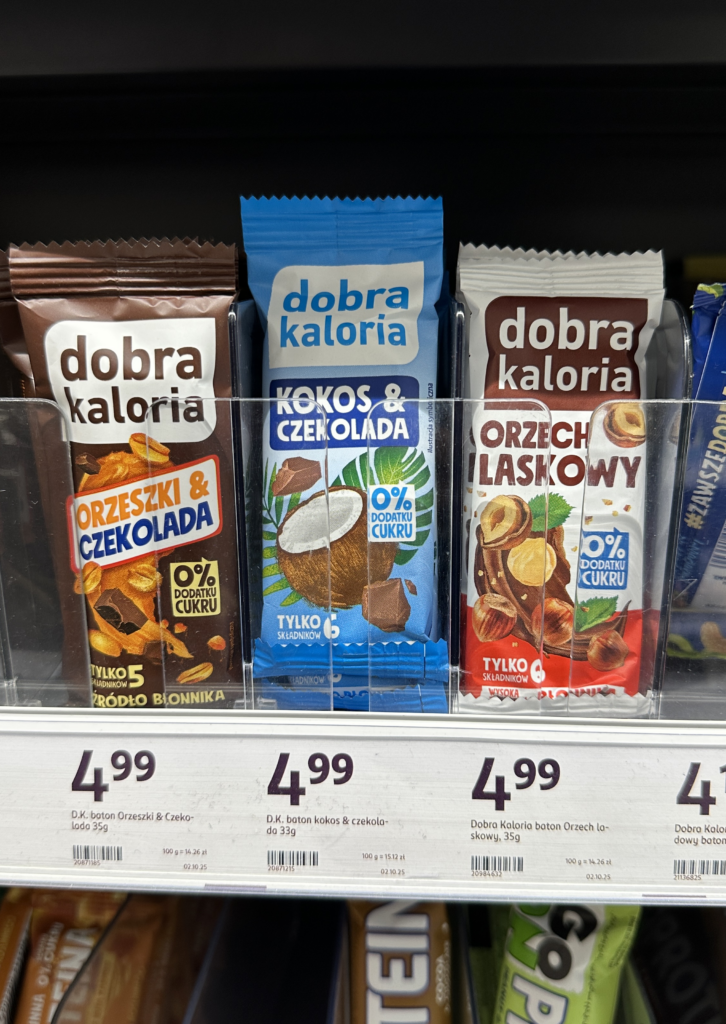
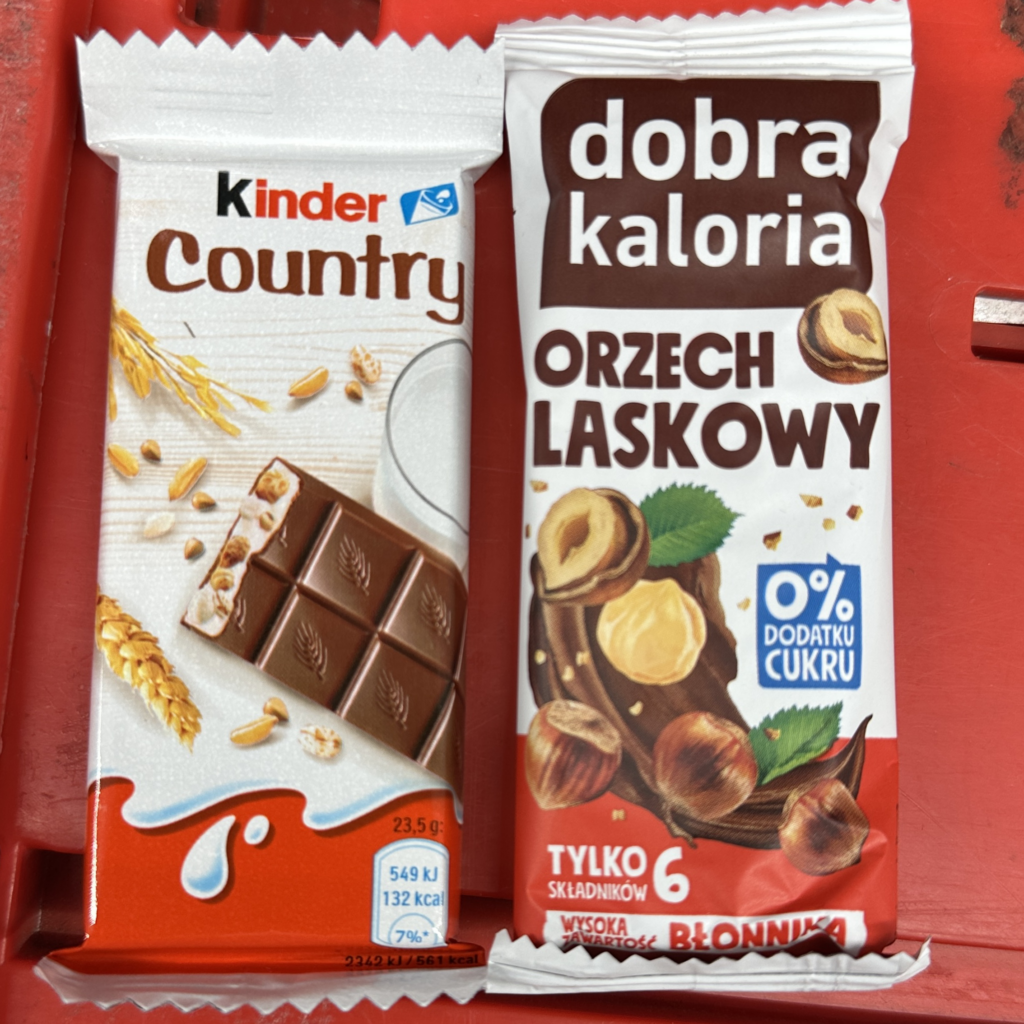
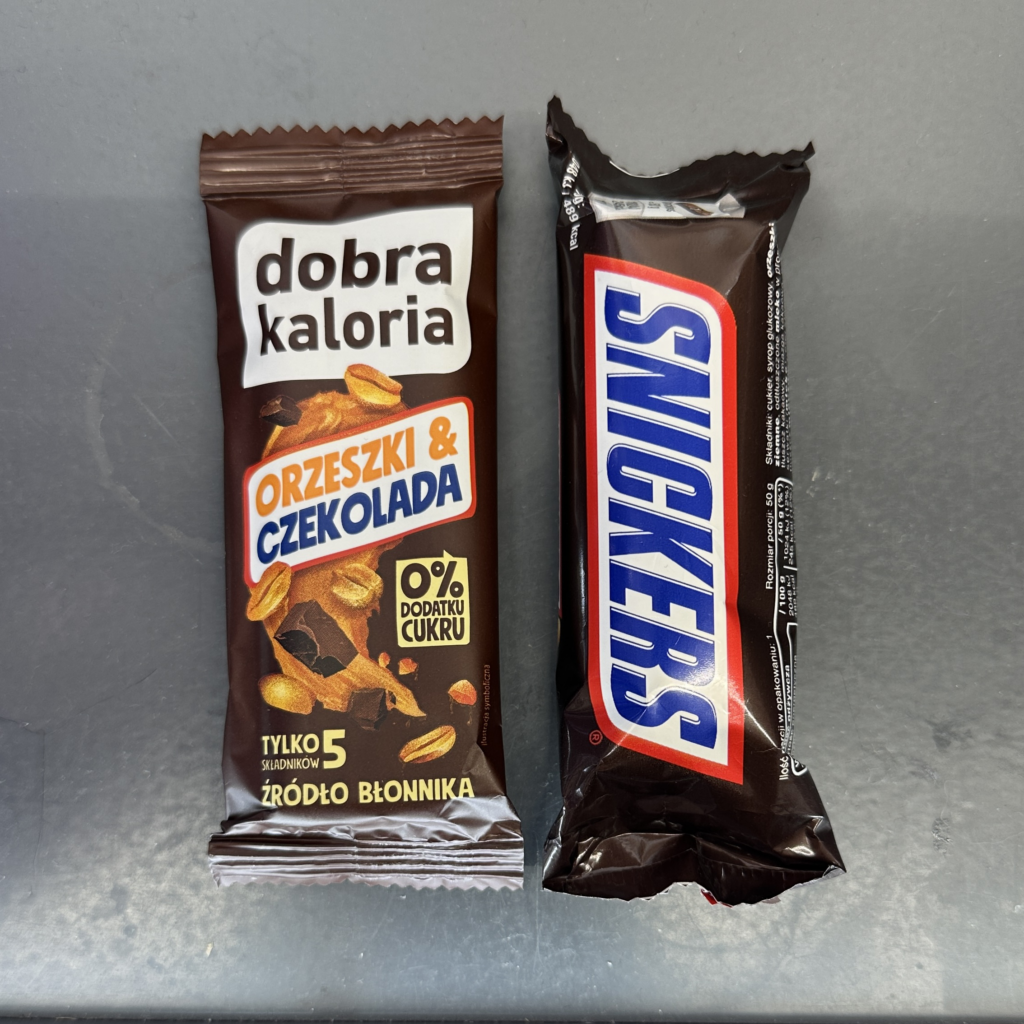
        Standing in a Rossmann store in Poland, I found myself staring at a shelf that felt like déjà vu: three “healthy” snack bars, each very clearly inspired by some of the most iconic chocolate bars ever created. Snickers. Bounty. Kinder Country. Products so deeply embedded in global FMCG culture that you don’t need to read the name — your brain fills in the gaps automatically.

        And that’s exactly where it gets interesting.


        Case 1: Almost 1:1

        In the first case, you could easily mistake one for the other.

        Size: identical!
        Colors: same palette, same balance
        Graphic layout: logo placement, product shot positioning, flavor communication — all strikingly familiar
        Red–white contrast: matched almost perfectly

        At first glance, your hand could reach out before your rational brain kicks in.

        Is that inspiration — or is it already too far?


        Case 2: Comparison by Design

        The second example plays a slightly different game.

        Here, the color coding does most of the work. The visual language immediately invites comparison between the original and the “better-for-you” version. The bar itself is similar in size, but not identical — the original is slimmer, more refined.

        This is no accident. This is deliberate shelf storytelling.


        Mixed Feelings — and That’s the Point

        As an FMCG observer, I have mixed feelings — and that’s not necessarily a bad thing.

        1

        We live in a free market. Anyone can produce what they want. If consumers are buying these products, that means there is demand. Simple.

        And that demand can come from at least two very different motivations:

        • Nostalgia with fewer regrets
          Consumers miss the taste and emotional comfort of classic bars but want less sugar, simpler ingredients, or better macros.
        • No comparison at all
          Some shoppers may not even consciously link the product to the original — they simply see a healthy bar that fits their needs.

        In both cases, there is nothing inherently wrong. Consumers have agency. They choose.

        2

        But maybe there’s something more interesting happening here.

        What if this copy mechanism is actually a good thing?

        What if for every “bad-for-you” product, the shelf also offered a credible, healthier alternative — same flavor territory, same usage occasion, same price range?

        Decision tree looks like:

        1. You’re hungry — yes.
        2. Do you have to buy a sugar-loaded bar — no.

        Now the responsibility shifts fully to the consumer. Not because options are limited, but because options are abundant.

        Imagine this logic applied consistently:

        healthier versions of the most popular sweets
        better-for-you alternatives to iconic savory snacks
        functional substitutes that don’t feel like punishment

        From a public health perspective — that’s powerful.
        From a brand strategy perspective — that’s disruptive.


        The Numbers Behind the Icons

        To understand what’s at stake, it’s worth remembering the scale of the originals:

        Snickers (Mars)
            One of the world’s best-selling chocolate bars
          Sold in more than 70 countries
        
        Kinder Country (Ferrero Group)
            Part of a portfolio that generated €17+ billion in revenue (2023)
            Kinder is among the top 5 confectionery brands globally
            Especially strong in Europe, where brand trust is exceptionally high
        
        Bounty (Mars)
            A cult classic with coconut lovers worldwide
            Strong emotional equity built over decades

        When you “borrow” from brands of this magnitude, you’re not just borrowing design — you’re tapping into decades of mental availability built with billions in advertising spend. ANd here comes the question:


        Inspiration vs. Imitation: Where Is the Line?

        And this brings us to the uncomfortable but necessary question:

        Where is the real border between inspiration and copying?

        Is it the flavor combination?
        The packaging design?
        The color system?
        The overall “look & feel” at shelf distance?

        There is no universal formula — only context, intention, and consumer perception.

        And perhaps that’s the most fascinating part.

        Because in the end, the shelf doesn’t ask for legal arguments.
        It asks one simple question:

        Which bar will the consumer pick — and why?

        And increasingly, the answer may be:

        “The one that feels familiar… but makes me feel better about myself.”

        Thoughts?

      4. The Power of the Pocket-Lifesaver

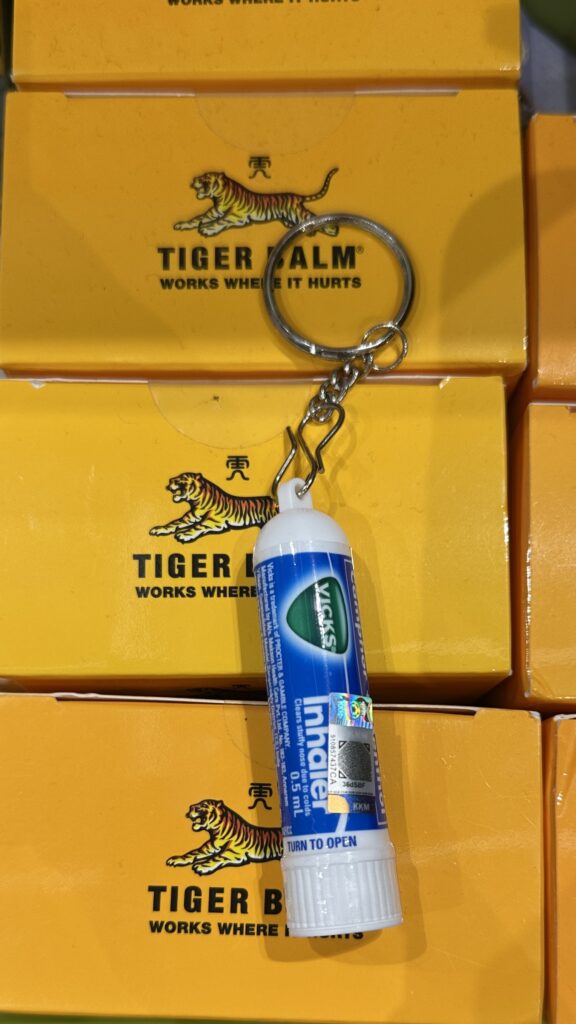
        Malaysian Watsons stores are a masterclass in health and beauty retail. Their shelves are packed with innovation, but during my visit, one product stopped me in my tracks through its sheer, functional brilliance and simplicity: the Vicks Inhaler with a Key Ring.

        We all know the Vicks formula—that nostalgic blend of menthol, camphor, and Siberian pine needle oil that offers instant nasal relief. It’s a winter essential and a travel must-have. But by adding a simple eyelet and a ring, Vicks has transitioned from a product you search for in a bag to a product that lives with you.

        Keys are the ultimate “never-leave-home-without” item. While we often add to them some sentimental trinkets—a miniature Eiffel Tower or a silk tassel—these charms represent our memories, personal linkage to something or somoene or maybe our aspirations.

        When an FMCG brand hitches a ride on your keychain, it bridges the gap between emotional connection and utility. It’s a psychological masterstroke: the brand becomes a literal part of your daily “survival kit.”

        Sounds like an unused potential hidden here!


        Real-World Success Stories

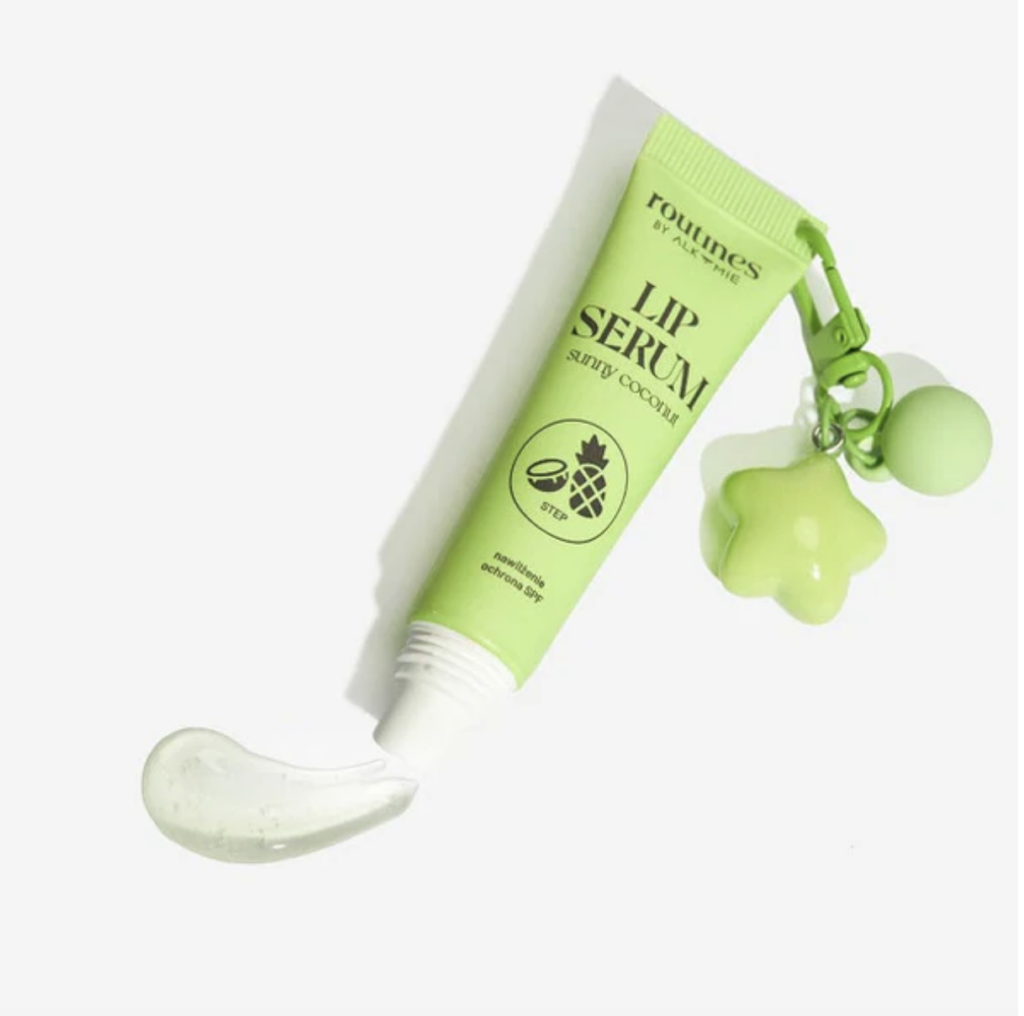
        Lip Balm: This is perhaps the most successful execution of the keychain strategy. For many consumers, lip care is a repetitive, almost ritualistic habit. By making the balm a keychain accessory, brands eliminate the “bottom-of-the-bag” hunt, ensuring the product is always within reach.

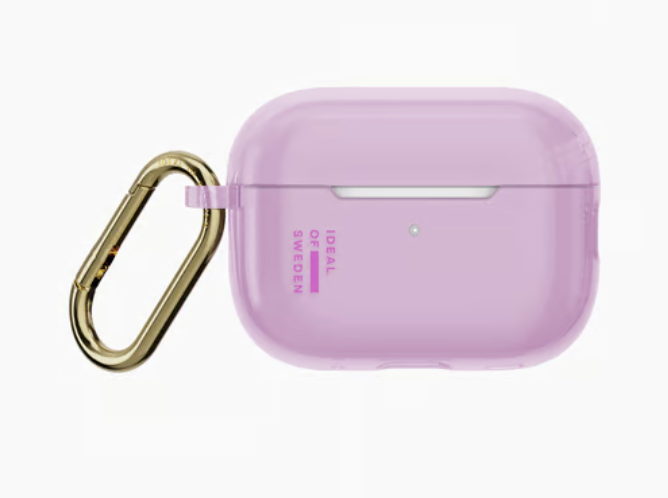
        Earbud Cases: Among Gen Z, the smartphone and earbuds are the two pillars of daily life. We are seeing a shift where the case becomes the keychain. This is a clever pivot for brands; instead of shrinking the product to fit the keys, they create a protective “home” for the tech that attaches to the keys.

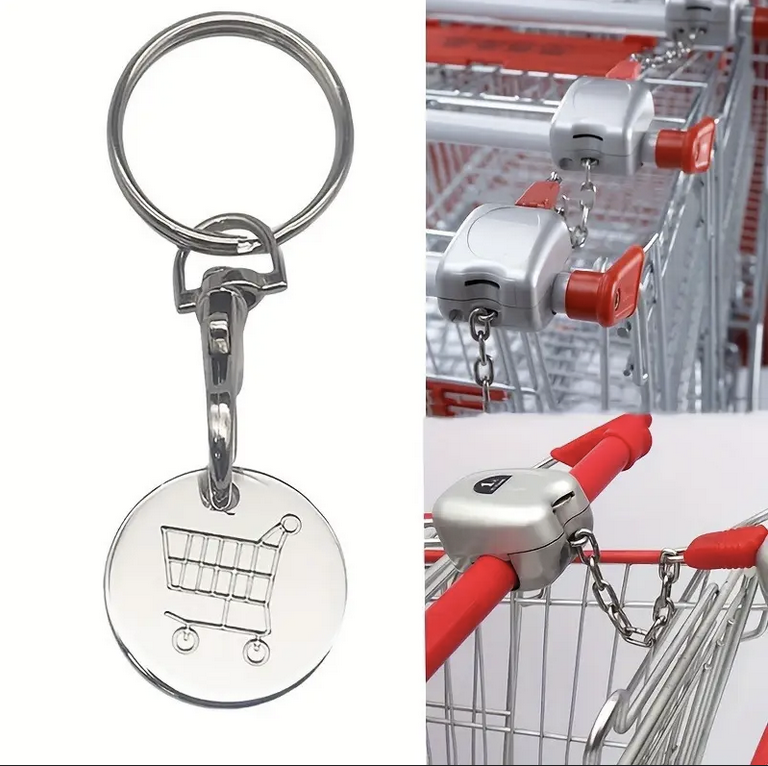
        Alloy Shopping Tokens: A staple for the organized shopper. This is a high-utility marketing tool for supermarkets. It solves a specific friction point—not having a coin for the trolley—ensuring the brand associated with the token is viewed as a “problem solver” every time the consumer enters a store.

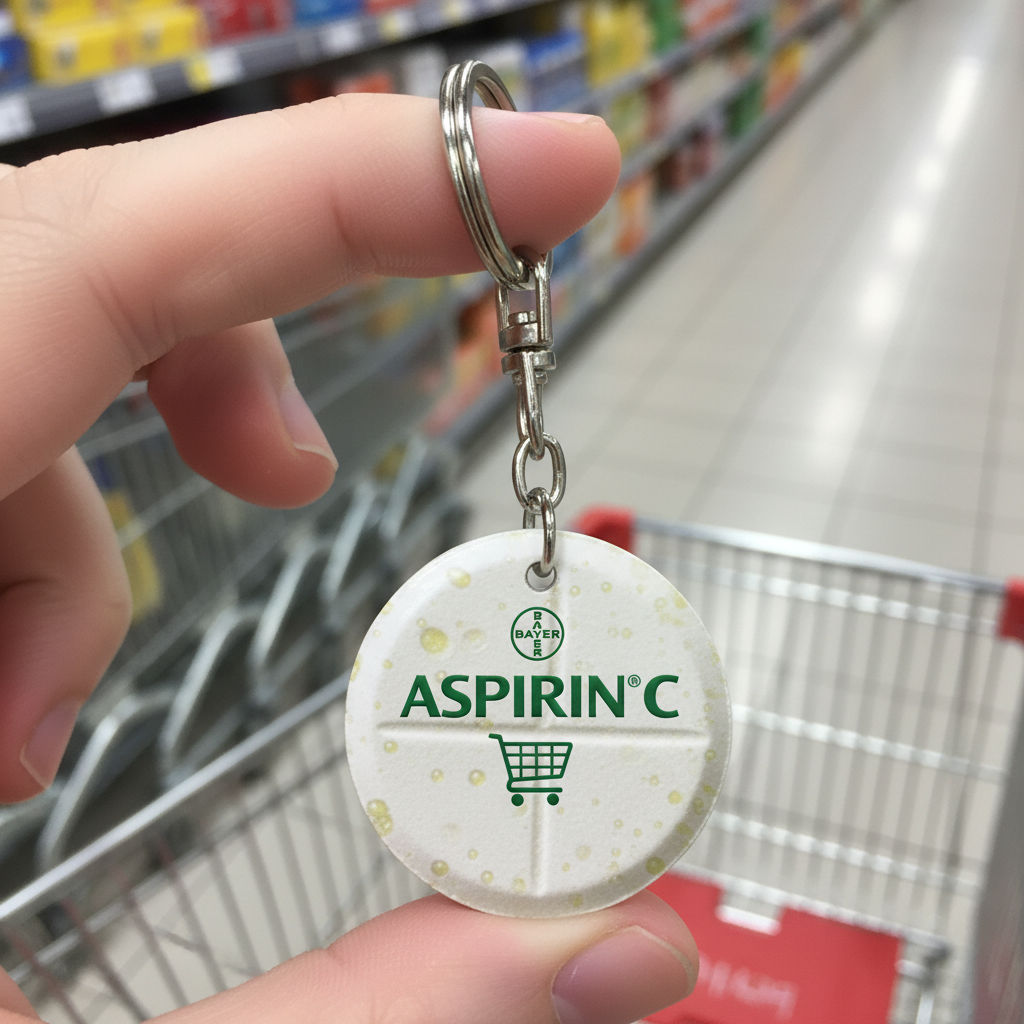
        Personally, I think here sits a very nice potential to get into mind of older generations of shoppers. I can imagine branded tokens which are more creative:

        My idea how it could look like in the case of one of the pharma company.

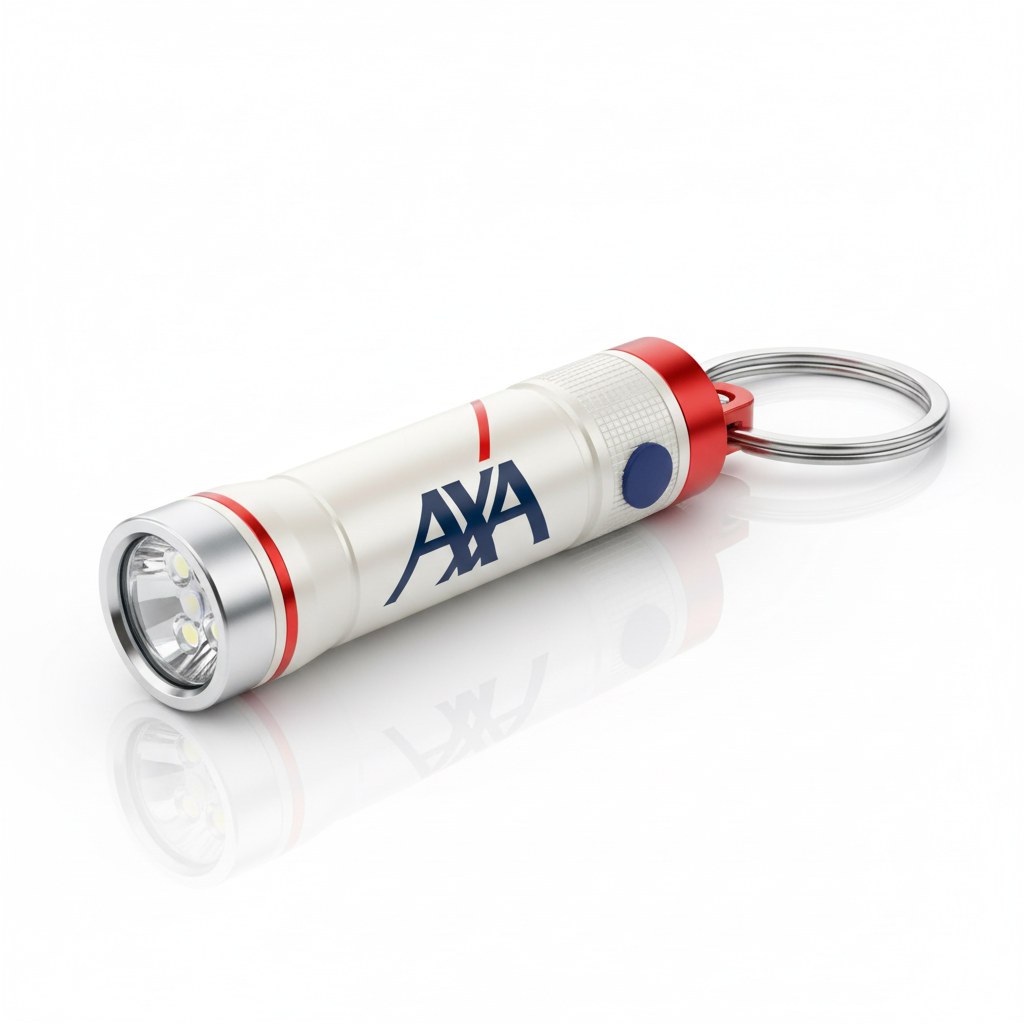
        The Micro-Flashlight: While smartphones have largely cannibalized this category, the dedicated keychain light remains a symbol of “preparedness.” For insurance or security brands, this is a perfect promotional gift; it literally and figuratively “provides light in the dark,” reinforcing a brand promise of safety.

        Gadget that creates a sense of security.


        Expanding the Horizon: What could be next for the Keychain?

        I see several untapped opportunities for brands to claim a spot on the consumer’s keyring. Here is where the next wave of “pocket-sized” innovation lies:

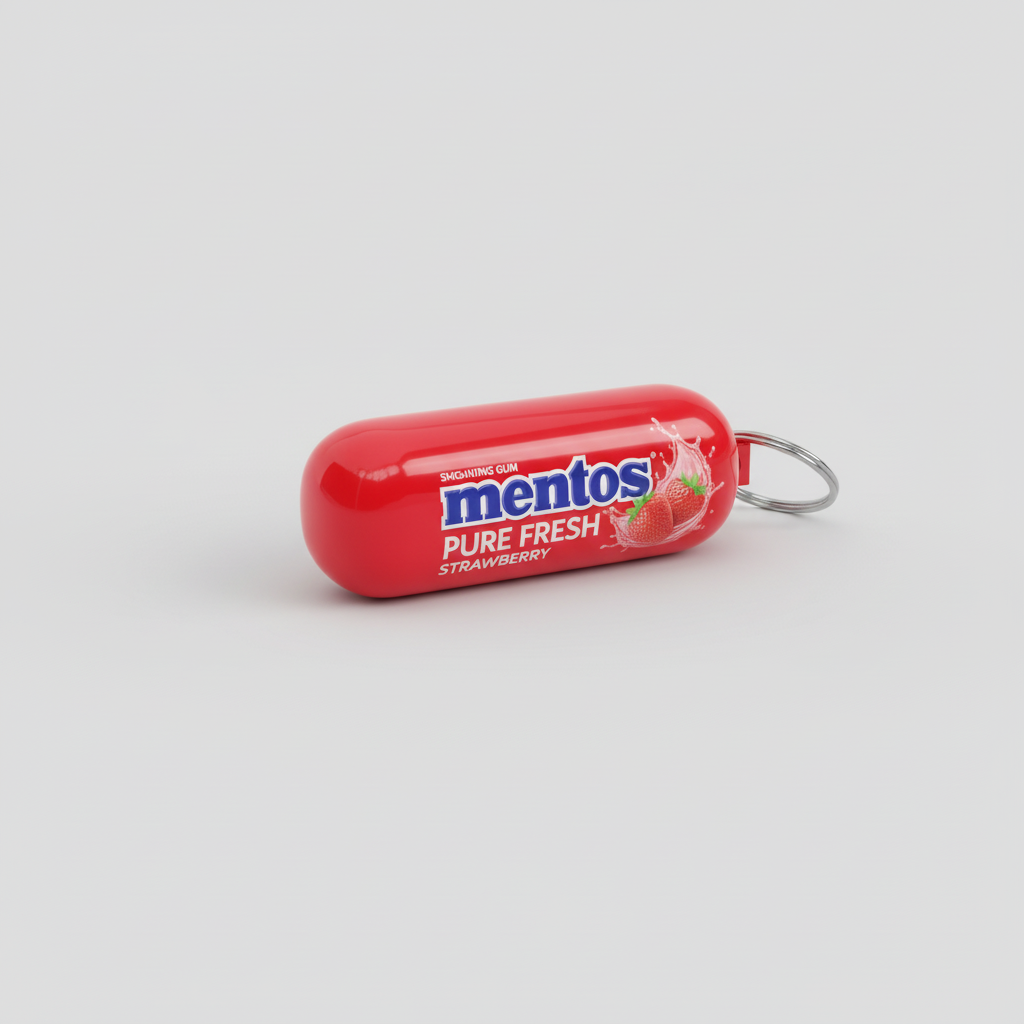
        The “Refresh” Case (Mints & Gum)
        We often reach for a mint right before a meeting or a social encounter—the exact moment we are locking our car or checking our keys. A sleek, refillable metal capsule for two “emergency” gums or a few mints makes perfect sense. It aligns the act of refreshing one’s breath with the transition from one environment to the next.

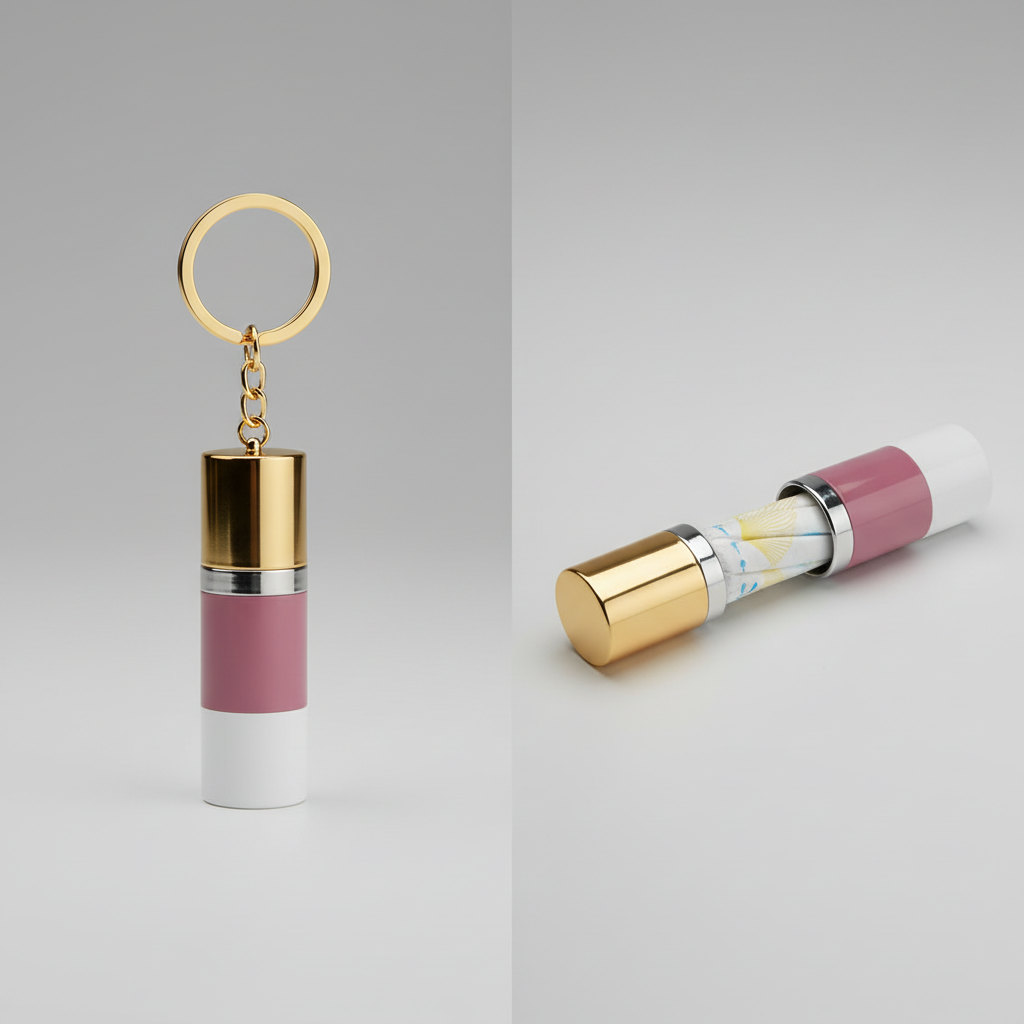
        The Discreet Emergency Case (Tampons & Medication)
        There is a significant gap in the market for “emergency” storage that doesn’t look like a medical kit. A keychain that looks like a high-end aesthetic charm but opens to reveal a single tampon or a life-saving pill (like an antihistamine or aspirin) offers peace of mind. The value here isn’t just the product; it’s the discretion and readiness.

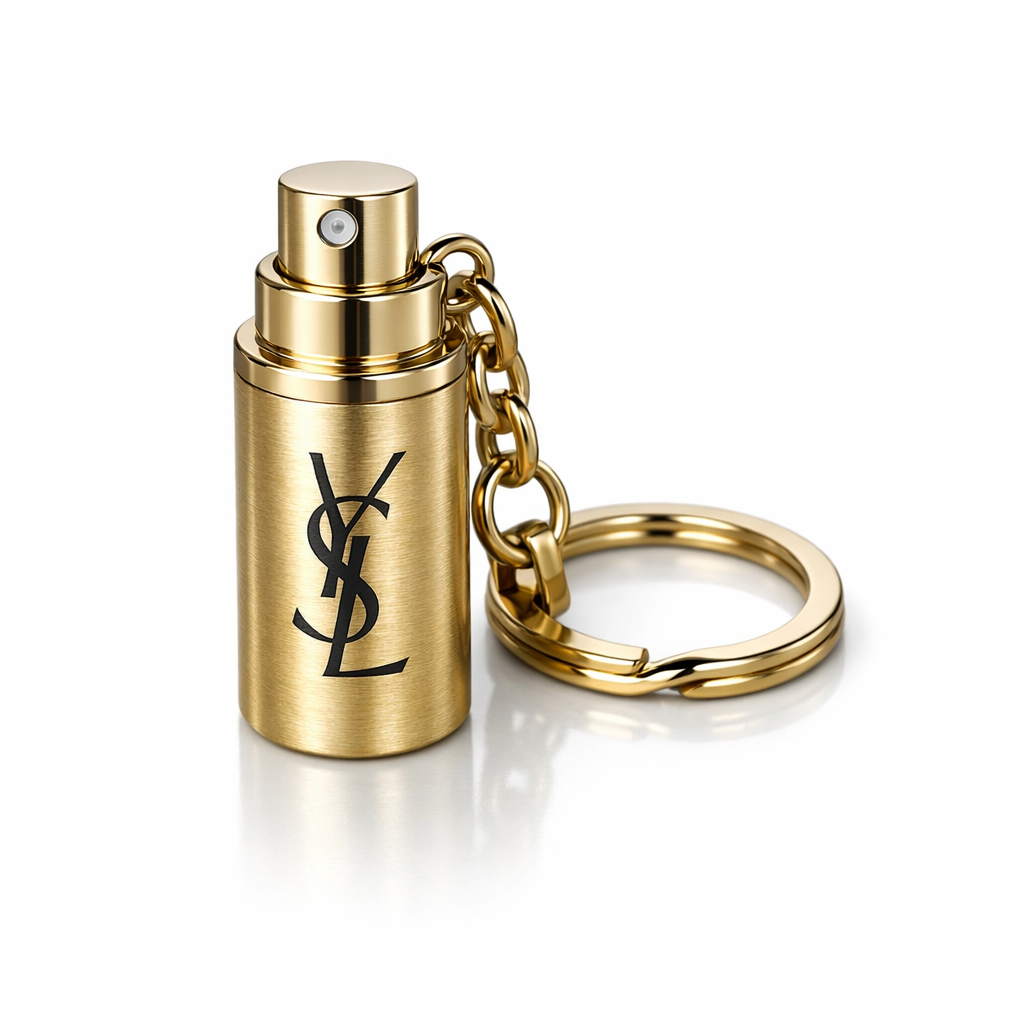
        The Fragrance “Touch-Up”
        While glass vials are too fragile for the chaos of a pocket, a ruggedized, aluminum-encased 3ml atomizer is a game-changer. It allows consumers to carry their “signature scent” for a post-commute refresh without carrying a heavy bottle. For luxury fragrance brands, this might be a premium “gift with purchase” that ensures the brand is interacted with multiple times a day.

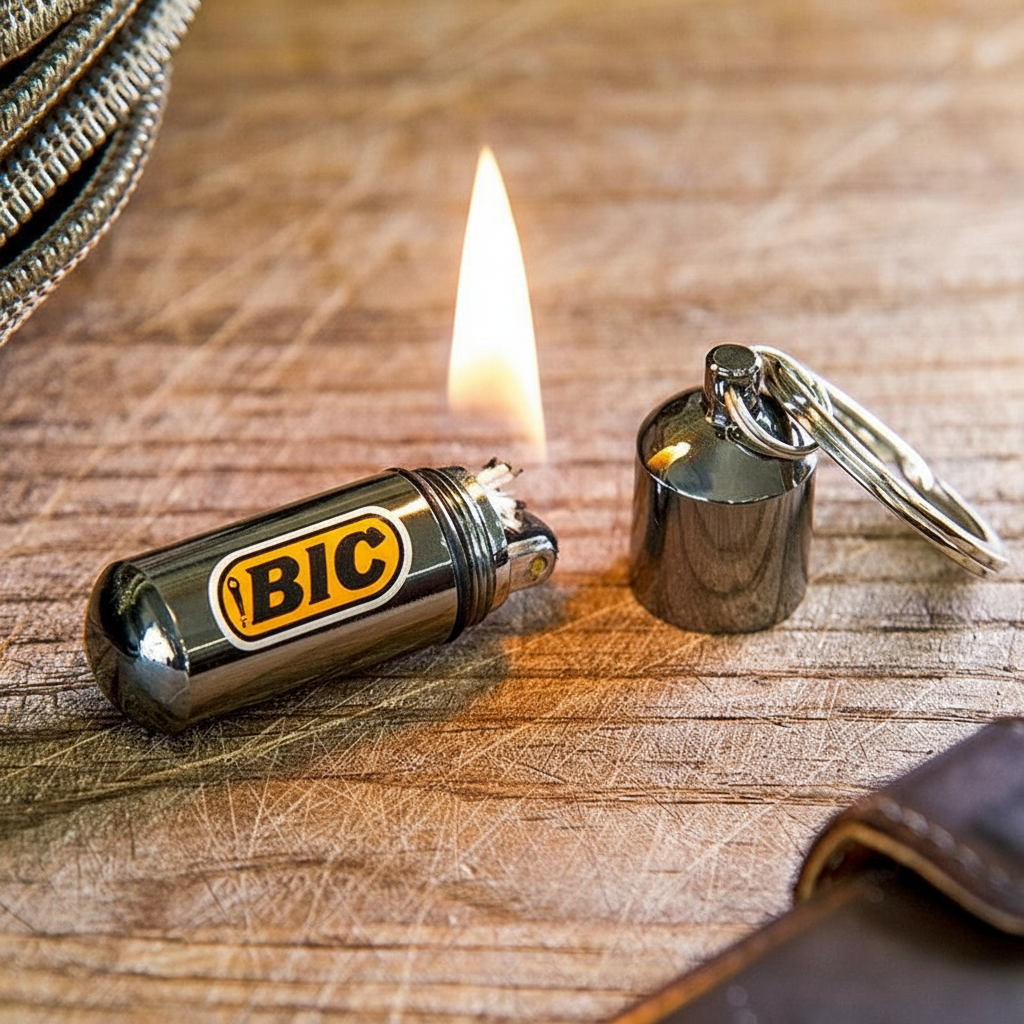
        The Micro-Lighter
        While lighters are common, a truly integrated, leak-proof “peanut” lighter on a keychain is surprisingly rare in the mass market. For the consumer who smokes or the outdoor enthusiast, having a reliable flame attached to their keys removes the “did I forget my lighter?” anxiety.


        The Bottom Line

        The move toward keychain integration isn’t just about miniaturization; it’s about contextual relevance. By identifying the moments of friction in a consumer’s day—a blocked nose, a dead flashlight, or a missing lighter—and placing the solution exactly where their keys are, FMCG brands can move from being a “commodity” to a “companion.”