Author: Monika Pieczonka

  • Emotional branding in the FMCG sector – Premium Packaging Reshapes Poland’s Canned Fish Market?


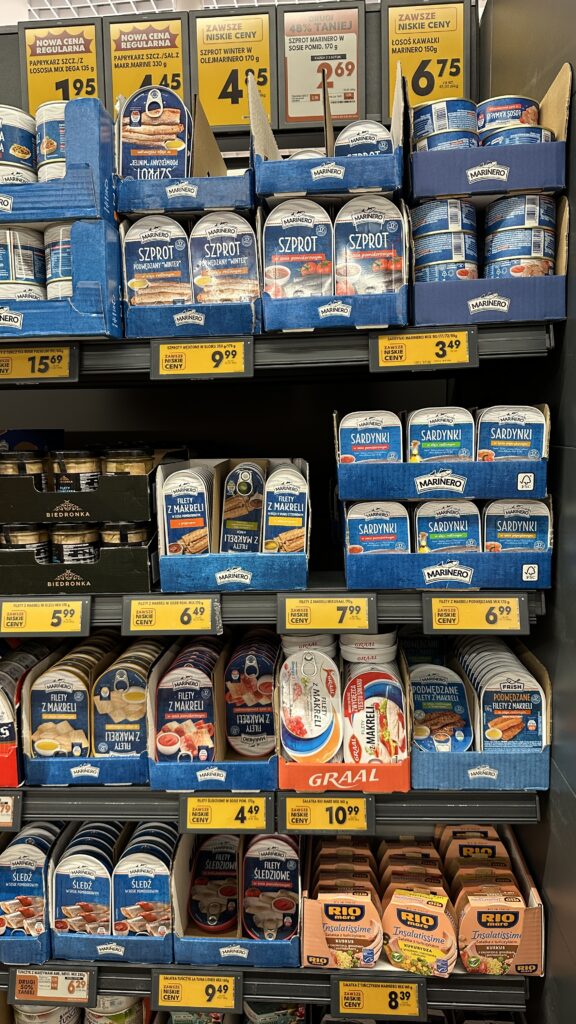
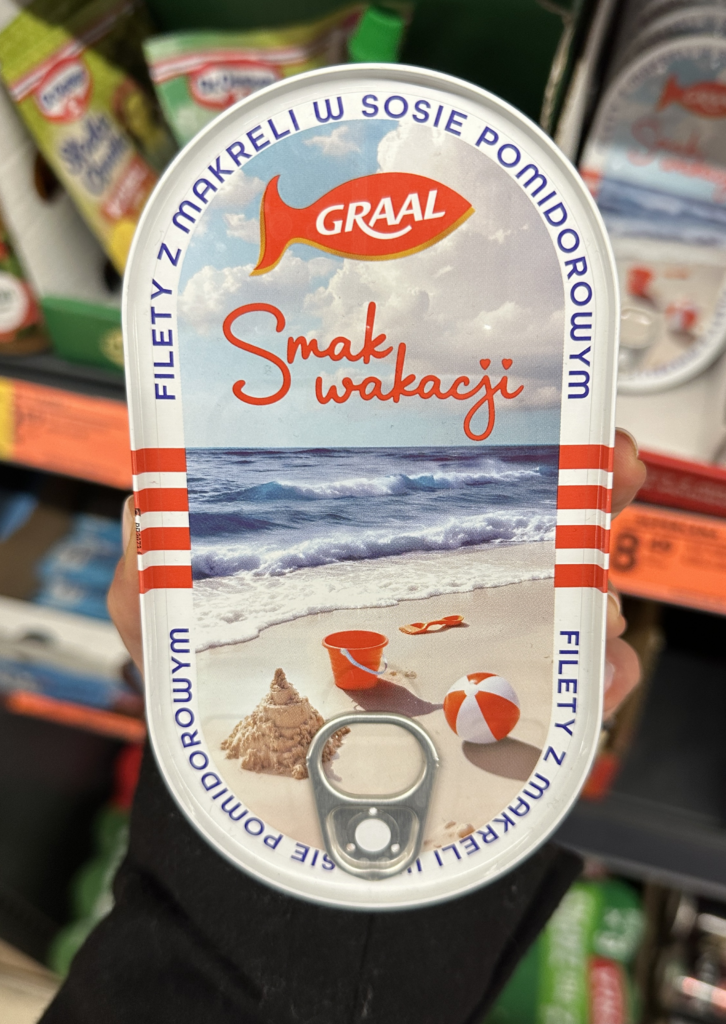
    During a recent visit to a Biedronka discounter store, I encountered a canned fish product that immediately stood out from the shelves— for its unconventional packaging. Instead of the traditional product photography we are all used to, the label featured a serene beach scene complete with sun, sand, and summer toys.
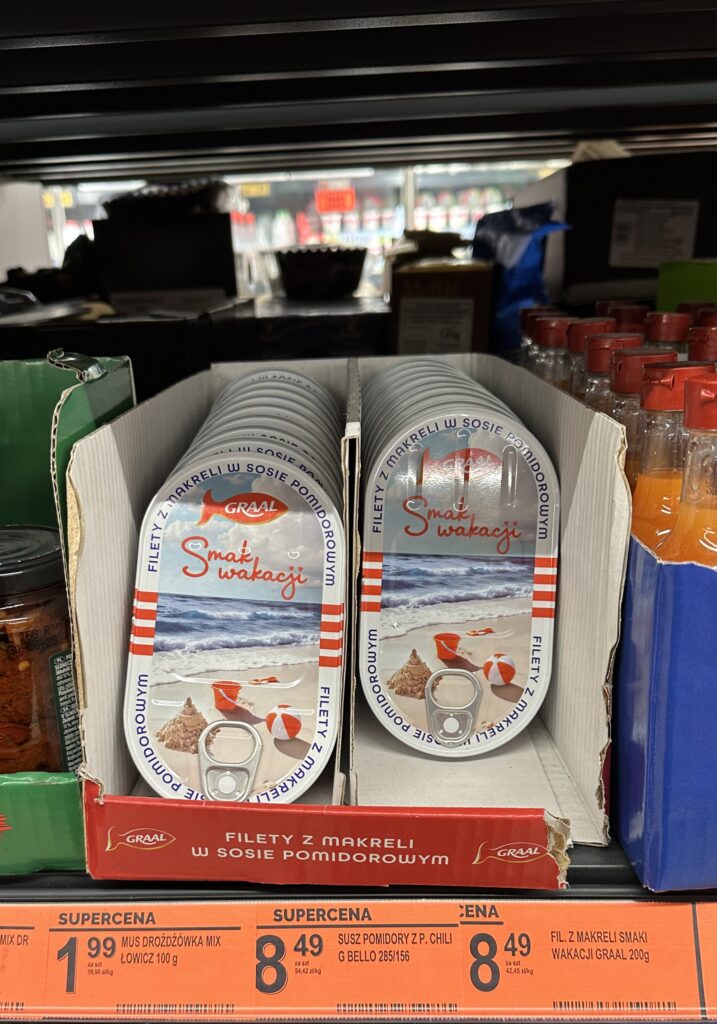
    It was a curious choice that sparked an important question: in an increasingly competitive FMCG market, can emotional design justify premium positioning?


    Emotional Branding: A Risky Gambit in the Discount Sector


    The packaging strategy raises an intriguing paradox. Traditional FMCG wisdom suggests that product imagery—showing the actual contents—reduces purchase friction and builds consumer confidence. Yet this product abandons that convention entirely. Instead of mackerel fillets, consumers see a beach landscape.
    Isn’t it confusing?
    Potentially.

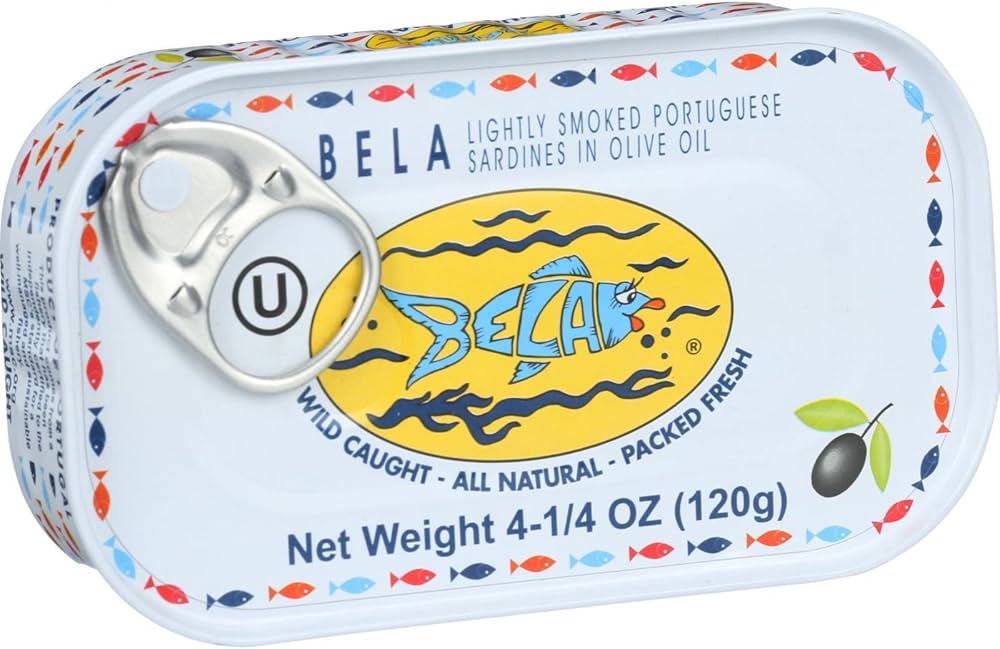
    However, it’s also strategically calculated. The design taps into what behavioral economists call “emotional congruence”—the association between eating fish and the sea. This approach mirrors successful premium brands like

    Bela Olhao (Portuguese sardines)
    Berthe (Portuguese sardines)
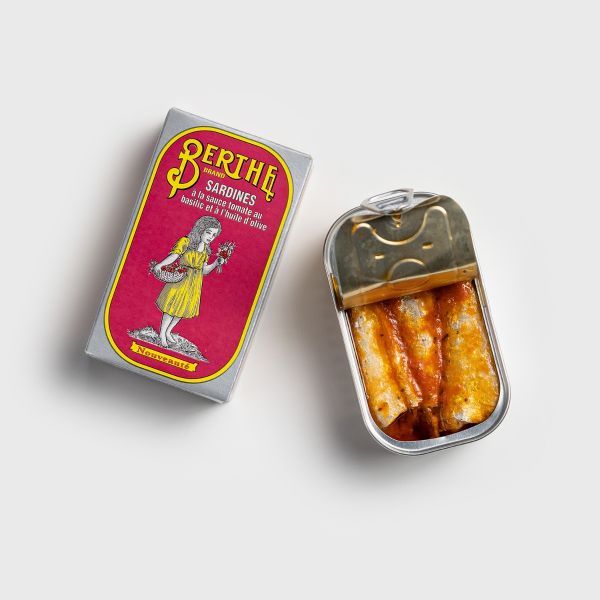
    which have built strong market positions through lifestyle imagery rather than product shots.


    In the discount channel, where price-conscious consumers dominate, such premium positioning is unconventional. Yet it signals quality differentiation—a critical factor when competing against private-label alternatives.

    The Price Paradox: When Premium Packaging Offers Better Value


    Here’s where the analysis becomes genuinely interesting.The price of this product is 8,49 PLN for 200g, when at the same time “same” product (mackerel fillet) costs:

    7,99 PLN for 170g – same producer (Graal)

    6,49 PLN for 170g – private label of discounter (Marinero by Lisner)
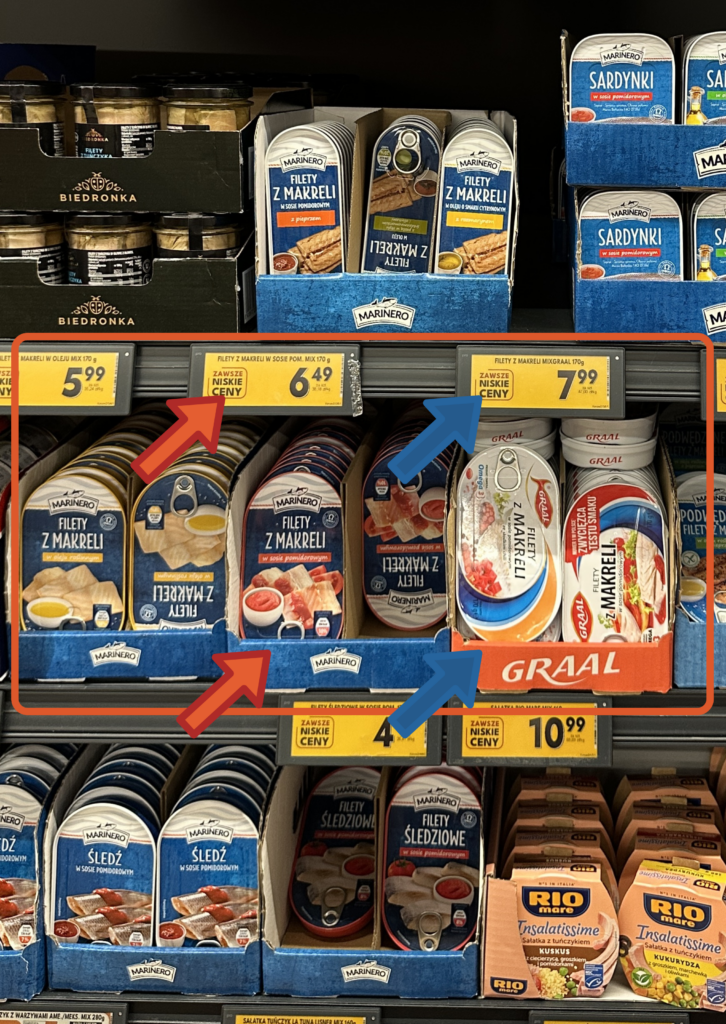
    Let’s examine the per-kilogram pricing:

    The data reveals a counterintuitive finding – the premium-packaged 200g product is actually 10.7% cheaper per kilogram than the same producer’s 170g offering. This pricing strategy—larger pack at lower per-unit cost—isn’t it an FMCG tactic designed to drive trial among price-sensitive consumers while maintaining perceived quality through design?


    The private-label Marinero remains the most economical choice at 38.18 PLN/kg, approximately 11.2% cheaper than the premium design product and 23% cheaper than the name-brand 170g version.

    The Psychology of Premium Discounting


    This pricing structure reveals sophisticated consumer segmentation. The brand is essentially offering three distinct value propositions:

    1. Emotional/Aspirational Value: The premium design appeals to consumers seeking quality signals and lifestyle alignment, willing to pay a modest premium for perceived superiority.
    2. Rational Value: The 200g pack offers better per-kilogram pricing than the smaller branded alternative, appealing to value-conscious shoppers who also appreciate quality cues.
    3. Pure Economy: The private label serves price-maximizers with minimal brand loyalty.

    Nostalgia as a Market Differentiator

    The decision to purchase this product becomes more about consumer self-identification. The beach imagery doesn’t obscure the product—it clarifies the brand’s positioning. It says: “This is not just preserved fish; this is a sensory memory of leisure and quality.
    In Poland’s increasingly competitive discount retail environment, where private labels capture 35-40% of FMCG sales (Source: GfK Poland, 2024), branded products must justify their premium through more than just product quality. Emotional design, when paired with competitive pricing, becomes a legitimate differentiation strategy.


    So yes, buying beautiful memories with even better per-kilogram pricing than the alternative branded option? That’s not just nostalgia—it’s smart shopping.
  • From Pharmacy to Lifestyle: How Eye Drops Can Become the Next Everyday Ritual?

    “Where are the eye drops?” I ask the shop assistant.
    She smiles, points—and suddenly I realise I’ve been standing right in front of them the entire time.

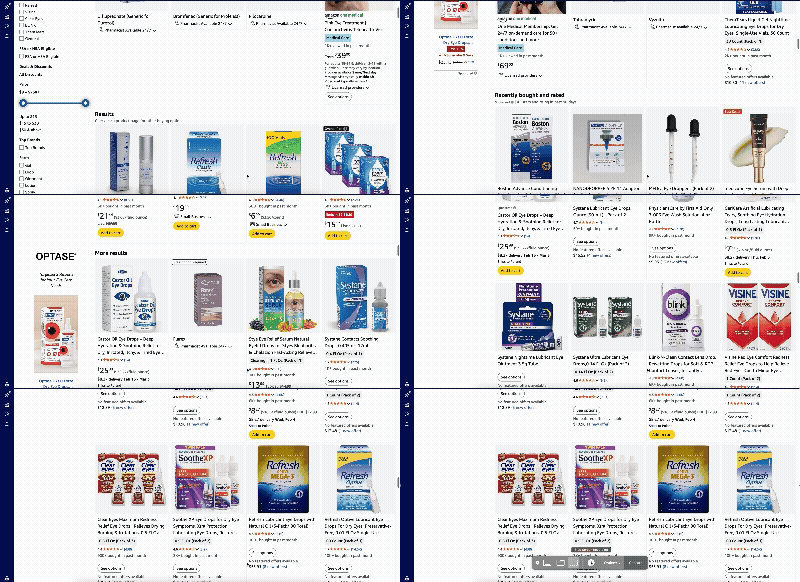
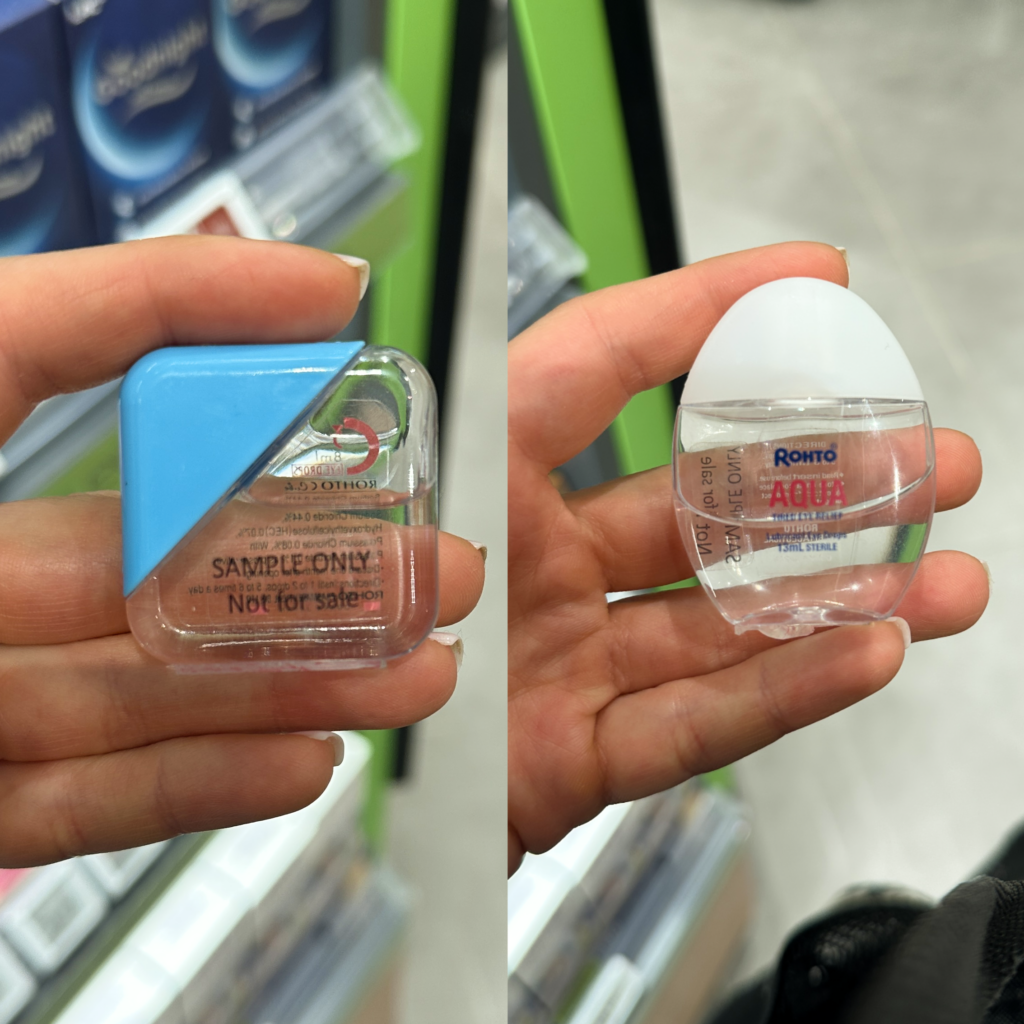
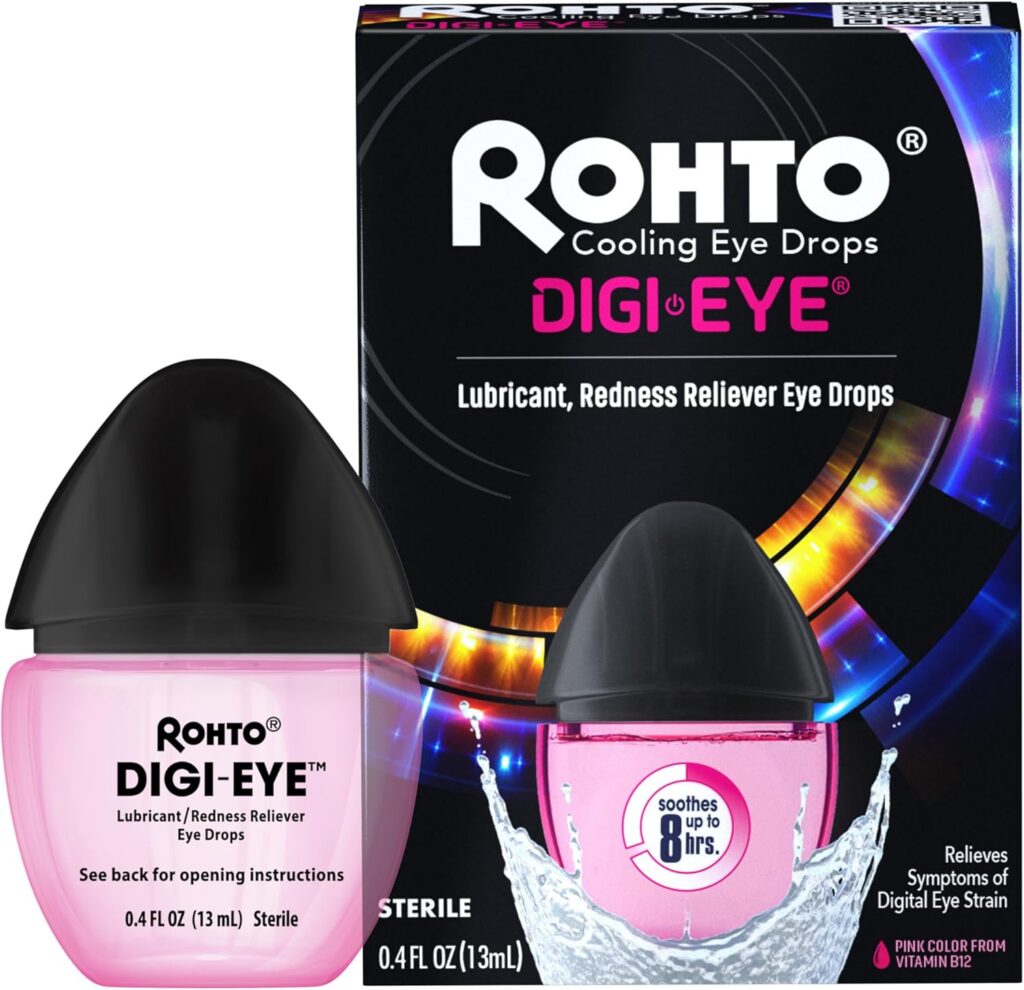
    I missed them because they didn’t look like traditional eye drops.

    No clinical white box.

    No tired illustration of an eyeball.

    No visual cues screaming medicine.

    Instead: bold colours, sleek packaging, and a presence that felt closer to beauty than to pharmacy.

    This is not an accident.

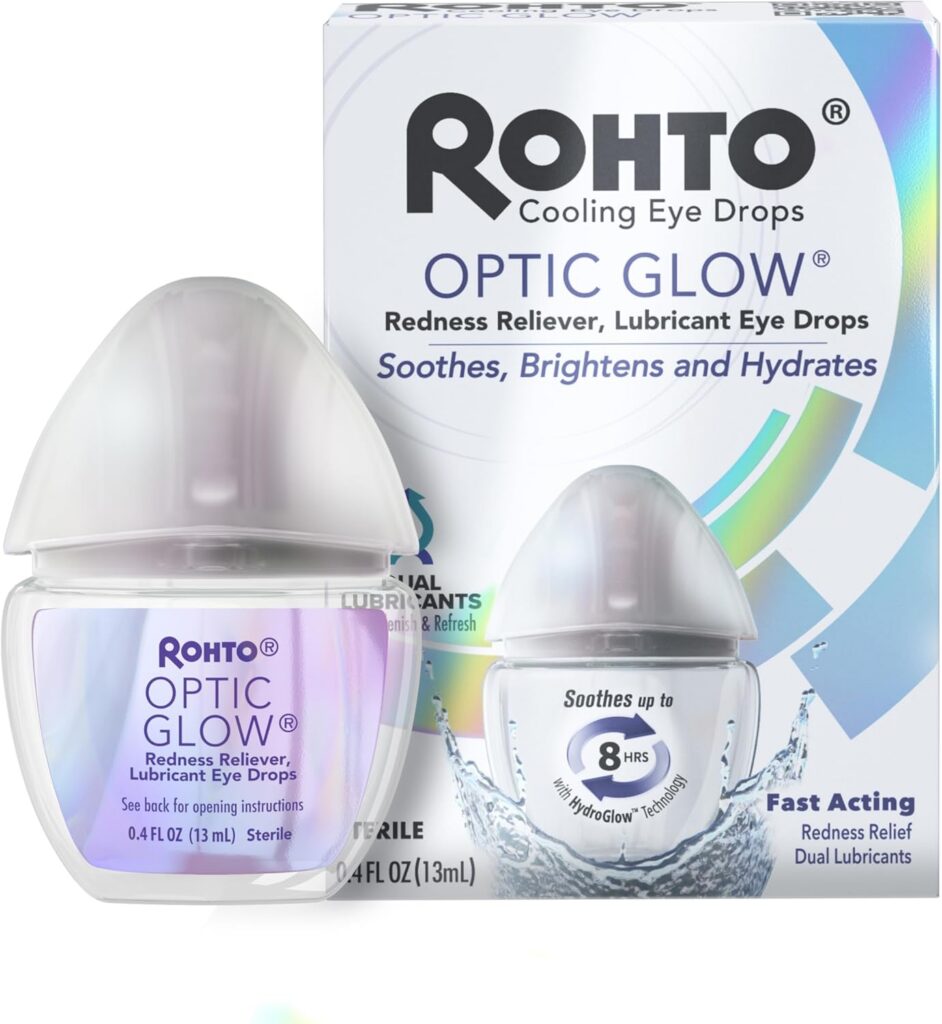
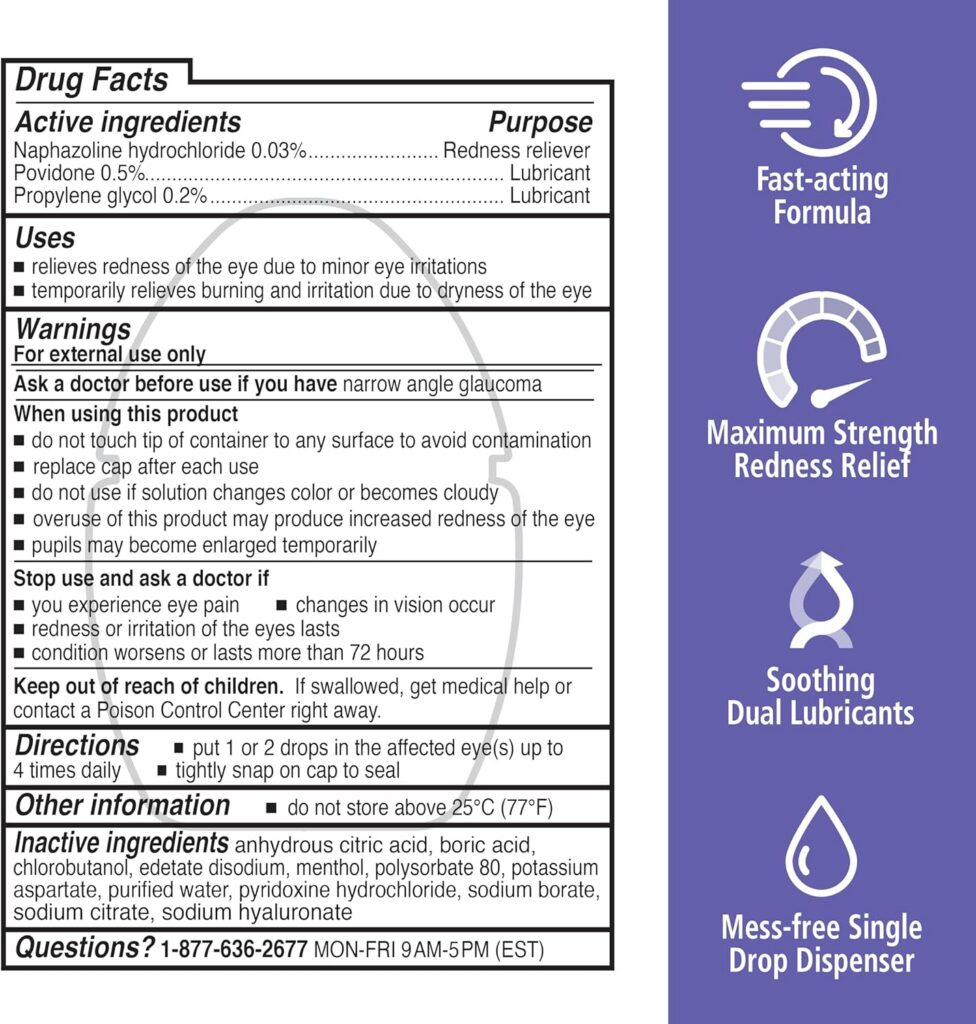
    Both products are made by Rohto Pharmaceutical, a Japanese company known for building cult brands that sit comfortably between healthcare and lifestyle. Its portfolio includes Hada Labo, OXY, Acnelogy, Rohto Eye Drops, Mentholatum, Lipice and Sunplay. In Poland, Rohto is also the owner of DAX Cosmetics, a brand many consumers already recognise from the beauty aisle—not the pharmacy.

    Rohto Eye Drops sit in the mid‑to‑premium OTC segment, priced above basic artificial tears and closer to “specialty” eye care products positioned around cooling, freshness and instant relief. But price is not the real differentiator here.

    Targeting is.


    Optic Glow: When Eye Care Meets Beauty Culture

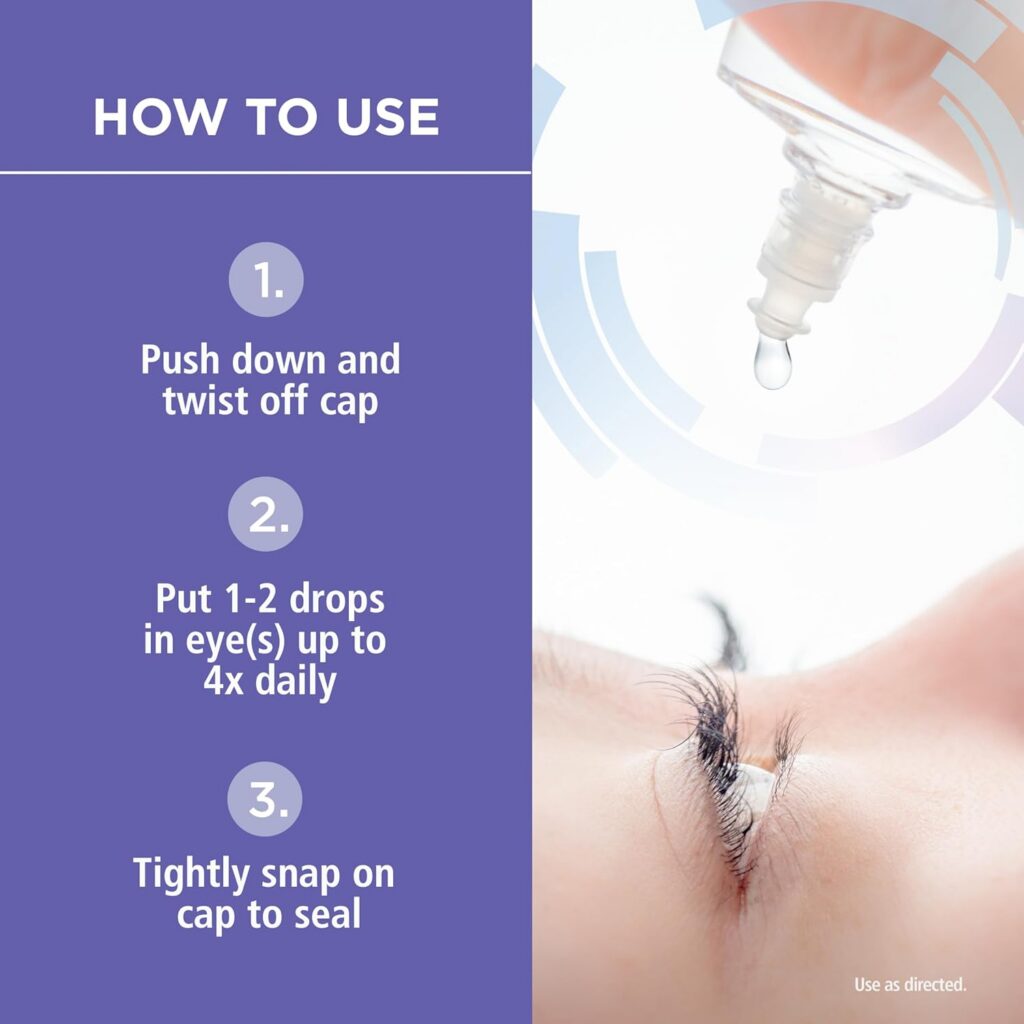
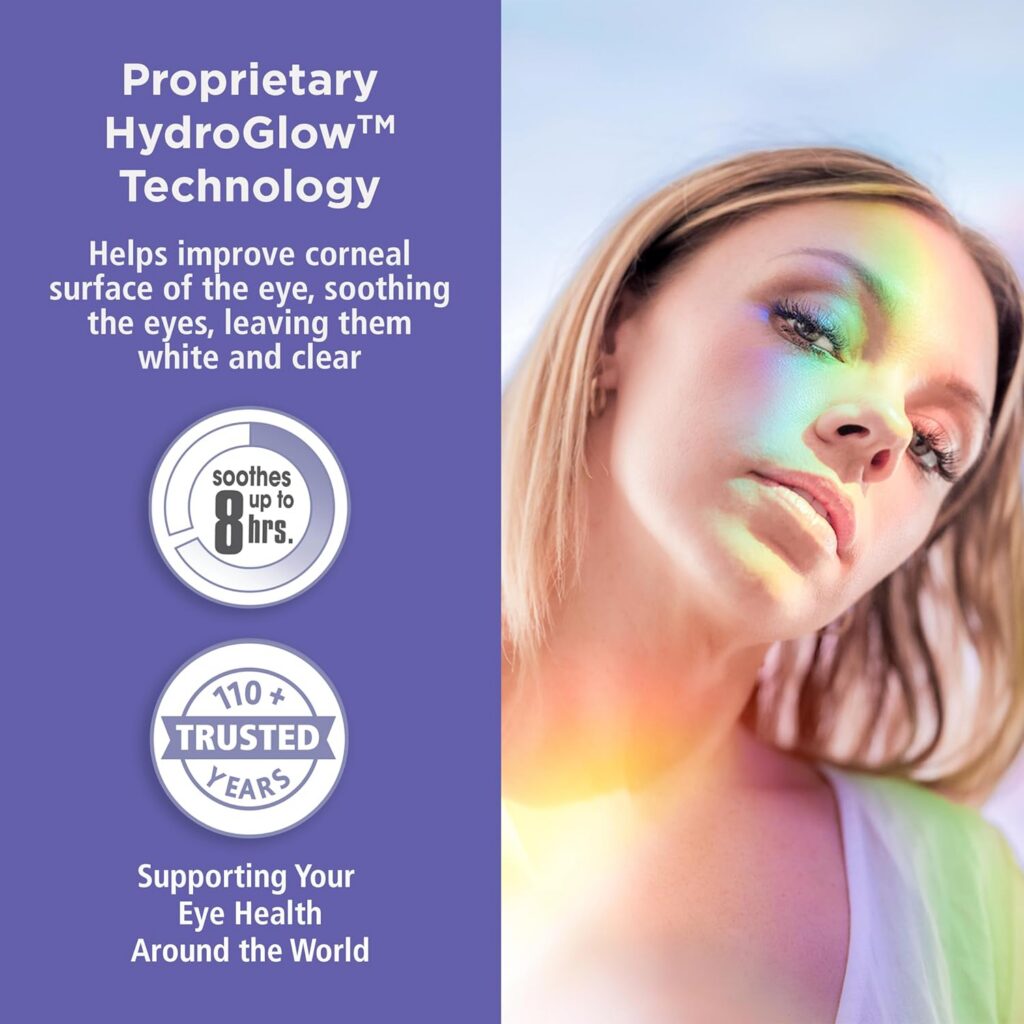
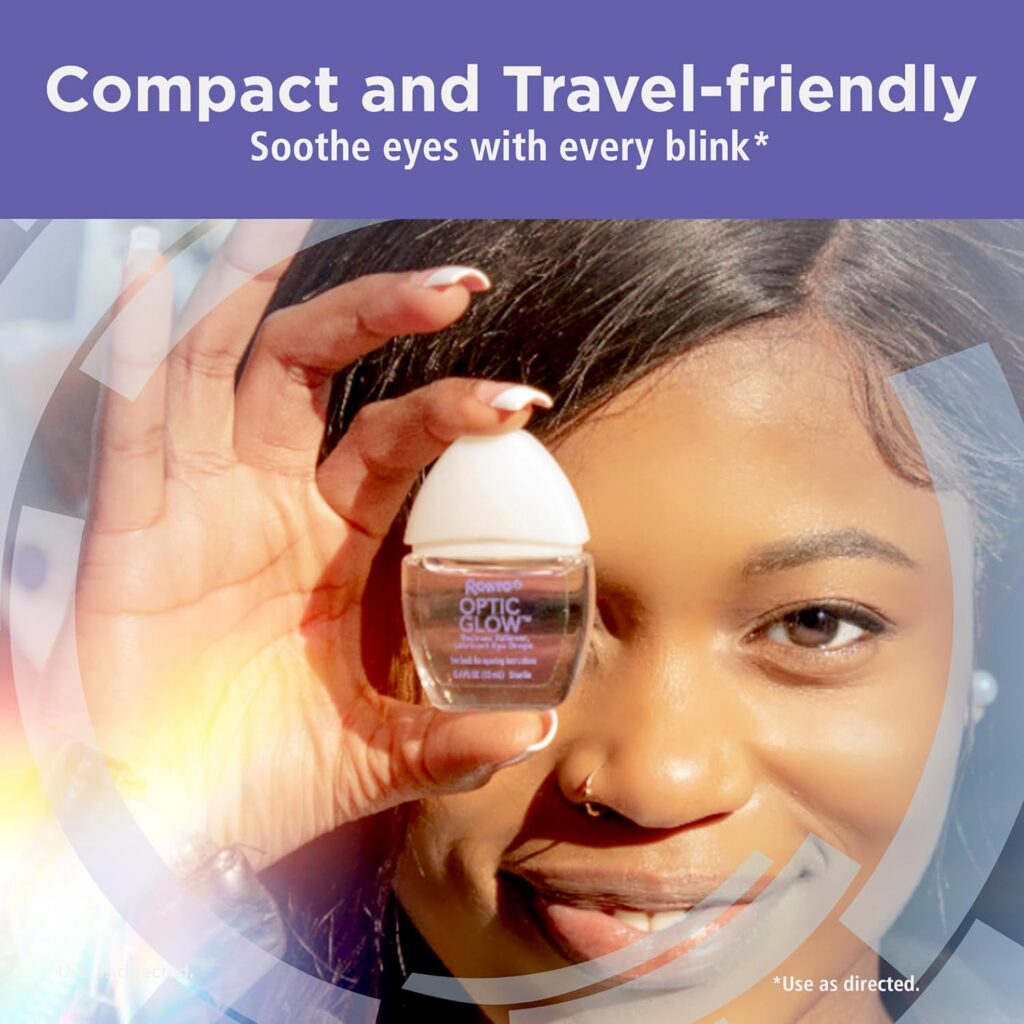
    One variant in particular—Optic Glow—shows how pharmaceutical products can borrow from beauty marketing without losing credibility.

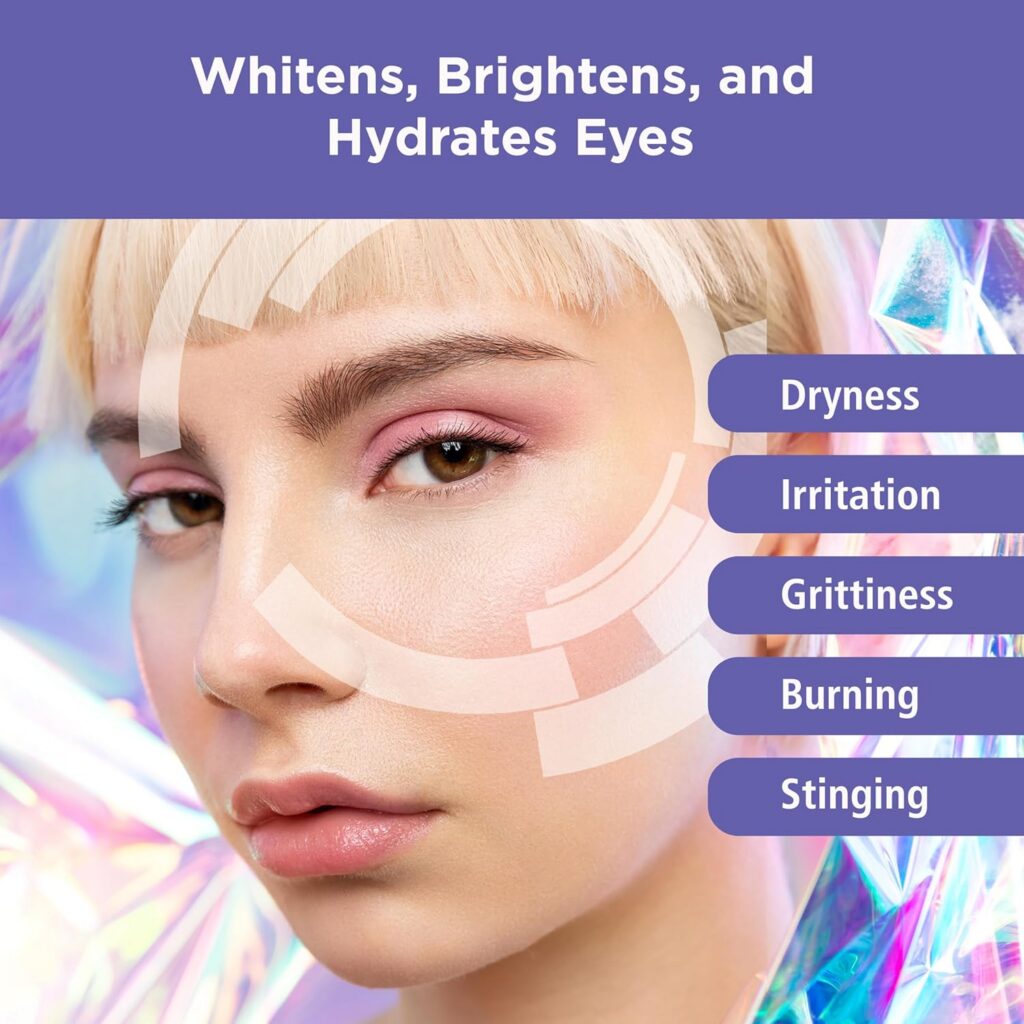
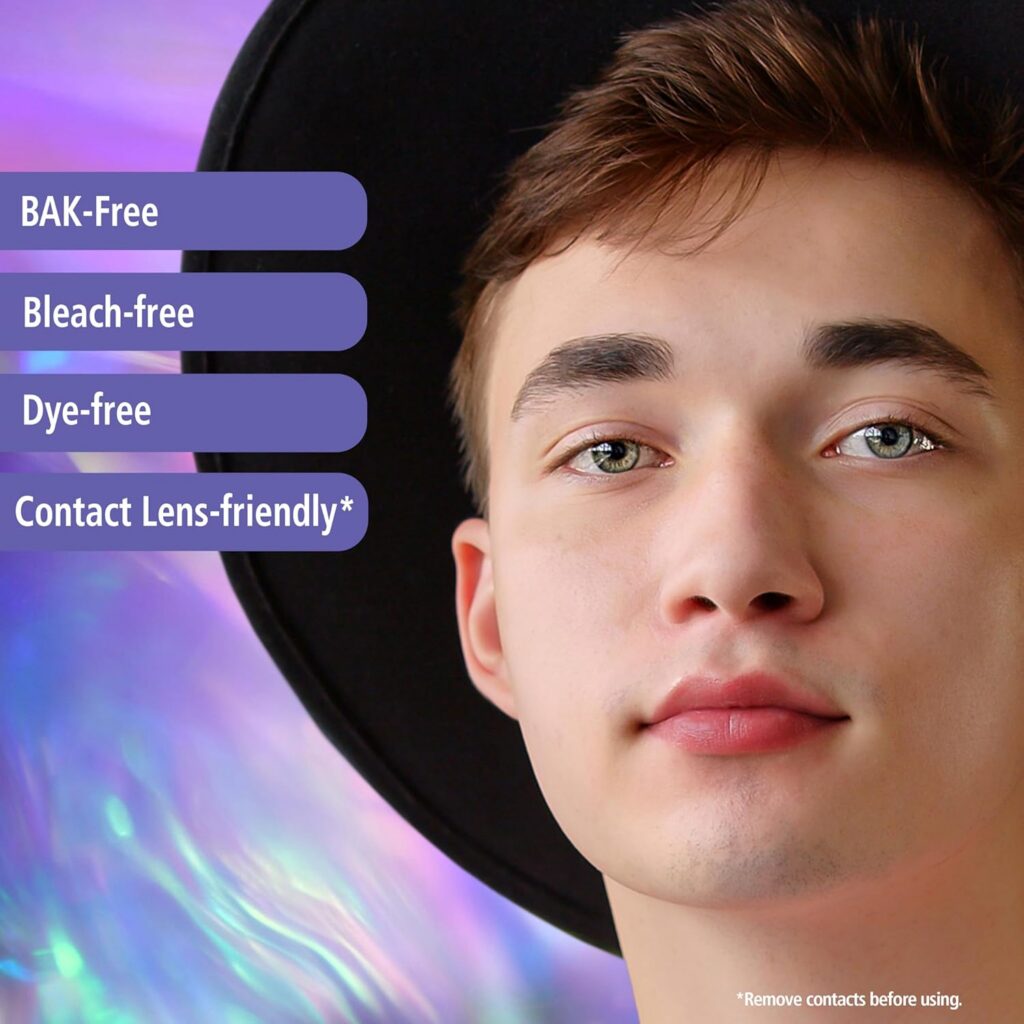
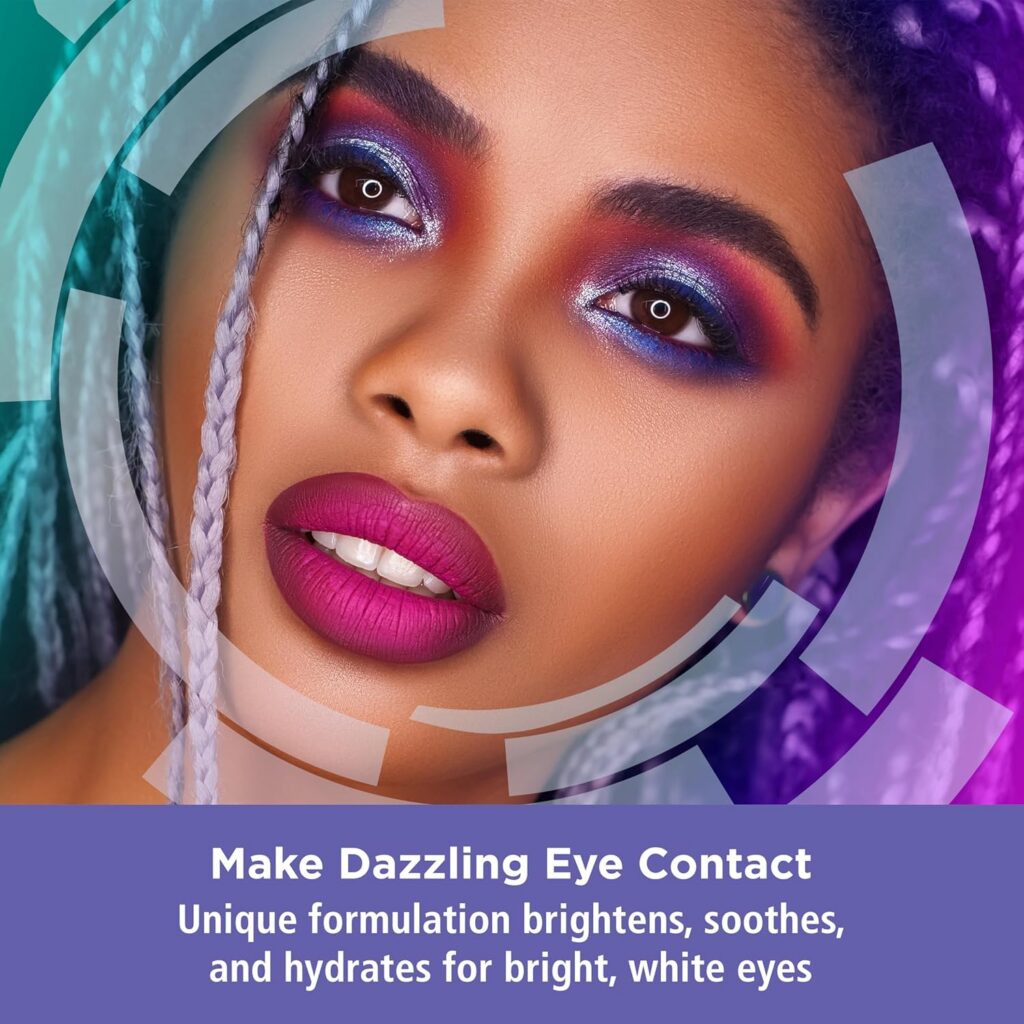
    The visuals are unapologetically aesthetic: bright, wide-open eyes, bold eye makeup, strong colour contrasts. The message is clear and emotionally relevant:

    Even the best eye makeup doesn’t look good on tired, irritated eyes.

    That single insight unlocks a perfect product–market fit.
    This is no longer just an “eye problem solution.” It’s a beauty enhancer, a backstage product that makes the final look work.

    And it resonates—because eye fatigue is not a niche issue. It’s mainstream Europe.


    Eye Problems Are No Longer a Medical Exception — They’re the Norm

    Let’s look at the data.

    More than 50% of European adults have a refractive error (myopia, hyperopia or astigmatism), meaning they need glasses or contact lenses.
    According to the European Eye Epidemiology (E3) Consortium, this equals over 227 million people with myopia alone in Europe
    (European Eye Epidemiology Consortium, 2015)
    
    Dry eye symptoms affect between 15% and 30% of adults in Europe, depending on country and age group
    (BMJ Open, 2023)
    
    Among contact lens wearers, around 20–40% report dry eye symptoms, and dryness is one of the main reasons people stop wearing lenses altogether
    (Life (Basel), 2022)
    
    In several European countries, 10–30% of adults wear contact lenses, with particularly high usage in Northern and Western Europe
    (Statista, 2025)
    
    Screen exposure is accelerating the issue: ophthalmologists across Europe report a sharp increase in screen-related eye fatigue and dryness, especially among younger consumers
    (TFOS DEWS II Report)

    This is not a fringe problem.
    This is a mass lifestyle condition driven by screens, indoor heating, air conditioning, contact lenses, makeup, UV exposure and urban living.

    Yet the category still behaves as if it’s selling cough syrup.


    The White Space: Turning Eye Drops into Daily Rituals

    Rohto shows what’s possible—but the opportunity is much bigger.

    1. Screen Workers: The New Office Ritual

    Millions of Europeans spend 8–10 hours a day staring at screens. Digital eye strain is universal—regardless of profession.

    Why not position eye drops as a micro-break ritual?

    Two drops.
    A 60-second pause.
    Instant refresh.

    Not treatment—performance recovery.

    1. Students & Night Owls

    Whether it’s studying until 3 a.m. or dancing until sunrise, tired eyes are a shared experience.

    Position eye drops as:

    “Two drops that make your eyes look like you slept eight hours.”

    Functional? Yes.
    Aspirational? Absolutely.

    1. Beauty & Wellness Enthusiasts

    We already ritualise:

    matcha in the morning
    pilates at noon
    skincare at night

    So why not eye care?

    A daily eye-refresh moment fits perfectly into the beauty–wellness–biohacking ecosystem. Imagine collaborations with:

    • blue-light-blocking glasses
    • yoga studios
    • skincare brands

    Eye drops become the new wellness accessory.


    Why the Market Is Still Wide Open

    Despite the scale of the problem, most eye drop brands still look:

    overly medical
    visually outdated
    emotionally disconnected

    White boxes. Clinical fonts. Stock images of eyes.

    Consumers, meanwhile, have evolved. They expect design, identity and ritual—even from functional products.

    Especially from functional products.

    Women wear makeup daily that contributes to eye dryness. Winter heating dries indoor air. UV awareness is rising—but eye protection is still overlooked. SPF exists for skin. Why not for eyes as a daily habit?

    The demand is there.
    The need is proven.
    The shelf, however, is still boring.


    Final Thought

    The next growth wave in OTC eye care won’t come from stronger formulas alone.

    It will come from reframing eye drops as part of modern life:

    • like lip balm
    • like hand cream
    • like supplements

    Rohto has shown the direction.


    For FMCG and pharma brands willing to step beyond the “medicine look,” the opportunity is vast—and still largely untapped.


    Key Sources

    European Eye Epidemiology Consortium (E3):
    https://pmc.ncbi.nlm.nih.gov/articles/PMC4385146/

    BMJ Open – Dry Eye Disease in Europe:
    https://bmjopen.bmj.com/content/13/3/e067007

    Life (Basel), 2022 – Dry Eye & Contact Lenses:
    https://pmc.ncbi.nlm.nih.gov/articles/PMC9605398/

    Statista – Contact Lens Wearers in Europe:
    https://www.statista.com/statistics/431375/individuals-who-wear-contact-lenses-in-selected-european-countries/

    TFOS DEWS II Epidemiology Report:
    https://www.sciencedirect.com/science/article/pii/S1542012417305733

  • When “Healthy” Looks Familiar – Chocolate Bar Alternatives on a Rossmann Shelf – How far you can go with inspiration?

    You recognize the product instantly.
    It looks familiar.
    And yet something feels… off.

    Yes — alternatives.

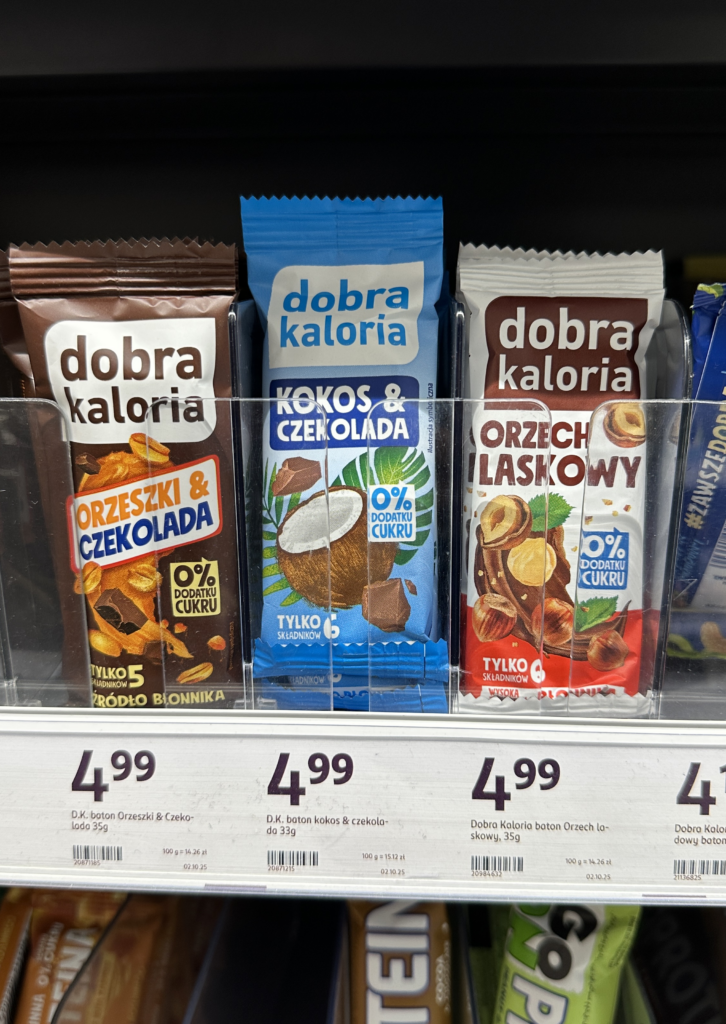
    Standing in a Rossmann store in Poland, I found myself staring at a shelf that felt like déjà vu: three “healthy” snack bars, each very clearly inspired by some of the most iconic chocolate bars ever created. Snickers. Bounty. Kinder Country. Products so deeply embedded in global FMCG culture that you don’t need to read the name — your brain fills in the gaps automatically.

    And that’s exactly where it gets interesting.


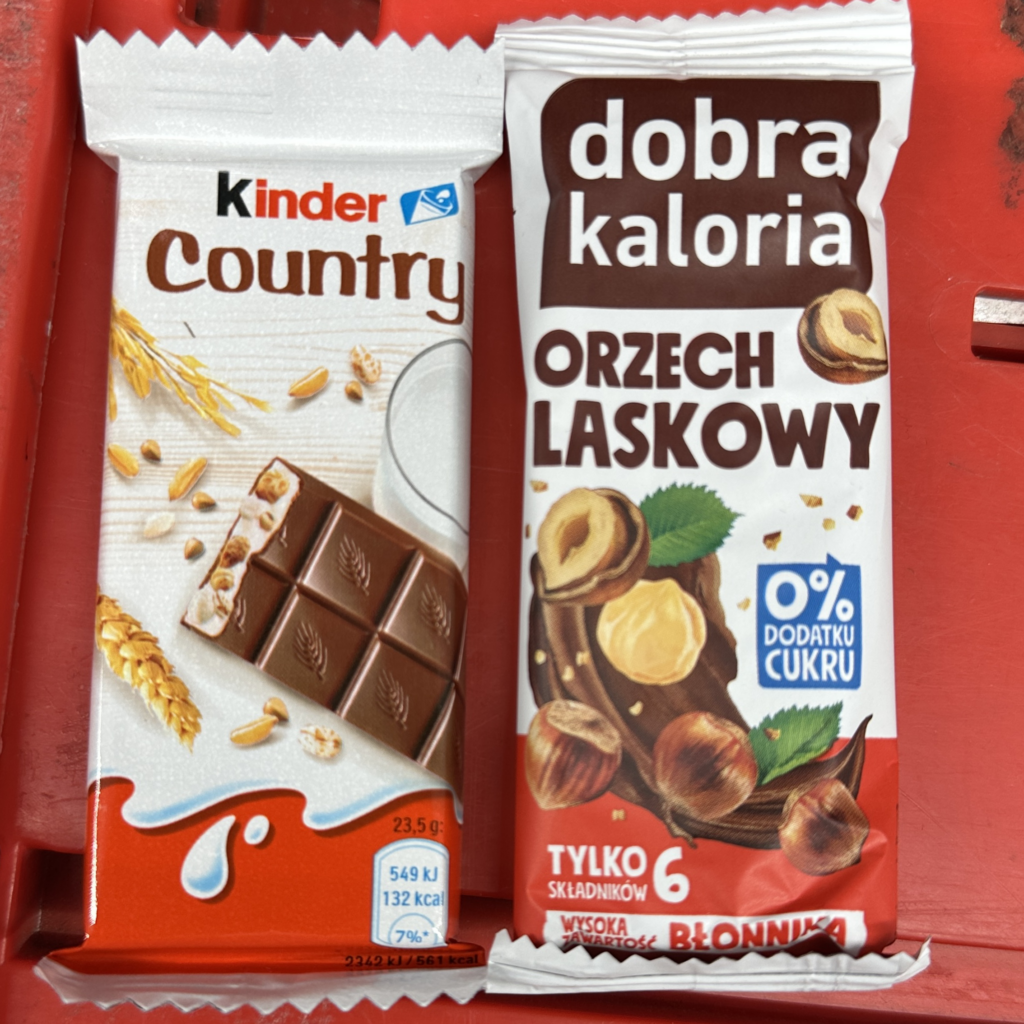
    Case 1: Almost 1:1

    In the first case, you could easily mistake one for the other.

    Size: identical!
    Colors: same palette, same balance
    Graphic layout: logo placement, product shot positioning, flavor communication — all strikingly familiar
    Red–white contrast: matched almost perfectly

    At first glance, your hand could reach out before your rational brain kicks in.

    Is that inspiration — or is it already too far?


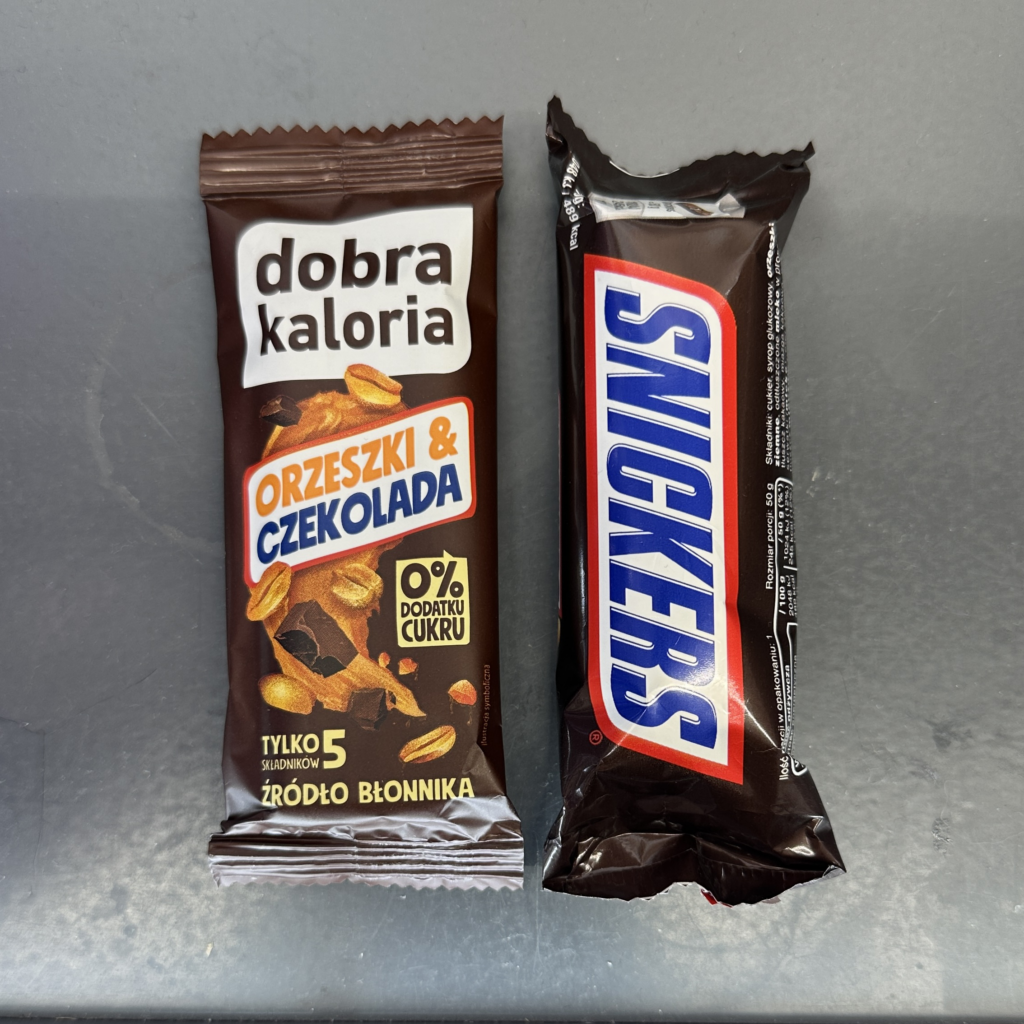
    Case 2: Comparison by Design

    The second example plays a slightly different game.

    Here, the color coding does most of the work. The visual language immediately invites comparison between the original and the “better-for-you” version. The bar itself is similar in size, but not identical — the original is slimmer, more refined.

    This is no accident. This is deliberate shelf storytelling.


    Mixed Feelings — and That’s the Point

    As an FMCG observer, I have mixed feelings — and that’s not necessarily a bad thing.

    1

    We live in a free market. Anyone can produce what they want. If consumers are buying these products, that means there is demand. Simple.

    And that demand can come from at least two very different motivations:

    • Nostalgia with fewer regrets
      Consumers miss the taste and emotional comfort of classic bars but want less sugar, simpler ingredients, or better macros.
    • No comparison at all
      Some shoppers may not even consciously link the product to the original — they simply see a healthy bar that fits their needs.

    In both cases, there is nothing inherently wrong. Consumers have agency. They choose.

    2

    But maybe there’s something more interesting happening here.

    What if this copy mechanism is actually a good thing?

    What if for every “bad-for-you” product, the shelf also offered a credible, healthier alternative — same flavor territory, same usage occasion, same price range?

    Decision tree looks like:

    1. You’re hungry — yes.
    2. Do you have to buy a sugar-loaded bar — no.

    Now the responsibility shifts fully to the consumer. Not because options are limited, but because options are abundant.

    Imagine this logic applied consistently:

    healthier versions of the most popular sweets
    better-for-you alternatives to iconic savory snacks
    functional substitutes that don’t feel like punishment

    From a public health perspective — that’s powerful.
    From a brand strategy perspective — that’s disruptive.


    The Numbers Behind the Icons

    To understand what’s at stake, it’s worth remembering the scale of the originals:

    Snickers (Mars)
        One of the world’s best-selling chocolate bars
      Sold in more than 70 countries
    
    Kinder Country (Ferrero Group)
        Part of a portfolio that generated €17+ billion in revenue (2023)
        Kinder is among the top 5 confectionery brands globally
        Especially strong in Europe, where brand trust is exceptionally high
    
    Bounty (Mars)
        A cult classic with coconut lovers worldwide
        Strong emotional equity built over decades

    When you “borrow” from brands of this magnitude, you’re not just borrowing design — you’re tapping into decades of mental availability built with billions in advertising spend. ANd here comes the question:


    Inspiration vs. Imitation: Where Is the Line?

    And this brings us to the uncomfortable but necessary question:

    Where is the real border between inspiration and copying?

    Is it the flavor combination?
    The packaging design?
    The color system?
    The overall “look & feel” at shelf distance?

    There is no universal formula — only context, intention, and consumer perception.

    And perhaps that’s the most fascinating part.

    Because in the end, the shelf doesn’t ask for legal arguments.
    It asks one simple question:

    Which bar will the consumer pick — and why?

    And increasingly, the answer may be:

    “The one that feels familiar… but makes me feel better about myself.”

    Thoughts?

  • The Power of the Pocket-Lifesaver

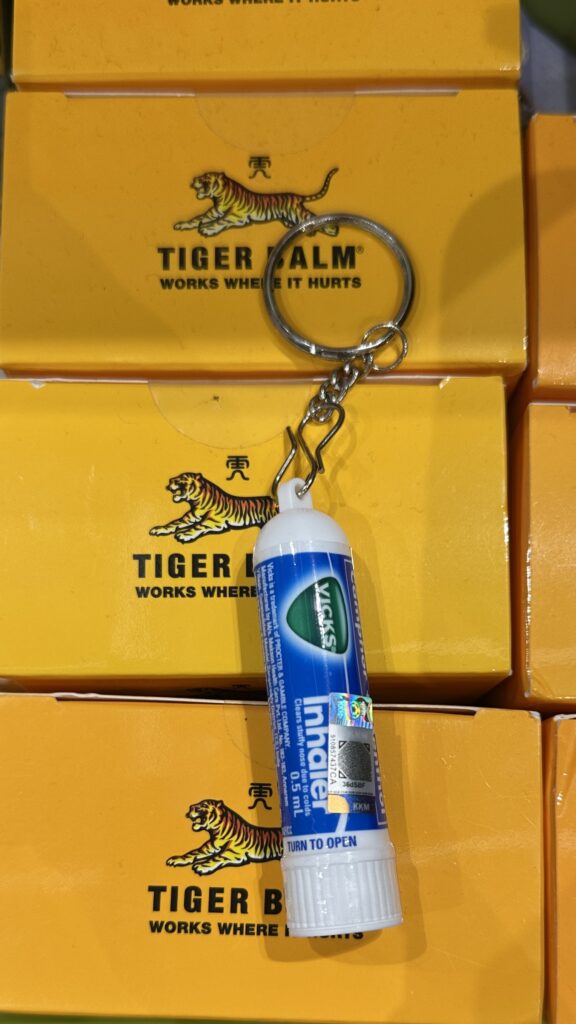
    Malaysian Watsons stores are a masterclass in health and beauty retail. Their shelves are packed with innovation, but during my visit, one product stopped me in my tracks through its sheer, functional brilliance and simplicity: the Vicks Inhaler with a Key Ring.

    We all know the Vicks formula—that nostalgic blend of menthol, camphor, and Siberian pine needle oil that offers instant nasal relief. It’s a winter essential and a travel must-have. But by adding a simple eyelet and a ring, Vicks has transitioned from a product you search for in a bag to a product that lives with you.

    Keys are the ultimate “never-leave-home-without” item. While we often add to them some sentimental trinkets—a miniature Eiffel Tower or a silk tassel—these charms represent our memories, personal linkage to something or somoene or maybe our aspirations.

    When an FMCG brand hitches a ride on your keychain, it bridges the gap between emotional connection and utility. It’s a psychological masterstroke: the brand becomes a literal part of your daily “survival kit.”

    Sounds like an unused potential hidden here!


    Real-World Success Stories

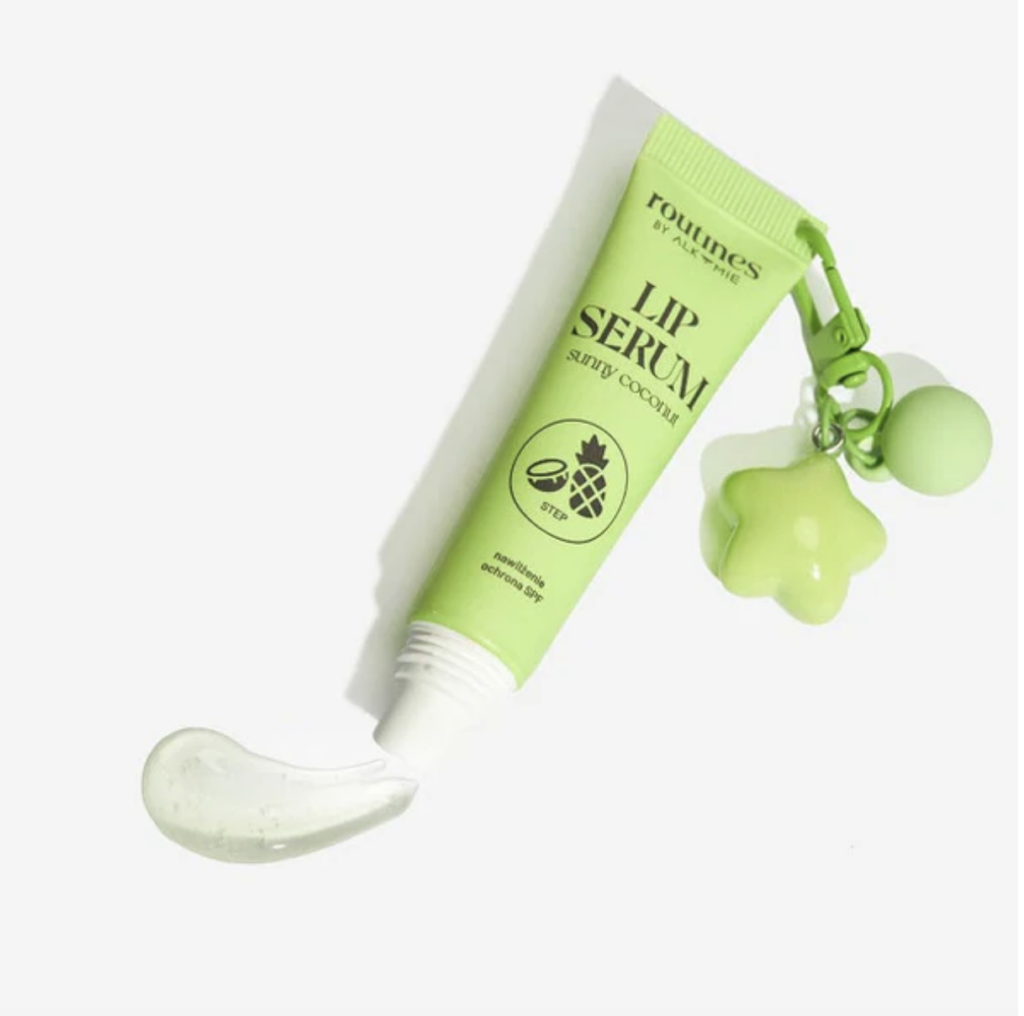
    Lip Balm: This is perhaps the most successful execution of the keychain strategy. For many consumers, lip care is a repetitive, almost ritualistic habit. By making the balm a keychain accessory, brands eliminate the “bottom-of-the-bag” hunt, ensuring the product is always within reach.

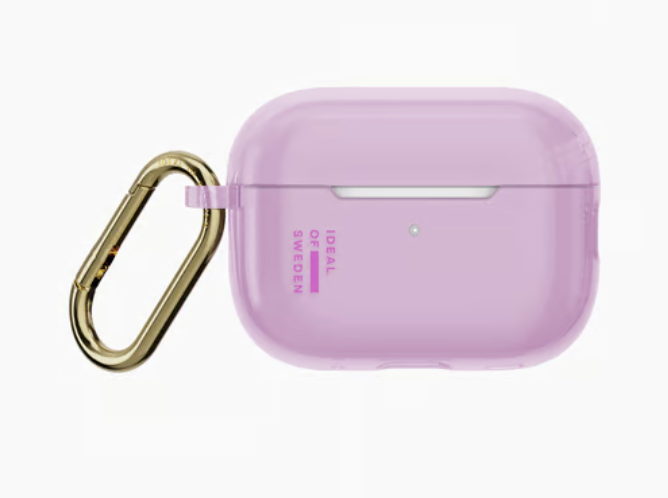
    Earbud Cases: Among Gen Z, the smartphone and earbuds are the two pillars of daily life. We are seeing a shift where the case becomes the keychain. This is a clever pivot for brands; instead of shrinking the product to fit the keys, they create a protective “home” for the tech that attaches to the keys.

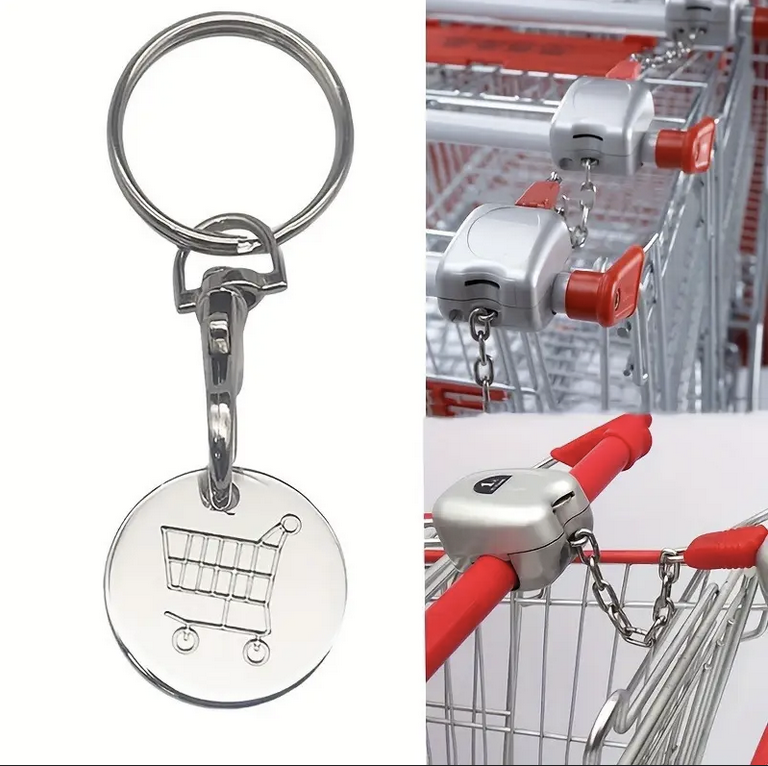
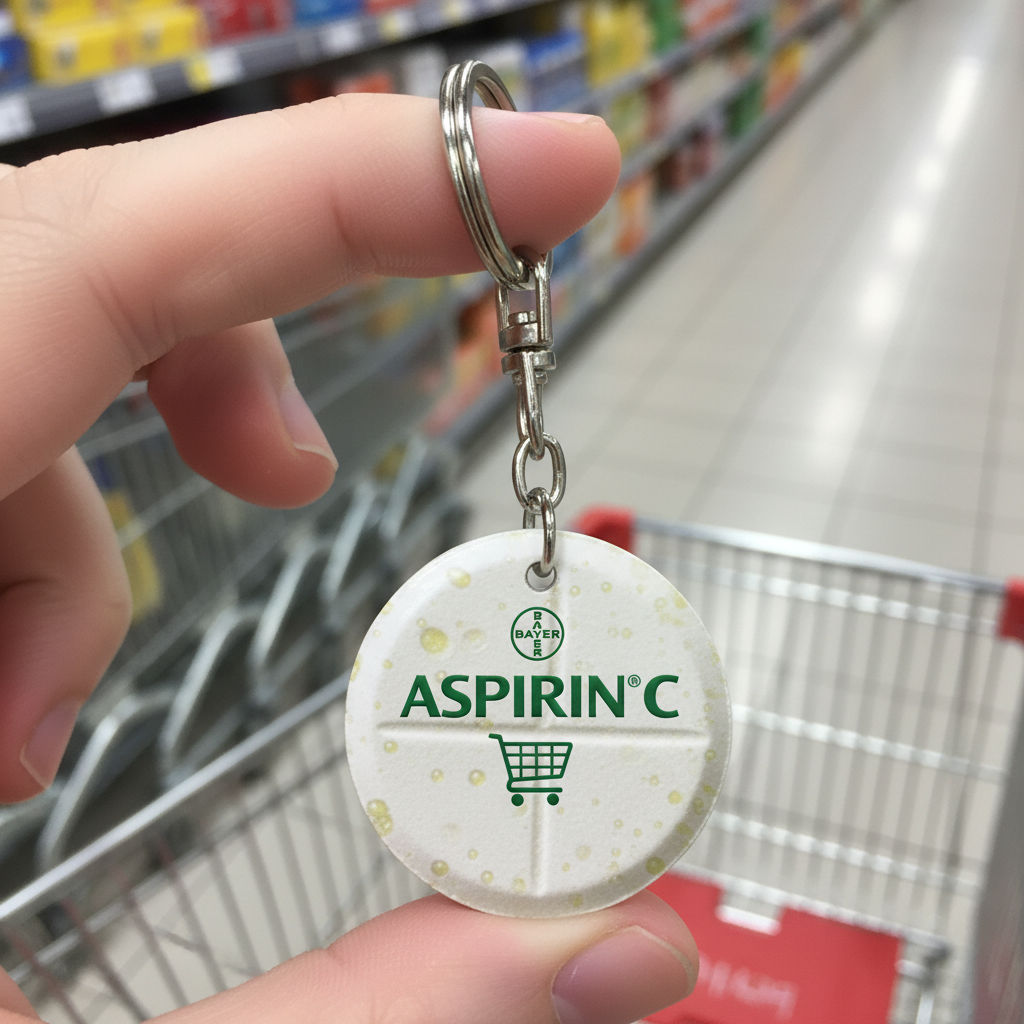
    Alloy Shopping Tokens: A staple for the organized shopper. This is a high-utility marketing tool for supermarkets. It solves a specific friction point—not having a coin for the trolley—ensuring the brand associated with the token is viewed as a “problem solver” every time the consumer enters a store.

    Personally, I think here sits a very nice potential to get into mind of older generations of shoppers. I can imagine branded tokens which are more creative:

    My idea how it could look like in the case of one of the pharma company.

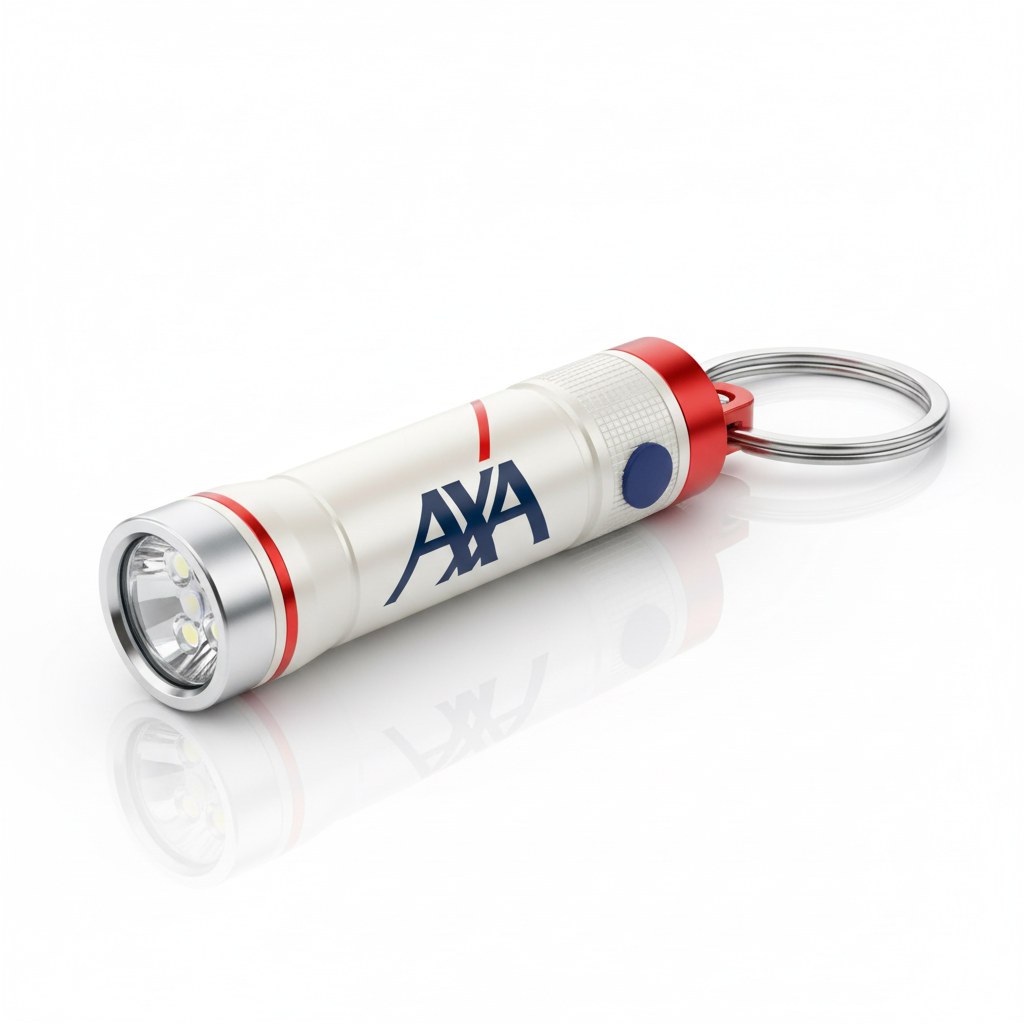
    The Micro-Flashlight: While smartphones have largely cannibalized this category, the dedicated keychain light remains a symbol of “preparedness.” For insurance or security brands, this is a perfect promotional gift; it literally and figuratively “provides light in the dark,” reinforcing a brand promise of safety.

    Gadget that creates a sense of security.


    Expanding the Horizon: What could be next for the Keychain?

    I see several untapped opportunities for brands to claim a spot on the consumer’s keyring. Here is where the next wave of “pocket-sized” innovation lies:

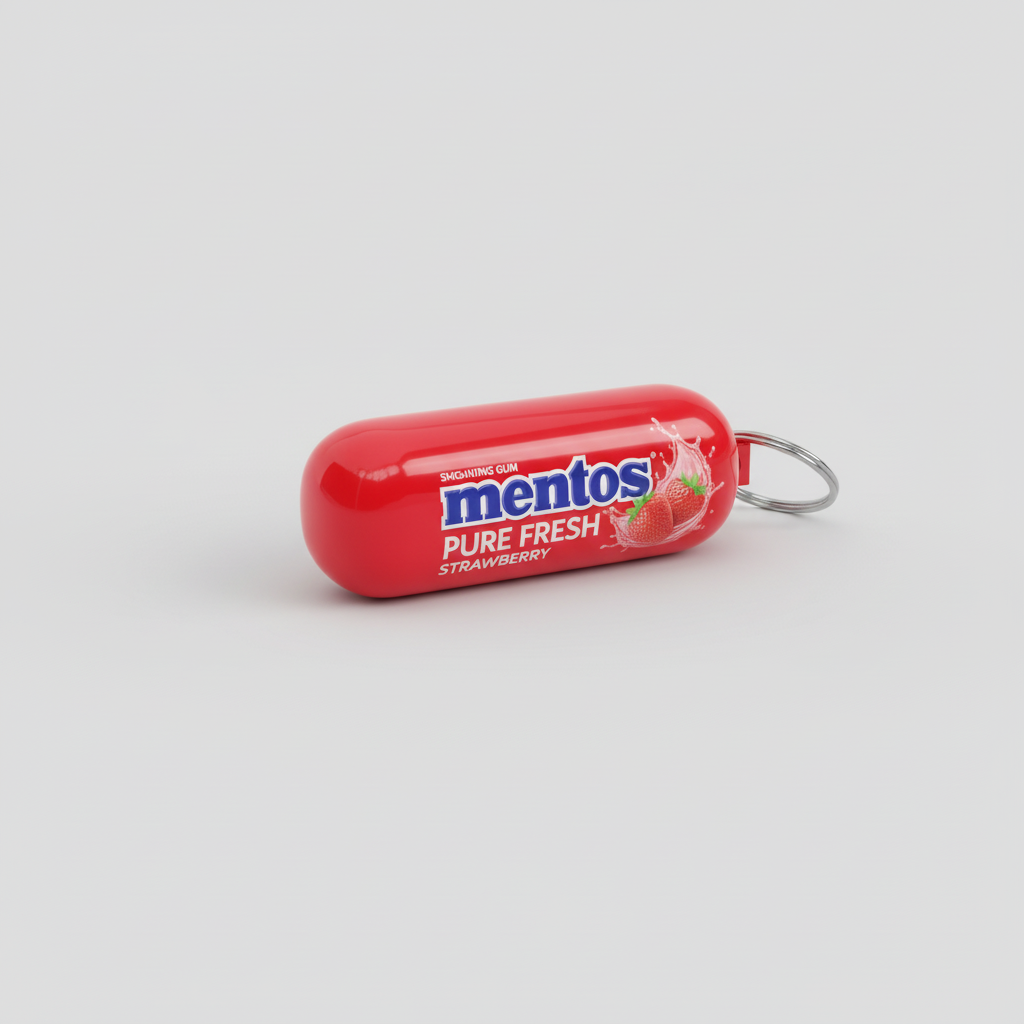
    The “Refresh” Case (Mints & Gum)
    We often reach for a mint right before a meeting or a social encounter—the exact moment we are locking our car or checking our keys. A sleek, refillable metal capsule for two “emergency” gums or a few mints makes perfect sense. It aligns the act of refreshing one’s breath with the transition from one environment to the next.

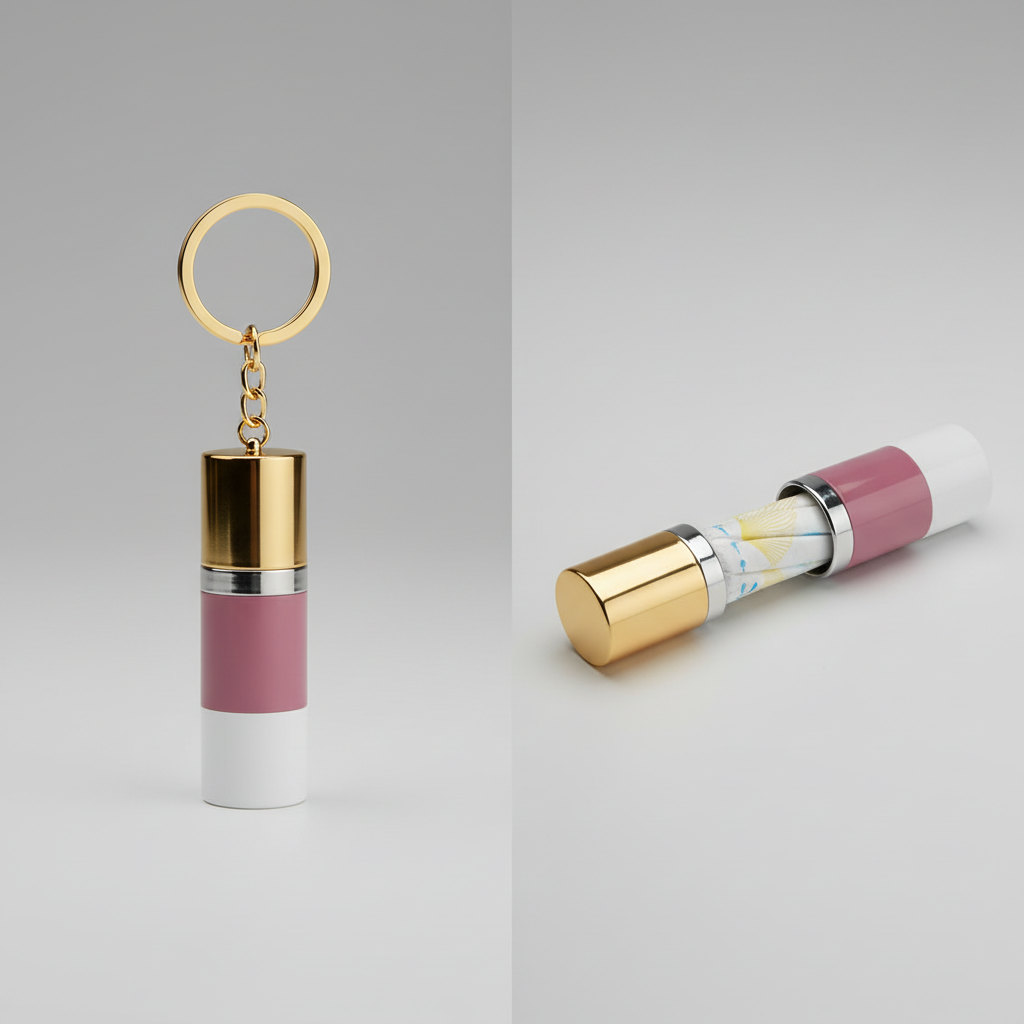
    The Discreet Emergency Case (Tampons & Medication)
    There is a significant gap in the market for “emergency” storage that doesn’t look like a medical kit. A keychain that looks like a high-end aesthetic charm but opens to reveal a single tampon or a life-saving pill (like an antihistamine or aspirin) offers peace of mind. The value here isn’t just the product; it’s the discretion and readiness.

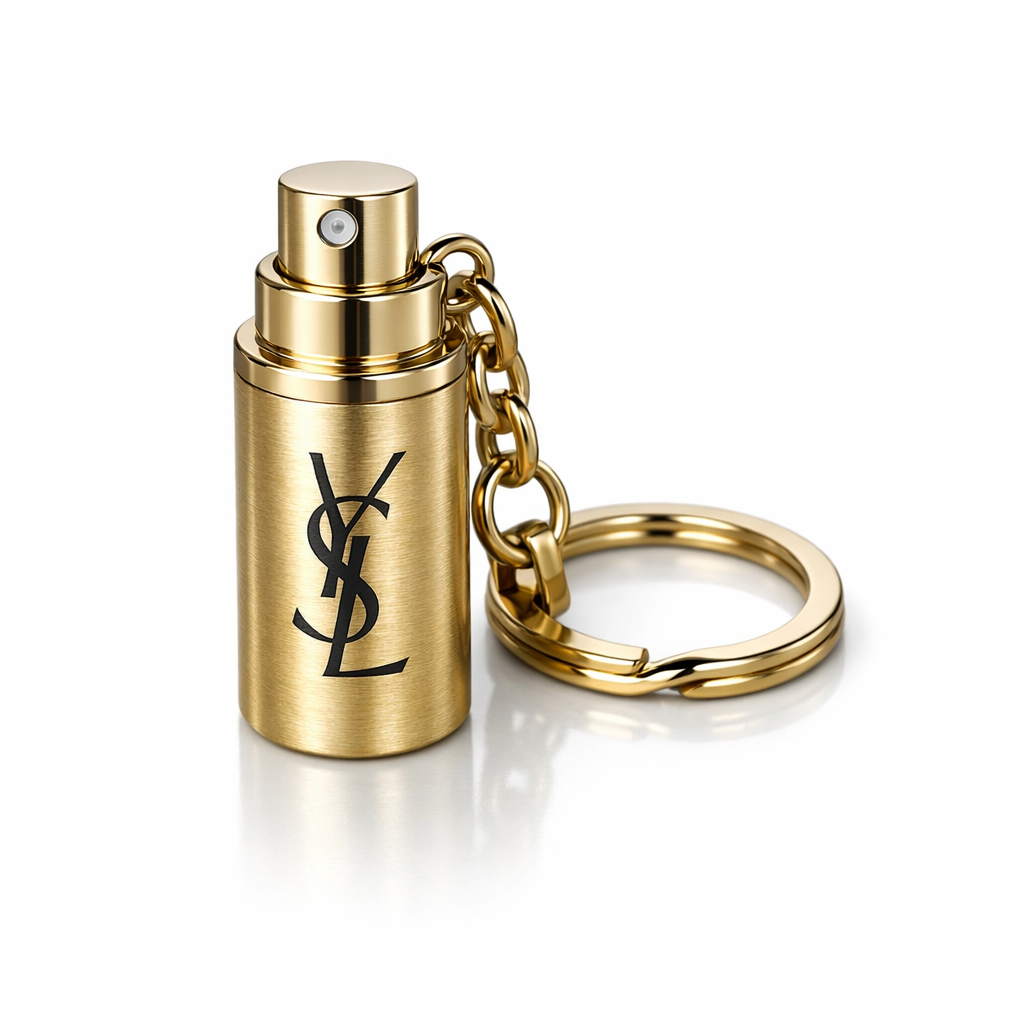
    The Fragrance “Touch-Up”
    While glass vials are too fragile for the chaos of a pocket, a ruggedized, aluminum-encased 3ml atomizer is a game-changer. It allows consumers to carry their “signature scent” for a post-commute refresh without carrying a heavy bottle. For luxury fragrance brands, this might be a premium “gift with purchase” that ensures the brand is interacted with multiple times a day.

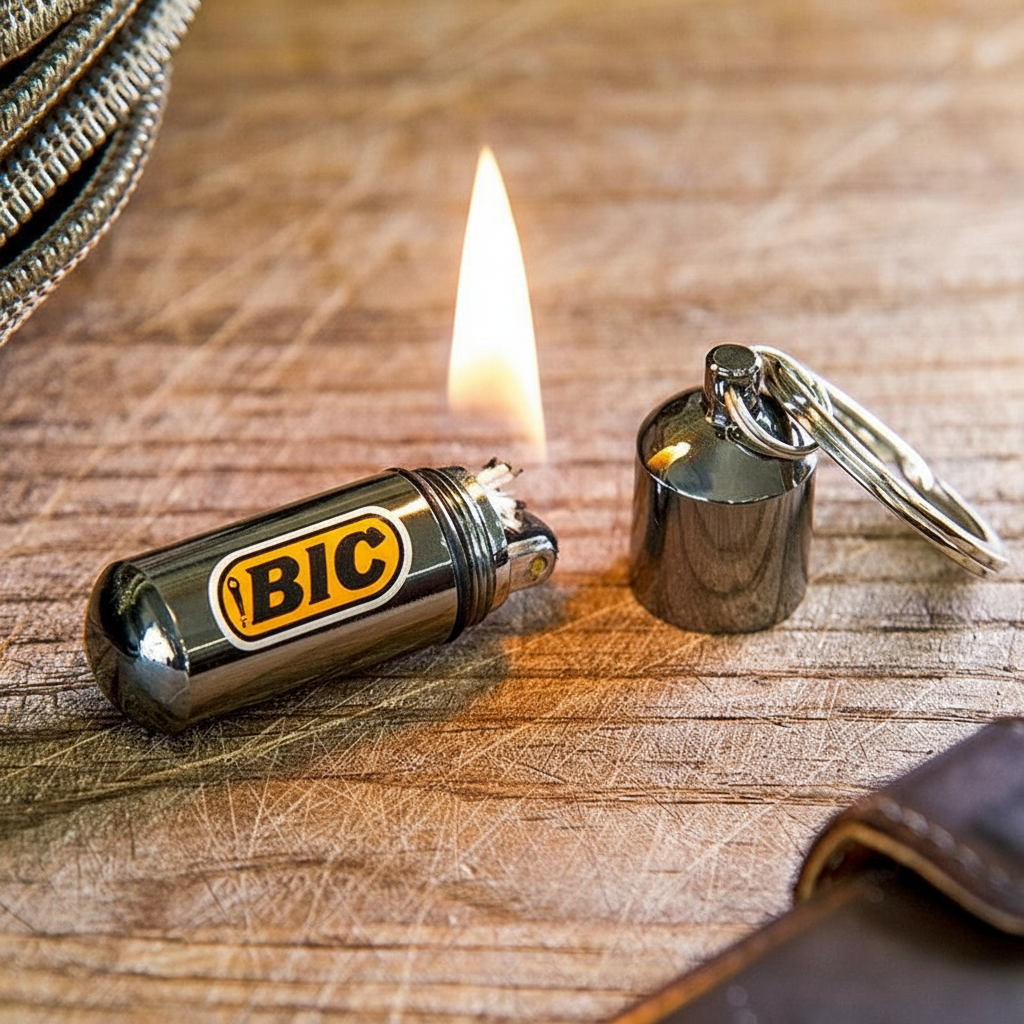
    The Micro-Lighter
    While lighters are common, a truly integrated, leak-proof “peanut” lighter on a keychain is surprisingly rare in the mass market. For the consumer who smokes or the outdoor enthusiast, having a reliable flame attached to their keys removes the “did I forget my lighter?” anxiety.


    The Bottom Line

    The move toward keychain integration isn’t just about miniaturization; it’s about contextual relevance. By identifying the moments of friction in a consumer’s day—a blocked nose, a dead flashlight, or a missing lighter—and placing the solution exactly where their keys are, FMCG brands can move from being a “commodity” to a “companion.”

  • Bottle That Explains a Market: Discovering Water Kefir in New Zealand

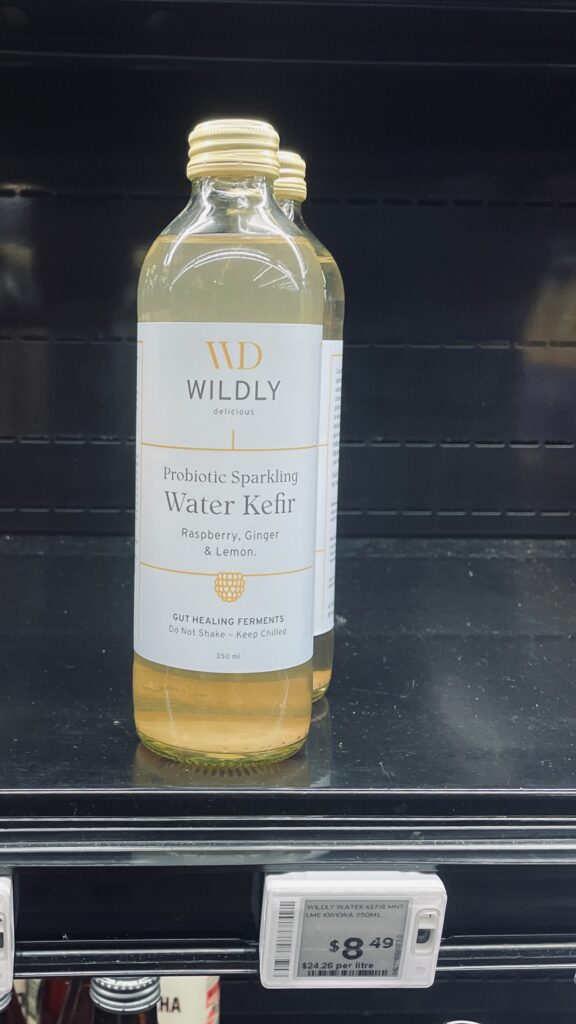
    During my visit to a discount store in Wellington, New Zealand, a small glass bottle stopped me in my tracks. The label was minimal, modern, and unmistakably “wellness-led.” The name, however, raised an eyebrow:


    Water Kefir.

    For anyone raised on European dairy kefir or kombucha, the term feels both familiar and alien. Water… kefir?

    Curious, I picked it up—and that single bottle turned out to be a neat case study of how New Zealand’s food culture, demographics, and economic structure converge on a shelf.

    The product:
    Probiotic Sparkling Water Kefir – Raspberry, Lemon & Ginger (350 ml)
    Produced locally by Wildly, a New Zealand brand focused on fermented, functional beverages.

    What Exactly Is Water Kefir?

    Water kefir is a fermented drink made using water kefir cultures (a symbiotic culture of bacteria and yeast), fed with natural sugars derived from dried fruit. Unlike dairy kefir, it is:

    • Dairy-free
    • Vegan
    • Gluten-free
    • Naturally lightly sparkling through fermentation rather than forced carbonation

    In short, it sits somewhere between kombucha, soft drinks, and functional hydration—but without the sharp acidity or heavy flavour masking typical of kombucha.

    Flavour profile: Raspberry, lemon & ginger
    Ingredients:

    Artesian alkaline water
    Whole raspberries
    Cold-pressed ginger
    Fresh lemon
    Dried figs & dates
    Sugar & molasses (as fermentation fuel)
    Water kefir culture

    Dietary positioning: Gluten-free, dairy-free, vegan
    Sugar content: Less than 1g per serving (post-fermentation)


    Why This Ingredient Combination Actually Makes Sense

    From a formulation perspective, this is not a random “superfood stack” but a technically coherent recipe:

    1. Raspberry brings polyphenols and natural acidity, supporting flavour complexity without artificial sweeteners.
    2. Lemon sharpens freshness and improves perceived sweetness while contributing vitamin C.
    3. Ginger, long associated with digestion and anti-inflammatory properties, complements fermented products both functionally and sensorially.
    4. Dried figs and dates are not there for flavour alone—they provide complex sugars and minerals that feed the kefir culture during fermentation (as substitute of sugar)
    5. Molasses, used sparingly, adds trace minerals that support microbial activity.

    The result is a beverage that tastes clean and refreshing while aligning with consumer expectations around gut health, immunity, and natural processing.


    “Everything at Once” – And That’s the Point!

    What’s impressive about this product is how many consumer needs it addresses simultaneously:

    • Probiotic alternative – positioned as a substitute for capsules or powders
    • Immune-supporting hydration – functional, but still drinkable
    • Natural bubbles – champagne-like effervescence without CO₂ injection
    • Alcohol alternative or mixer – increasingly relevant in sober-curious culture

    This “multi-job” functionality is no accident—it reflects how New Zealand consumers shop actually.


    Why New Zealand Is Fertile Ground for Products Like This

    1. Demographics That Reward Functional Premiums

    New Zealand has a median age of ~38 years, with over 83% of the population living in urban areas—concentrated in cities like Auckland and Wellington (Worldometer).

    This age group tends to:

    • Invest in preventive health
    • Spend more on daily wellness products
    • Prefer “quietly premium” items over mass indulgence
    1. Health Spending as a Cultural Norm

    New Zealand spends roughly 9% of GDP on healthcare, and public discourse strongly emphasizes prevention and lifestyle health
    (CIA World Factbook).

    In this context, paying more for a probiotic drink is framed not as indulgence, but as long-term self-investment.

    1. Environmental Belief, Not Just Compliance

    While Europe is known for strict environmental regulation, New Zealand stands out for something subtler: deep consumer belief that environmental protection benefits daily life.

    Heavy glass packaging? That’s not a drawback—it signals quality, reuse, and recyclability.
    A label screaming “no sweeteners, no additives, no artificial flavours”? That’s not niche; it’s expected.

    This mindset is deeply rooted in a society that lives close to nature and is acutely aware of its fragility.


    Why Don’t We See This in Europe (Yet)?

    Europe has kombucha. Europe has kefir. But water kefir as a mainstream, branded, chilled beverage? Rare.

    My hypothesis why:

    • European markets are more tradition-bound in fermentation categories.
    • Health trends exist, but often remain siloed (functional = medicinal, pleasure = indulgence).
    • Regulatory complexity and fragmented retail landscapes slow down novel category creation.

    New Zealand, by contrast, is small, agile, and culturally open—an ideal test market for products that blur category lines.


    Final Thoughts

    This bottle of Wildly Water Kefir is more than a drink. It’s a reflection of:

    1. A health-literate consumer base
    2. Willingness to pay for preventive nutrition
    3. Environmental values embedded in everyday purchasing
    4. Younger generations redefining what “refreshment” means

    Fresh, light, functional, and genuinely well-crafted—this is exactly the kind of product I would expect to succeed first in wealthy, health-obsessed, future-facing markets.

    Europe may catch up. Sooner or later. Maybe later : )
    New Zealand, as usual, is already drinking the future.
    Sources

    New Zealand demographics & urbanization:
    Worldometer – New Zealand Demographics
    Population age structure & median age:
    Statista – Median age in New Zealand
    Healthcare expenditure & economic indicators:
    CIA World Factbook – New Zealand

    Product reference:
    Wildly Raspberry, Lemon & Ginger Water Kefir