Bottle That Explains a Market: Discovering Water Kefir in New Zealand
During my visit to a discount store in Wellington, New Zealand, a small glass bottle stopped me in my tracks. The label was minimal, modern, and unmistakably "wellness-led." The name, however, raised an eyebrow:
Water Kefir.
For anyone raised on European dairy kefir or kombucha, the term feels both familiar and alien. Water… kefir?
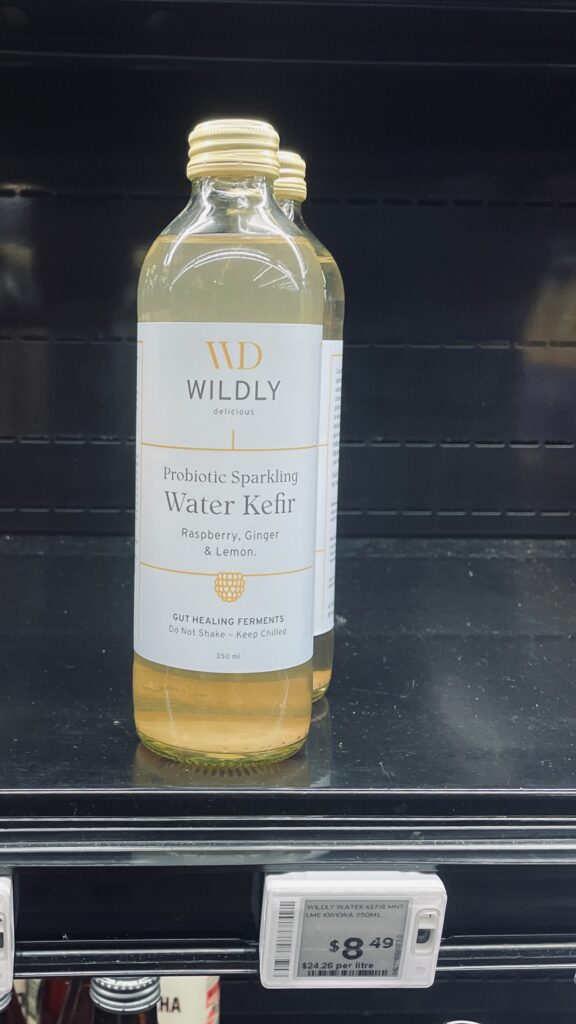
Curious, I picked it up — and that single bottle turned out to be a neat case study of how New Zealand's food culture, demographics, and economic structure converge on a shelf.
The product: Probiotic Sparkling Water Kefir — Raspberry, Lemon & Ginger (350 ml), produced locally by Wildly, a New Zealand brand focused on fermented, functional beverages.
What Exactly Is Water Kefir?
Water kefir is a fermented drink made using water kefir cultures (a symbiotic culture of bacteria and yeast), fed with natural sugars derived from dried fruit. Unlike dairy kefir, it is dairy-free, vegan, gluten-free, and naturally lightly sparkling through fermentation rather than forced carbonation.
In short, it sits somewhere between kombucha, soft drinks, and functional hydration — but without the sharp acidity or heavy flavour masking typical of kombucha.
Flavour profile: Raspberry, lemon & ginger. Ingredients:
Artesian alkaline water
Whole raspberries
Cold-pressed ginger
Fresh lemon
Dried figs & dates
Sugar & molasses (as fermentation fuel)
Water kefir culture
Dietary positioning: gluten-free, dairy-free, vegan. Sugar content: less than 1g per serving (post-fermentation).
Why This Ingredient Combination Actually Makes Sense
From a formulation perspective, this is not a random "superfood stack" but a technically coherent recipe:
- Raspberry brings polyphenols and natural acidity, supporting flavour complexity without artificial sweeteners.
- Lemon sharpens freshness and improves perceived sweetness while contributing vitamin C.
- Ginger, long associated with digestion and anti-inflammatory properties, complements fermented products both functionally and sensorially.
- Dried figs and dates are not there for flavour alone — they provide complex sugars and minerals that feed the kefir culture during fermentation (as a substitute for sugar).
- Molasses, used sparingly, adds trace minerals that support microbial activity.
The result is a beverage that tastes clean and refreshing while aligning with consumer expectations around gut health, immunity, and natural processing.
"Everything at Once" — And That's the Point!
What's impressive about this product is how many consumer needs it addresses simultaneously:
- Probiotic alternative — positioned as a substitute for capsules or powders
- Immune-supporting hydration — functional, but still drinkable
- Natural bubbles — champagne-like effervescence without CO₂ injection
- Alcohol alternative or mixer — increasingly relevant in sober-curious culture
This "multi-job" functionality is no accident — it reflects how New Zealand consumers actually shop.
Why New Zealand Is Fertile Ground for Products Like This
1. Demographics That Reward Functional Premiums. New Zealand has a median age of ~38 years, with over 83% of the population living in urban areas — concentrated in cities like Auckland and Wellington (Worldometer). This age group tends to invest in preventive health, spend more on daily wellness products, and prefer "quietly premium" items over mass indulgence.
2. Health Spending as a Cultural Norm. New Zealand spends roughly 9% of GDP on healthcare, and public discourse strongly emphasizes prevention and lifestyle health (CIA World Factbook). In this context, paying more for a probiotic drink is framed not as indulgence, but as long-term self-investment.
3. Environmental Belief, Not Just Compliance. While Europe is known for strict environmental regulation, New Zealand stands out for something subtler: deep consumer belief that environmental protection benefits daily life. Heavy glass packaging? That's not a drawback — it signals quality, reuse, and recyclability. A label screaming "no sweeteners, no additives, no artificial flavours"? That's not niche; it's expected. This mindset is deeply rooted in a society that lives close to nature and is acutely aware of its fragility.
Why Don't We See This in Europe (Yet)?
Europe has kombucha. Europe has kefir. But water kefir as a mainstream, branded, chilled beverage? Rare.
My hypothesis why: European markets are more tradition-bound in fermentation categories; health trends exist, but often remain siloed (functional = medicinal, pleasure = indulgence); and regulatory complexity plus fragmented retail landscapes slow down novel category creation.
New Zealand, by contrast, is small, agile, and culturally open — an ideal test market for products that blur category lines.
Final Thoughts
This bottle of Wildly Water Kefir is more than a drink. It's a reflection of:
- A health-literate consumer base
- Willingness to pay for preventive nutrition
- Environmental values embedded in everyday purchasing
- Younger generations redefining what "refreshment" means
Fresh, light, functional, and genuinely well-crafted — this is exactly the kind of product I would expect to succeed first in wealthy, health-obsessed, future-facing markets.
Europe may catch up. Sooner or later. Maybe later : )
New Zealand, as usual, is already drinking the future.
Sources: Worldometer — New Zealand Demographics; Statista — Median age in New Zealand; CIA World Factbook — New Zealand; product reference: Wildly Raspberry, Lemon & Ginger Water Kefir.