Maximizing the Shelf: The Dual Role of SRP in the Shopping Act
The collective packaging carton — often referred to as Shelf-Ready Packaging (SRP) or Retail-Ready Packaging (RRP) — has evolved from a mere shipping necessity into a critical touchpoint of the shopping act.
In modern retail, particularly within discounters like Aldi or Lidl, store staff rarely unpack individual units. Instead, the entire carton is placed directly onto the shelf. This means the carton is the "first face" the consumer sees. If designed poorly, it becomes a barrier; if designed brilliantly, it acts as a silent salesman that bridges the gap between a logistics necessity and a marketing powerhouse.
The primary function of any collective packaging is protection. It must safeguard the product through an impressive journey: from the high-speed vibrations of a factory conveyor belt to the stacking pressures in a Distribution Center (DC), and finally, the manual handling during store replenishment.
A carton that collapses under its own weight or tears during transit doesn't just damage the product; it damages the brand's perceived quality before a customer even touches it.
The engineering must ensure that every centimeter of corrugated board provides maximum vertical strength while remaining easy to open without any sharp tool, which could accidentally puncture the primary pouches inside.
The Human Factor — UX for Store Staff
We often overlook the "internal customer" — the store staff. If a case is difficult to grip, lacks clear "this side up" indicators, or has a perforated opening that requires a Herculean effort to tear, it will be handled roughly. Poorly designed cartons lead to "shelf-gore," where jagged cardboard edges or half-torn flaps obscure the product.
A staff-friendly design includes intuitive hand-holes and "easy-open" features that allow for a clean, one-motion removal of the hood. When the staff finds a carton easy to work with, the product is more likely to be replenished promptly and positioned correctly on the shelf.
The Shopper's Perspective: Frictionless Interaction
From a User Experience (UX) perspective, the carton must facilitate an effortless "grab-and-go" motion. We want to eliminate any physical tension at the moment of the buying decision!
If the front lip of the carton is too high, it hides the product itself and it is difficult to grab it quickly;
if it is too low, the products might tumble forward.
The ideal design uses a "low-cut" front that showcases the primary packaging while providing enough of a "tray" to keep the units upright and organized.
This ensures that even when the carton is half-empty, it doesn't look like a chaotic bin of discarded items.
Marketing on the Edge: Eye-Catching Communication
The outer layer is prime real estate for marketing. In a sea of brown or white cardboard, color is your strongest weapon.
It should either match the brand's core palette or provide a high-contrast backdrop that makes the product "pop." Beyond aesthetics, the carton must communicate the "Reason to Buy" in large, legible fonts that can be read from two meters away.
Highlighting benefits like "No Added Sugar!" or "High Protein" on the tray lip reinforces the message on the pouch.
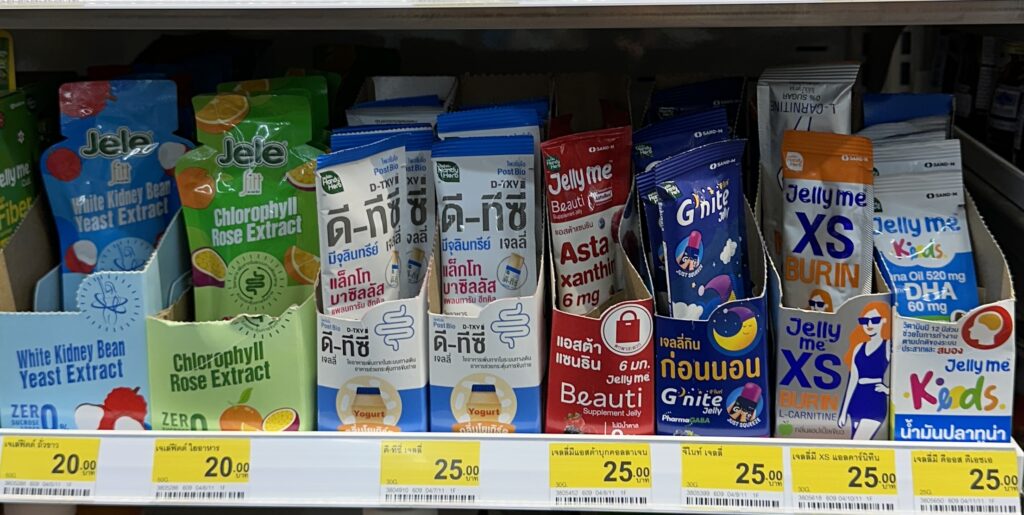
Furthermore, a strong Call to Action (CTA) like "Try Me!" or "New Flavor" can trigger an impulse purchase that the primary packaging alone might miss.
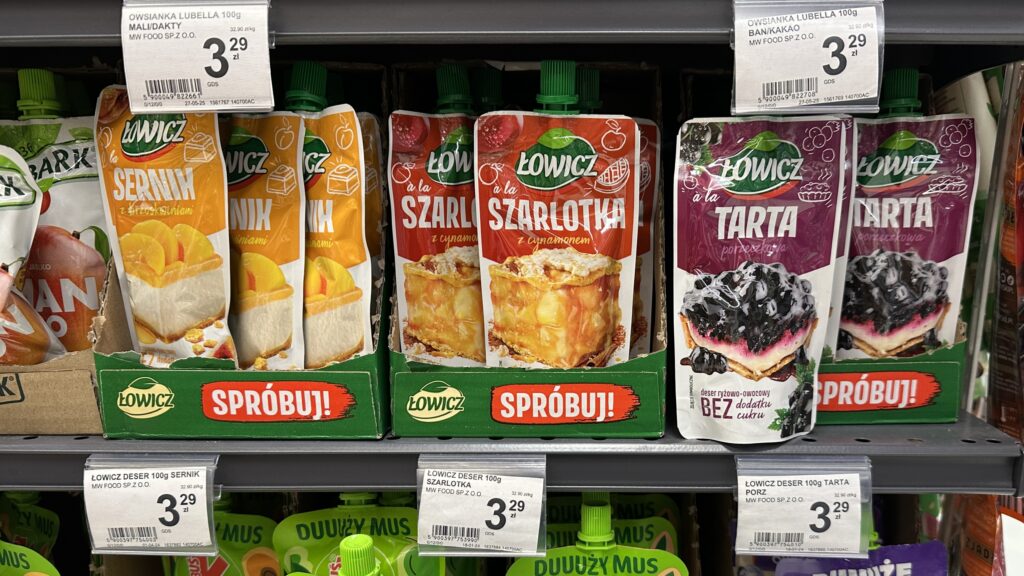
Analysis of Real-World Examples
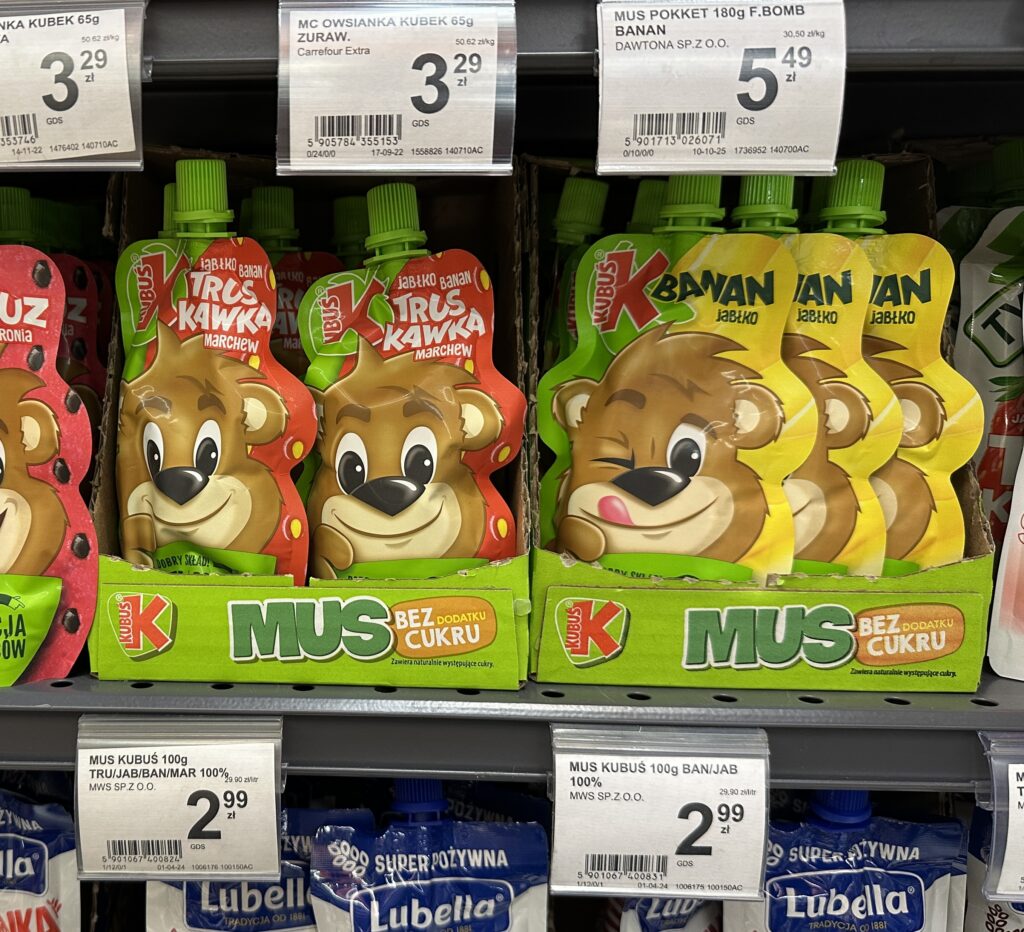
The Good: The Kubuś carton is a benchmark for effective SRP.
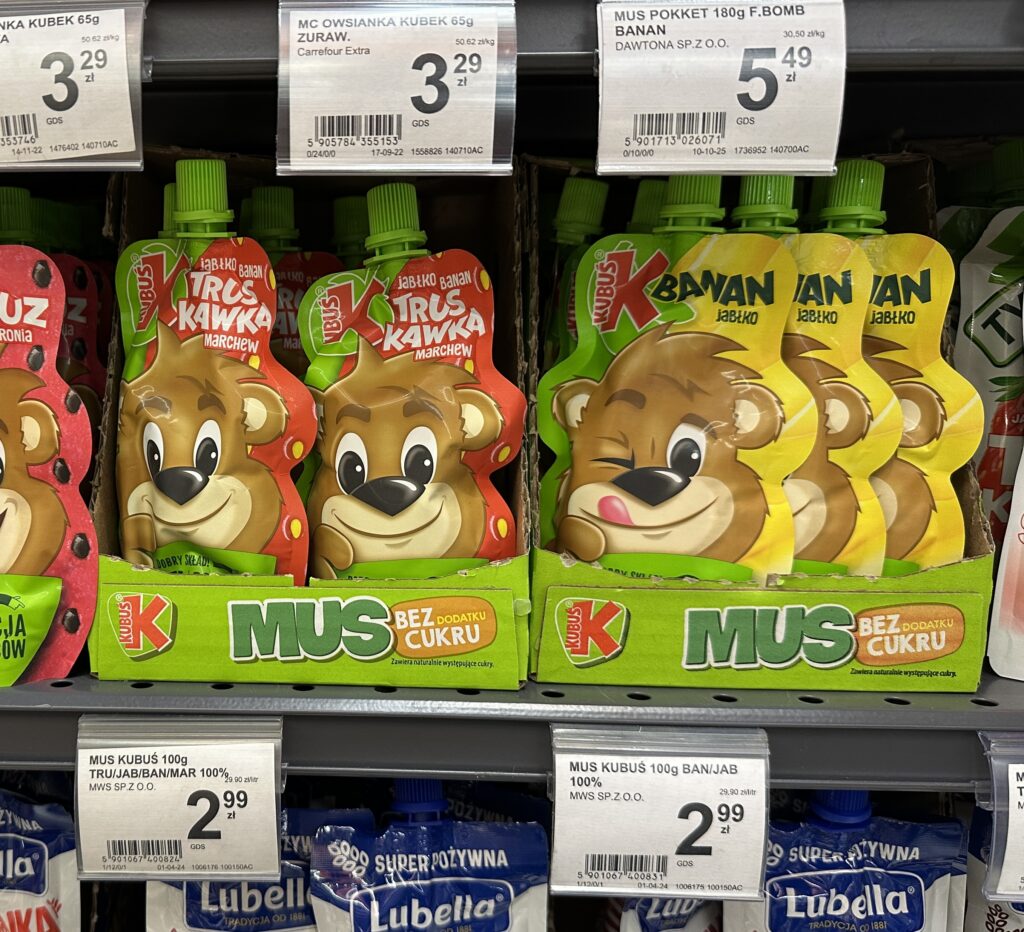
- The bright green color perfectly aligns with the brand's "natural/fruit" identity.
- The tray lip is used strategically to scream "BEZ DODATKU CUKRU" (No Added Sugar). This is a critical benefit for parents.
- The die-cut is clean, and the height of the front wall is perfectly calibrated — it holds the flexible pouches upright so the characters' faces are always visible, yet it doesn't hide the product name. It utilizes every centimeter of the front-facing "lip" to communicate value.
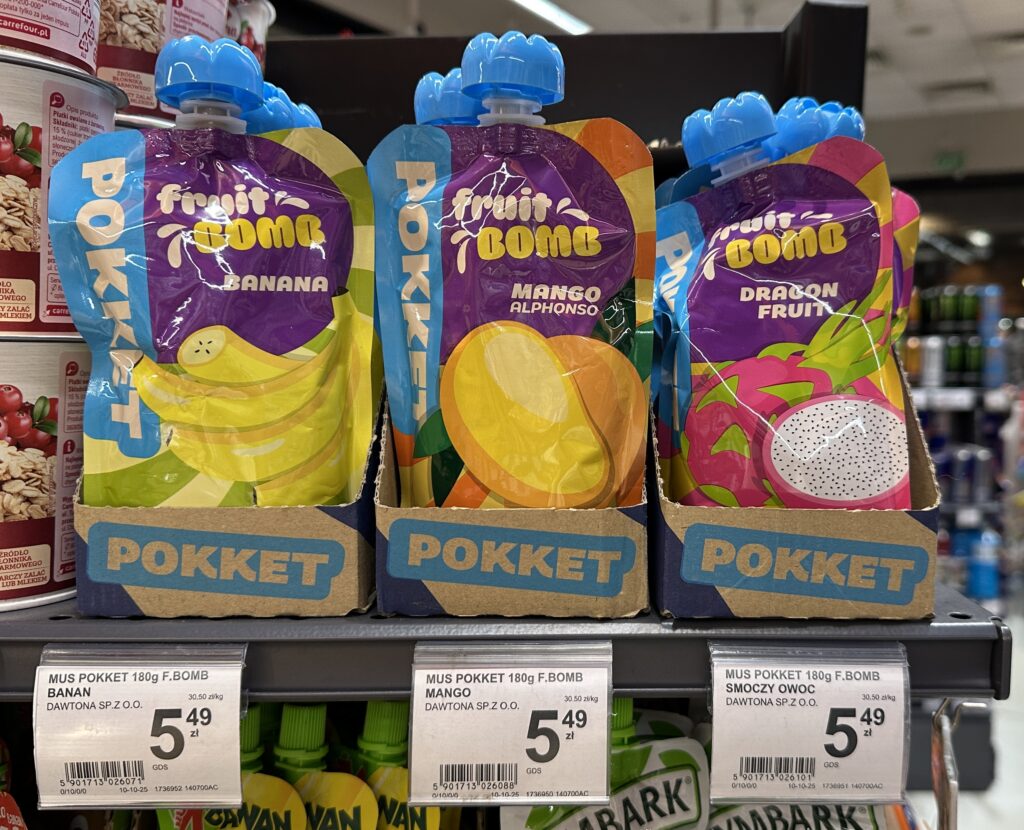
The Bad: Pokett Fruit Bomb. While the design of the product itself seems modern, the execution of the collective carton leaves room for improvement.
- The carton doesn't give any message. The only thing included is the logo of the brand, that's all.
- The carton's grey/brown color doesn't catch the eye; it is extremely boring in comparison to the product in exotic flavours. I would expect here something more "screaming," maybe even neon color to give the product an even more "exotic vibe."
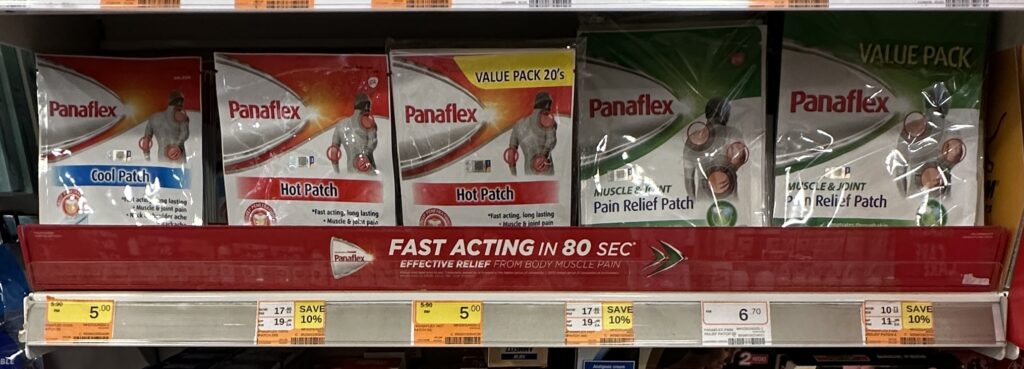
The Good: Panaflex. This is a classic example of a "Value Pack" display.
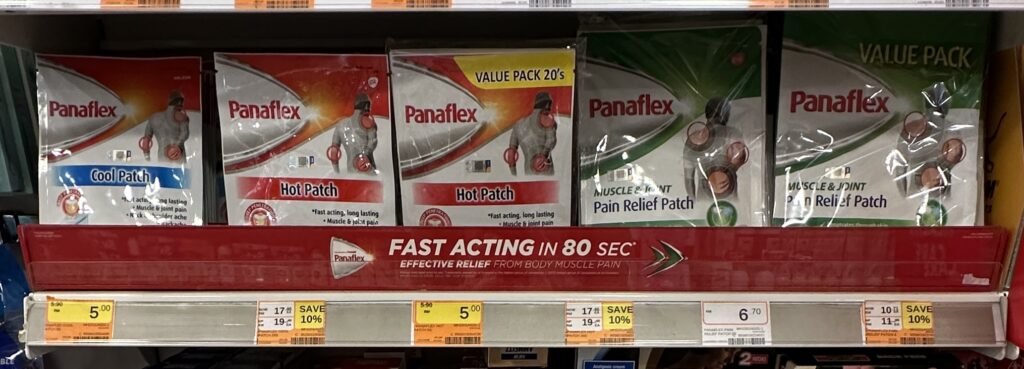
The red "FAST ACTING IN 80 SEC" banner is a brilliant use of the shelf edge. It creates a secondary communication layer that sits below the product.
A lot of bad examples:
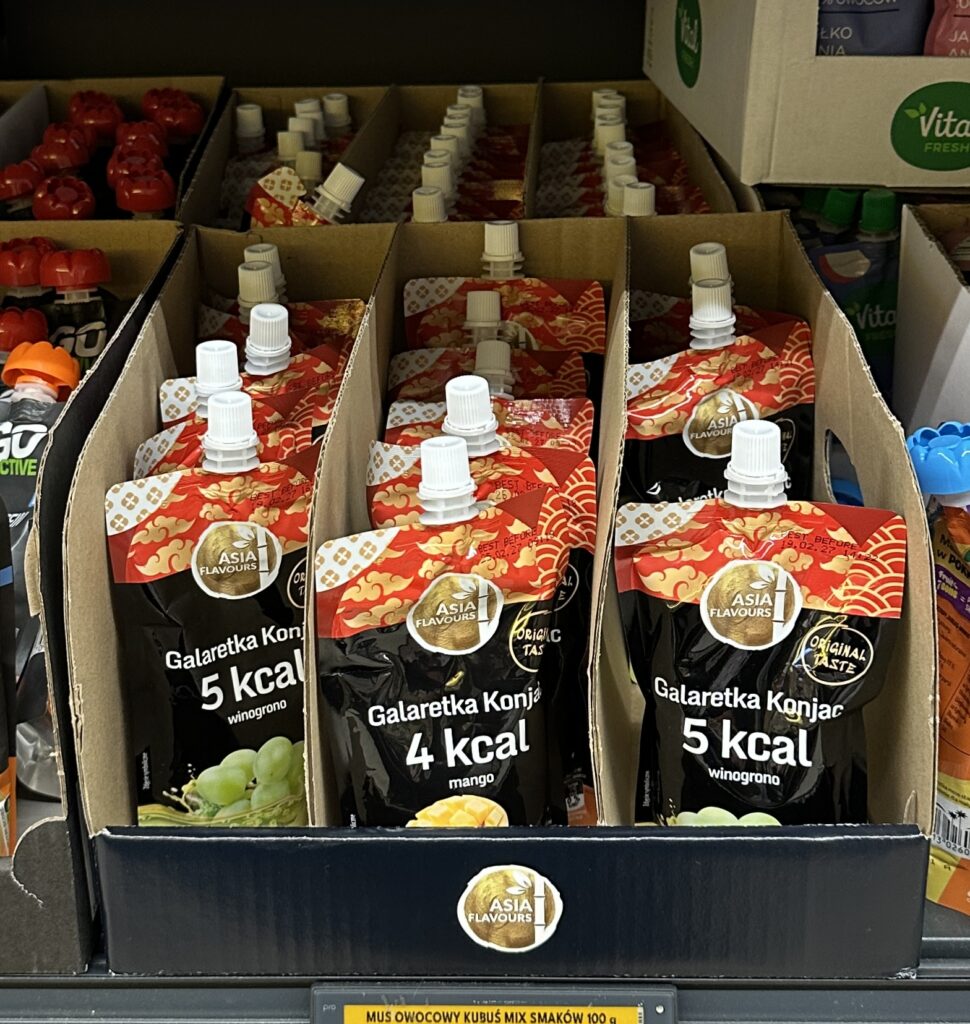
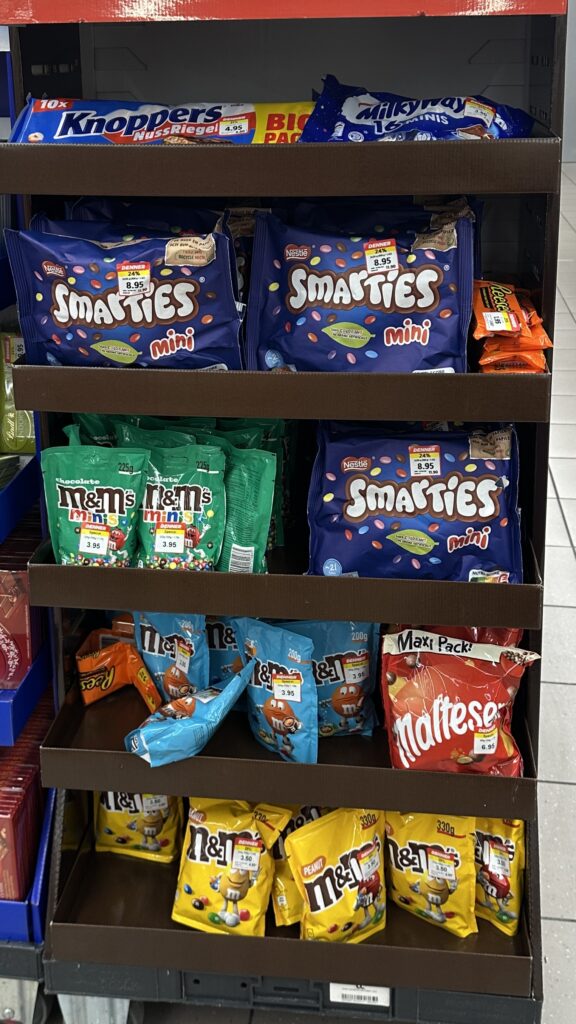
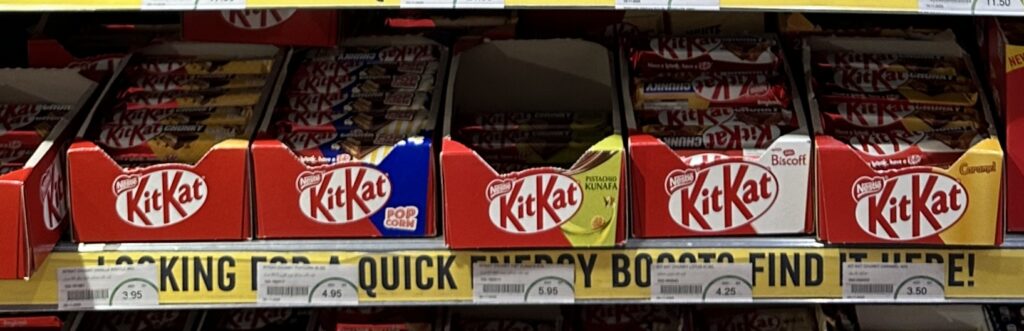
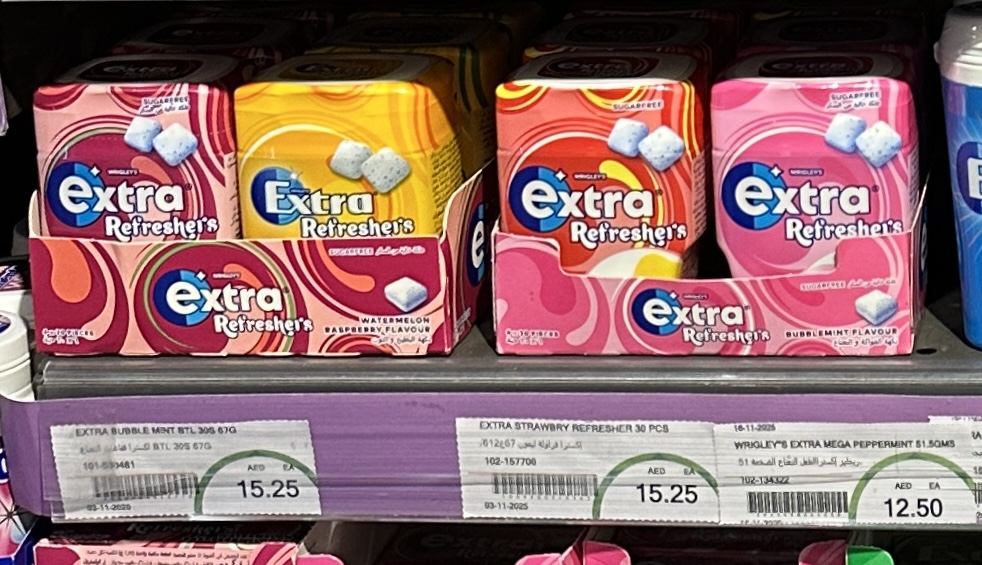
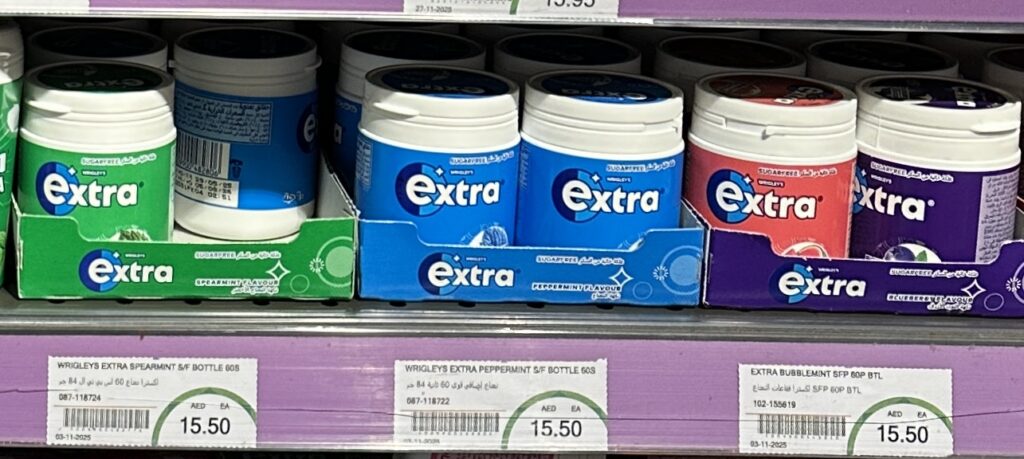
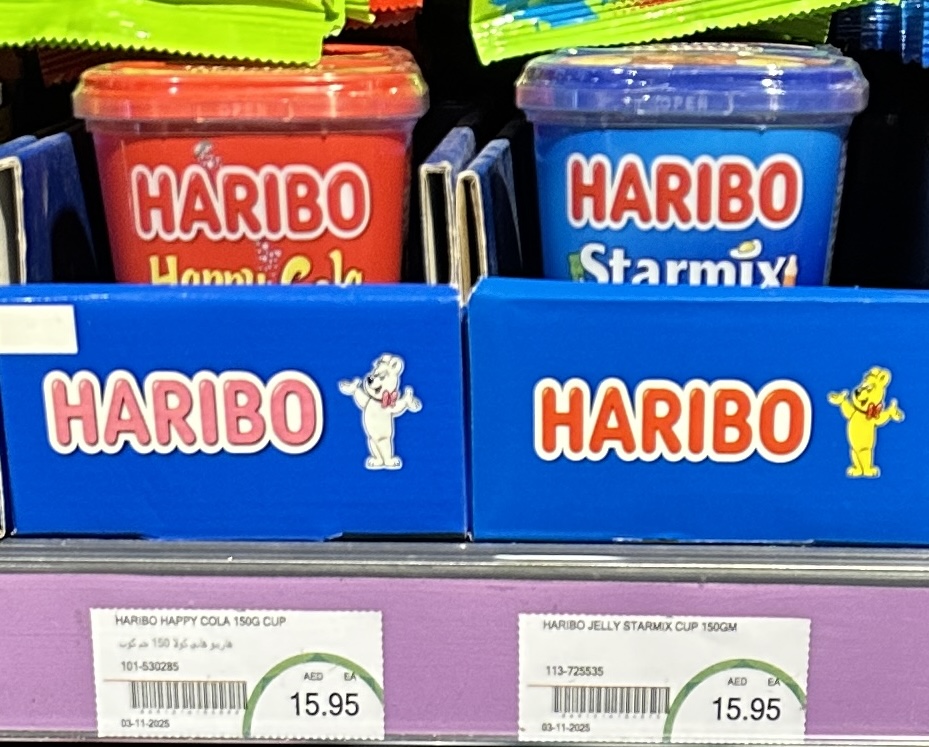
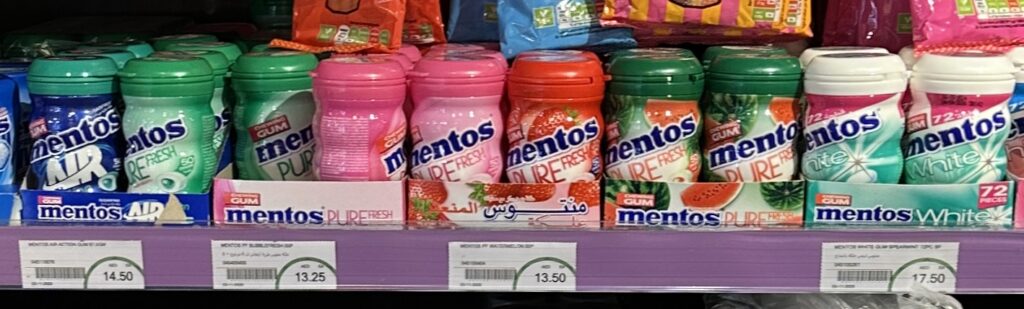
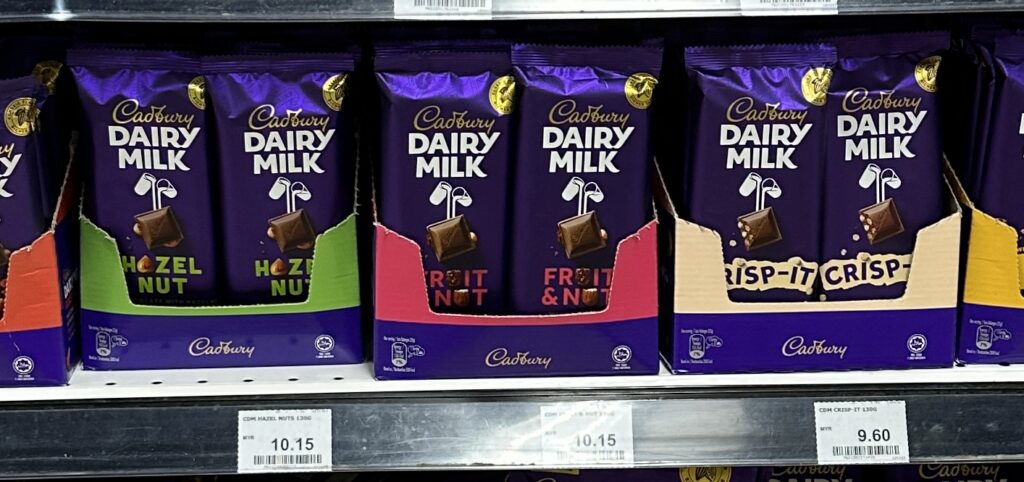
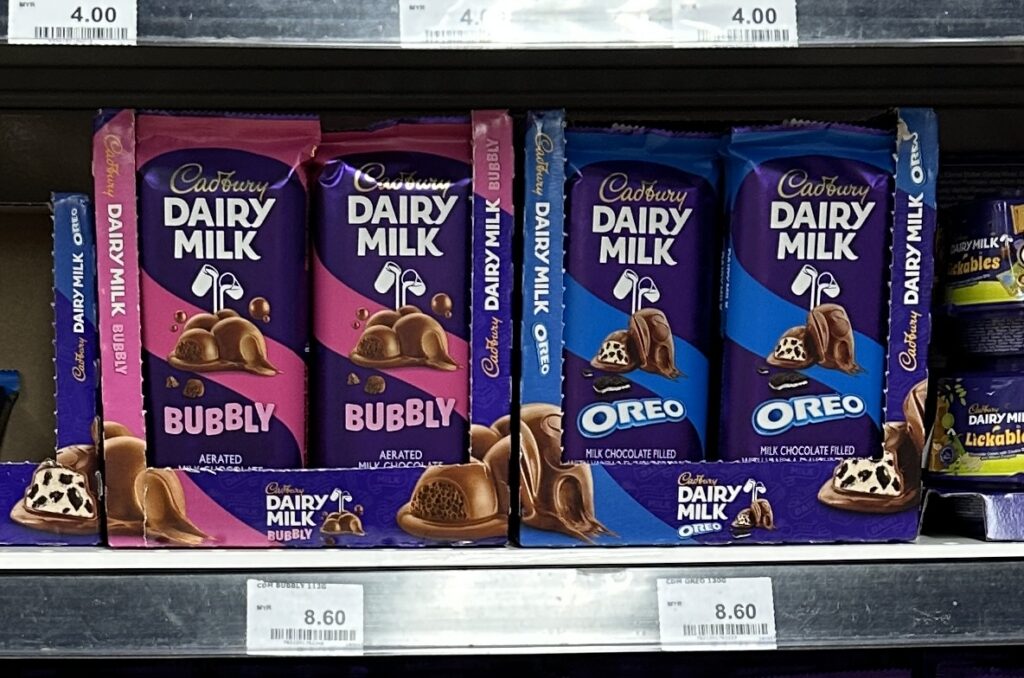
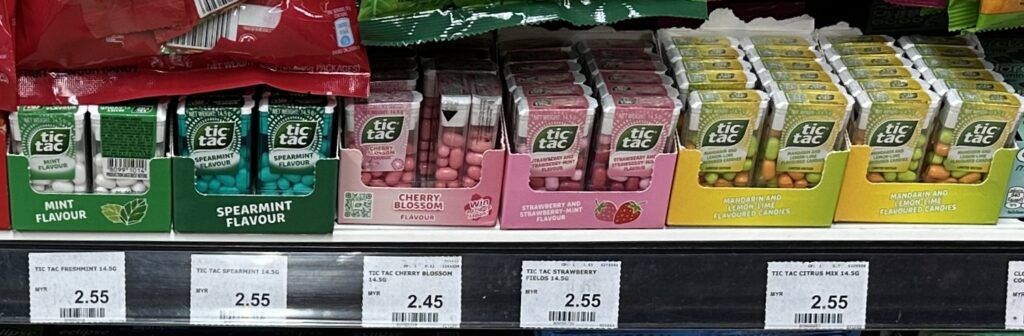
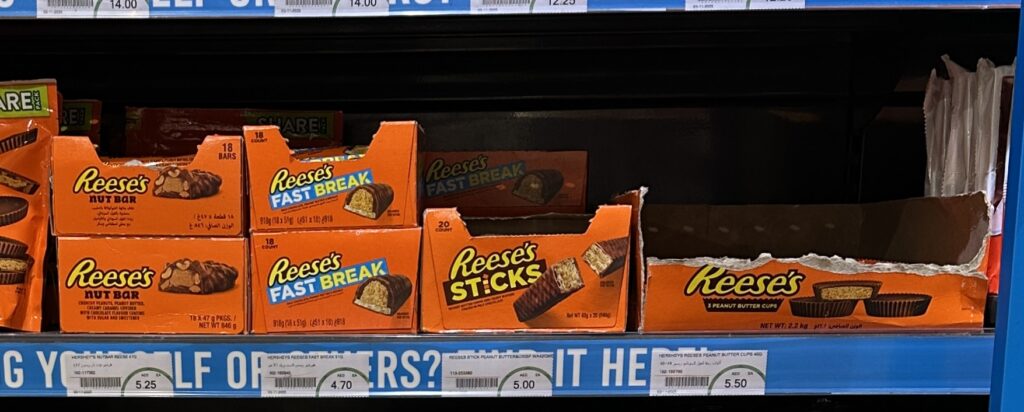
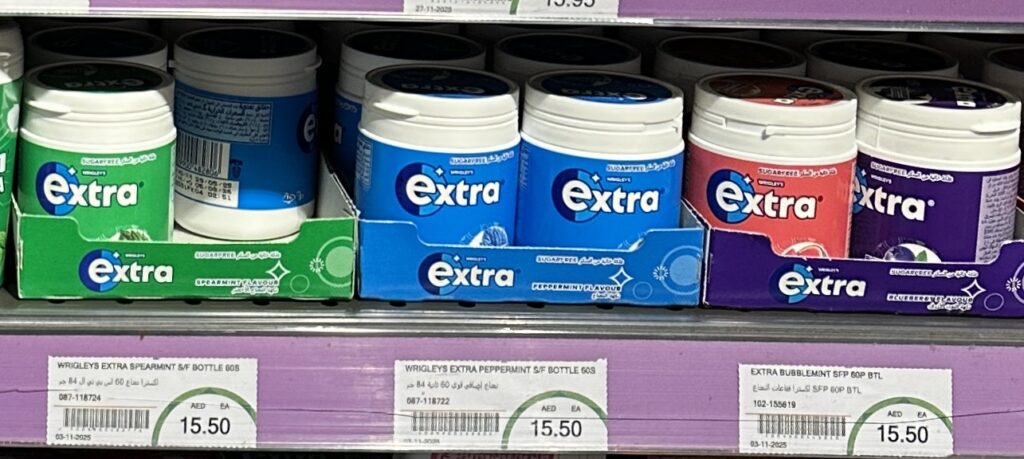
- Redundancy — Repeating the brand name 5 times in 10 centimeters. What's the point?
- Shadowing — High carton walls that turn products into "hidden treasures."
- Dead Space — Leaving a huge % of the vertical shelf height empty and unbranded.
- Lack of Hierarchy — No clear "hero" message, just a chaotic repetition of logos.
In conclusion, the collective carton is not just a box; it is a multifunctional tool.
To succeed, it must: protect the goods, respect the worker, invite the shopper, and shout the brand's message.
In the battle for the "First Moment of Truth," the carton is often the deciding factor in whether a product moves from the shelf to the basket.