While the world is currently obsessed with the soft pinks of Japan’s cherry blossoms, the FMCG aisles are blushing a very different color: Matcha Green.
It feels as though we’ve blinked and the “Pistachio Fever” of last year has been seamlessly swapped for a “Matcha Obsession”. It is nearly impossible to navigate a store today without spotting a “green innovation” on every second shelf.
The formula for a 2026 hit seems deceptively simple:
- take your bestseller,
- add a dash of matcha,
- wrap it in forest-green branding,
- …and watch it fly. Voilà!
Let’s look at who is winning the green rush and where matcha actually makes sense but hasn’t arrived yet.
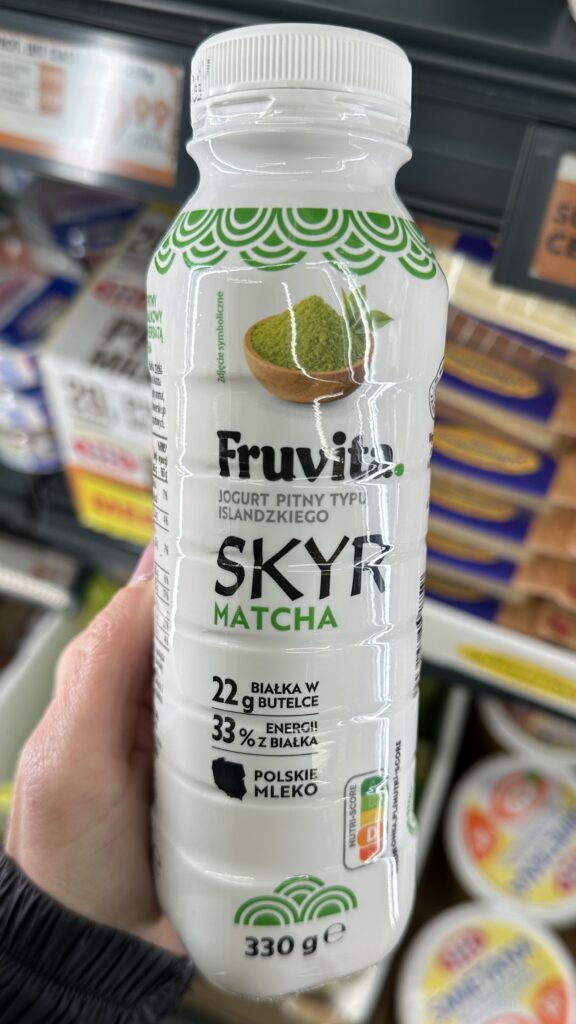
- Skyr Drink
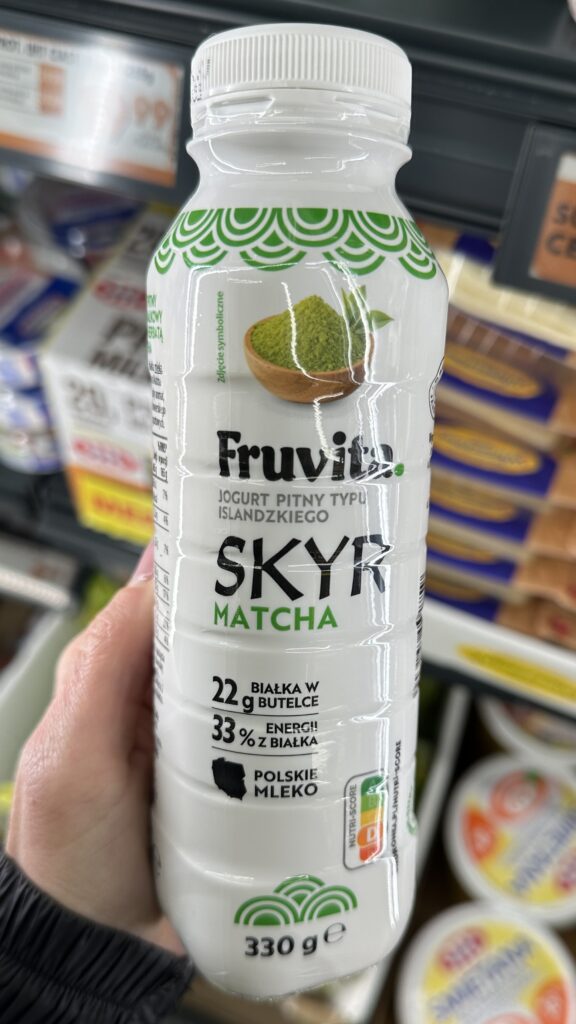
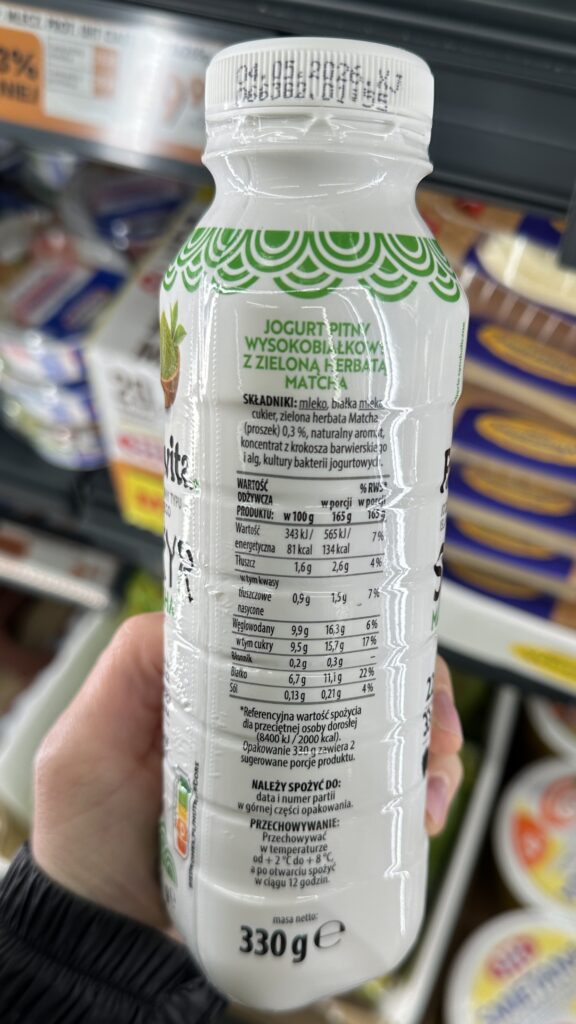
The combination of a high-protein Icelandic-style yogurt with this specific tea infusion is a brilliant move that targets the “modern achiever” persona—someone looking for functional health benefits (high protein) and a mental boost in a convenient, on-the-go format. While the packaging design maintains a clean, typical of Biedronka’s private label, the highlight of 22g of protein justifies the price point for the Polish market, where high-protein dairy remains a premium-yet-accessible staple for health-conscious consumers. This product successfully bridges the gap between a traditional snack and a functional supplement, making it a highly relevant addition to the competitive “fit” segment of local retail shelves.
2. Plant Based Drink
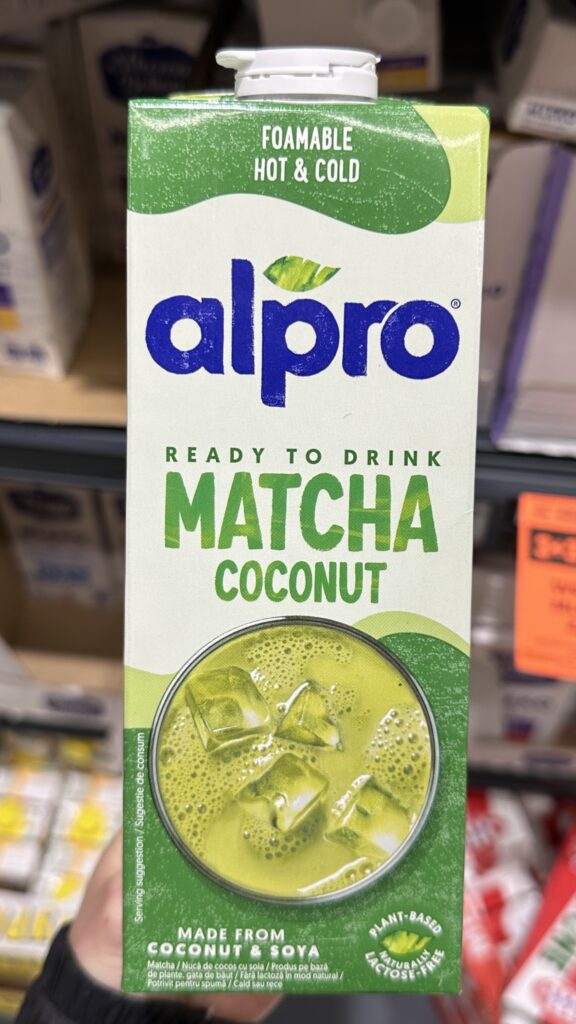
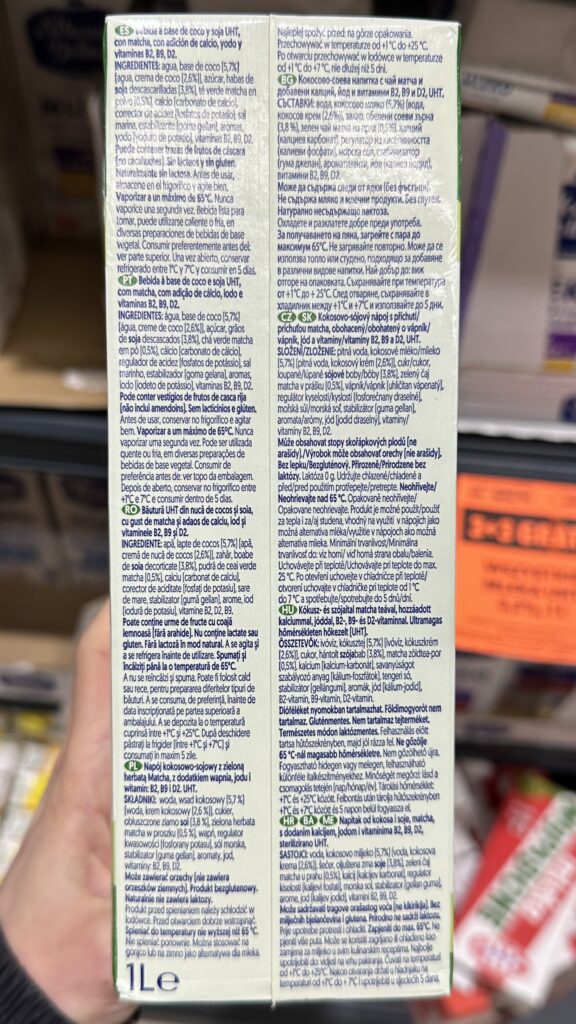
This is a calculated move by Alpro to dominate the “home-barista” segment, offering a foamable, ready-to-drink solution that eliminates the hassle of manual mixing for the urban Gen Z and Millennial target who value aesthetic, plant-based lifestyle rituals. The vibrant, clean packaging design perfectly signals freshness and high-tier positioning. The product’s strength lies in its versatility—being equally functional for iced Summer drinks or hot lattes—making it a sophisticated, staple for the modern health-conscious pantry.
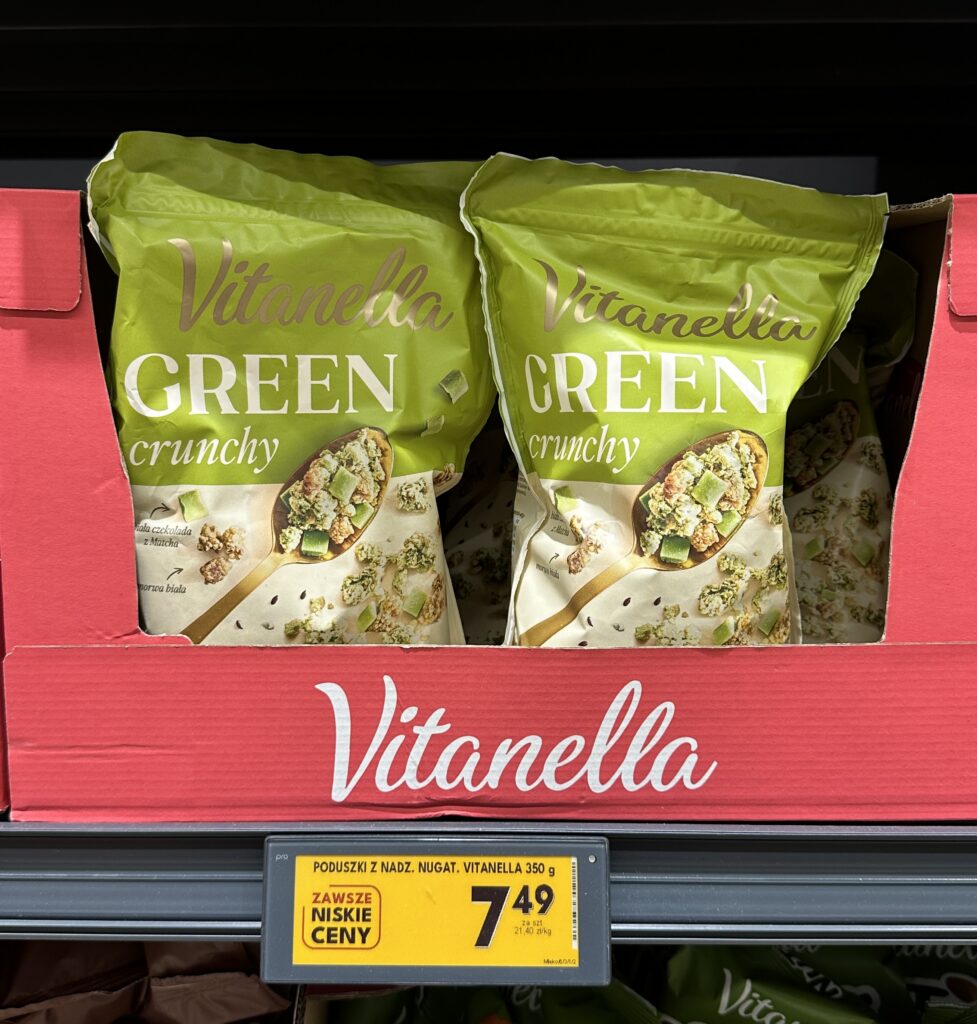
3.Muesli Crunchy
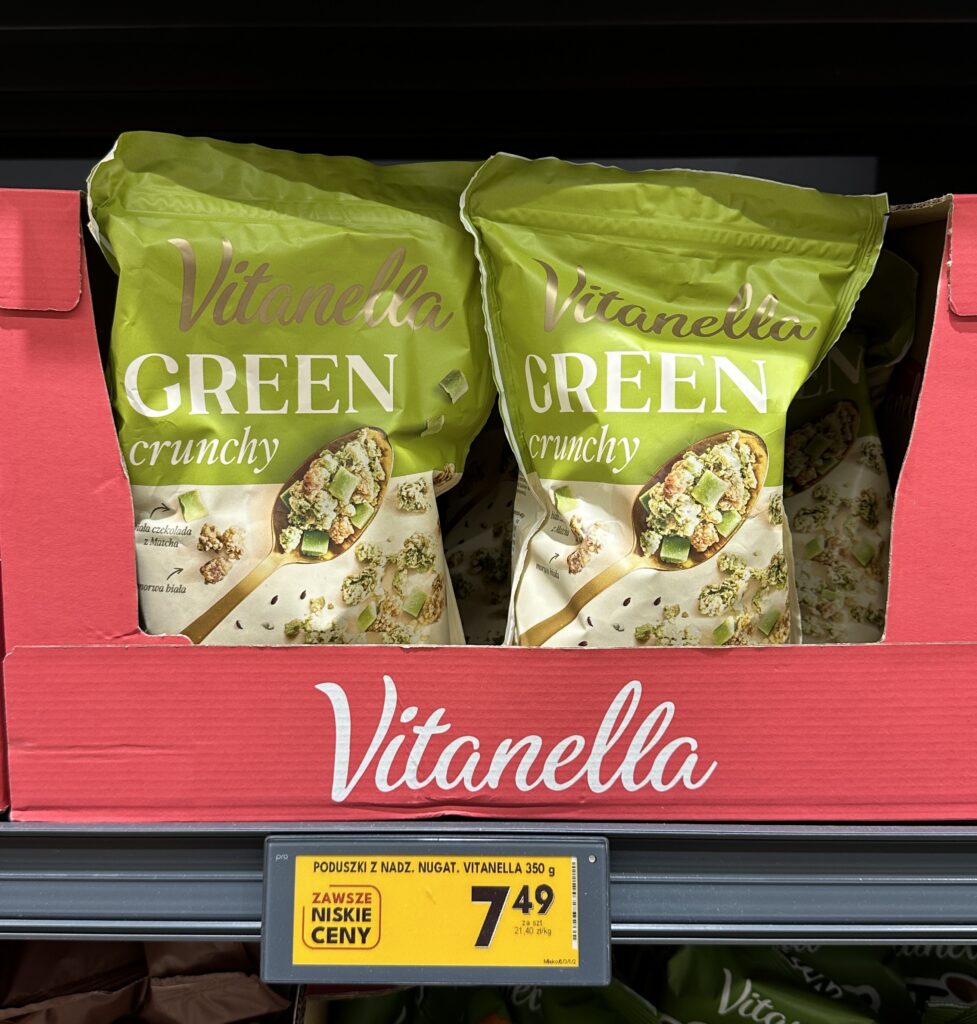
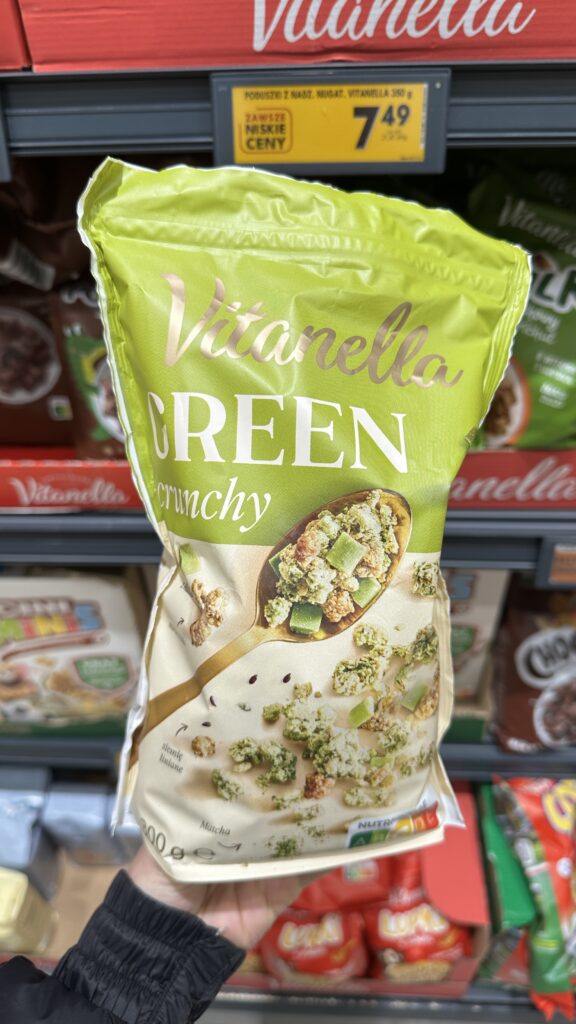
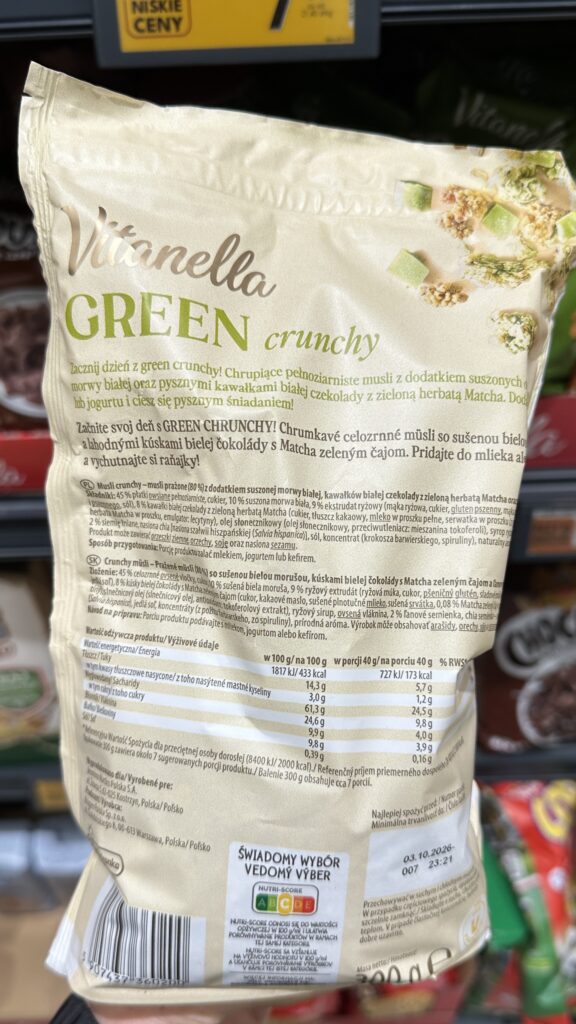
The inclusion of white chocolate with matcha and dried white mulberry in this crunchy granola creates a unique flavor profile that elevates a standard breakfast category into a more dessert-like experience. The soft green and cream packaging design effectively communicates a “natural” yet indulgent identity, standing out on shelves while maintaining the approachable brand recognition. Priced at 7.49 PLN for a 300g-350g bag, this product offers excellent value for the Polish market, successfully democratizing a trendy, cafe-style flavor combination for the mass consumer.
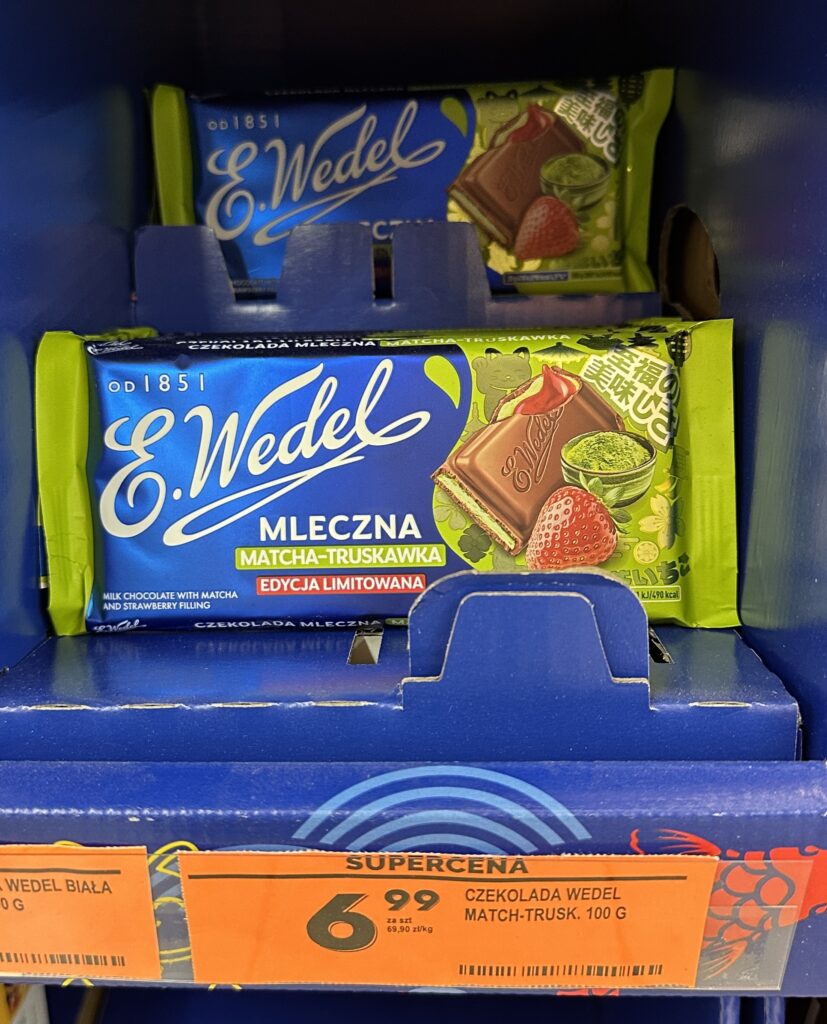
4. Chocolate table
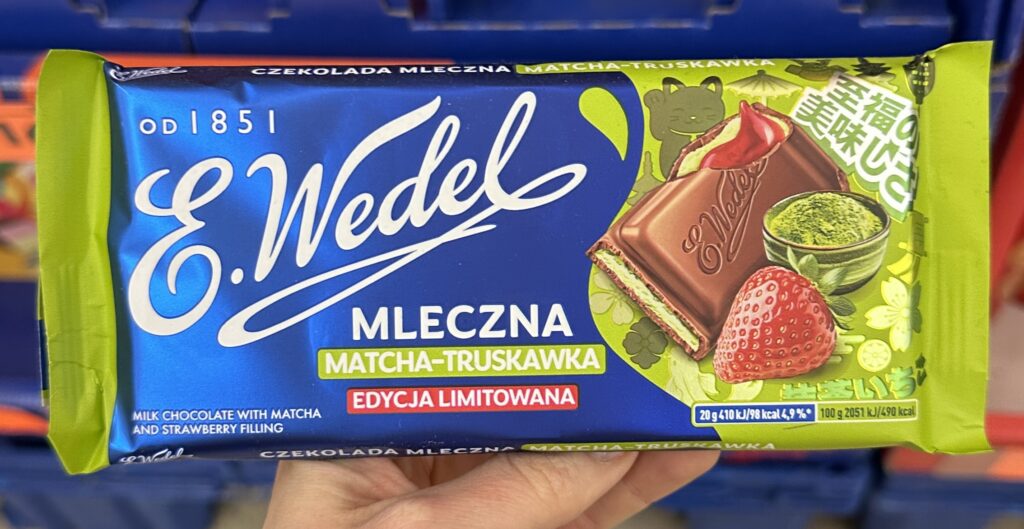
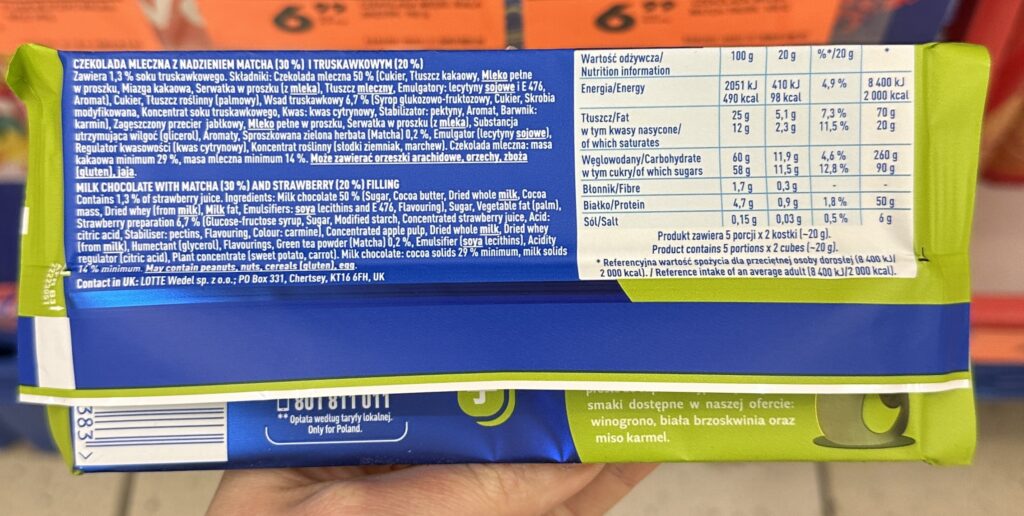
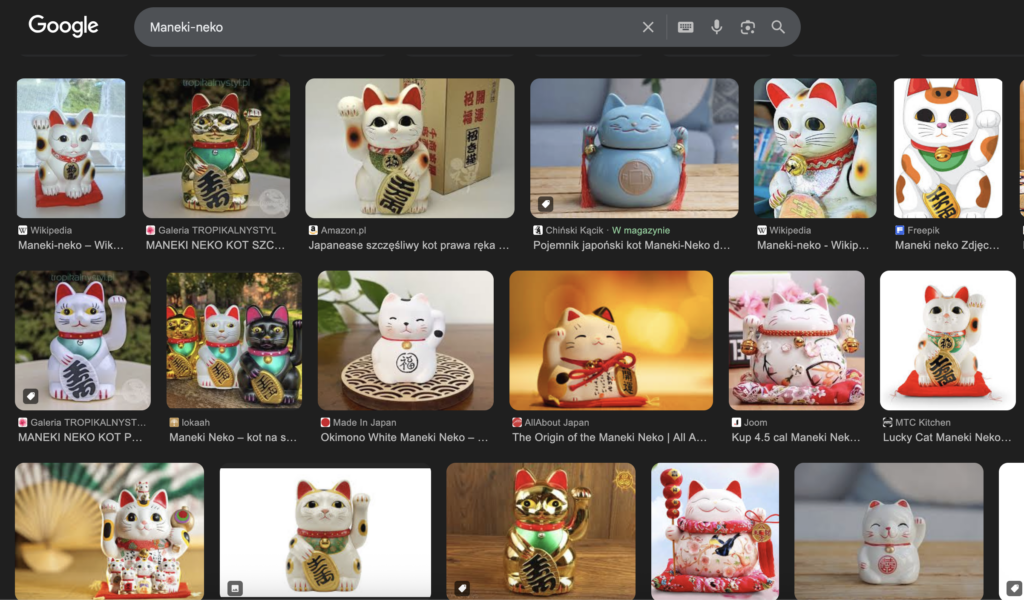
E. Wedel’s limited-edition fusion of milk chocolate with strawberry and matcha filling is a masterclass in “oriental-chic” marketing, successfully blending traditional chocolate table with a trendy Japanese-inspired aesthetic. The packaging design is exceptionally vibrant, using pop-art illustrations and Maneki-neko motifs.
At a price of 6.99 PLN, it is positioned as an “affordable luxury” impulse buy, offering a high-perceived value that justifies the slight markup over classic flavor variants.
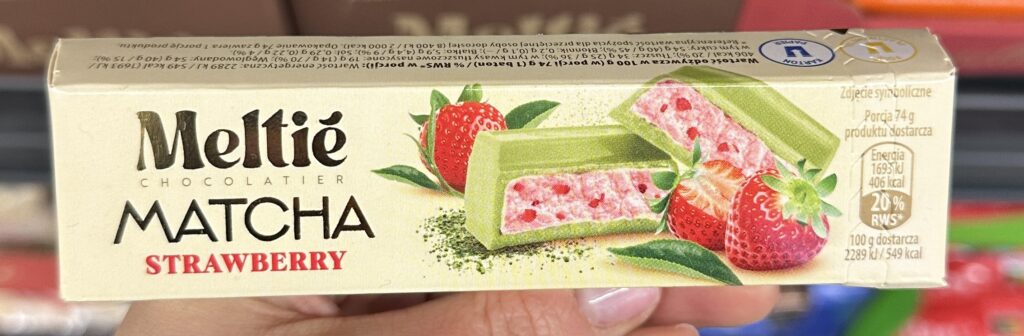
5. White Chocolate Bar
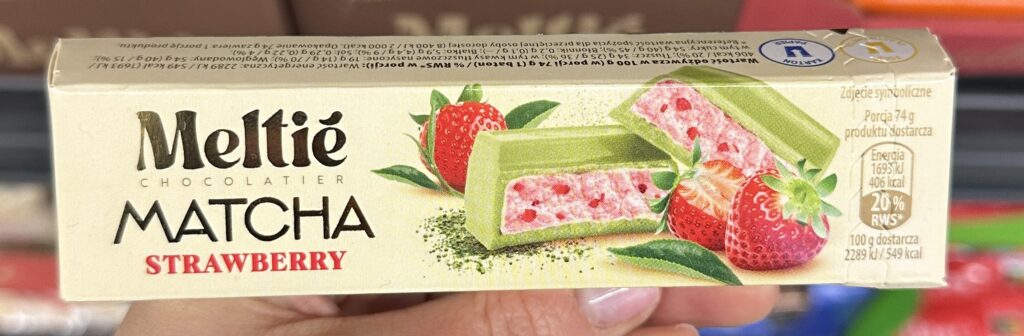
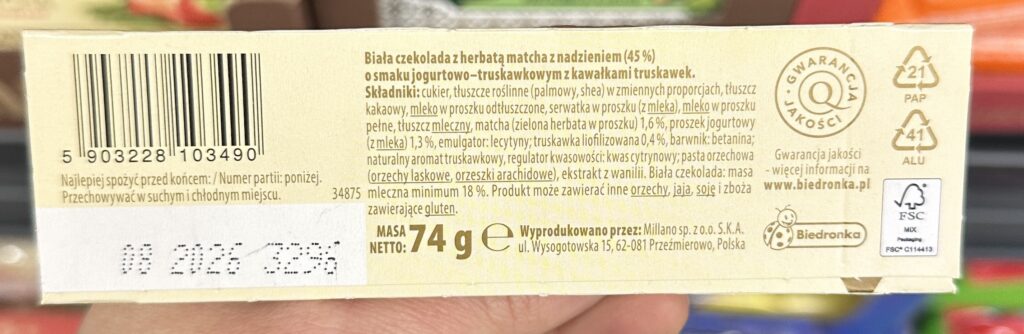
The pairing of a white chocolate-matcha shell with a yogurt-strawberry filling makes perfect sense as it balances earthy bitterness with creamy acidity, specifically targeting the price-sensitive “lifestyle explorer” as this is private label product. Carton remains in neutral colours, only “green” element is product display at the front. Given the 74g it is almost same as the traditional chocolate tables.
6. Matcha itself
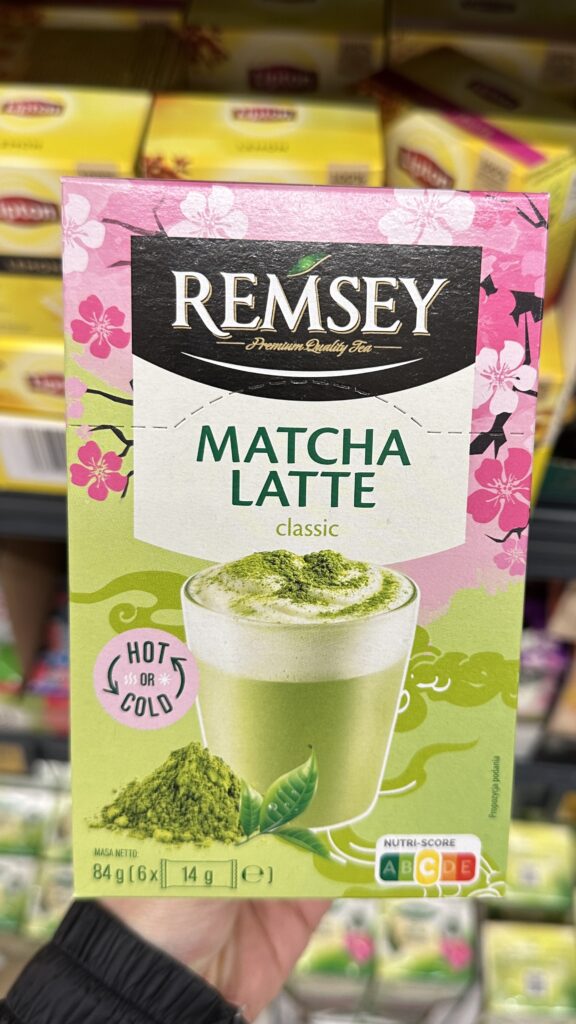
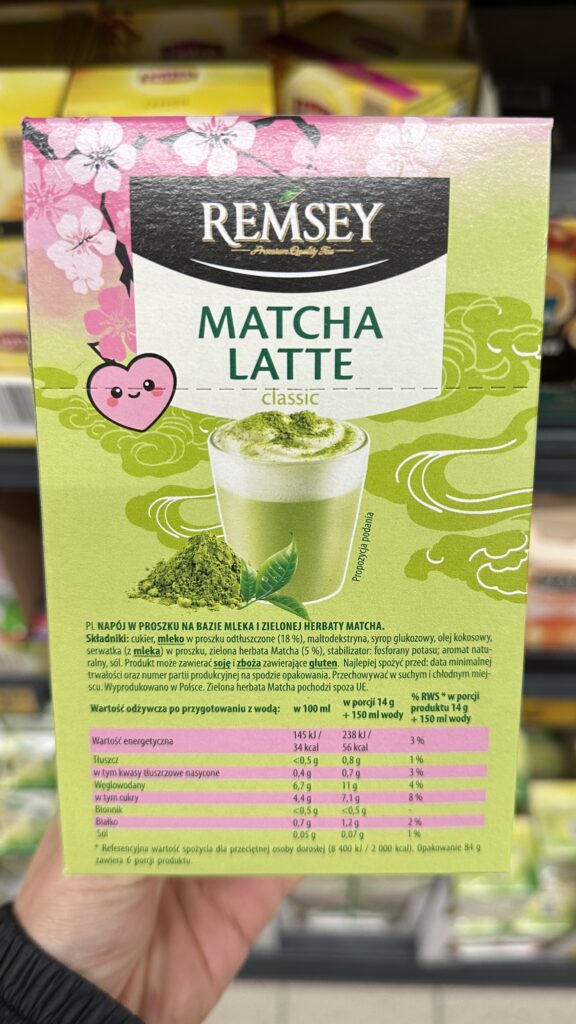
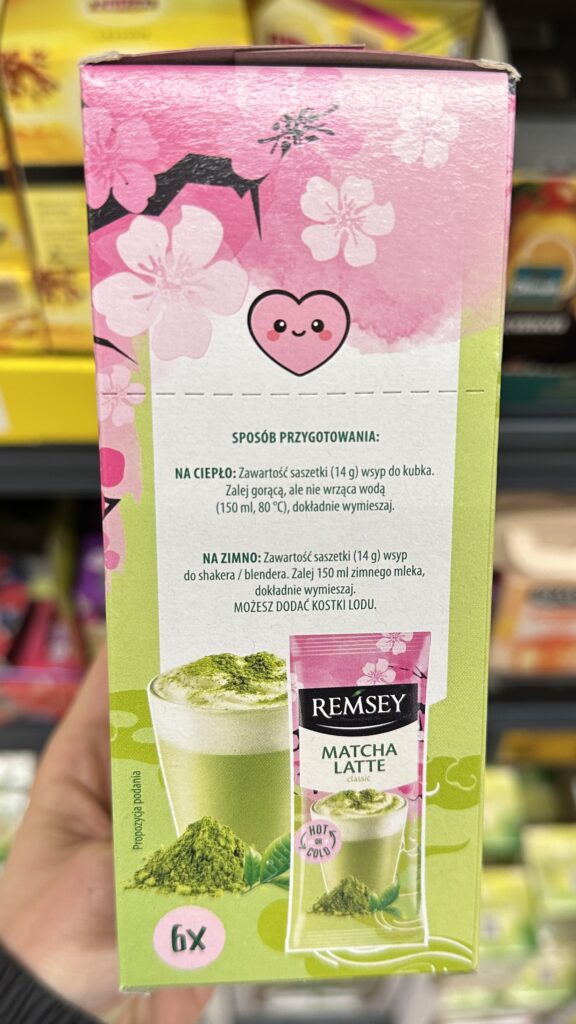
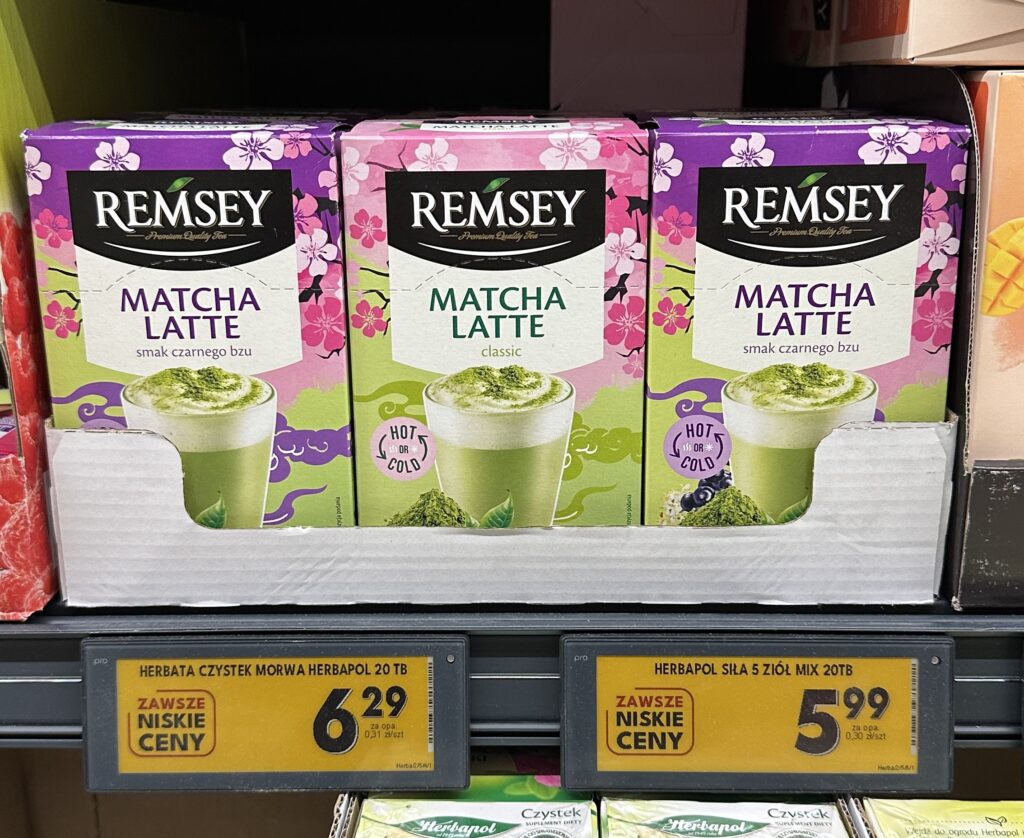
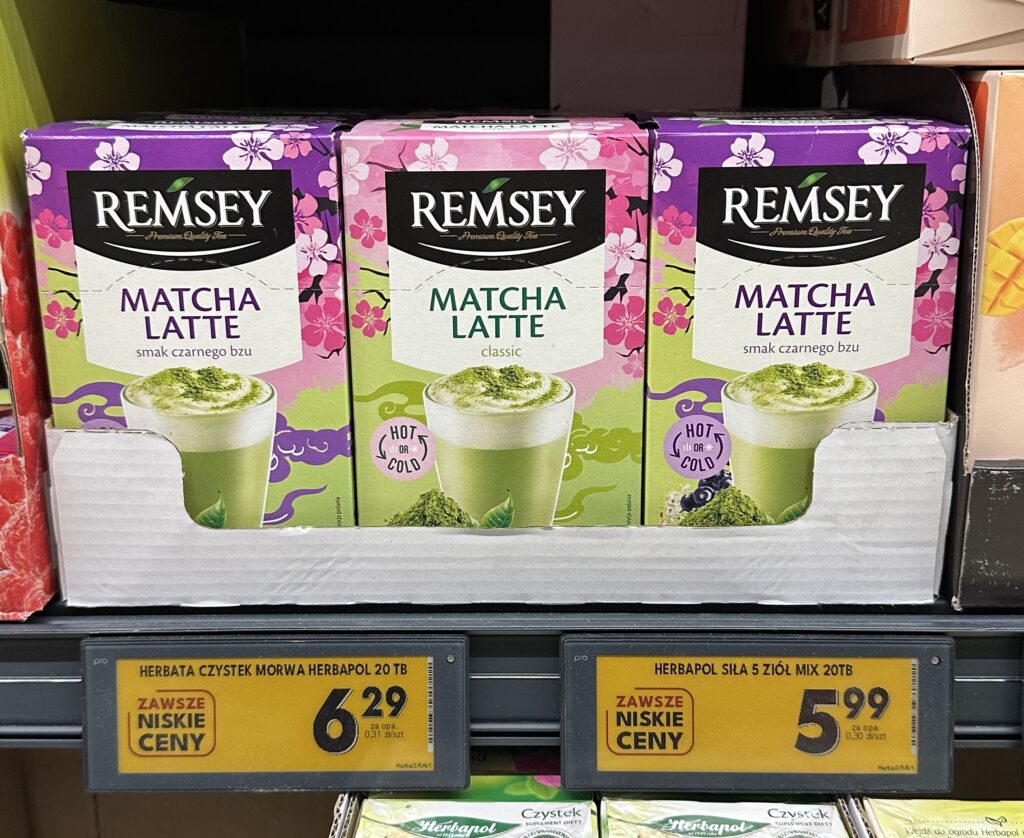
This is a smart market entry for Biedronka’s private label, offering a low-barrier way for mass-market consumers to experiment with trending café flavors at home without requiring specialized equipment or expensive milk alternatives. The target persona is a budget-conscious Gen Z or Millennial shopper who follows global wellness trends but prefers the convenience and price point of a discount supermarket over a specialty coffee house. This product is highly reasonable for the Polish reality, as it offers a “luxury” café experience for a fraction of the 20+ PLN price per serving often found in cities like Warsaw. The packaging design is effective, utilizing “Kawaii” aesthetics and cherry blossom motifs to signal lifestyle appeal, while clearly communicating versatility through “Hot or Cold” preparation icons.
7. Soufflé Chocolates
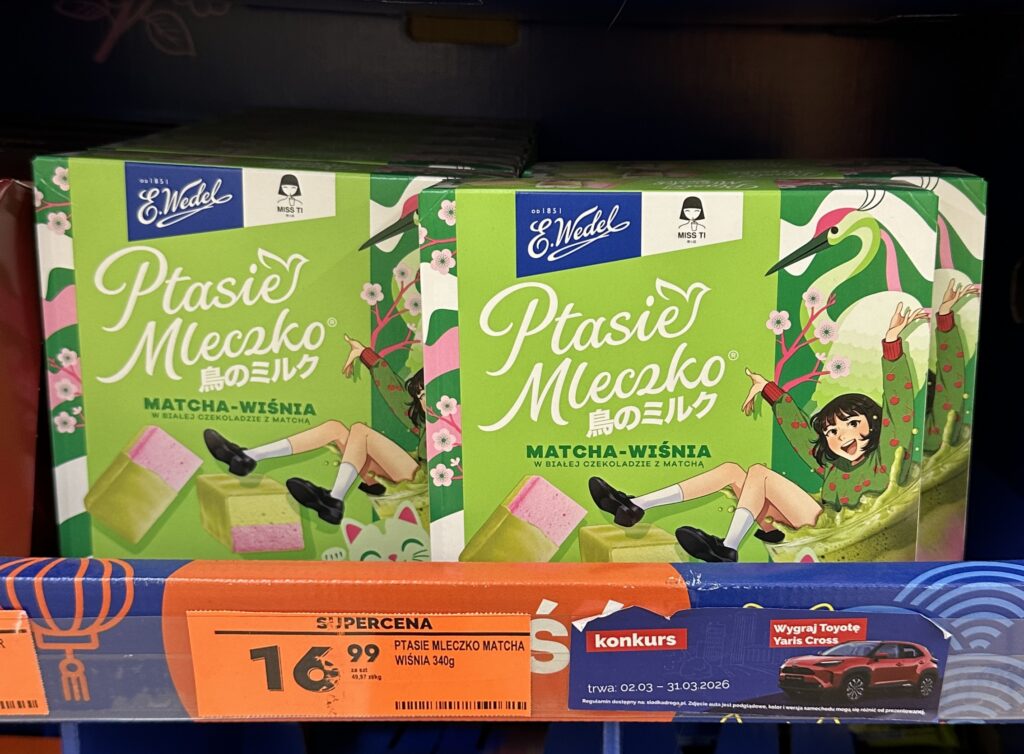
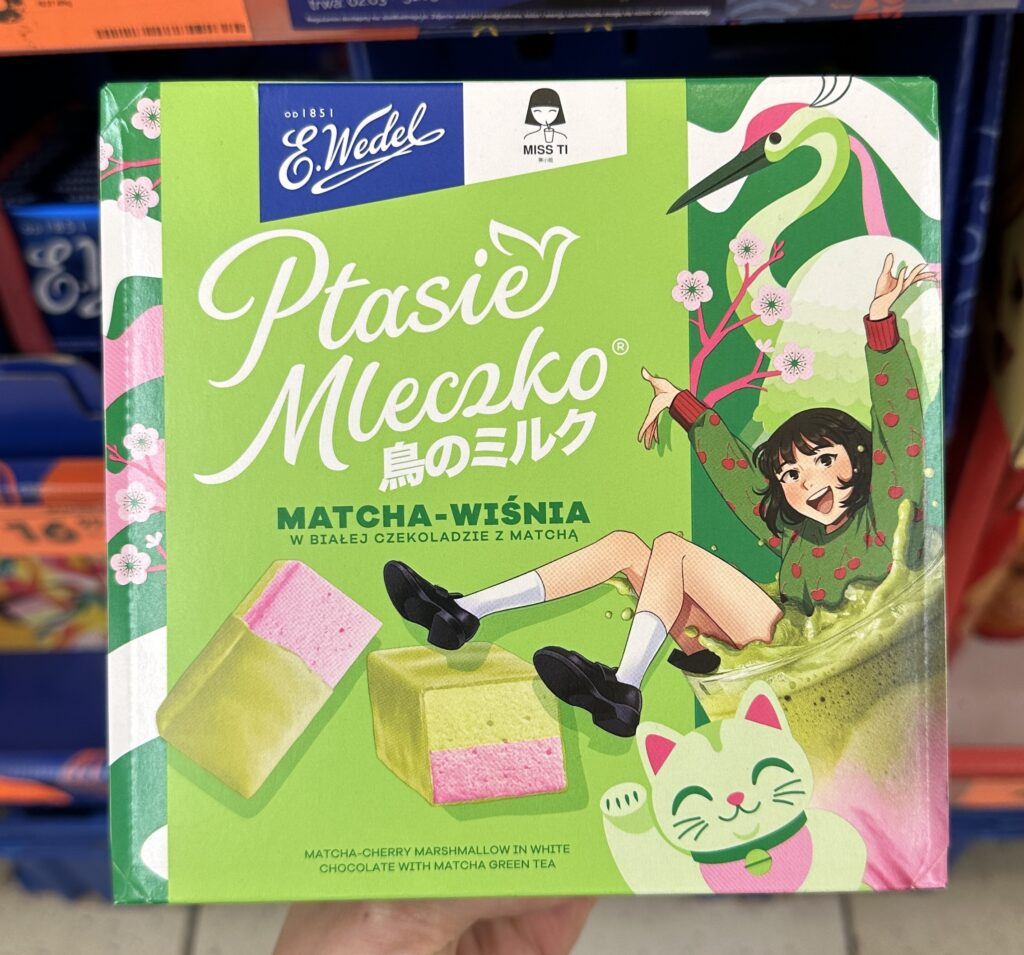
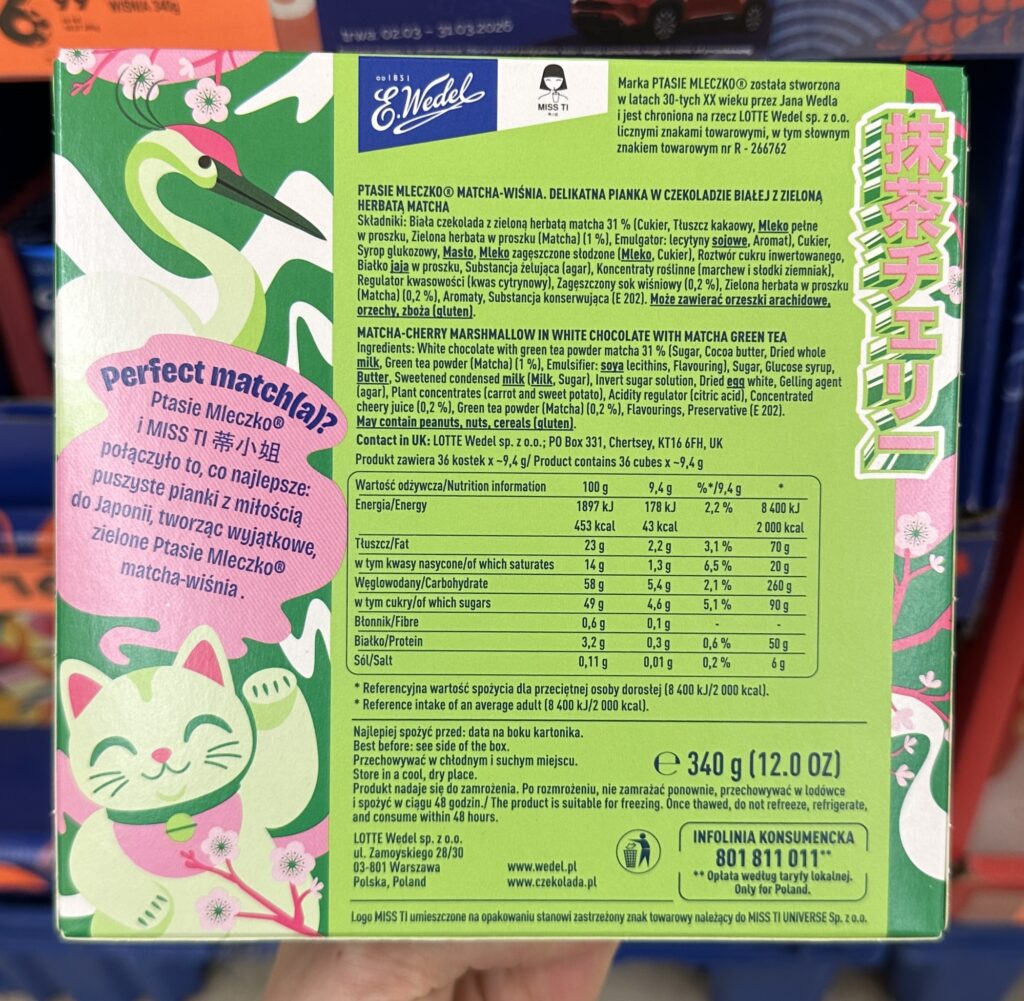
This product successfully bridge the gap between a beloved Polish tradition and the modern “functional flavor” trend, though its execution leans heavily on visual novelty. The target persona is clearly the younger, “online” consumer who values aesthetic novelty, making the 16.99 PLN price point a reasonable “treat” for a limited-time experience. However, the packaging design is visually chaotic; it attempts to blend too many disparate elements—classical heritage branding, anime illustrations, and high-contrast color blocking—resulting in a cluttered hierarchy.
8. Matcha drink
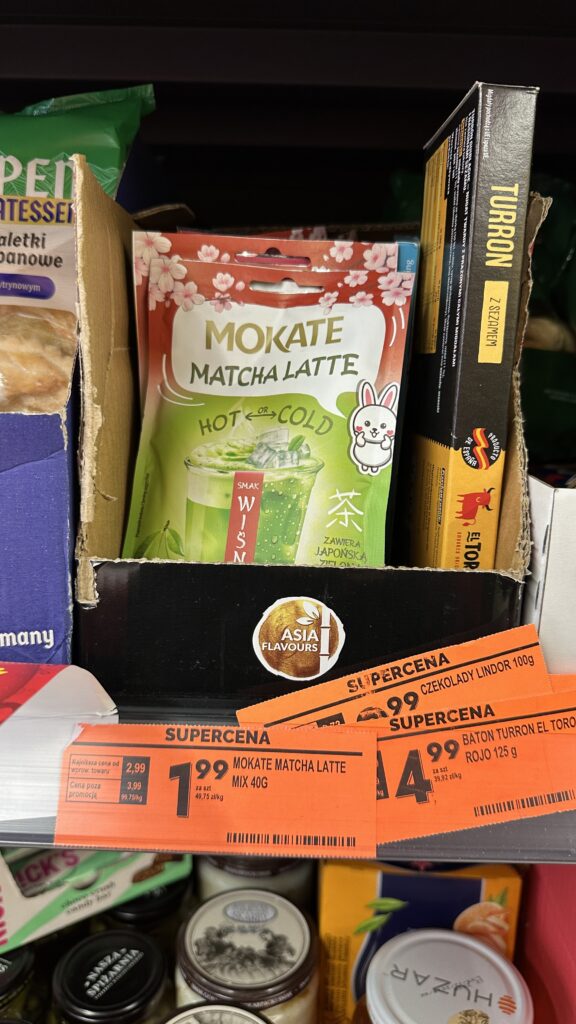
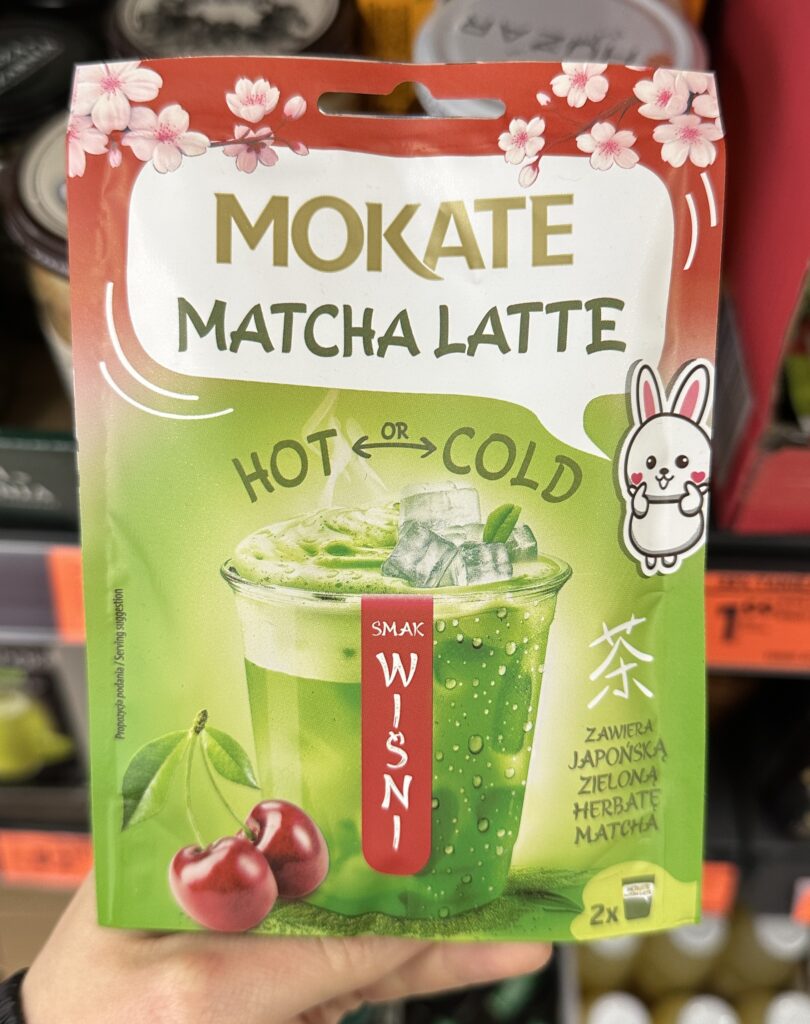
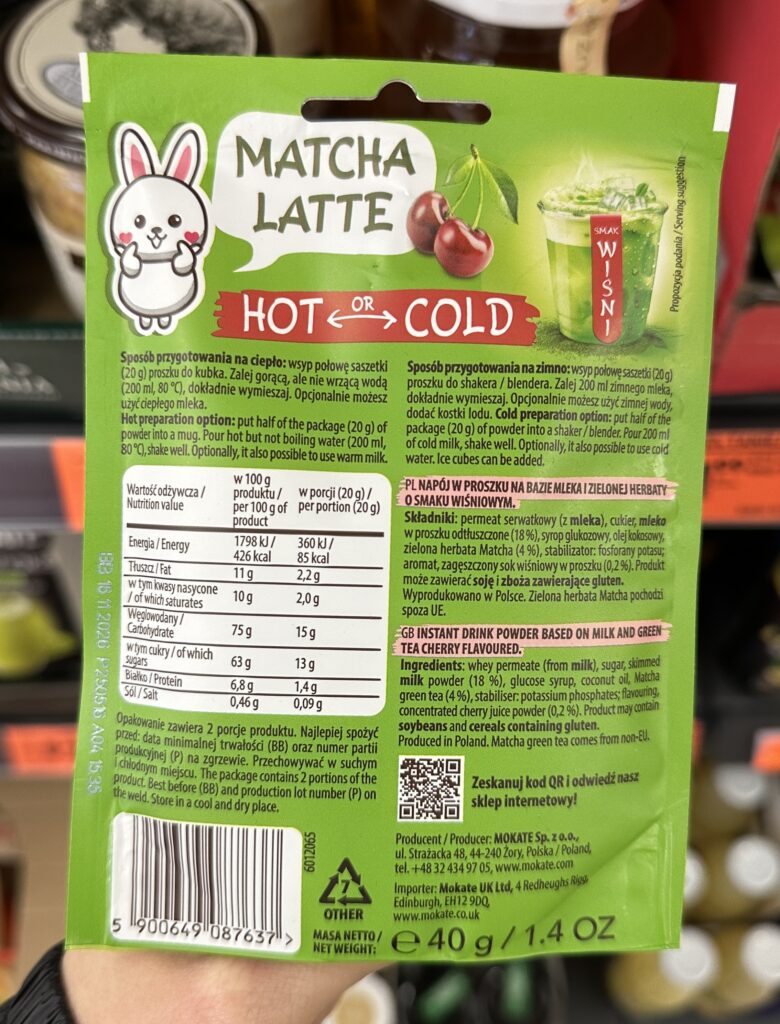
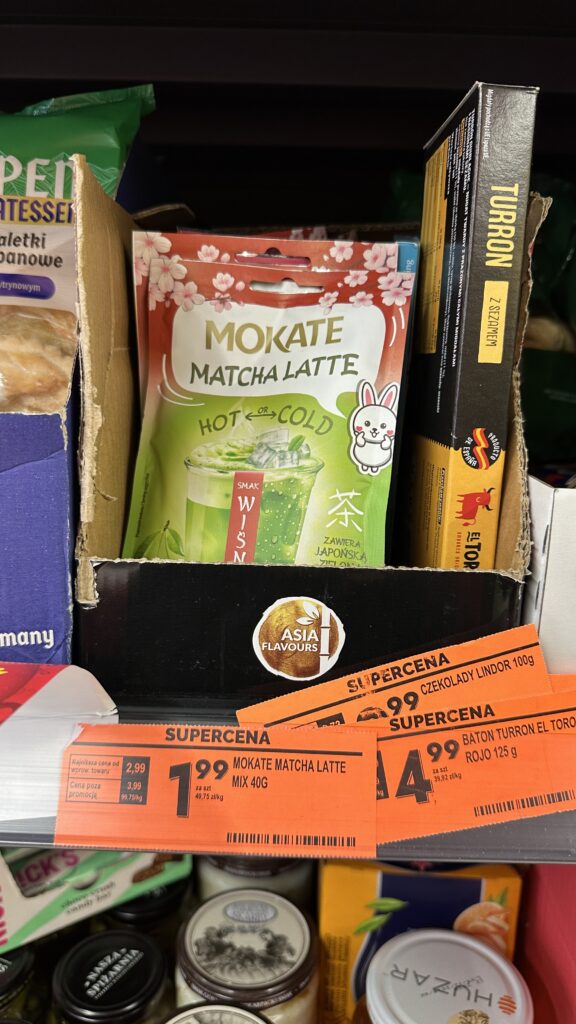
This product is clearly designed for the “impulse buy” section, utilizing a logical yet nutrition-poor combination of instant flavoring and convenience that targets young, trend-driven shoppers looking for a “trend” rather than health benefits. Low entry price of 1.99 PLN—a highly reasonable, almost disposable cost for the Polish market, however, notice it is only 1 portion. Also, disappointing reality: with only 4% actual tea content and a primary ingredient list of sugar and glucose syrup, the “wellness” promise of the tea category is completely overshadowed by a synthetic, high-calorie profile that prioritizes shelf-stable sweetness over quality.
The design is a textbook example of “visual indecision”, creating an aesthetic clash by placing a hyper-realistic cherry photo alongside a simplified cartoon bunny and traditional Japanese calligraphy. The red-and-green color scheme, while intended to represent the cherry flavor, leans dangerously close to a “tomato juice” palette, which fails to harmonize as effectively as a pink-and-green “sakura” theme would.
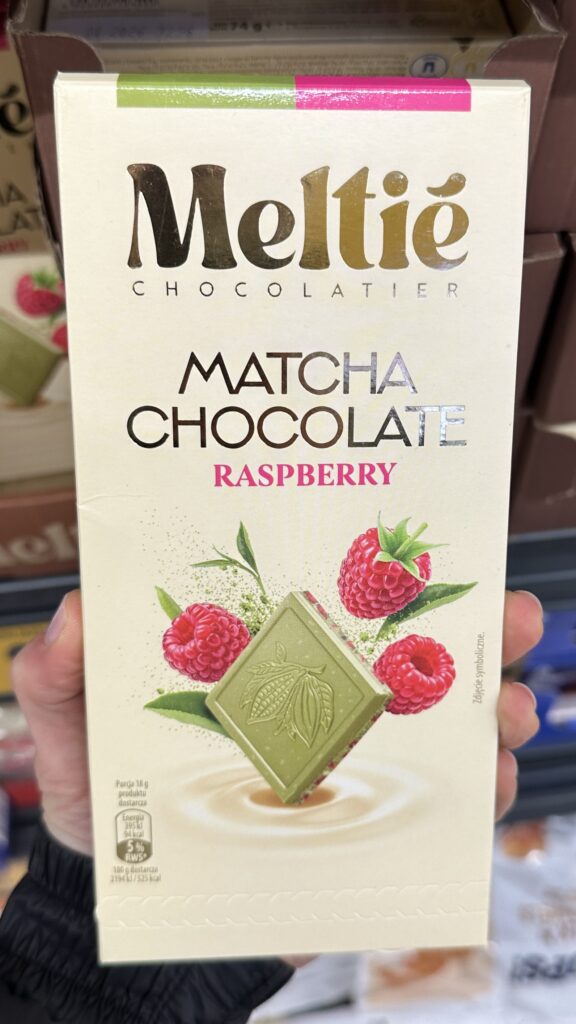
9. White chocolate table
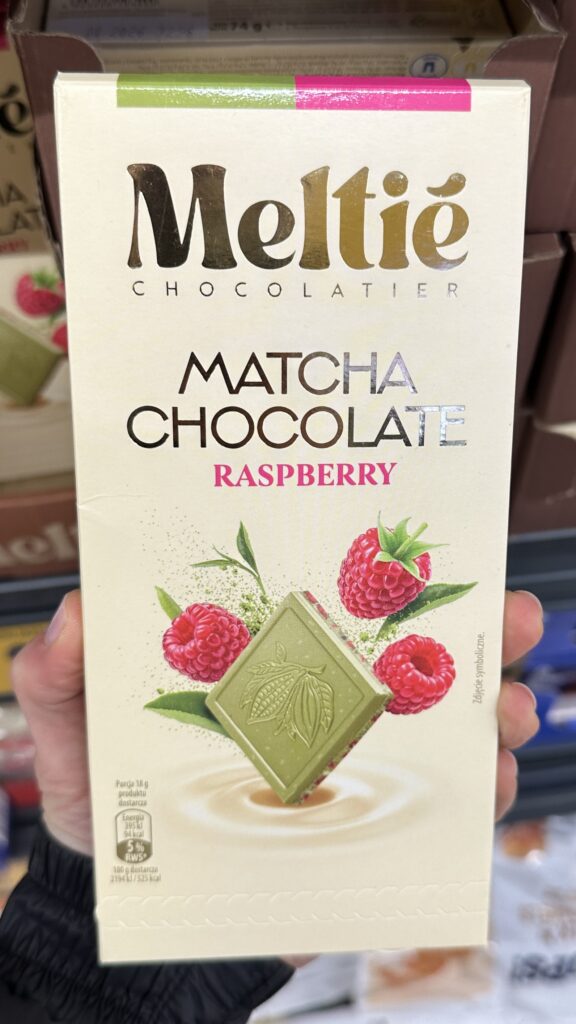
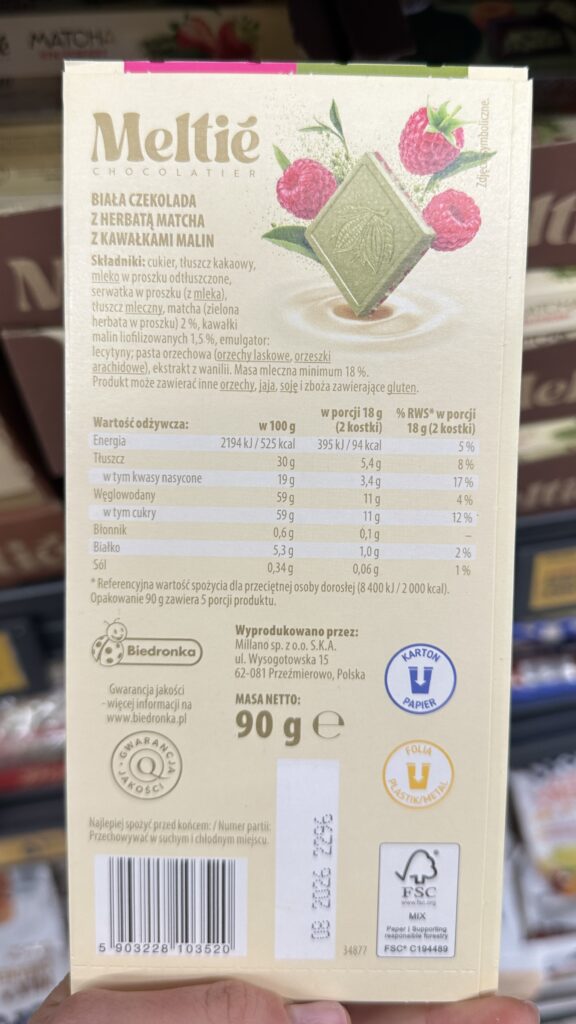
This product is a “premium-wash” specialty chocolate that successfully uses a sophisticated flavor combination to mask a relatively low inclusion rate of its headline ingredients, making it an excellent margin-driver for the manufacturer. It targets the “affordable luxury” persona—likely a middle-class shopper looking for a sophisticated evening snack or a quick self-indulgent purchase—who is easily swayed by the elegant, minimalist packaging featuring gold foil lettering and clean typography. While the design looks high-end, the reality is a classic case of marketing inflation, as the 30% price markup over standard chocolate is built on just 2% low-quality powder and a tiny fraction of fruit.
10. Chocolate cookie sticks
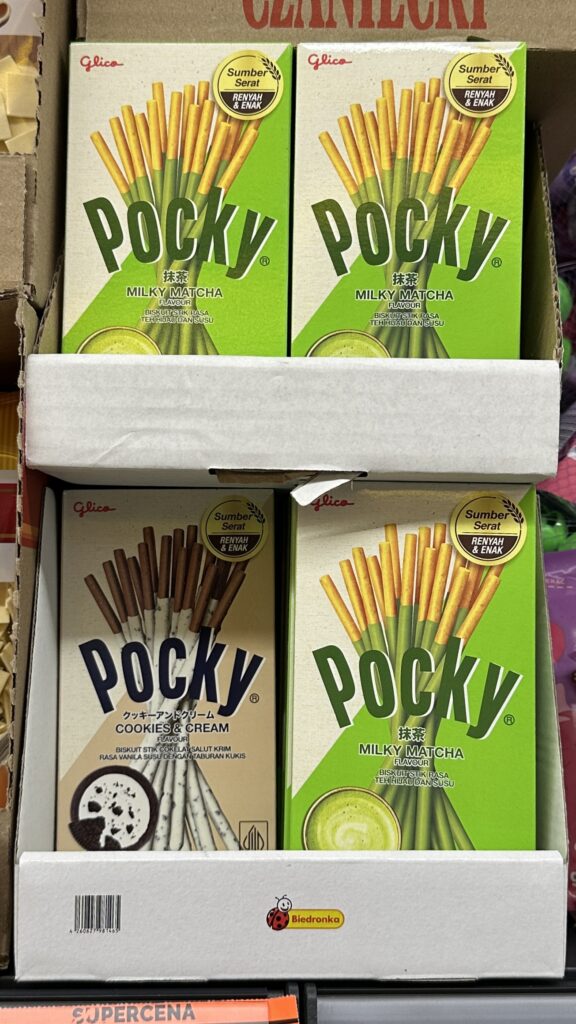
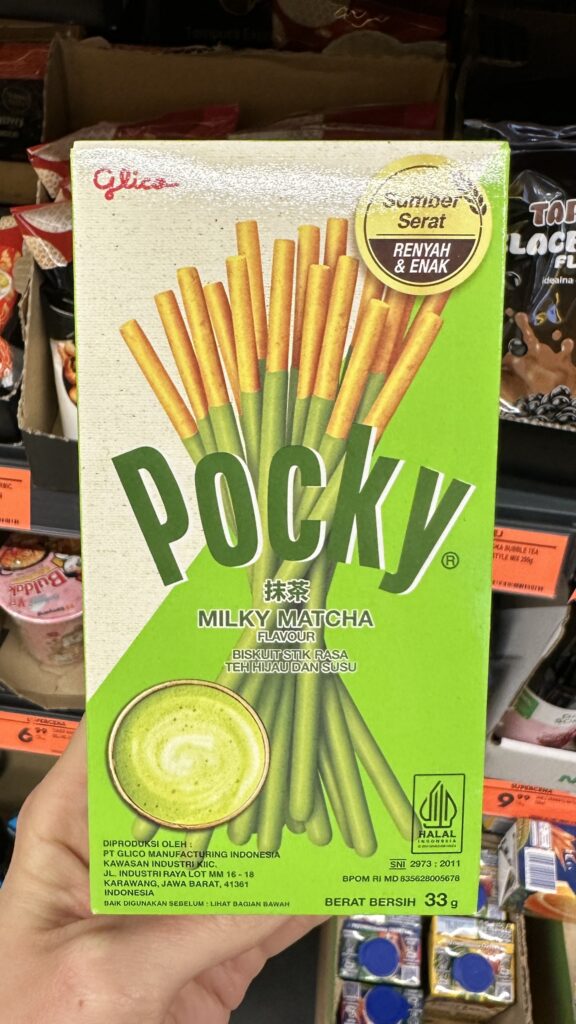
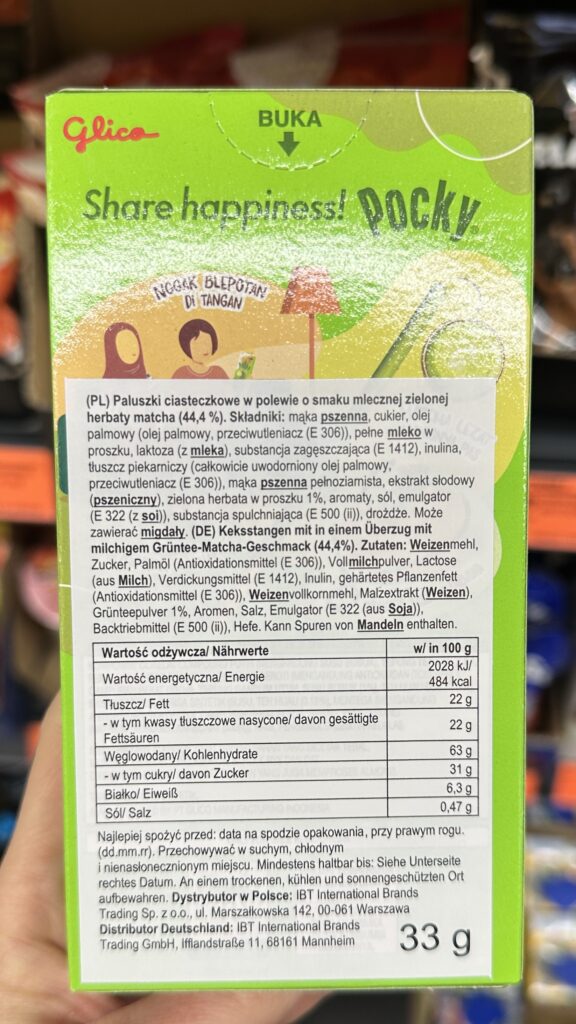
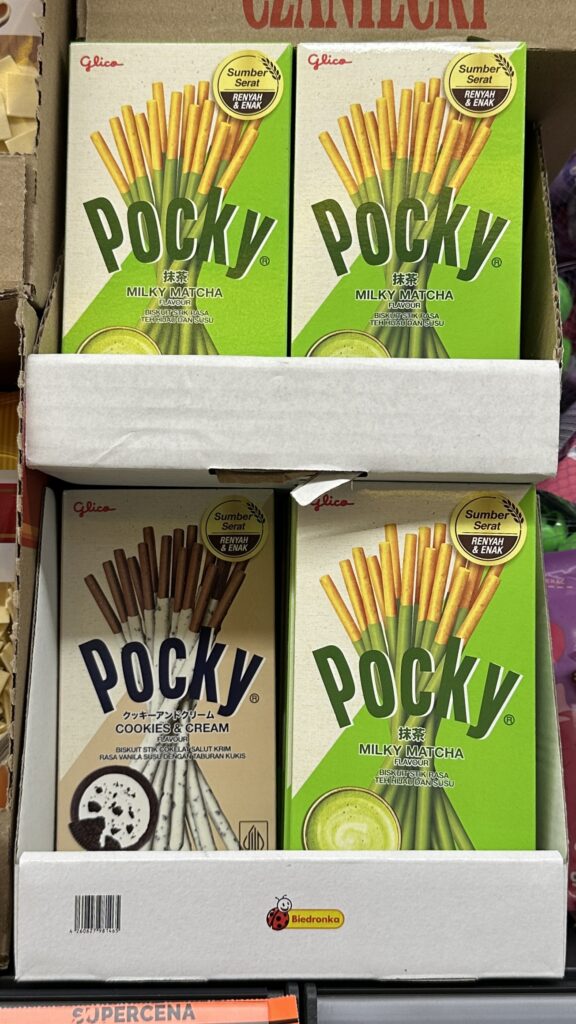
While Pocky is an iconic global snack, this version featuring a matcha profile is a textbook example of a “global curiosity” product that feels somewhat out of place in a standard Polish discount aisle due to its hyper-localized Southeast Asian branding. The combination of a crunchy biscuit with a sweet, grassy coating is a proven winner for the “snack-adventurer” or K-pop/J-pop fan.The pricing for such a small “import” item remains a premium compared to local snacks.
Where are still opportunities
I see multiple opportunities to use this matcha trend to win in multiple categories.
First what come to my mind is dairy/plant-based desserts. Relatively easy to achieve, fast moving good, ideal to adopt to seasonal matcha trend.
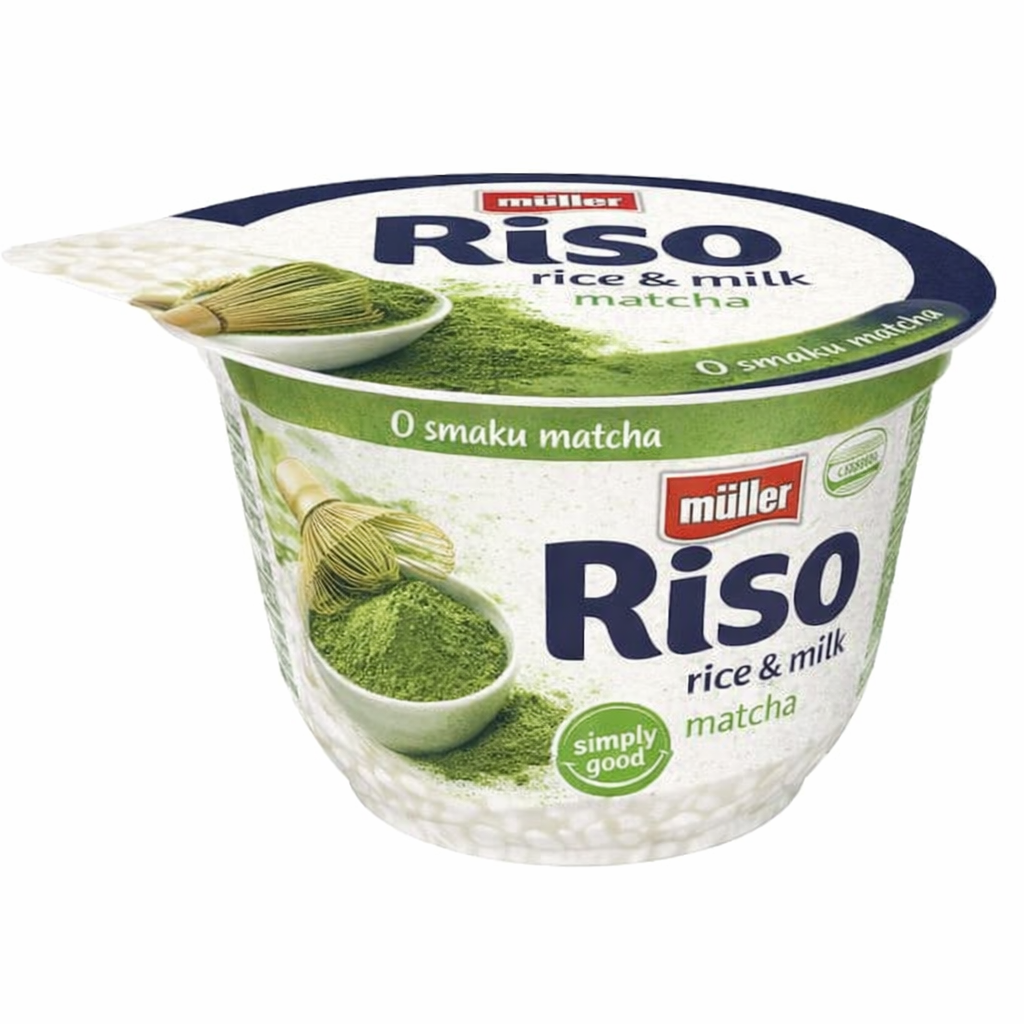
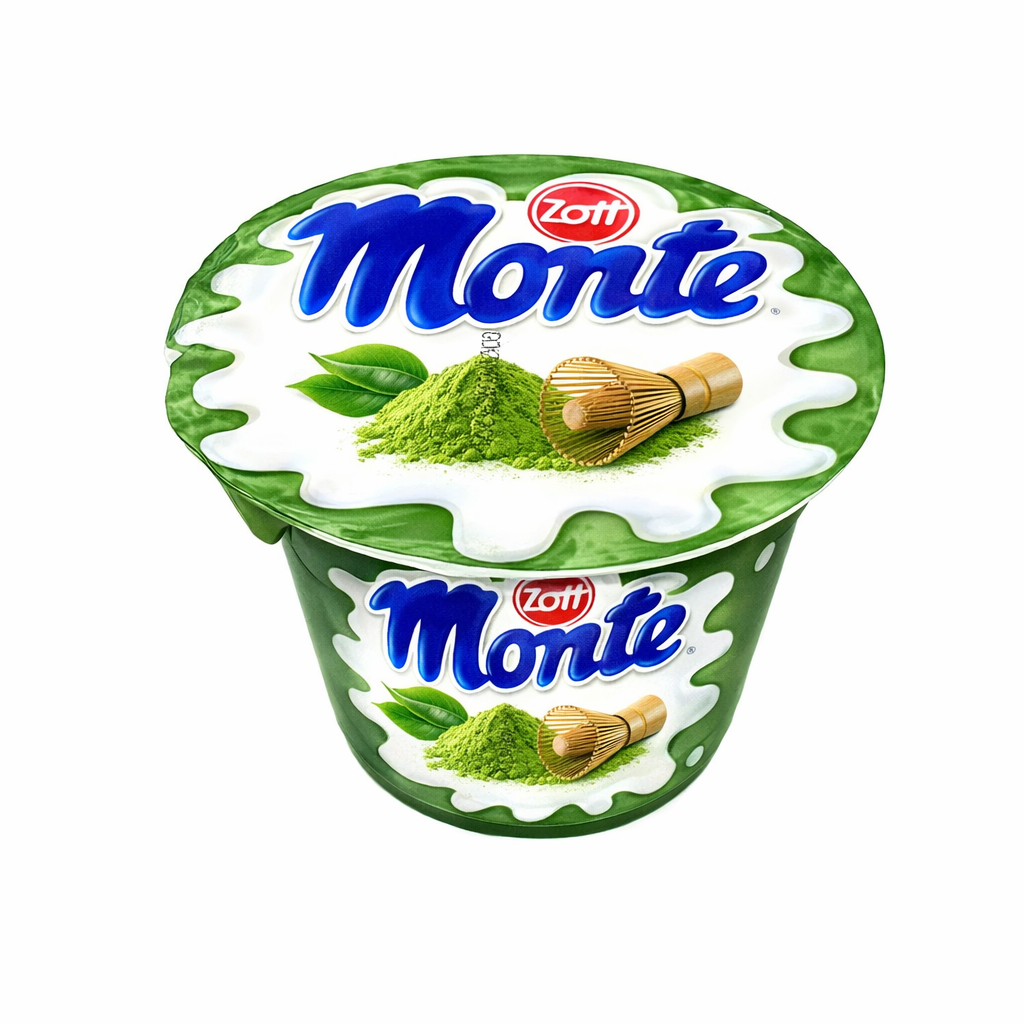
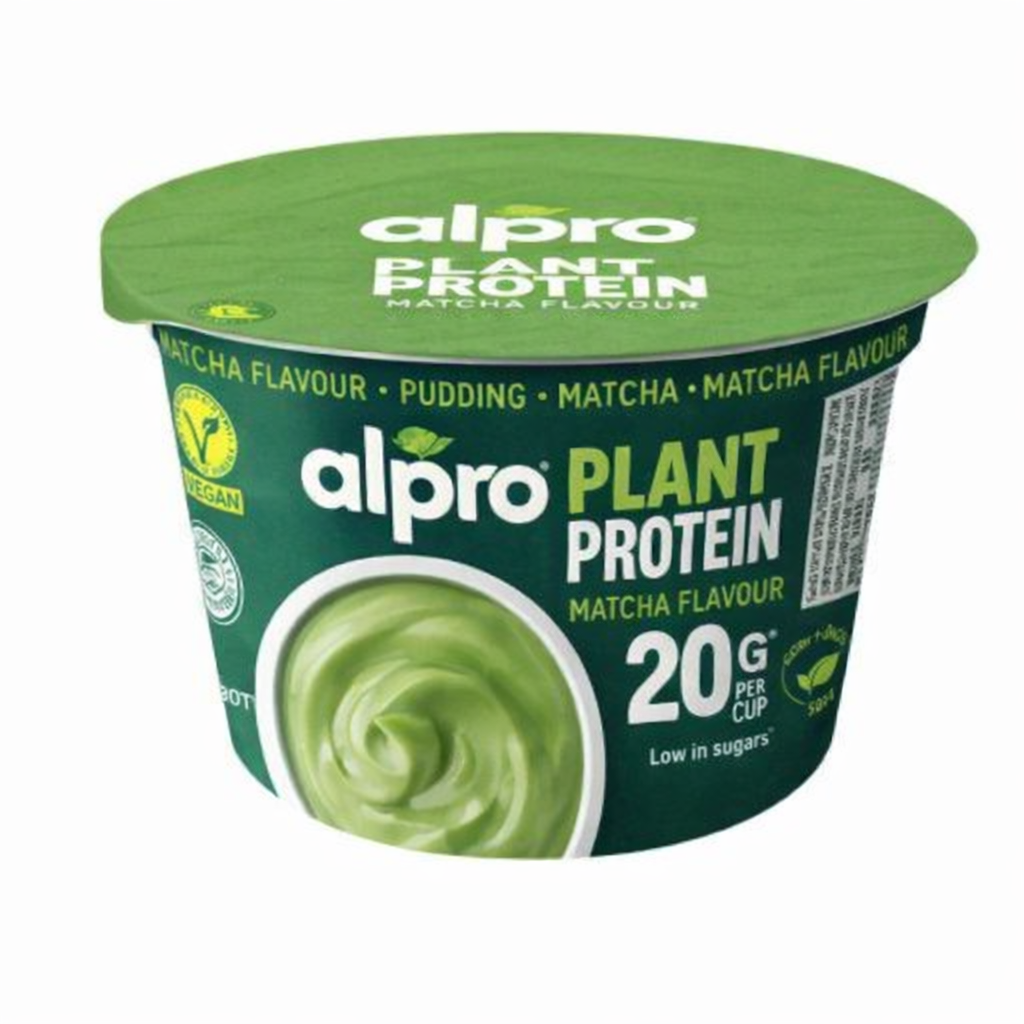
My top pick? Monte. It captures that sweet spot of Gen Z nostalgia while refreshing the profile for a more “grown-up” palate.
My next bet on easy-to-create, easy-to-bring-to-market products would be pouches.
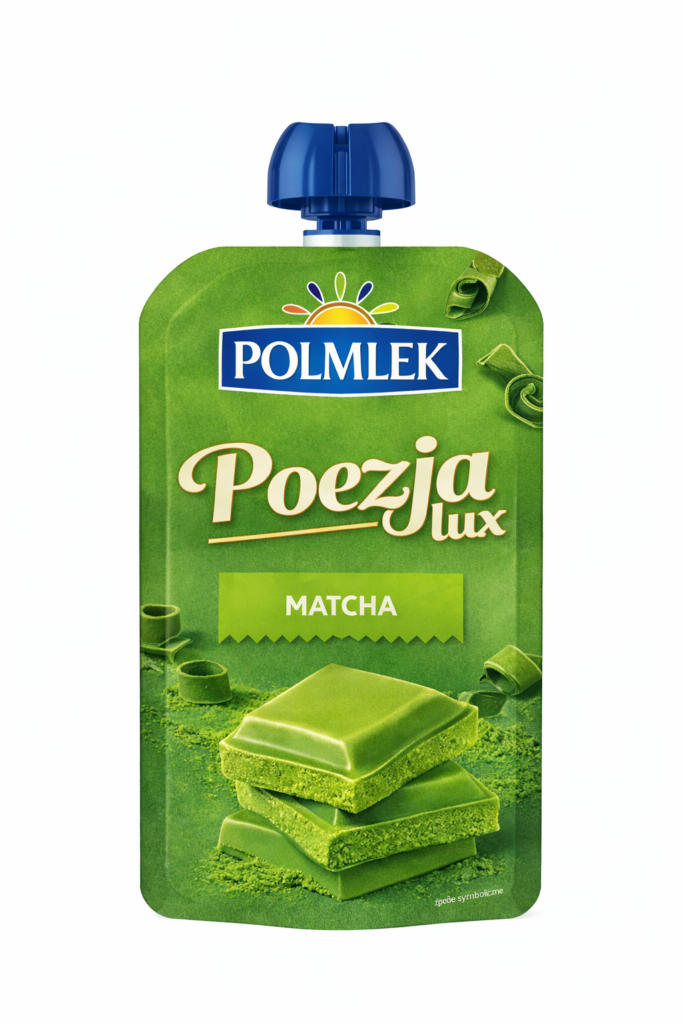
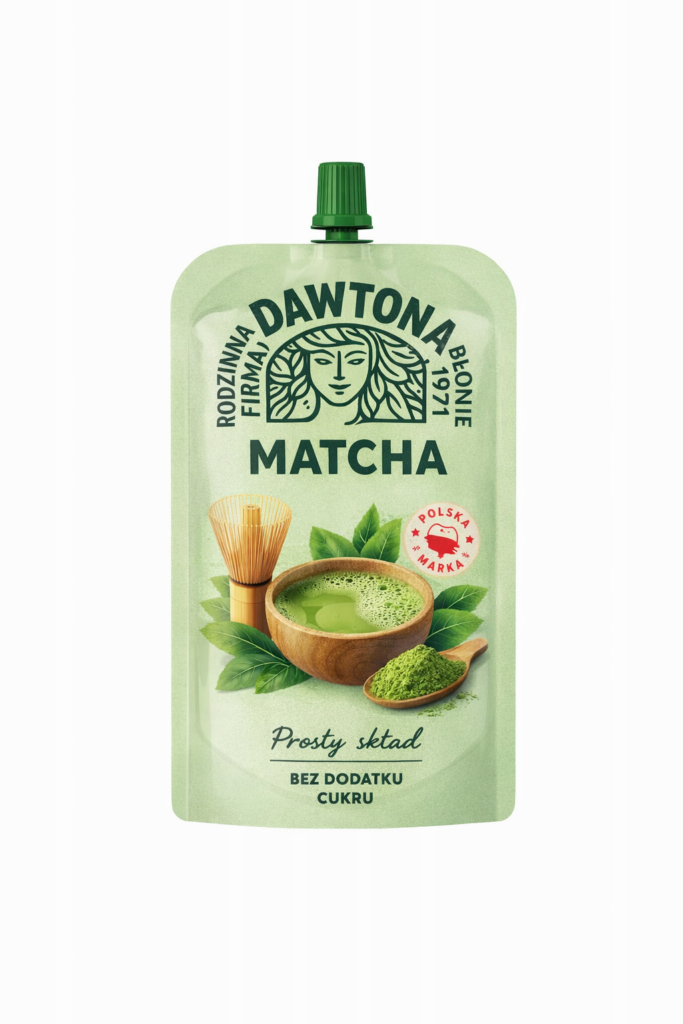
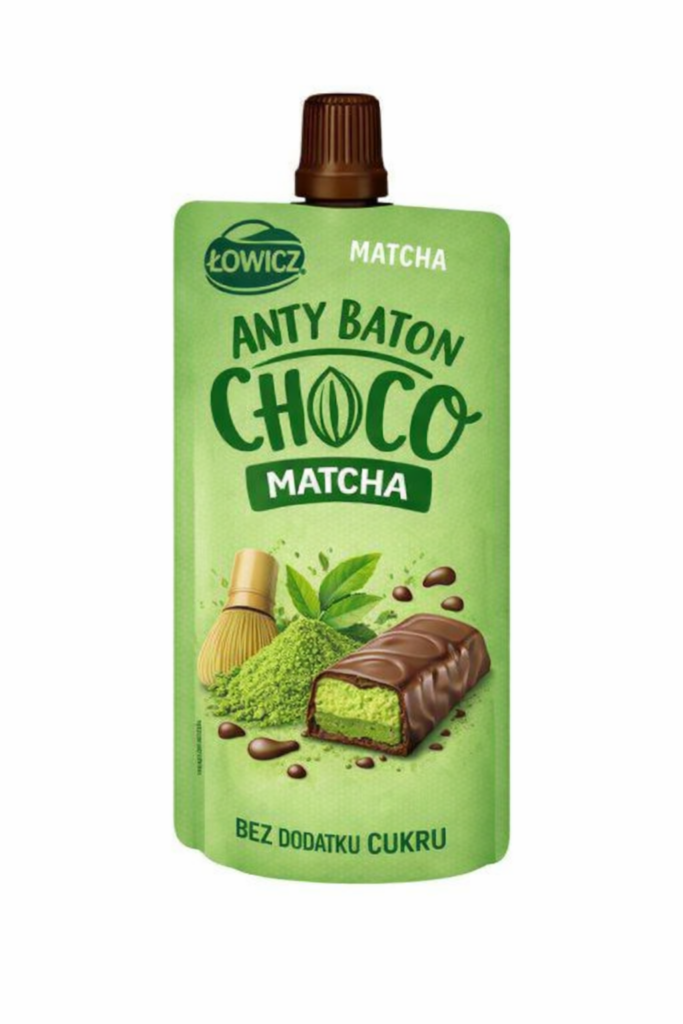
Currently I think there is missing piece on bars which are known well but in a seasonal limited edition witch matcha flavour.
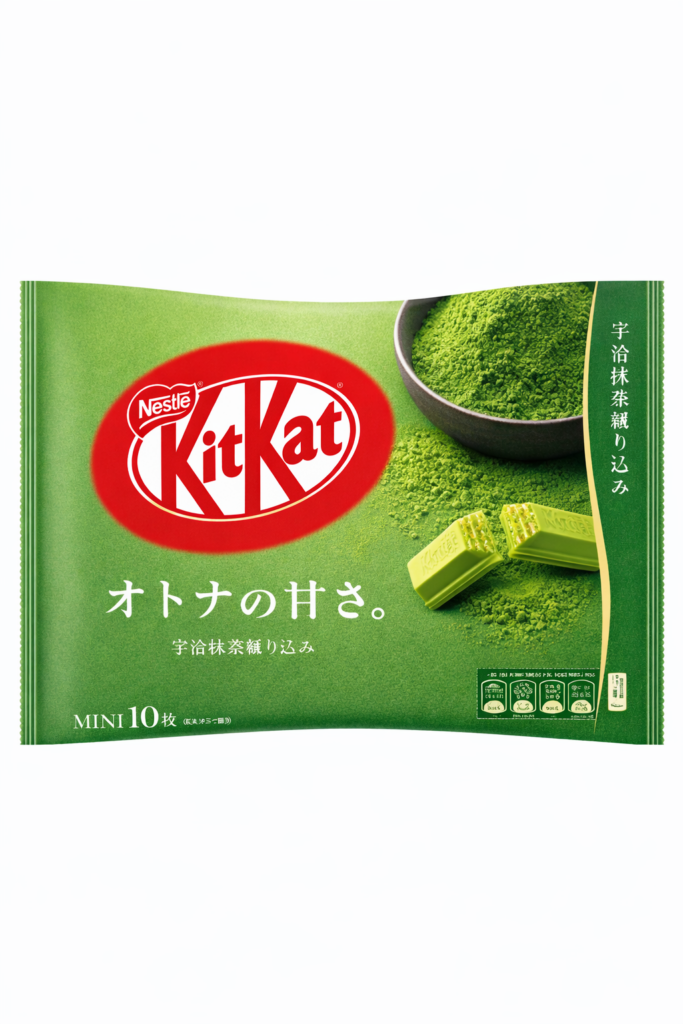
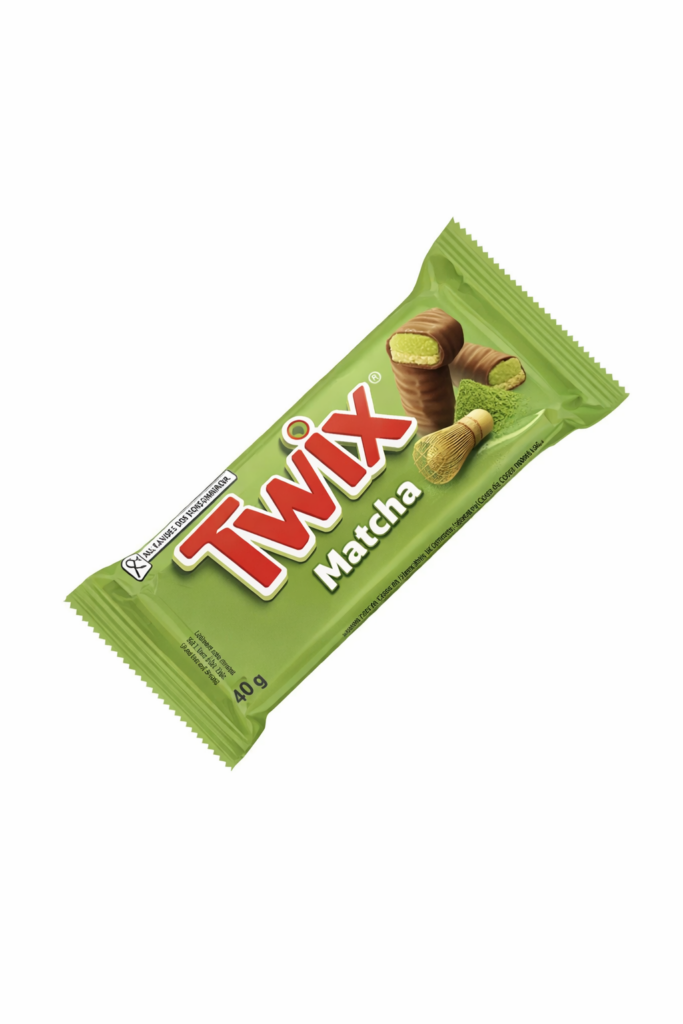
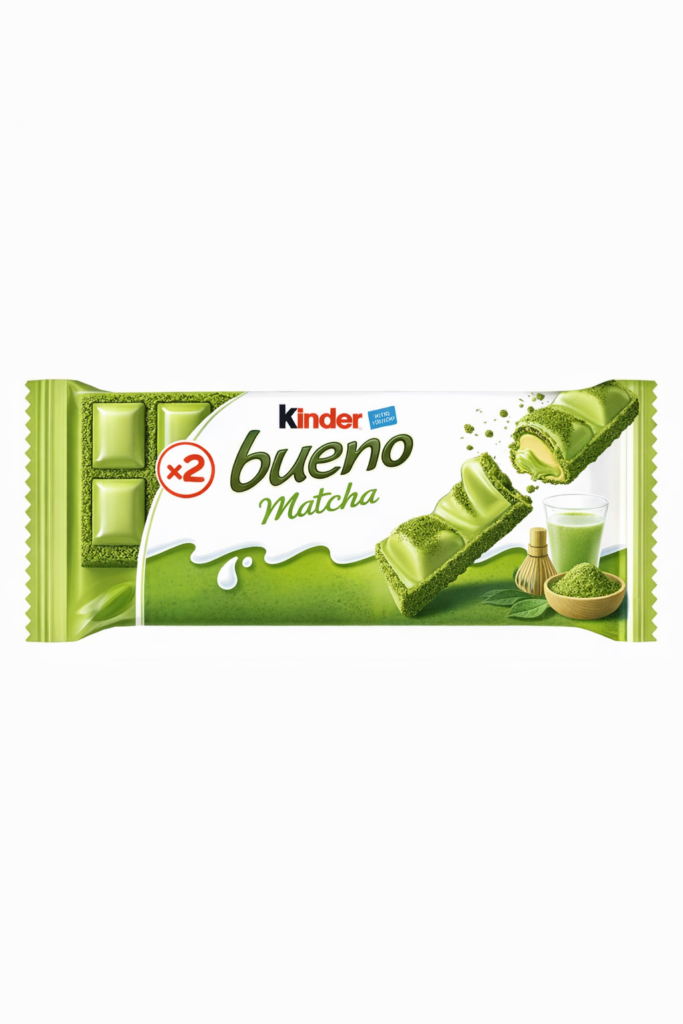
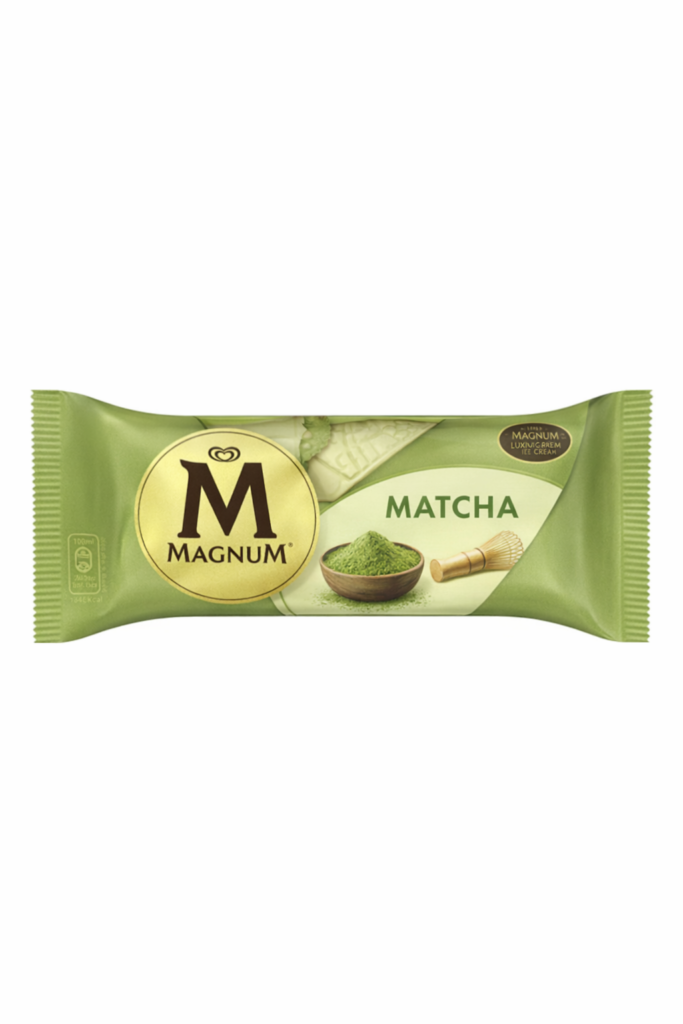
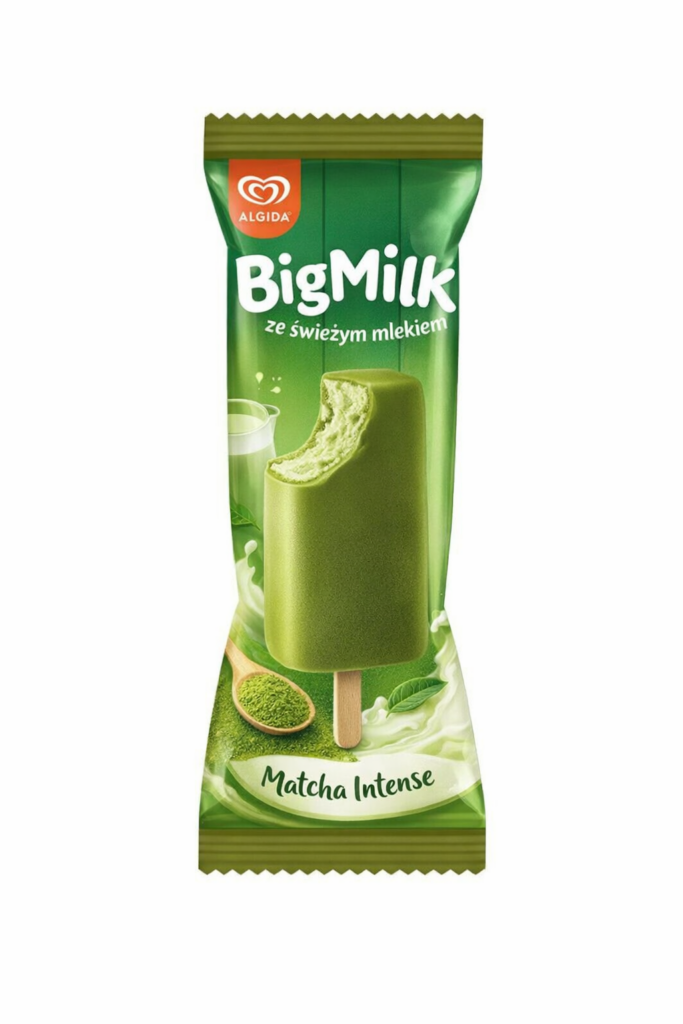
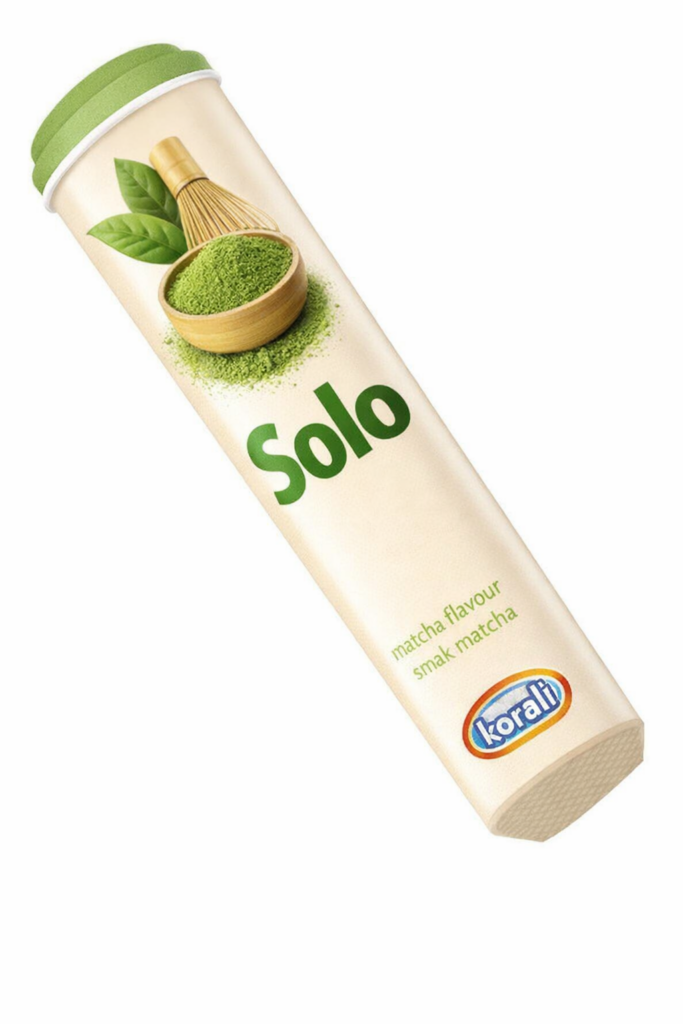
Soon, we start ice cream season – another segment that is just waiting to hit with green energy.
Summary
The “Green Rush” of 2026 is more than just a color shift on the shelves; it is a litmus test for agility in the FMCG sector.
The winners will be the brands that successfully integrate matcha’s earthy profile into a functional benefit—like the high-protein Skyr—or those that leverage deep-seated emotional triggers.
What’s Next?
As we navigate the rest of the year, keep an eye on the “chilled zone.” This is where the highest velocity meets the highest trend-sensitivity. If you aren’t already planning your seasonal LTO (Limited Time Offer) around a balanced, high-quality matcha flavor, you’re leaving shelf space to the competition.
Is matcha a permanent staple or a passing cloud? In the world of fast-moving consumer goods, the answer doesn’t really matter as long as you are the first to the checkout zone with a product that resonates. The “Green Obsession” is here for now—it’s time to make it work for your margins before new trend will kick in.